

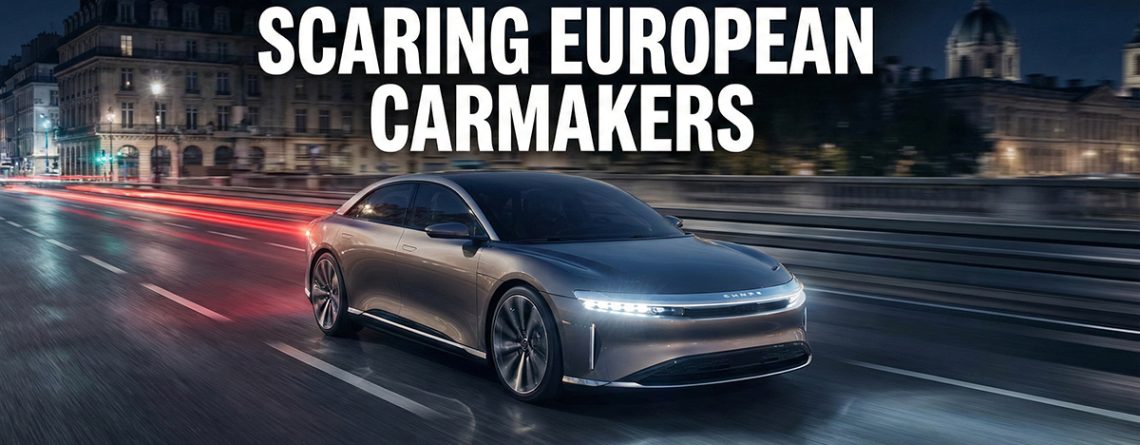
Why Chinese EVs Are Scaring European Carmakers? It’s Not Just the Price
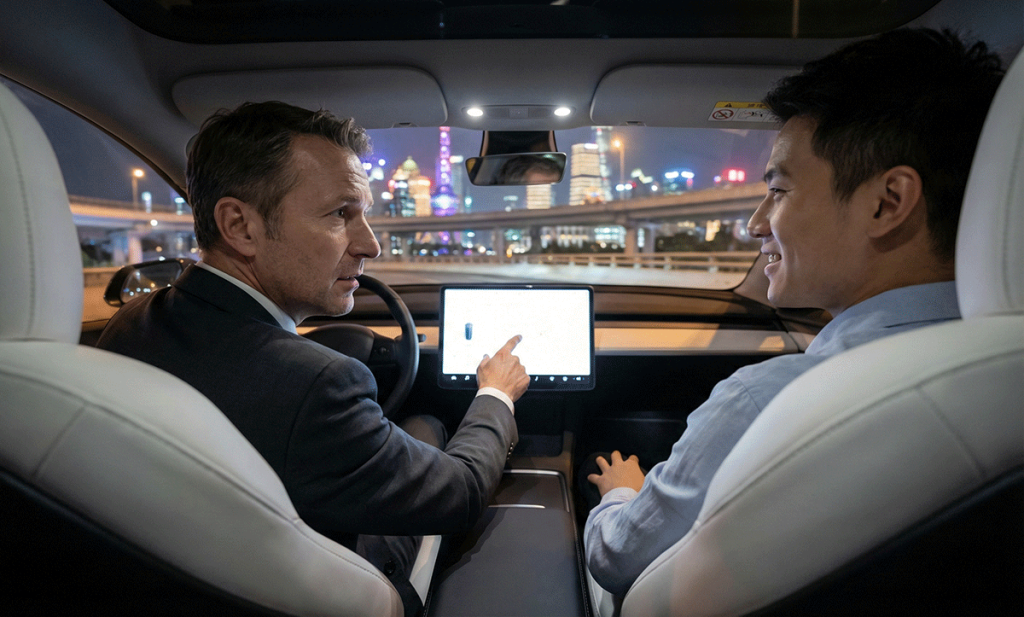
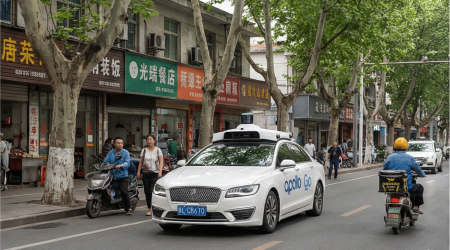
I was stuck in the gridlock of Shanghai’s Yan’an Elevated Road, riding shotgun. The driver, a young guy named Chen, had just picked up this car last week.
In the back seat sat my friend Hans. Hans is a supply chain manager from Stuttgart who works for a German luxury legacy brand—the kind of brand that defines “status” in the West. But looking at Chen’s car, Hans had the expression of a man clutching a Nokia 3310 while watching Steve Jobs unveil the first iPhone.
“It makes no sense,” Hans muttered, his finger hovering awkwardly over the dashboard. He was looking for a button. There were no buttons.
“Hey, Little P,” Chen said to the air, addressing the car’s AI. “I want to take a nap.”
What happened next was a masterclass in psychological warfare against traditional auto manufacturing. The windows automatically darkened. The passenger seat reclined fully flat into a bed. The ambient lighting shifted to a warm, sleepy amber. The speakers began playing the sound of rain falling on leaves. The air conditioning vents adjusted to a gentle breeze, and—I kid you not—a subtle scent of lavender began to waft through the cabin.
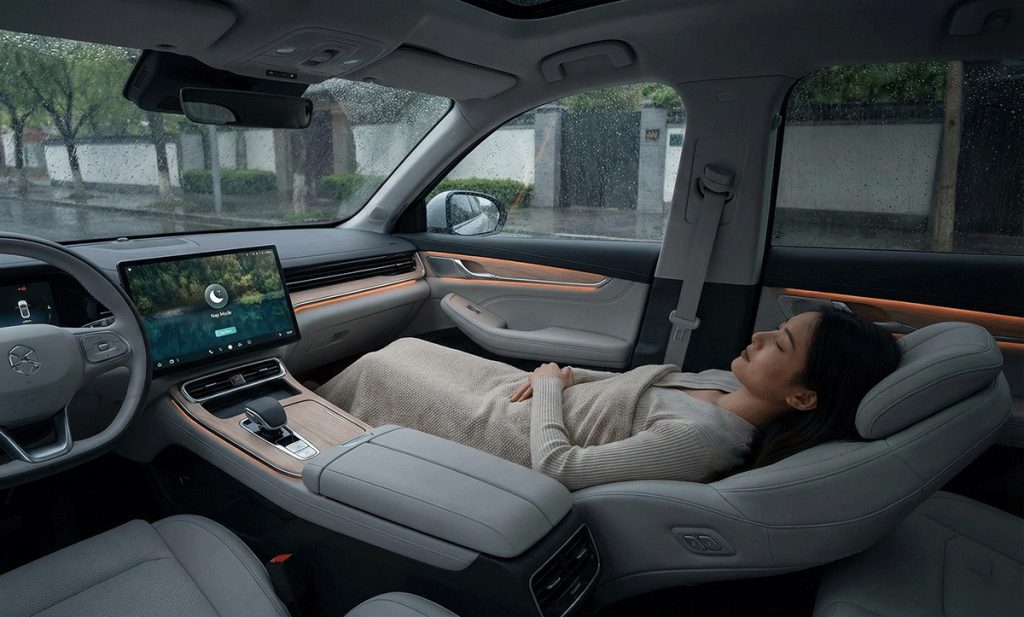
“Nap Mode,” Chen grinned, tapping the steering wheel. “Costs about 200,000 RMB ($28,000).”
Hans went silent. To get this level of isolation and luxury from his company back home, you’d need to spend upwards of €80,000. And even then, the car wouldn’t sing you a lullaby.
The Curiosity Gap: A Tale of Two Species
This is the visceral reality behind the headlines you read in the Financial Times or The Wall Street Journal.
Western analysis usually focuses on “unfair subsidies,” “cheap labor,” or “overcapacity dumping.” Those factors are real. But they are macro-economic excuses that mask a terrifying micro-economic truth: Europe is still trying to build a better horse carriage, while China is building a spaceship.
As we crawled toward the Bund, I watched Hans try to cope. He fell back on his training. “The suspension is too soft,” he argued. “The chassis tuning lacks character.”
He was right. But it was like criticizing an iPad because it doesn’t make a good hammer.
Chinese consumers, especially the digital natives like Chen, don’t care about the G-force in a corner or the heritage of the badge on the hood. They care about the experience of the two hours they spend stuck in traffic every day.
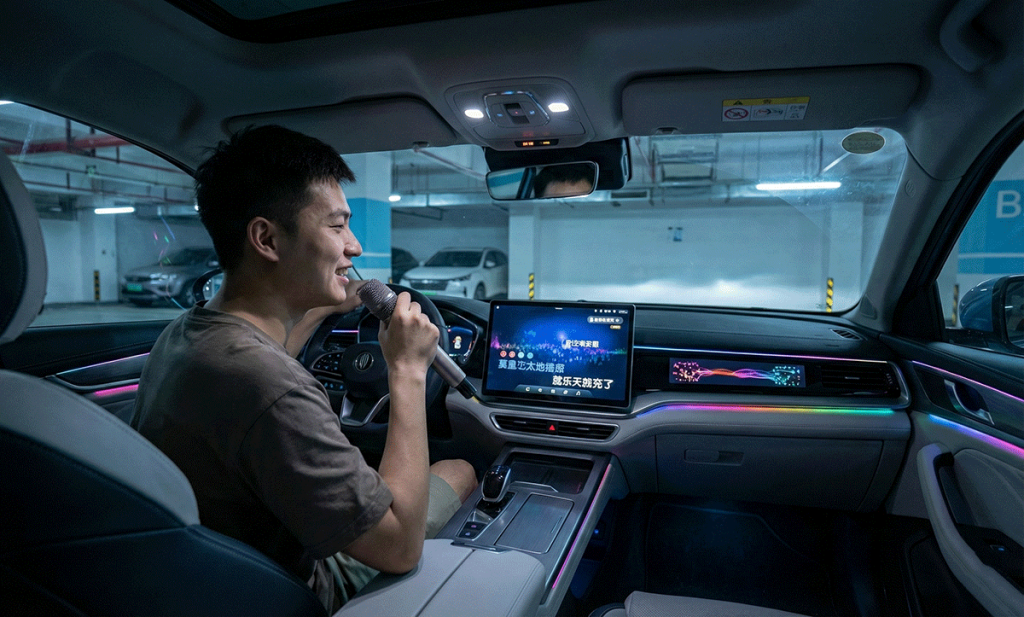
Can I sing karaoke with a dedicated microphone plugged into the dash? (Yes, most Chinese EVs have this). Can I play a AAA video game on the center console while charging? Can the car practically drive itself in bumper-to-bumper traffic so I can scroll TikTok?
The “Third Space” Philosophy
The terrifying speed of iteration here is what truly unsettles the incumbents. While Volkswagen or GM might delay a launch for six months to fix a software bug, Chinese startups push Over-the-Air (OTA) updates like they are Candy Crush Saga. A new feature every week. A UI overhaul every month.
I once asked a product manager at a rising Chinese EV brand why they stuffed their cars with so many gadgets—fridges, projectors, heated massage seats.
His answer was a window into the Chinese soul:
“In China, housing is too expensive and the office is too stressful. The car is the last private refuge for the modern adult. We aren’t selling transportation. We are selling a ‘Third Living Space’.”
The Lingering Smoke
When we finally arrived at our destination, Chen got out and tapped his phone. The car silently maneuvered itself into a parking spot so tight it would have made a professional valet sweat. It did this without a human inside.
Hans stood on the curb, lighting a cigarette. The glow illuminated a face that looked less angry and more confused.
“We aren’t losing because of technology,” he said, exhaling a cloud of smoke into the cold Shanghai air. “We are losing because we don’t even know who the customer is anymore.”
I watched the stream of cars flow past us. Green license plates (denoting New Energy Vehicles) flashed by one after another, a river of electric light.
I wanted to tell Hans that it wasn’t his fault. It’s just that in China, the future arrives before you’ve even finished paying for the past.




Leave a Reply