

Beyond the Postcard
The first thing you notice at Detian Waterfall isn’t the roar of water, but the smell of roasting corn and garlic. You arrive in Pingguo County’s border town not by a grand highway entrance, but through a narrow lane where bicycles weave past electric scooters carrying crates of fresh vegetables. This is the reality of life along the Sino-Vietnamese frontier: quiet, bustling, and surprisingly accessible.
For years, Detian has been labeled simply as “China’s largest transnational waterfall.” But if you look closer, the story isn’t about a single monument; it’s about a daily rhythm shared by residents on both sides of the river. While tourists in Paris or New York worry about coffee prices, locals here are ordering bowls of rice noodles for less than $1.
The Economy of a Dollar
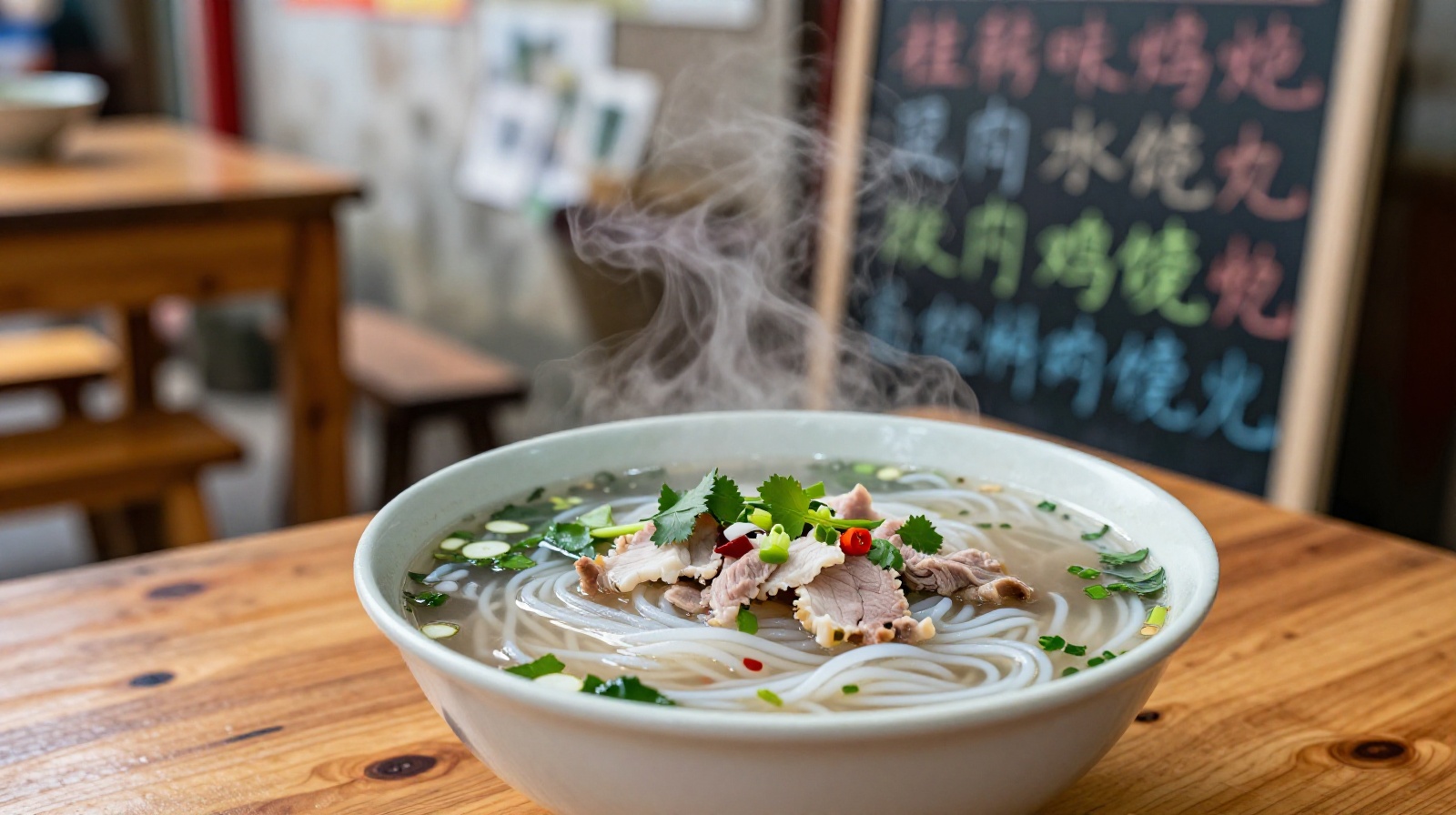
Step into a small eatery tucked between a hardware store and a pharmacy. The menu is handwritten on a chalkboard: “Bun with meat sauce,” “Noodle soup with pork ribs,” “Cold tofu.” You order in a mix of Mandarin and Vietnamese, and within minutes, a steaming bowl lands on your table.
This isn’t a tourist trap designed to extract high fees. It’s the everyday economy of the border town. The cost of living here is low because the region thrives on cross-border trade. Goods flow freely between China and Vietnam—Vietnamese fruit, Chinese electronics, local snacks. A single bowl of noodles costs roughly 7 RMB (about $1 USD) because ingredients are sourced from both sides of the river. It’s a direct reflection of how globalization touches ordinary lives: not in boardrooms, but at dinner tables.
The Path to the Falls
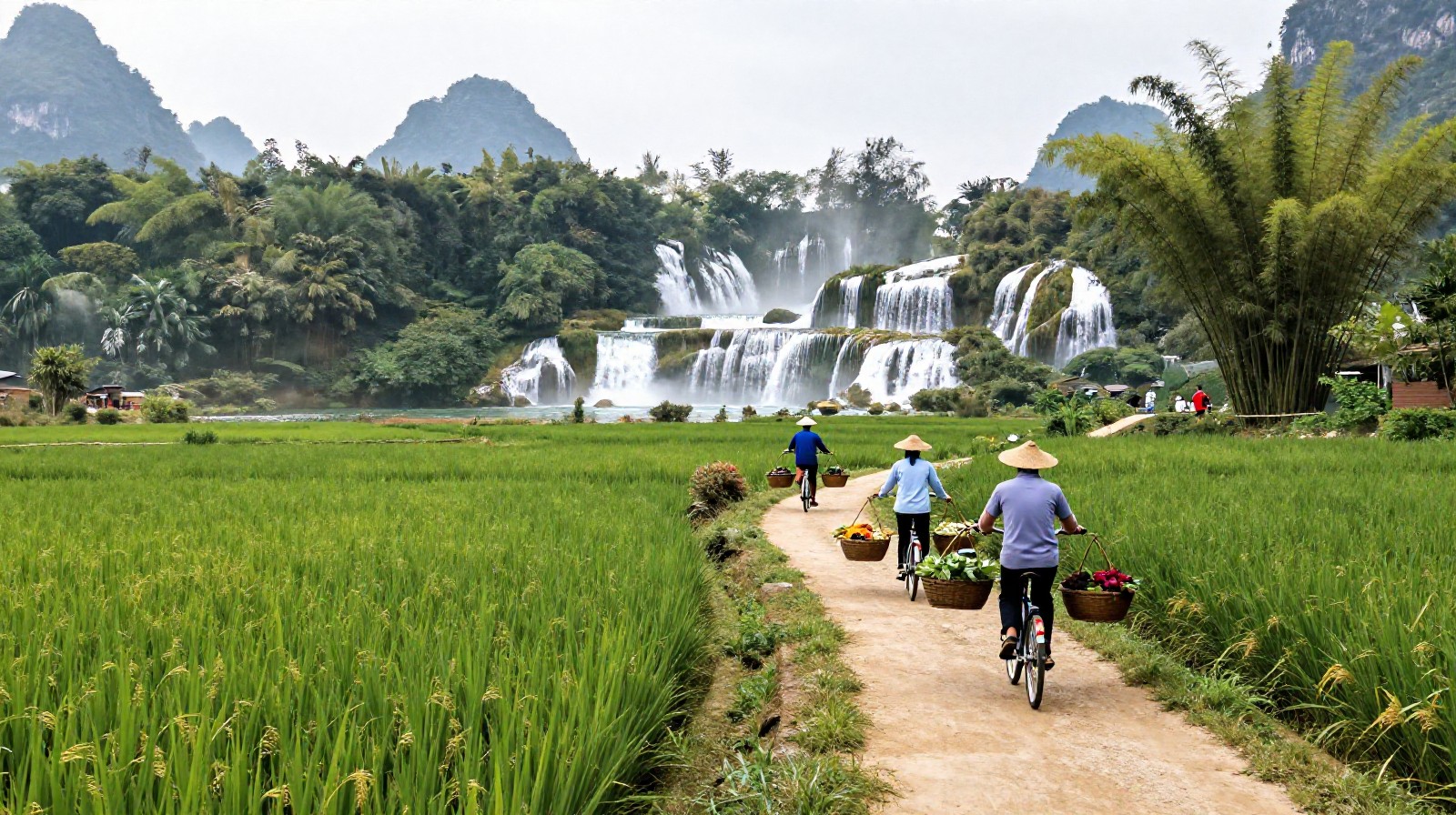
To see Detian Waterfall truly, you don’t need a bus tour that drops you off for 10 minutes and drives away. The best way is to walk or cycle along the mountain trail that winds through rice paddies and bamboo groves.
As you hike, you pass small market stalls where women in conical hats sell fresh river fish and sticky rice wrapped in banana leaves. You might see a Vietnamese farmer crossing the border with a cart of watermelons to sell at the Chinese side, or a Chinese tourist buying locally made rubber sandals from a roadside vendor.
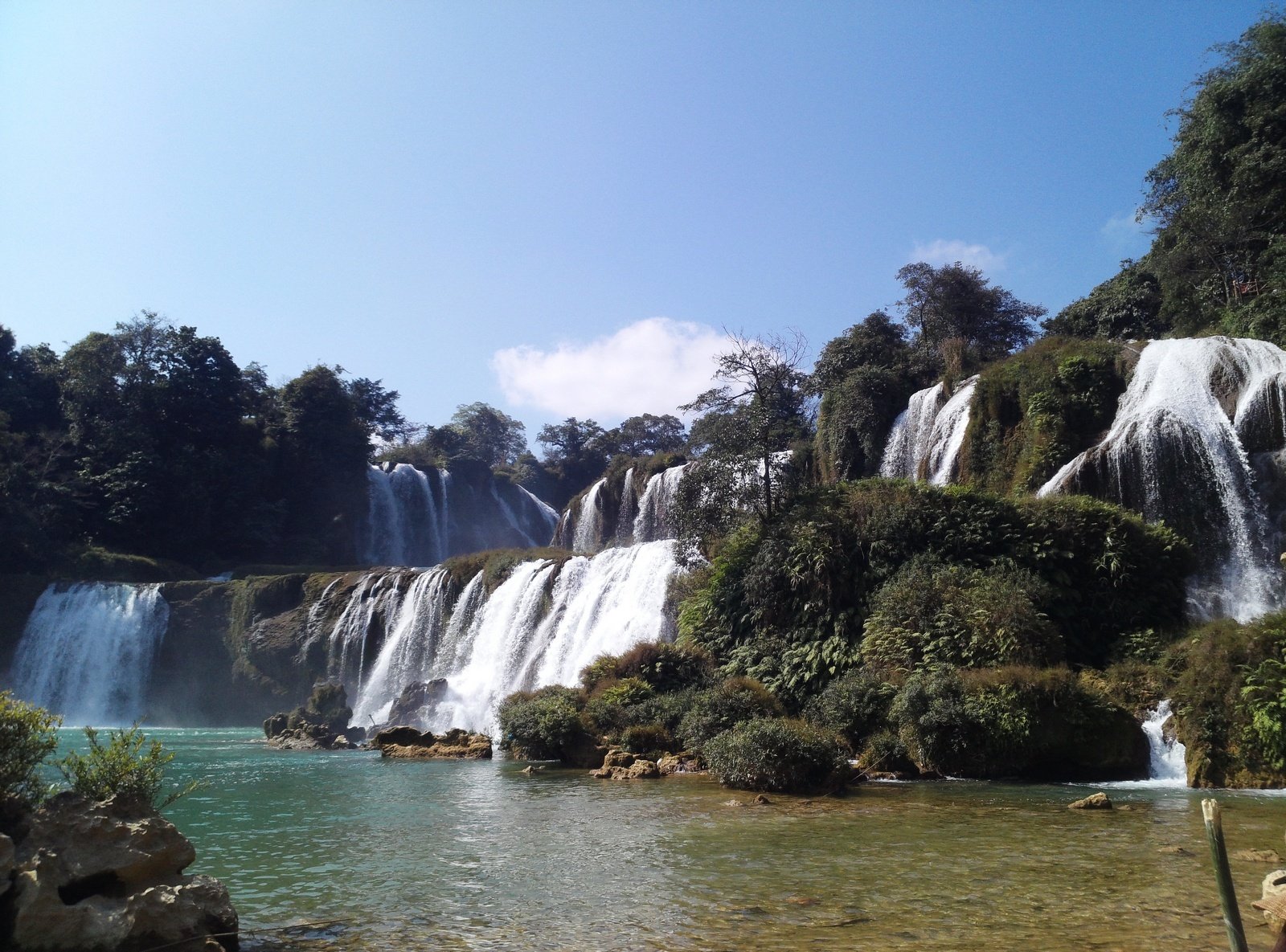
The trail leads you past the “Bai Ma” (White Horse) bridge, a historic crossing point that once served as a vital trade route. Today, it’s a symbol of connection. The water below is a deep turquoise, cascading over limestone cliffs that divide two nations. Standing there, you realize the border isn’t a wall; it’s a line drawn on water that people have lived with for centuries.
Life at the Border
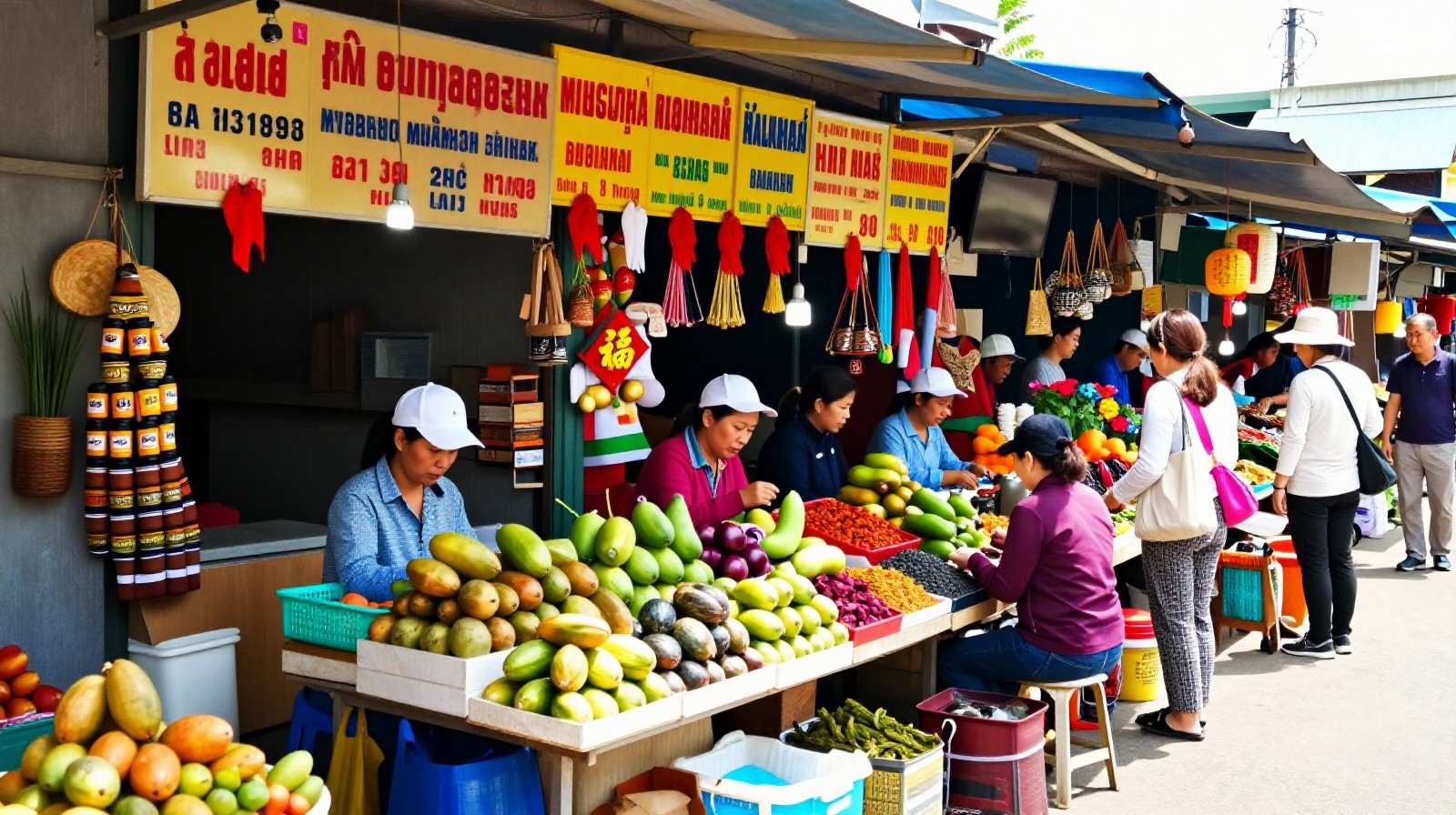
The cross-border trade zone near Detian is more than just a checkpoint; it’s a living ecosystem. Here, you can buy Vietnamese coffee beans, Chinese herbal medicines, and even second-hand electronics, all within walking distance.
The local economy relies heavily on this exchange. Many families run small shops that sell goods to visitors from both countries. Some residents work as guides or drivers, while others simply farm the land that straddles the river. The impact of trade is visible in the new storefronts and the well-maintained roads, yet the pace of life remains unhurried.
It’s a unique balance: strict security protocols coexist with a vibrant, open marketplace. You can’t just wander off into Vietnam without a pass, but within the designated zones, the flow of people and goods is constant and lively.
Navigating the Border
If you plan to visit Detian, preparation is key. The waterfall is located in Guangxi Zhuang Autonomous Region, near the town of Daxin. You can reach it by train from Nanning or Guilin, then take a local bus.
Important notes for travelers:
- Visas and Permits: You generally need to stay within the designated tourist area. To cross into Vietnam (Can Tho), you must obtain a special permit in advance through a licensed tour agency.
- Security: Border zones are strictly monitored. Do not attempt to cross the river or walk beyond marked trails. The scenery is beautiful, but safety and regulations come first.
- Best Time to Visit: The rainy season (May to September) makes the waterfall most dramatic, with water volumes swelling significantly. However, the dry season offers clearer views of the surrounding landscape.
A Different Kind of Travel
Detian Waterfall offers more than just a view; it offers a glimpse into how modern China coexists with its ancient neighbors. The contrast between the low cost of living and the high value of cultural heritage is striking.
You can sip your $1 bowl of noodles while watching the water crash down, knowing that this place has been a meeting point for civilizations for over a thousand years. It’s not just about the waterfall; it’s about the people who live here, the trade that sustains them, and the quiet resilience of a community that thrives on connection.
For travelers seeking something beyond the typical itinerary, this hidden route offers a chance to see China not as a monolith, but as a place where history, geography, and daily life intersect in surprising ways.