

The Great Heat Confusion
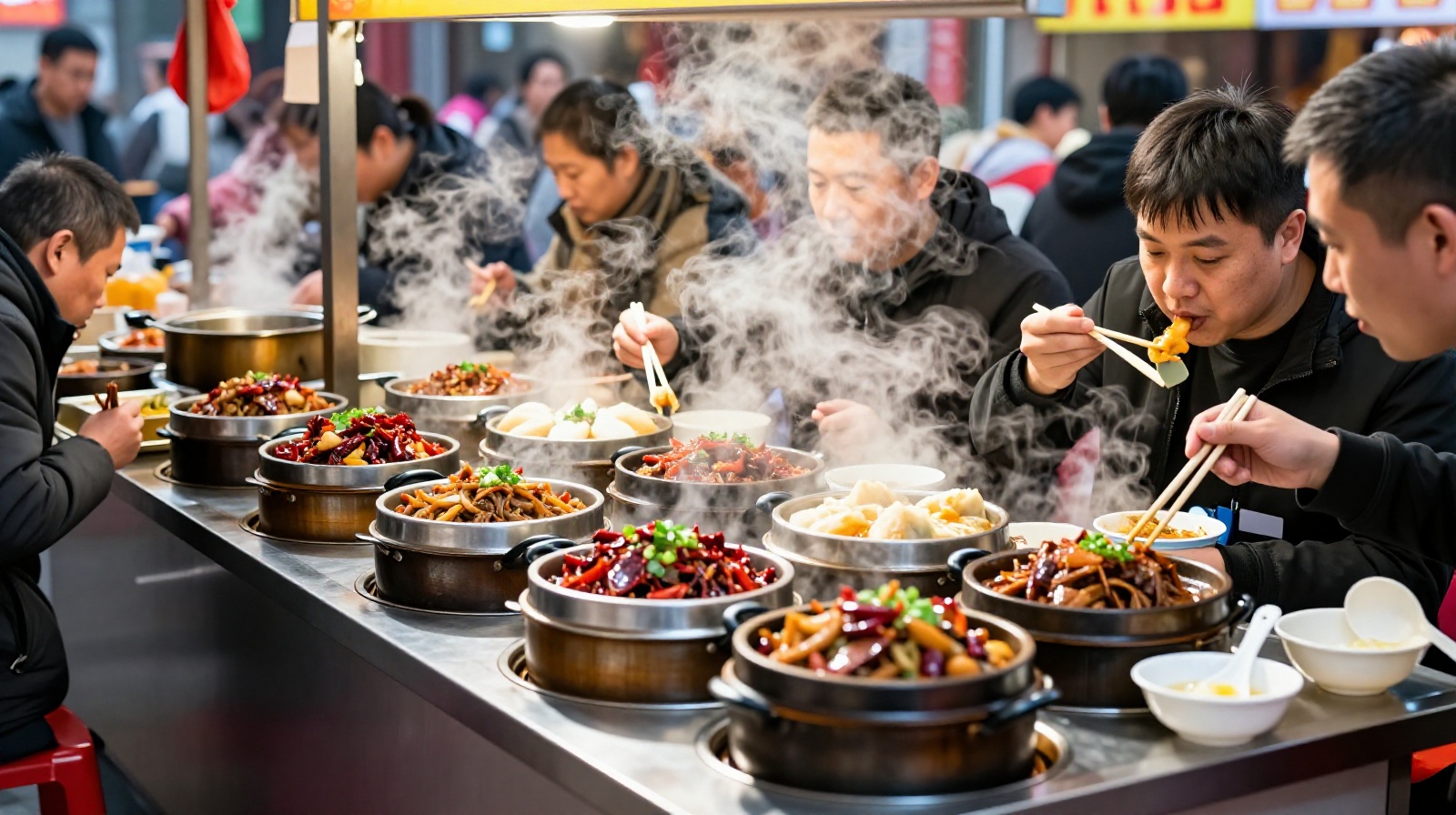
If you ask a stranger on the street in Beijing, Shanghai, or Guangzhou about Chinese food, they might all agree on one thing: it’s delicious. But ask them to describe the “heat,” and the map splits instantly. For many Westerners, the biggest misconception is that China is a monolith of chili peppers. In reality, walking from north to south feels like traveling through different culinary planets.
It started for me with a simple lunch order in Chengdu. I confidently told the waiter, “Just a little spicy.” The bowl arrived steaming red. By the time I finished the first bite, my eyes were watering, and my nose was running. Was this normal? Turns out, to a local, “a little” means something entirely different than what you imagine.
The Northwest: Where Heat is a Side Dish
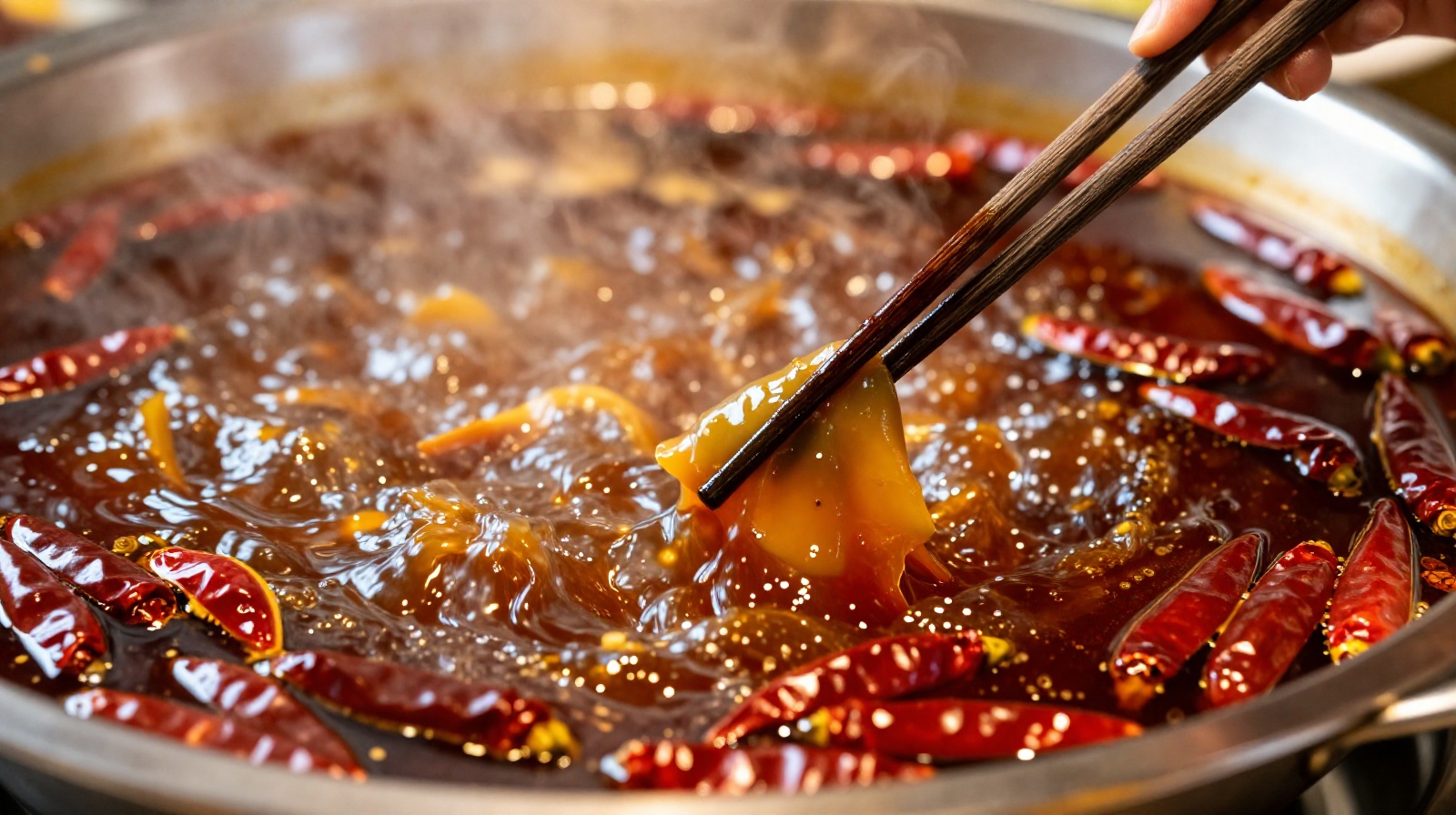
Head north from the Yangtze River, and the chili peppers take a backseat. In Shaanxi province, famous for its hand-pulled noodles (Lamian), the food is savory, hearty, and often thick with garlic oil.
I remember sitting in a small alleyway restaurant in Xi’an. The air smelled of roasted cumin and toasted wheat. My bowl of beef noodles was rich and warm. There were chili flakes on the side for those who wanted to add heat, but the dish itself was about texture and savory depth, not burning your mouth off. For locals here, spice is an accessory, a personal choice you make at the table, not the main character.
In this region, the “heat” comes more from garlic and onions than peppers. It’s comfort food that warms you up during freezing winters, without needing to chase it down with gallons of water.
The Northeast: The Land of Big Portions and No Spice
Keep going north to the cold plains of Heilongjiang and Liaoning, where temperatures drop below zero for months. Here, the cuisine is defined by quantity and preservation, not heat.
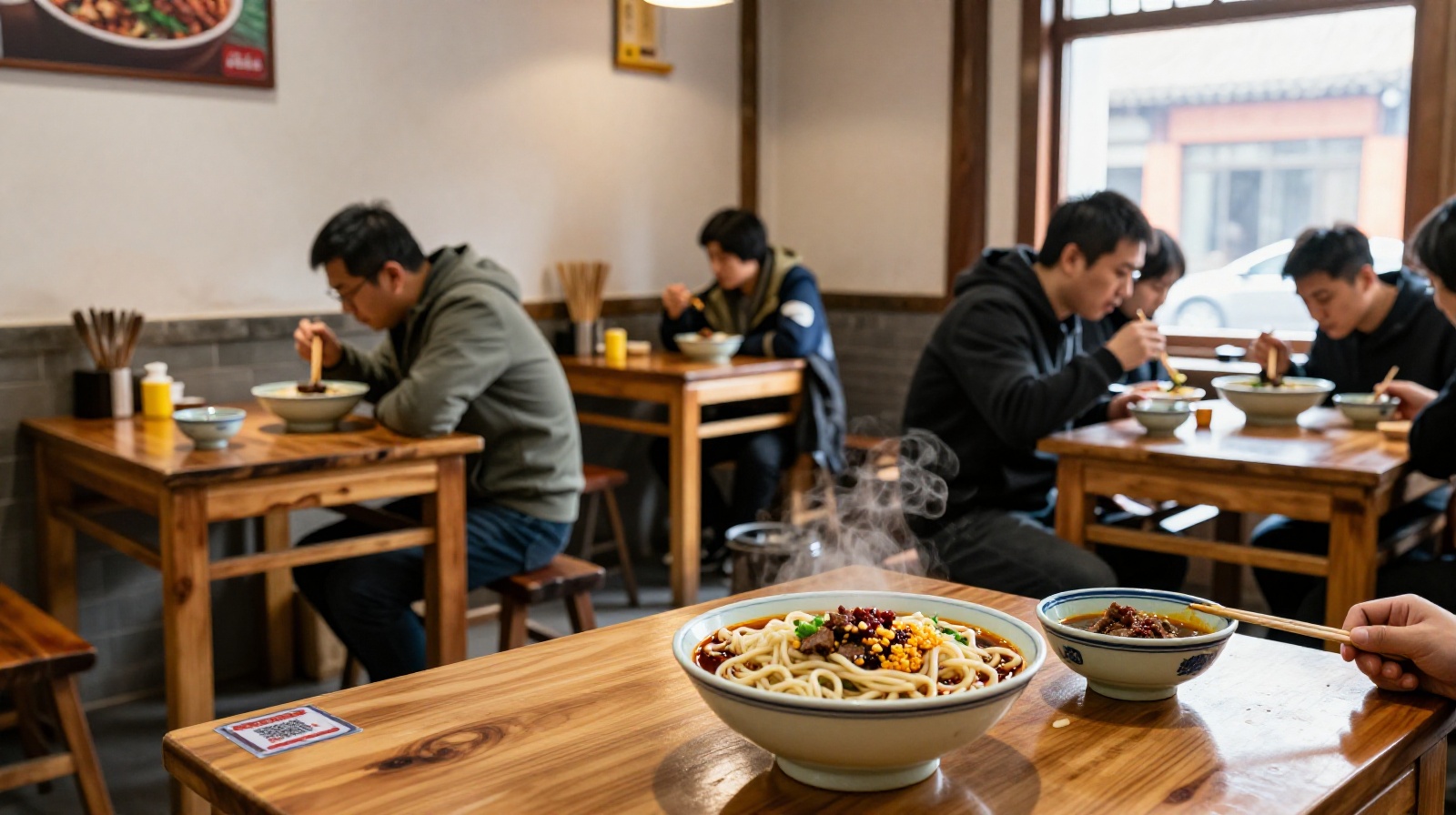
I watched a group of construction workers take their lunch break in Harbin. They ordered two massive stir-fries: pickled cabbage with pork belly and braised potatoes. The plates were so big they looked like dinner platters for a family of ten. The food was salty, fatty, and incredibly filling.
Try asking for “spicy” here, and you might get confused looks. The flavor profile relies on soy sauce, vinegar, and the natural sweetness of root vegetables preserved through winter. It’s the kind of food that makes you feel heavy and happy, a stark contrast to the light, spicy dishes found further south.
The Southwest: The Spicy Heartland
Now, let’s get to the part most foreigners expect: Sichuan and Hunan. This is where the chili peppers are king.
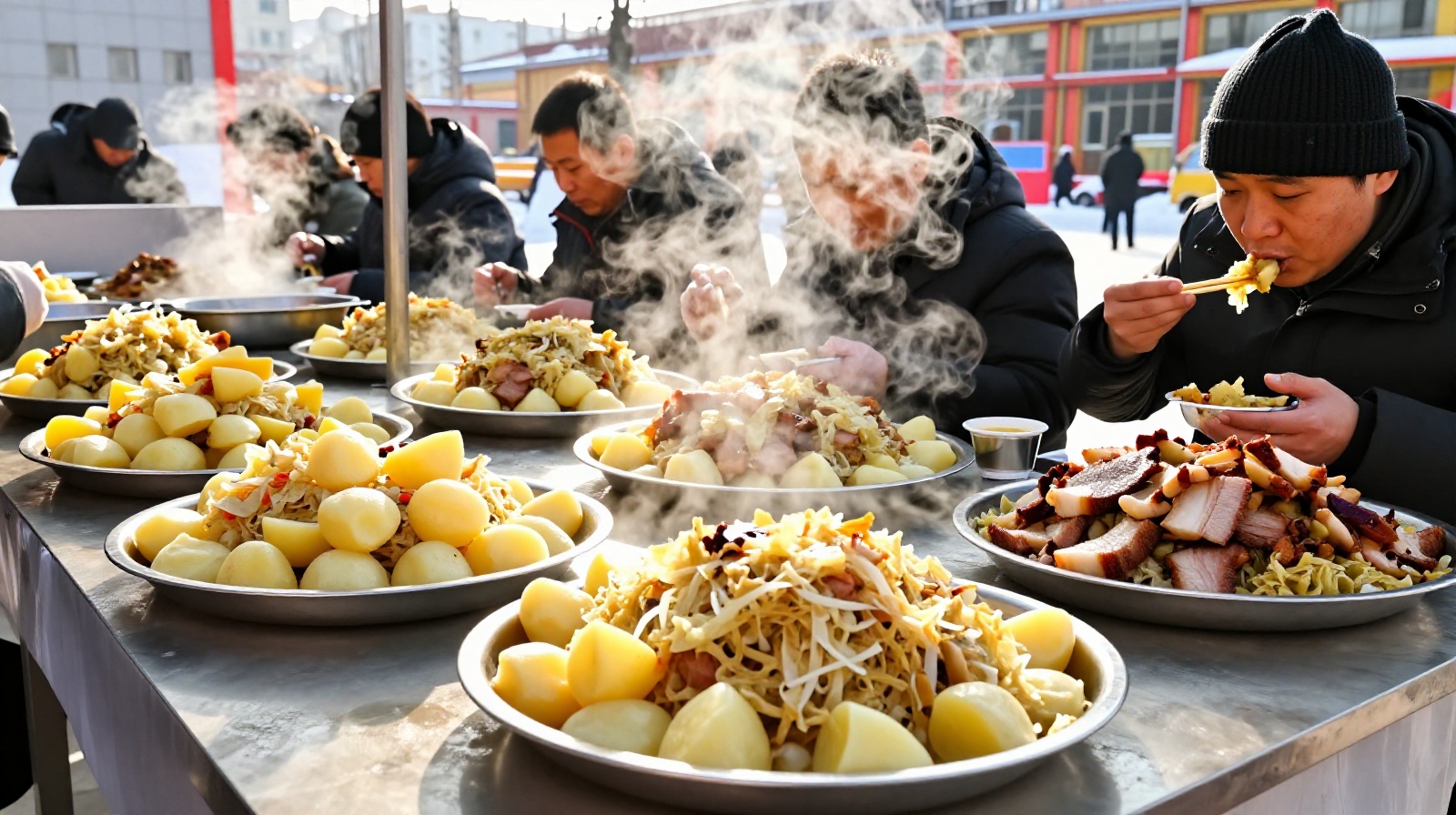
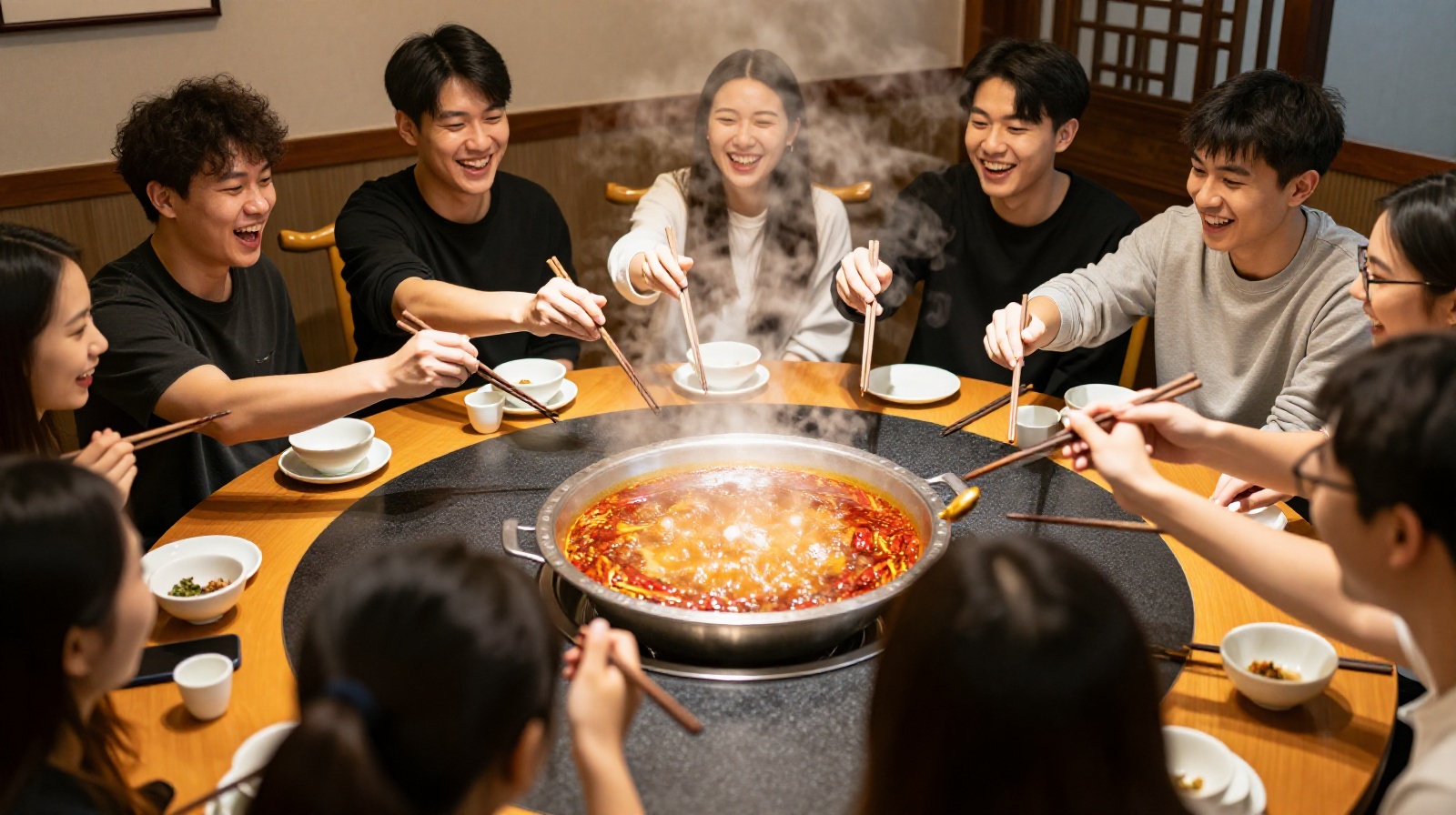
In Chengdu, a trip to a hotpot restaurant feels like an event. You sit around a bubbling pot of red oil, dipping everything from tripe to lotus root. The heat here isn’t just about pain; it’s complex. Sichuan cuisine uses “mala” (numbing spice) from the famous Sichuan peppercorn. It tingles on your tongue, creating a sensation that is both shocking and addictive.
But don’t let the reputation fool you. Even in this spicy heartland, there are mild dishes for children or those who can’t handle the burn. The key is communication. Telling a chef “very spicy” usually means they will add enough to make your lips swell. Ordering “wei la” (mildly spicy) might still leave you sweating, but it won’t turn your meal into a punishment.
South China: The Gentle Flavor of the South
Cross back over the Yangtze and head south to Guangdong (Canton), Fujian, and Zhejiang. Here, the culinary philosophy shifts again. The goal is often to highlight the natural flavor of fresh ingredients.
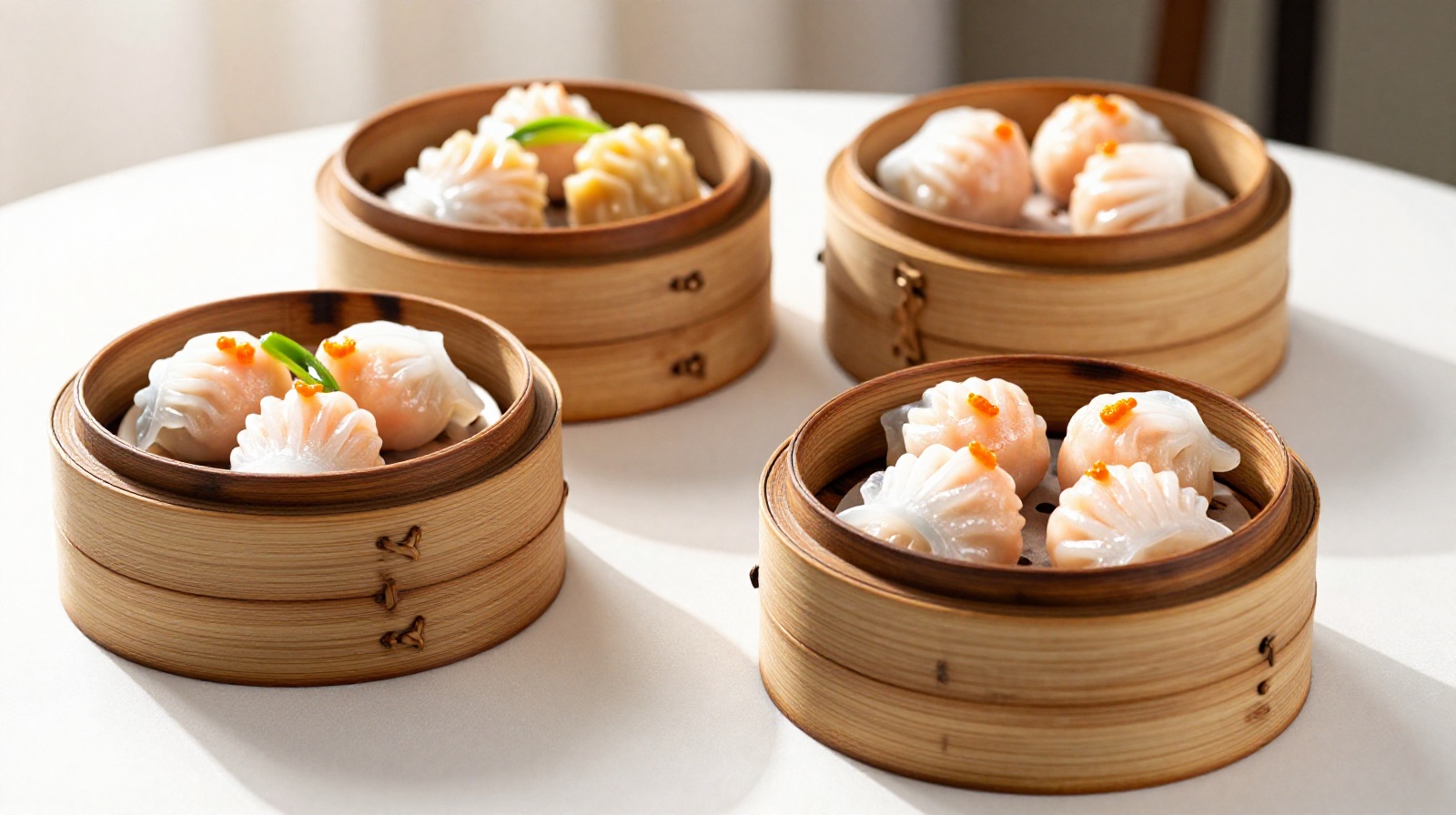
In a dim sum restaurant in Guangzhou, silence reigns as steam rises from bamboo baskets. Steamed shrimp, delicate buns, and braised pork are served with soy sauce and vinegar on the side. You can add chili if you want, but it’s rare. The food is light, fresh, and sweet.
I met a local grandmother here who explained, “We don’t need to cover up the taste of fresh fish with heavy spices.” This philosophy extends to street stalls selling rooster soup or fried rice cakes. It’s a reminder that while chili peppers dominate headlines, a huge part of China eats quietly and subtly.
How to Order Without Suffering
So, how do you survive the Chinese food map without ending up in tears? The secret is knowing your dialect or using simple gestures. If you are eating with locals, just ask: “Can it be made less spicy?” (Shao la).
If the menu doesn’t have a picture of what “la” means to you, ask for a small portion first. Most restaurants will adjust the oil and peppers if you politely express your limit. It’s all about balance.
China isn’t just one flavor. It’s a continent-sized buffet where every region has its own rules for heat. Whether you love the numbing tingle of Sichuan or the savory warmth of Xi’an, there is a seat at the table waiting for you. The only challenge is deciding which bowl to pick first.