


The Wall of Filters: When the Feed Replaces Reality
Li Wei, a 28-year-old graphic designer in Chengdu, wakes up to her phone. Like millions across China, her morning scroll is a curated stream of viral videos, shopping deals, and personalized news. The algorithm knows she likes indie coffee shops, so it feeds her nothing but aesthetics. But last month, Li felt a strange hollowness. She realized she couldn’t describe the street outside her window without asking Google Maps, nor could she recall a conversation that didn’t start with a trending hashtag.
This is not unique to China. Yet, in a country where digital penetration exceeds 75% and super-apps like WeChat integrate everything from banking to voting on community issues, the line between the “real” world and the “digital” world feels blurrier here than almost anywhere else. As an observer living in Beijing for five years, I’ve noticed a counter-movement: ordinary people actively breaking out of these digital bubbles.
Walking Without GPS: The Suburbs of Intuition
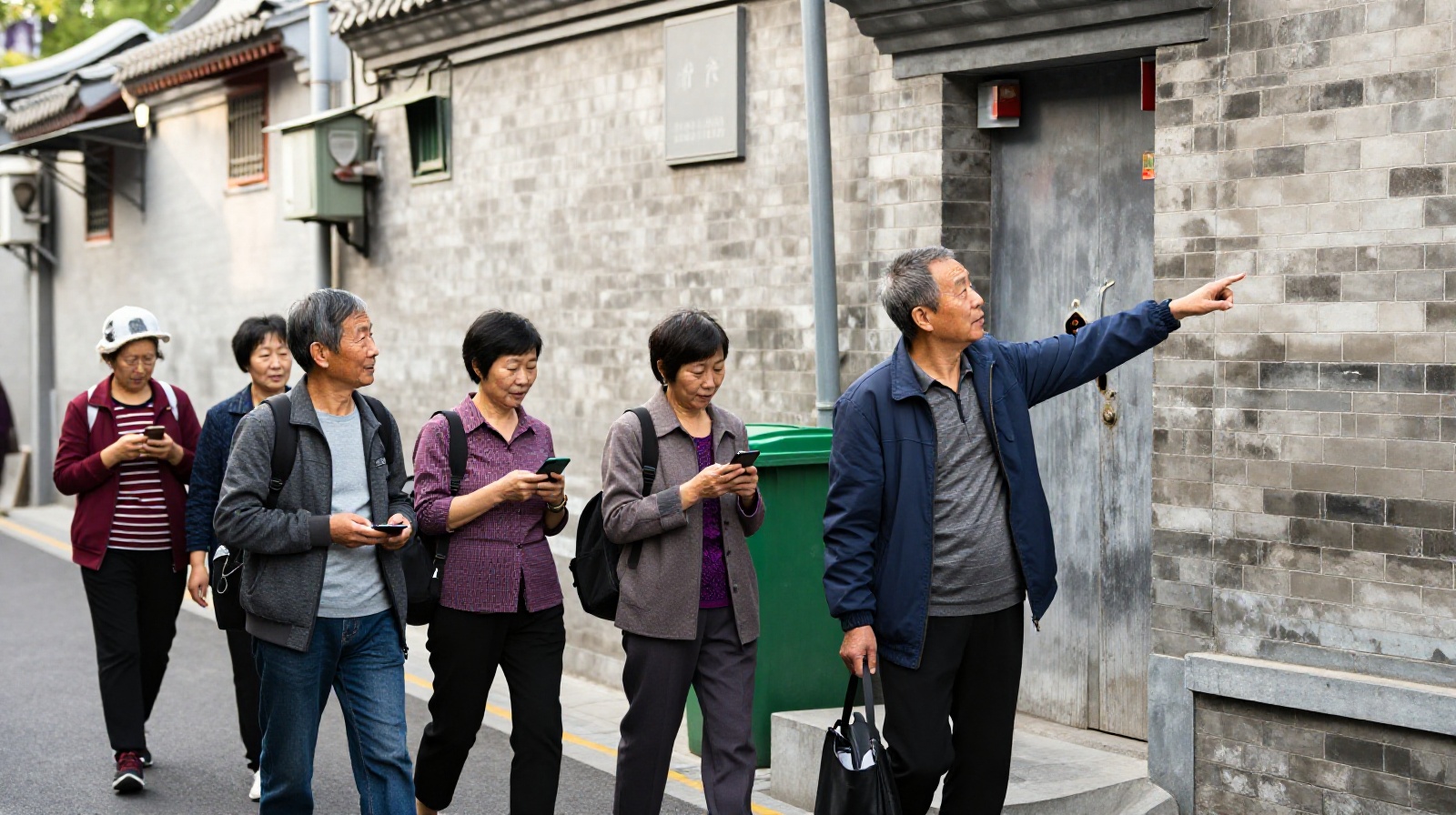
In the sprawling suburbs of Beijing, where high-rises rise like concrete forests, many residents are rediscovering navigation without apps. Unlike in Western cities where walking is often a secondary option, here, walking is a primary mode of transport. But for years, even locals relied on smartphone GPS to navigate alleyways (hutongs) that have no names.
Recently, I watched a group of retirees in the Chaoyang district practicing “old school” navigation. They didn’t use maps. Instead, they followed landmarks: a specific green trash bin near a noodle shop, a cracked pavement tile by the community center, or the smell of charcoal grilling from a stall down the lane. One man told me, “The app tells me how to get there fast. But my memory tells me where I’ve been.”
For Western readers used to relying on Google Maps for every turn, this might seem inefficient. However, it represents a shift toward embodied knowledge. These people are relearning the texture of their city—the smell of rain on hot asphalt, the sound of local dialects mixing in markets. It’s a rejection of the algorithmic shortcut that strips away the sensory details of daily life.

From Screens to Steam: The Coffee Shop Rebellion
In Chengdu, known as a city of leisure, a new social norm is emerging among young professionals. While digital nomads and tech workers are famous for their screen-addiction, local cafes are seeing a different trend. “No-phone zones” or “phone stacking games” (where everyone puts their phone in the middle of the table; the first to check it pays the bill) are becoming popular.
Take 24-year-old Zhang Lin, who works in e-commerce. She admits that her job requires constant scrolling. But on weekends, she meets friends at a small, dimly lit cafe near the Jinjiang River. They don’t take photos for Instagram or WeChat Moments. They argue about politics, share anxieties about housing prices, and watch the sunset without a filter.
This isn’t a rejection of technology itself—Zhang still uses her phone to order food and pay bills seamlessly. It’s a conscious decision to reclaim the human element. In China, where social pressure to be productive is immense, taking time for unstructured, unrecorded conversation feels like an act of rebellion. It proves that while algorithms can optimize efficiency, they cannot replicate the messy, unpredictable nature of genuine connection.
Technology as a Tool: Stories from the Frontlines
The narrative often portrays Chinese technology as cold and controlling. But look closer at rural e-commerce or smart hospitals, and you see people using tech to solve very human problems.
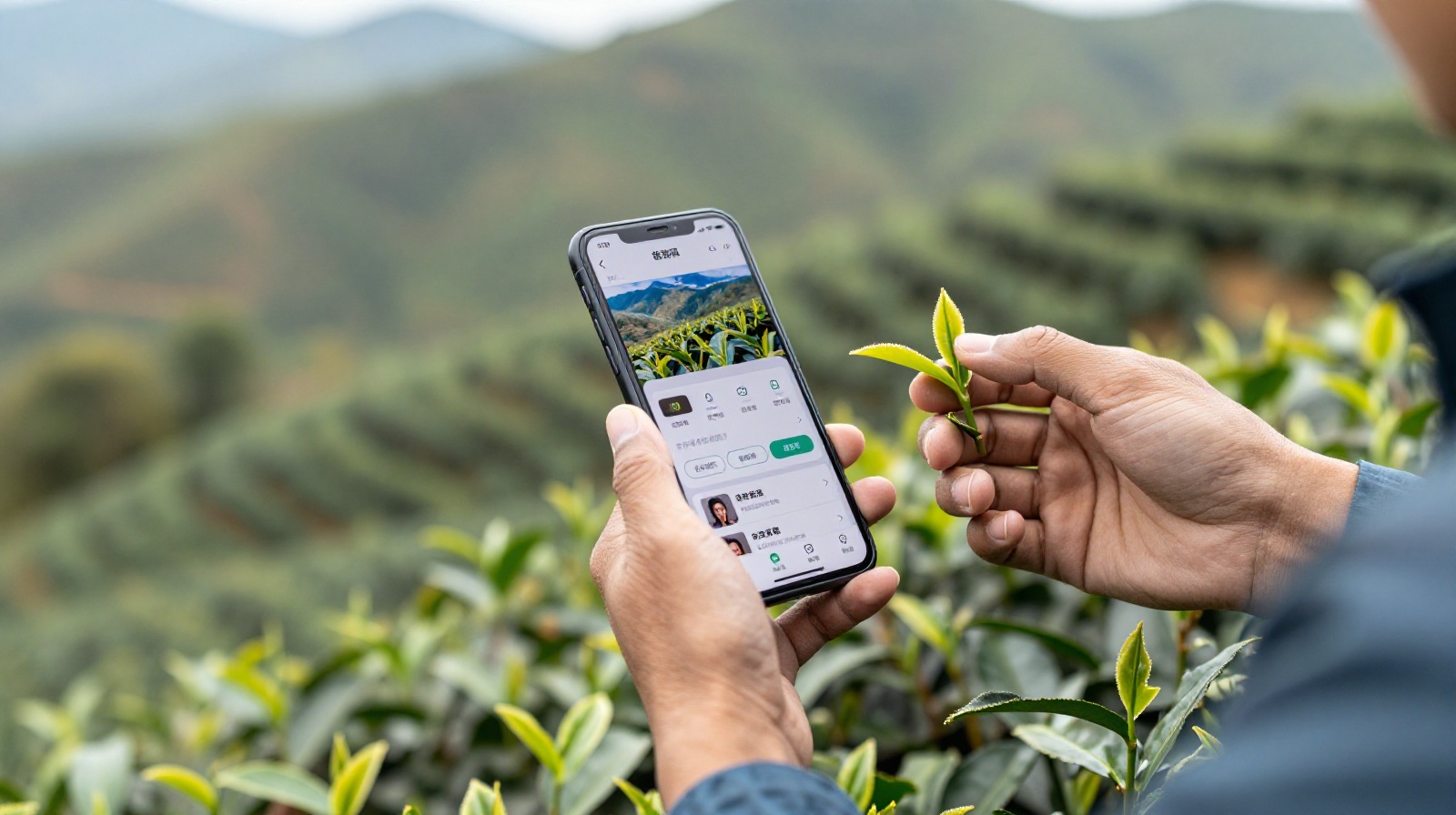
In a village in Guizhou province, farmers no longer wait for middlemen who underpay them. Using simple apps on basic smartphones, they sell organic tea directly to consumers in Shanghai and Beijing. The algorithm here isn’t pushing ads; it’s connecting supply with demand, giving the farmer agency. They still walk their fields, smell the soil, and make decisions based on traditional knowledge enhanced by real-time data.
Similarly, in a public hospital in Shenzhen, patients use apps to book appointments and view lab results instantly. But what stands out is the human interaction that follows. The doctor doesn’t just read the screen; they explain the results face-to-face, often using simple analogies. Technology handles the logistics; the doctor handles the care.
This distinction is crucial. In many Western debates, technology and humanity are seen as opposing forces. In China’s daily reality, for millions, tech is a scaffold that supports human goals, not a master that replaces them. The challenge isn’t to turn off the phone, but to remember who is holding it.
The Quiet Revolution: Community and Street Level
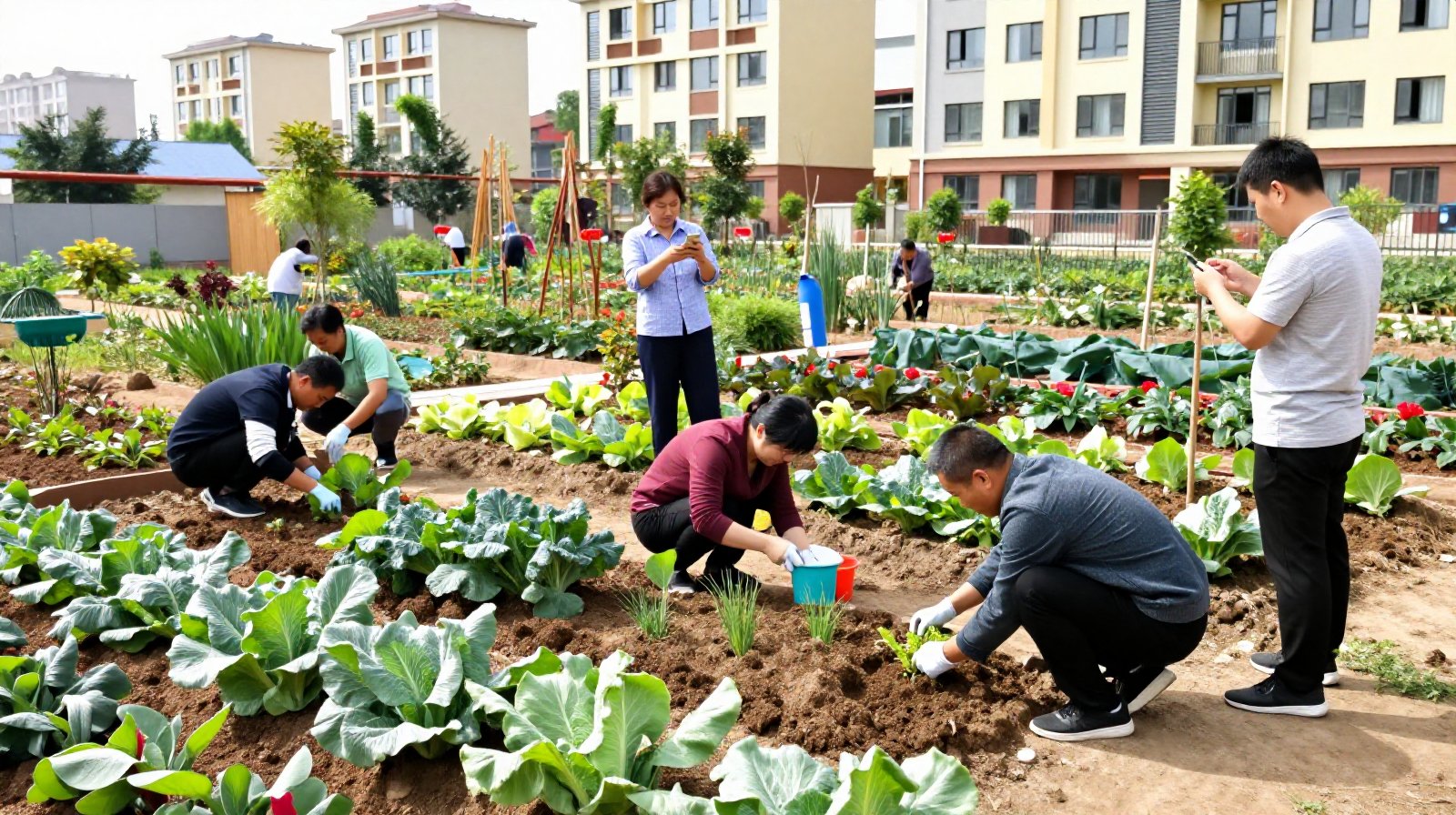
Perhaps the most profound shift happens at the neighborhood level. In many Chinese residential compounds (xiaoqu), community governance is a blend of traditional mutual aid and modern digital coordination. Unlike the often impersonal HOA systems in the US or fragmented management in Europe, Chinese communities often feature active “grid managers”—local volunteers who know every resident’s name.
During the pandemic, these networks proved essential, but their legacy remains. Today, I see them organizing community gardens where residents grow vegetables together, or coordinating street cleaning schedules that respect local rhythms. They use WeChat groups to organize events, but the events themselves are physical: dumpling-making contests, elderly health checkups, and neighborhood block parties.
For an outsider, this might look overly organized or even intrusive. But for the residents, it provides a sense of belonging that digital life often lacks. It’s a reminder that while algorithms can curate your news feed, only human neighbors can curate your safety net.
Finding the Human Core
So, how do you find the real China? It’s not in the viral videos or the futuristic skylines of Shanghai. It’s in the grandmother who walks to the market without a map, the young professional who turns off her phone for an hour, and the farmer who uses an app to sell tea but still smells the soil.
As global society grapples with the effects of algorithmic isolation, China offers a unique laboratory. It shows that technology is not destiny. The same tools that create filters can also be dismantled by human will. The “Real China” isn’t a place you visit; it’s a practice you adopt—choosing to look up, to walk without direction, and to connect face-to-face.