

The Kitchen Without a Sign
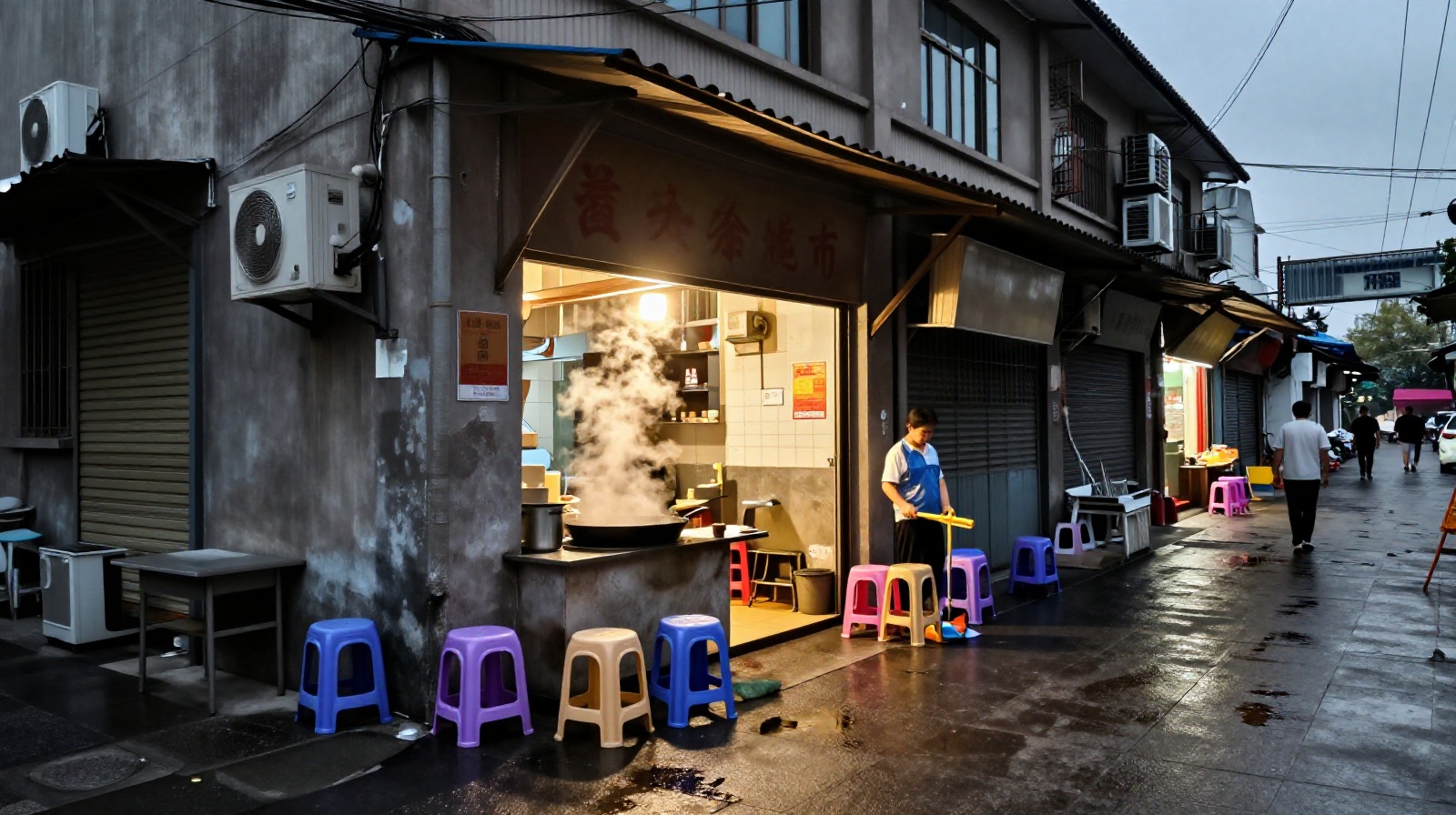
Imagine walking down a narrow, humid alley in Shanghai at 6:30 PM. You aren’t looking for a restaurant with a neon sign or a reservation app. You are following the smell of braised pork belly and star anise drifting from a doorway no wider than a bicycle lane. There is no menu on the wall, only a chalkboard listing five dishes in Chinese characters that change daily based on what the market delivered that morning.
This is where the real magic happens. While global food critics chase Michelin stars in glass-walled temples of cuisine, millions of diners are crowding around plastic stools in these tiny spaces. Here, the “chef” might be Li, a 68-year-old retired factory worker who spent forty years mastering the art of red-braising in his own kitchen before opening this small spot to neighbors.
Why Home Cooking Beats High-End Dining
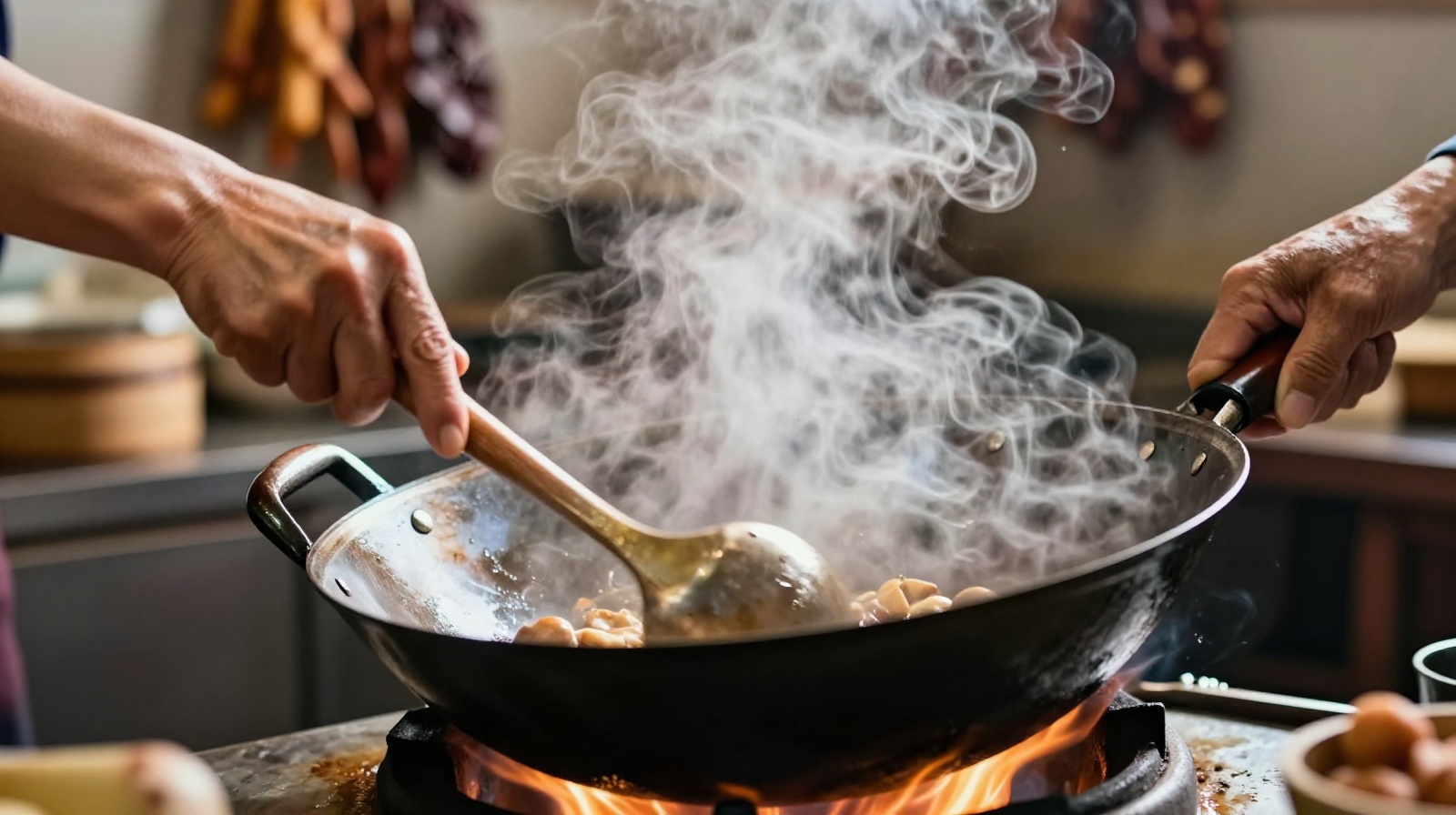
In China, the line between “home cooking” and “restaurant quality” is blurrier than you might think. Many of these alleyway spots are run by people who have cooked for their families or colleagues for decades. They don’t measure ingredients with scales; they taste, feel, and adjust based on years of muscle memory.
Take the dish known as “Hong Shao Rou” (red-braised pork). In a fancy hotel, it might be served in perfect cubes with a glossy glaze, looking like art. But here, Li serves chunks that are soft enough to fall apart with a spoon, rich and savory without being cloyingly sweet. The difference isn’t just technique; it’s the use of specific local soy sauce from a small village and wood-fired heat that mimics the old stoves of his childhood.
For locals, this is the benchmark. A meal isn’t judged by how fancy the plate is, but by whether it tastes like “home.” This standard forces these small kitchens to maintain an impossible level of consistency, often outperforming places with much higher ratings on their walls.
The Hidden Economy of Flavor
What makes these spots so special is the supply chain. While big restaurants rely on centralized distribution, these tiny kitchens buy directly from the wet market every morning. The vegetables are picked that day; the fish swims in a tank until the customer points at it.
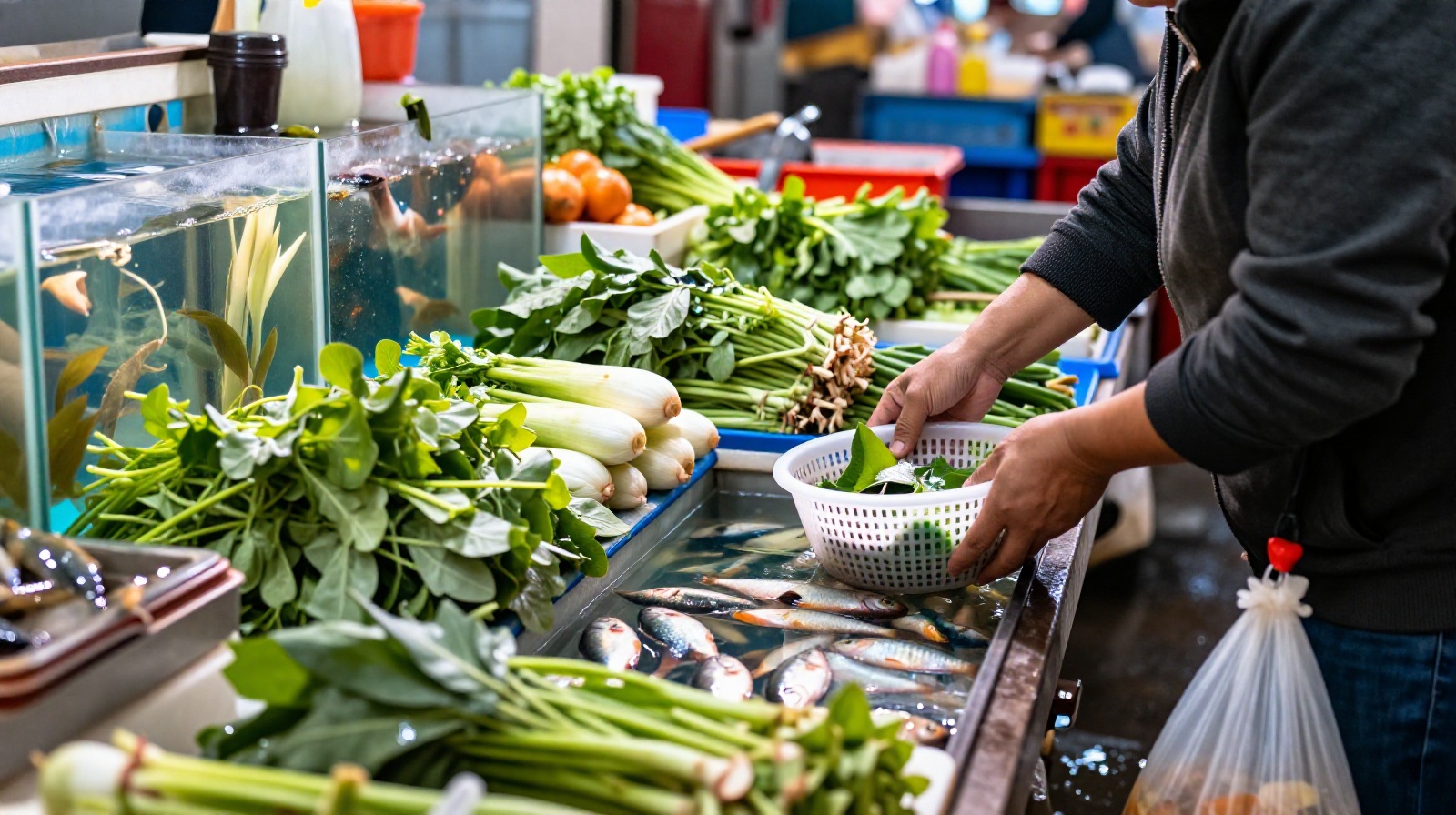
This freshness allows for techniques that require immediate attention. A stir-fry here is cooked over a flame so high it can singe your eyebrows, done in under two minutes to keep the vegetables crisp and the meat tender. This level of intensity is often scaled back in larger establishments due to safety regulations or equipment limitations.
And yes, you pay with your phone. Most of these tiny stalls don’t even have cash registers. You scan a QR code on a plastic table mat, and the transaction is done. It’s a seamless blend of ancient culinary tradition and hyper-modern payment technology that confuses first-time visitors but feels completely natural to locals.
A Cultural Shift in Dining
There is a growing movement among younger Chinese diners who are tired of pretentious fine dining. They prefer the authenticity of these alleyway kitchens. It’s not just about saving money, though prices are usually half that of a typical bistro. It’s about the atmosphere.
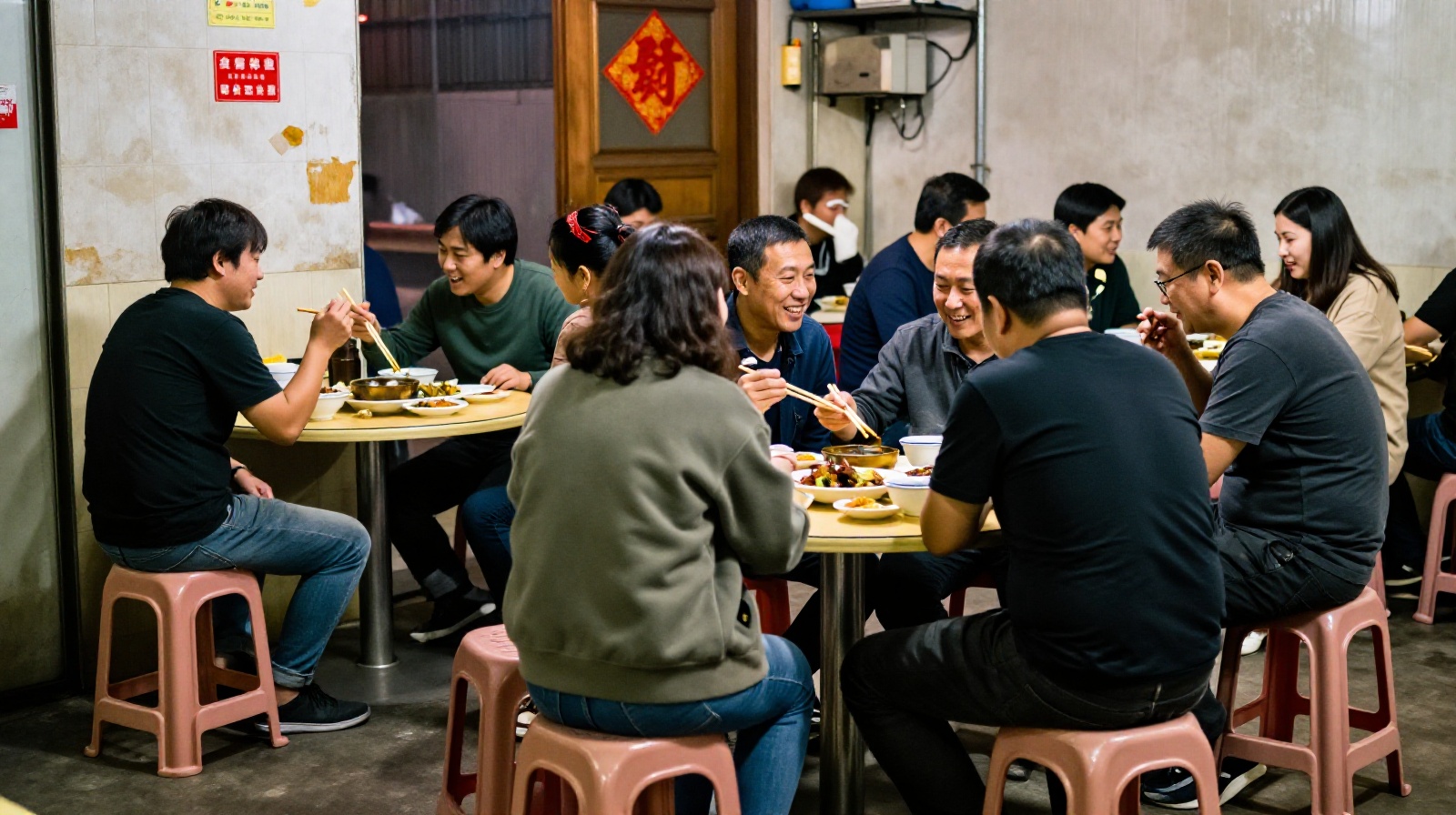
Sitting on those plastic stools, eating with chopsticks while neighbors chat in dialects you don’t understand, creates a sense of community that sterile dining rooms cannot replicate. The food becomes a bridge. You might not know the chef’s name, but everyone knows Li makes the best braised pork in the neighborhood.
So, if you visit China and want to find the “best” meal, skip the guidebooks with star ratings. Look for the crowds, the smell of smoke, and the open kitchen where the chefs move like dancers. That is where the true masterpieces of Chinese cuisine are waiting to be tasted.