

Not Just Smog, But Solutions
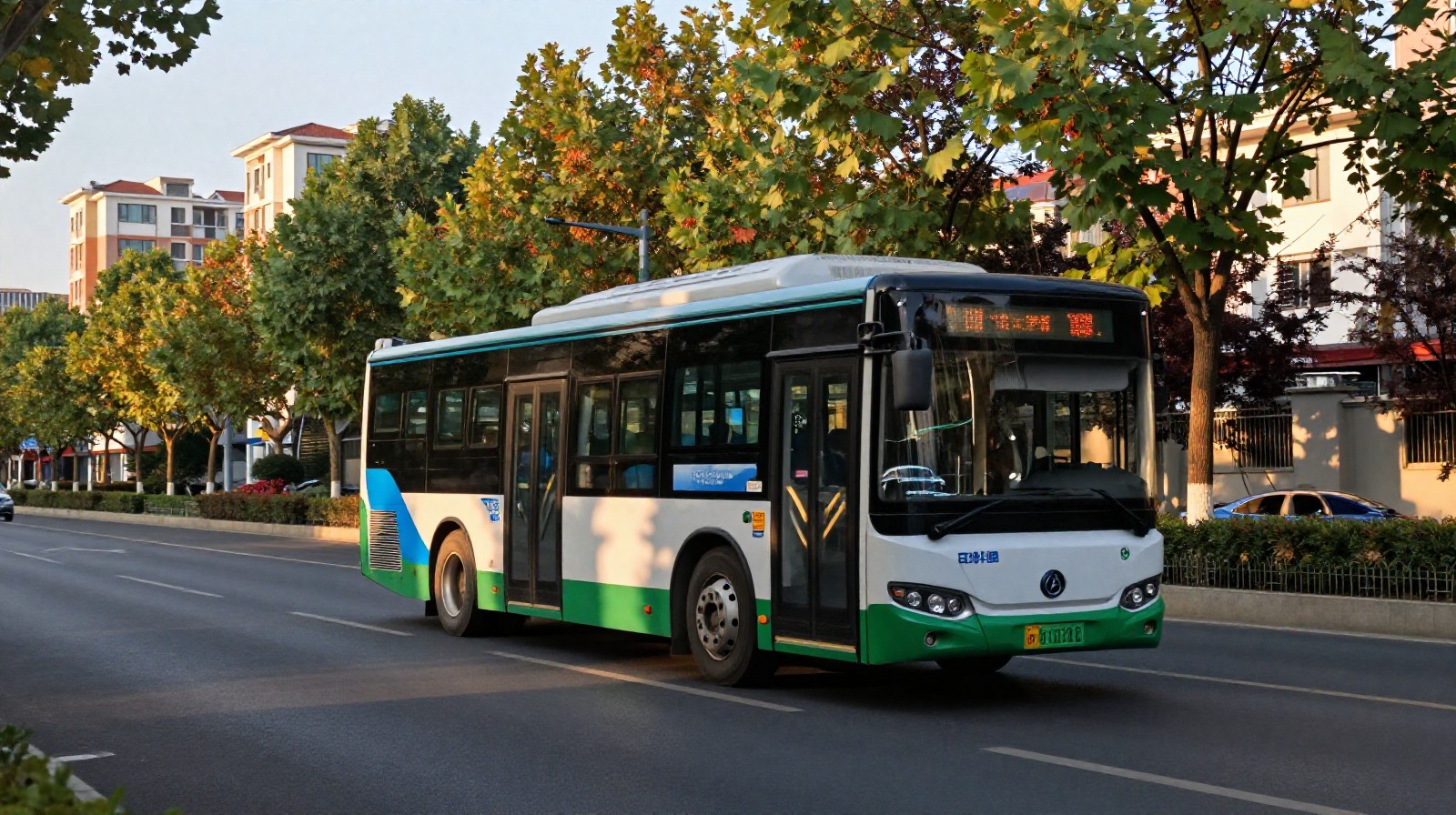
The first time I rode the electric bus in Chengdu last summer, I didn’t expect to be surprised. Most people I’ve met abroad still picture China as a place of heavy industry and gray skies. But sitting there on a Tuesday morning, watching the silent vehicle glide through streets lined with banyan trees, I realized something different was happening.
It wasn’t just about air quality improving; it was about how quickly the technology had become part of daily life. The driver didn’t roar like the diesel buses from ten years ago. There were no exhaust fumes. Just the hum of an electric motor and the soft chime announcing the next stop.

From Local Necessity to Global Export
Chinese green tech companies didn’t set out to “conquer” the world. They started by solving a problem at home that was too urgent to ignore. In cities like Beijing and Shanghai, smog levels hit dangerous peaks in the 2010s. This forced local businesses—like CATL for batteries or BYD for vehicles—to innovate faster than anyone else.
They built massive factories, not just for export, but to test their products under real-world pressure. When a bus runs 500 kilometers a day in freezing winters and scorching summers, you learn what works and what doesn’t. This “stress testing” on Chinese roads is now the standard for reliability that countries from Chile to Croatia are asking for.
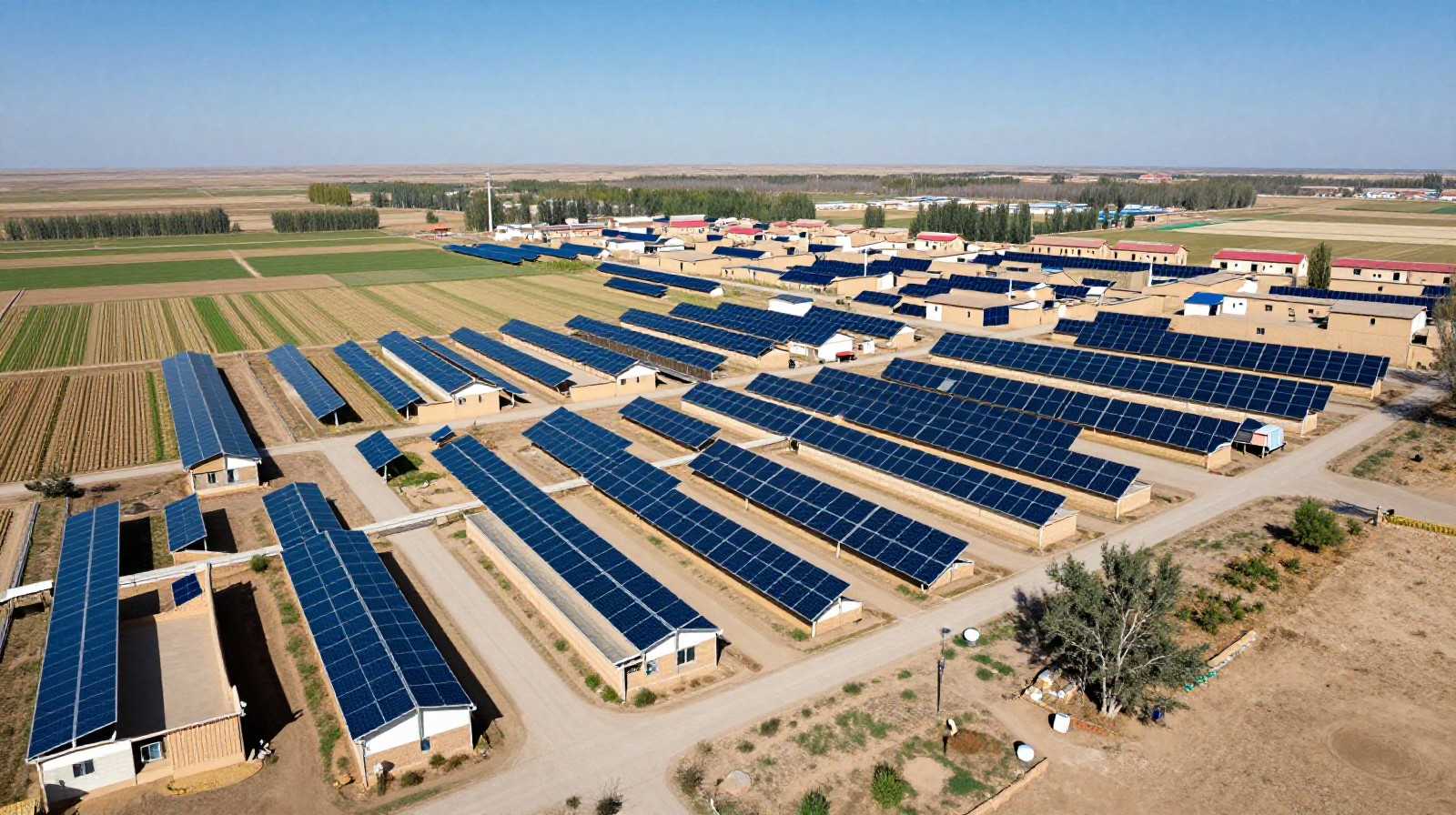
Take the solar panels you might see on roofs in rural Europe today. Many of them bear a logo from a company that started by installing grids in the dusty villages of Gansu province. The technology was refined where it mattered most: under extreme conditions.
The Quiet Revolution in Everyday Life
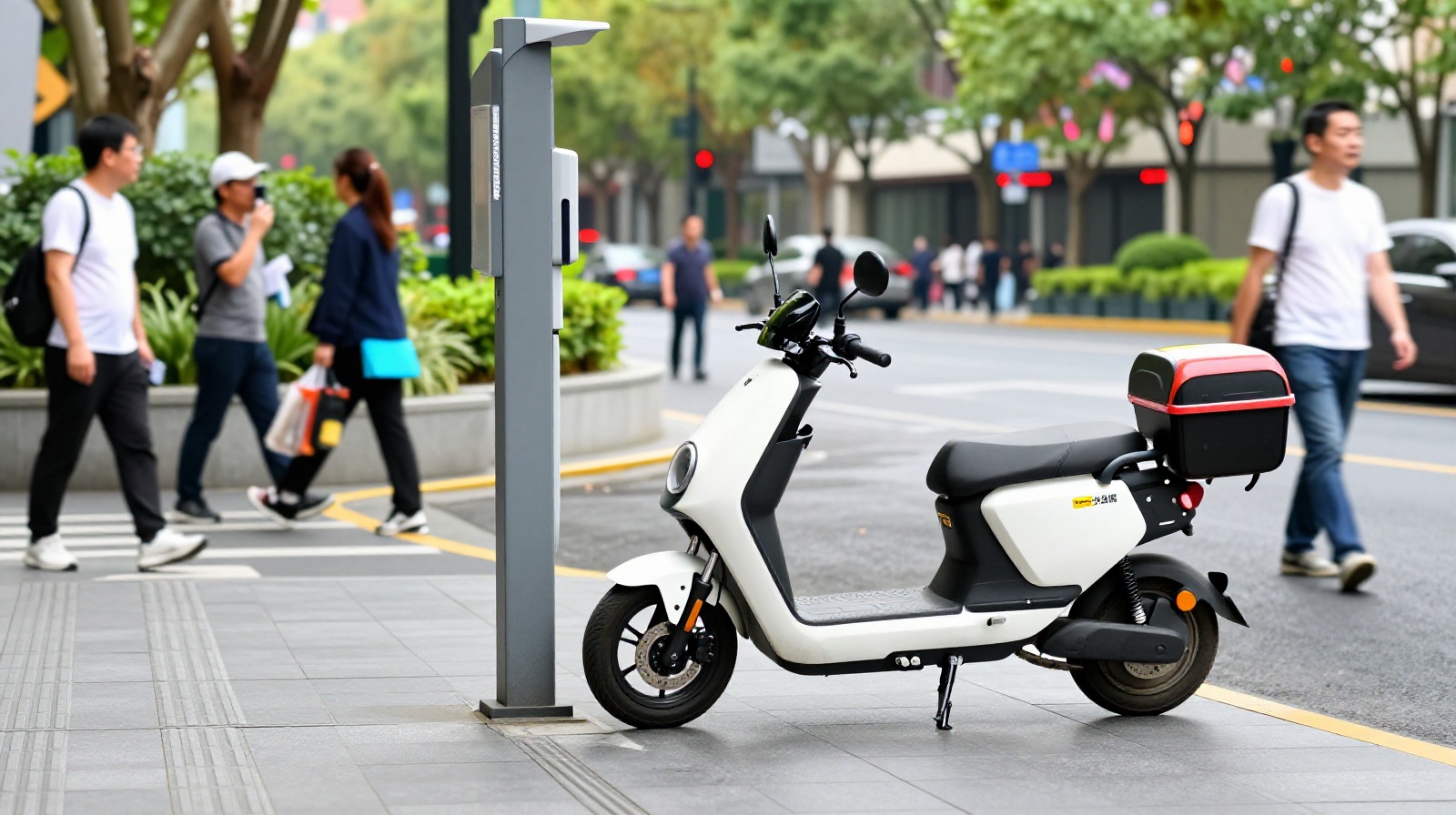
For ordinary people, the shift feels less like a corporate strategy and more like a change in the rhythm of life. In Shanghai’s Jing’an district, the streets are quieter. Delivery drivers zip by on electric scooters that recharge at smart stations built into street corners.
In neighborhoods across China, waste sorting has become as routine as brushing your teeth. Residents separate food scraps from recyclables not because a law forces them, but because the new bins and community rules have made it second nature. This cultural shift is something international partners are now trying to replicate in their own cities.
Winning Through Reliability, Not Hype
What makes these companies attractive globally isn’t just low prices. It’s the speed of deployment and the durability of the hardware. When a city in South America needs to electrify its bus fleet overnight, Chinese manufacturers can deliver the vehicles, install the charging infrastructure, and train the drivers within months.
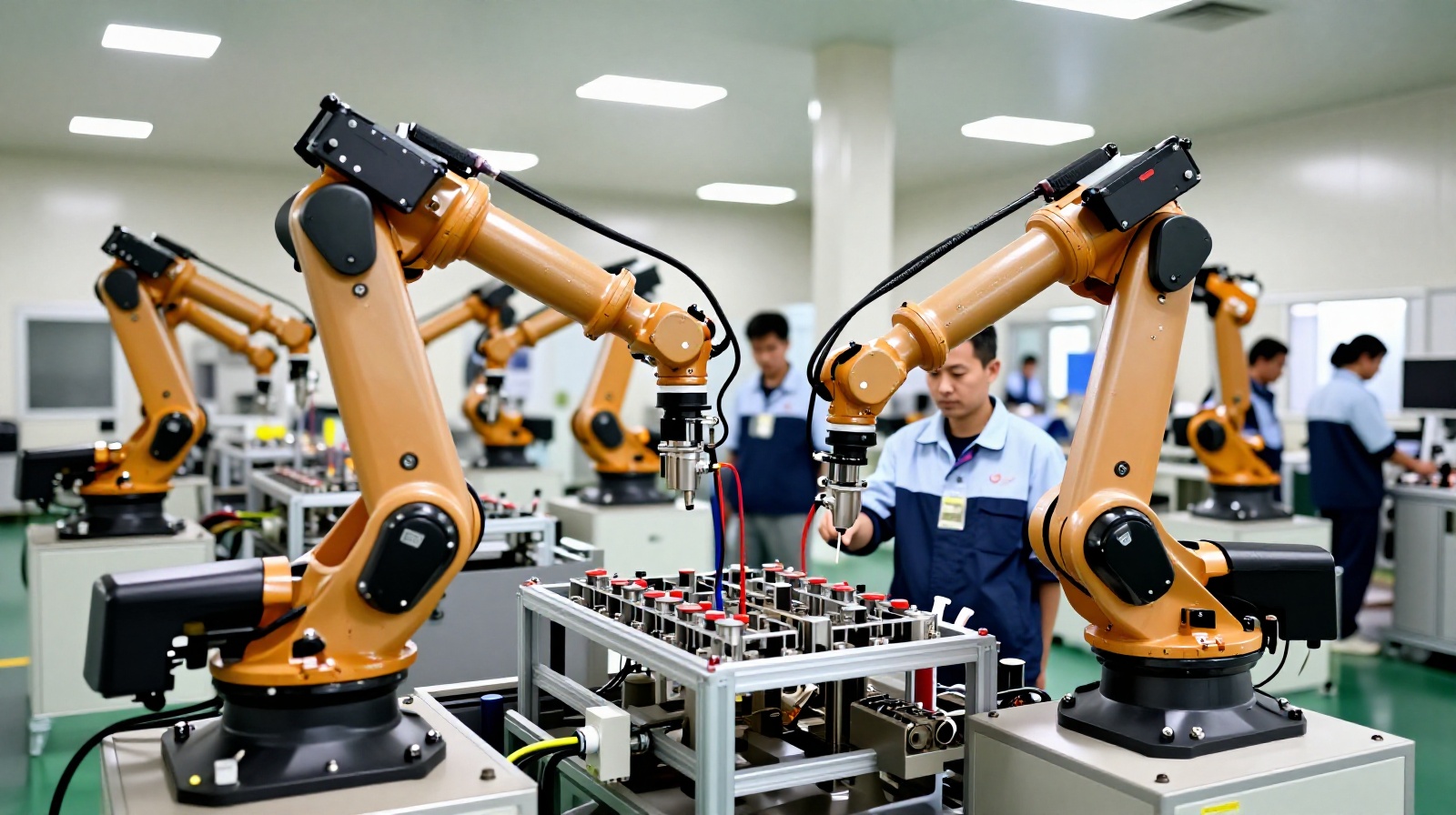
In London or Los Angeles, building that kind of system takes years of permits and bureaucracy. In China, the supply chain moves with a speed that feels almost magical to outsiders. A factory in Shenzhen can design a new battery model, build it, and ship it to Europe before the prototype even gets fully tested locally.
A New Kind of Partnership
Today, Chinese green tech isn’t just selling products; it’s sharing a blueprint for how cities can grow without choking on pollution. From smart grids in Africa to electric ferries in the Mediterranean, the technology is finding homes wherever there’s a need for cleaner air and faster transit.
The story of China’s environmental rise isn’t written in policy papers alone. It’s written in the breath of a child playing in a park, the silence of an electric bus, and the glow of solar panels on a roof in a developing nation. It shows that progress doesn’t have to be slow or expensive—it can be fast, affordable, and deeply human.