

Not Just Warriors: The Quiet Side of Shaanxi
If you ask a tourist where to go in Shaanxi, they will say Xi’an and the Terracotta Army. They have every reason to do so; it is magnificent. But if you walk away from the main square at 6 PM on a Tuesday, when the tour buses have finally left, the city changes. You can hear the sound of mahjong tiles clacking in a park, smell fried dough sticks frying in oil, and see an old man sweeping leaves not in front of a museum gate, but inside a temple that hasn’t been fully restored for centuries.
This is the Shaanxi I know. It is a province where history isn’t just behind glass cases or ticket booths; it is woven into the daily rhythm of life. While millions flock to see the famous warriors, locals often head to quieter corners to escape the noise, find shade under ancient trees, and connect with a past that feels more personal.
The Temple That Doesn’t Look Like a Tourist Attraction
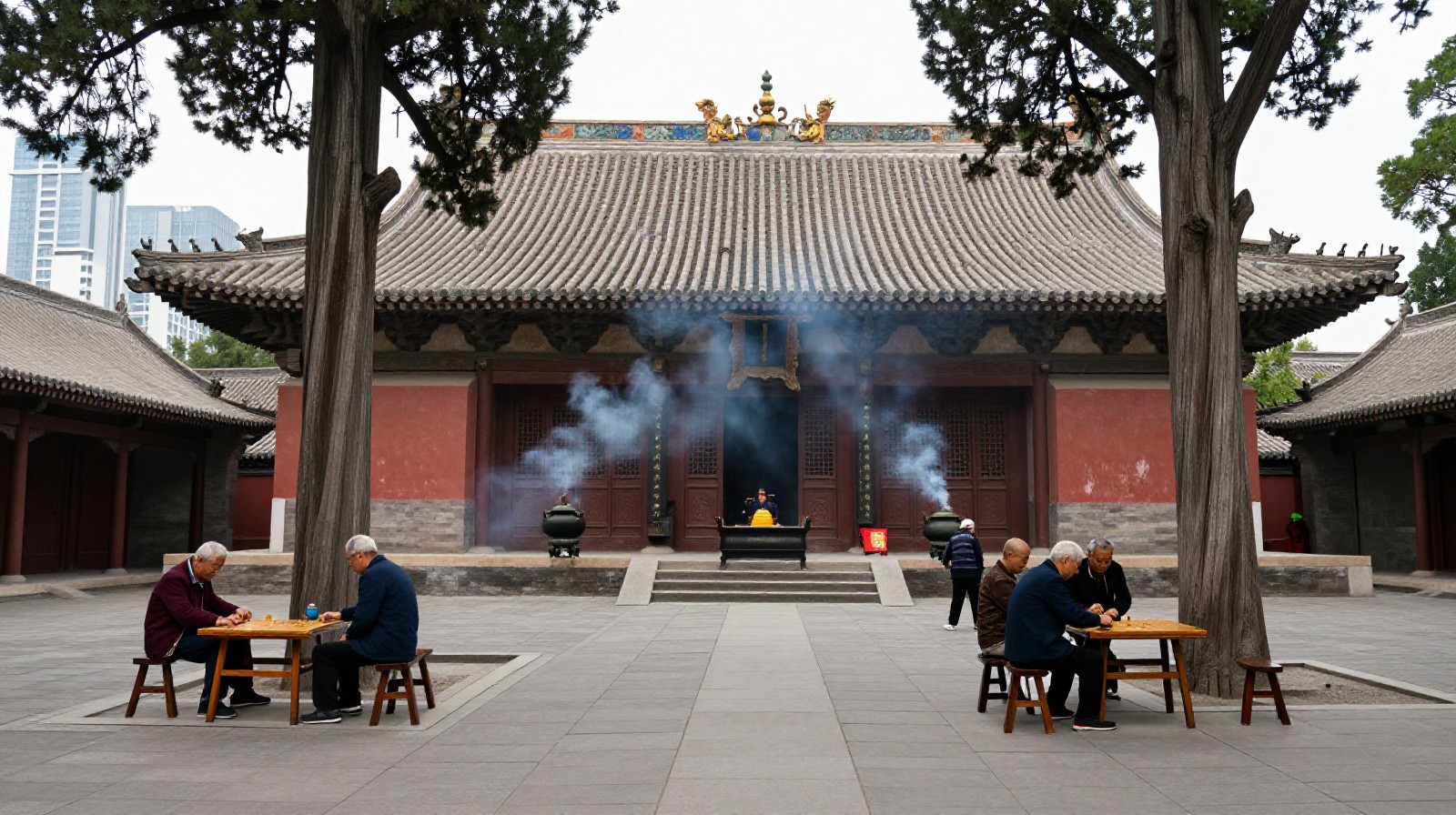
Let’s talk about the Qinglong Temple (Green Dragon Temple) in Xi’an. It sits right next to some of the busiest streets, yet it feels like a different world.
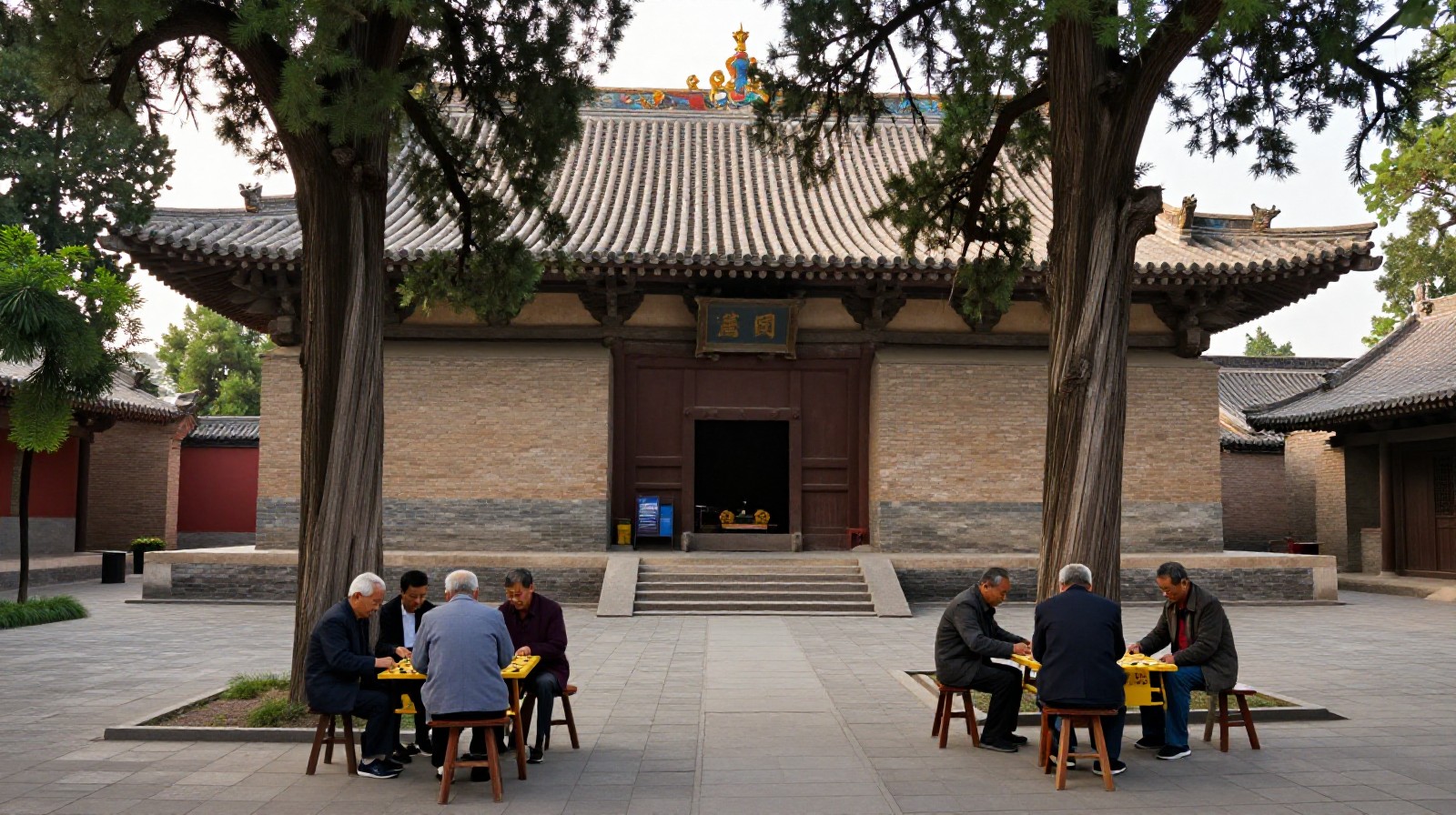
Unlike the polished plazas tourists expect, this place is a mix of active worship and neighborhood life. You will see grandmothers bringing incense for their grandchildren’s health. You might spot students taking a break from exams under the old cypress trees. The architecture isn’t pristine; it bears the scars of time—cracked tiles, weathered wood—but that imperfection is what makes it real.
Here, you won’t find souvenir stalls selling plastic replicas. Instead, there are small tea tables where elderly men play Go (Weiqi) for hours, arguing over moves in a low voice. The air smells of sandalwood and street food from the alley just outside. It is a living history museum, but one where the exhibits are people, not statues.
Walking Through Time in an Ancient County
If you have a day to drive out of Xi’an, skip the crowded historical sites on the highway. Instead, head south towards Huazhou Ancient City (Huaxian). It is often skipped by foreign travelers who think it’s just another walled city.
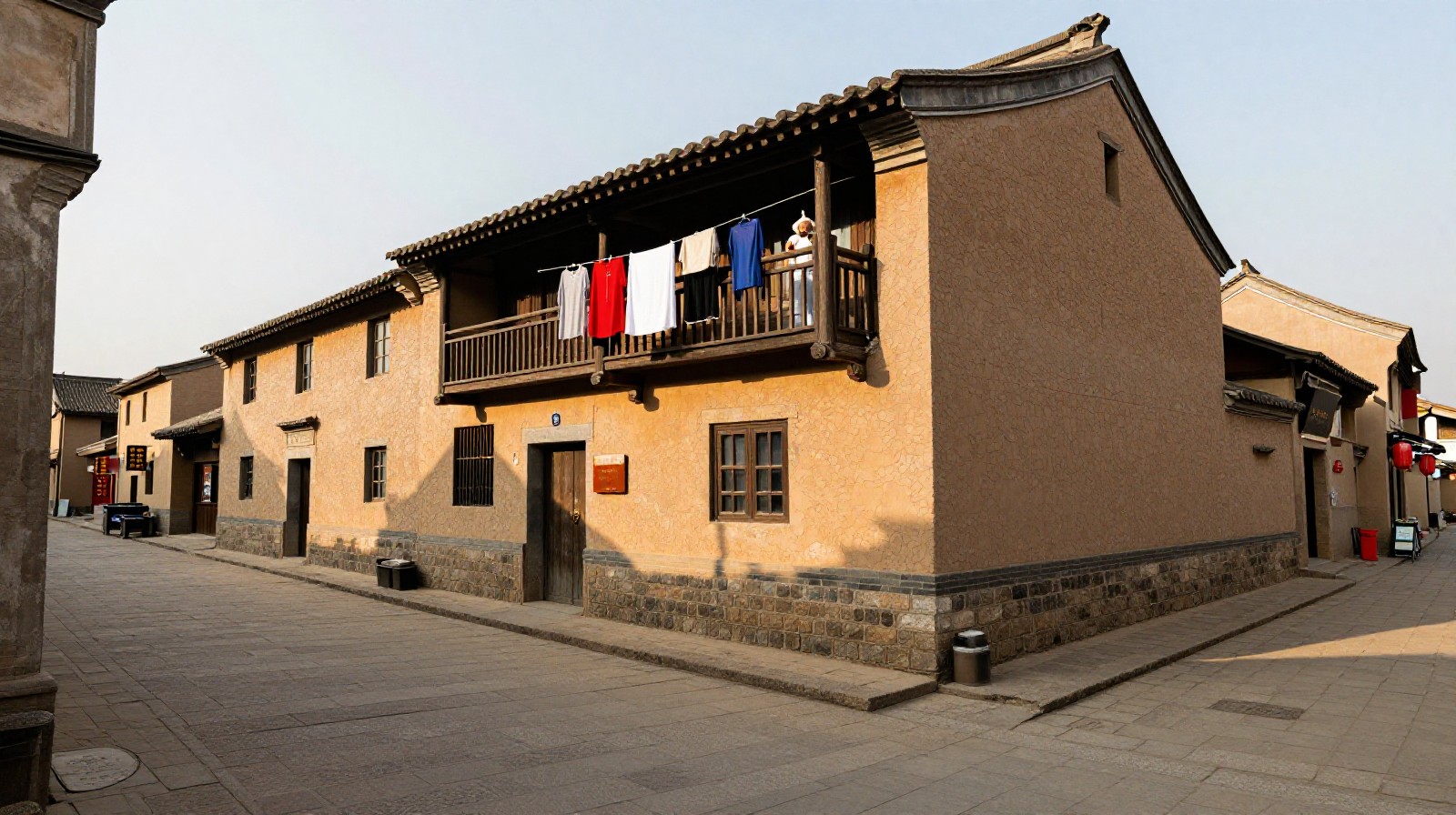
But walk through its back alleys, and you’ll find something rare: a town where life hasn’t been completely staged for cameras. The stone streets are worn smooth by feet that have walked there for 2,000 years. You will see locals hanging laundry on the ancient wooden eaves of two-story buildings. In the late afternoon, the sun hits the yellow mud walls, turning them a warm orange.
There is no entry fee to wander these streets unless you enter specific paid museums. Instead, there are small noodle shops that have been serving the same spicy beef noodles for three generations. The owner might not speak English, but he will smile and point to a steaming bowl, offering you a seat at his wooden table.
This is where you feel the weight of history. Not in a grand lecture, but in the texture of the stone under your feet and the taste of the food on your tongue.
The Pagoda That Touches the Sky (and the Clouds)
Everyone knows the Big Wild Goose Pagoda. It’s beautiful, yes, but it’s also a major tourist hub. For a different view, head to the Small Wild Goose Pagoda in Xi’an’s Qujiang area.
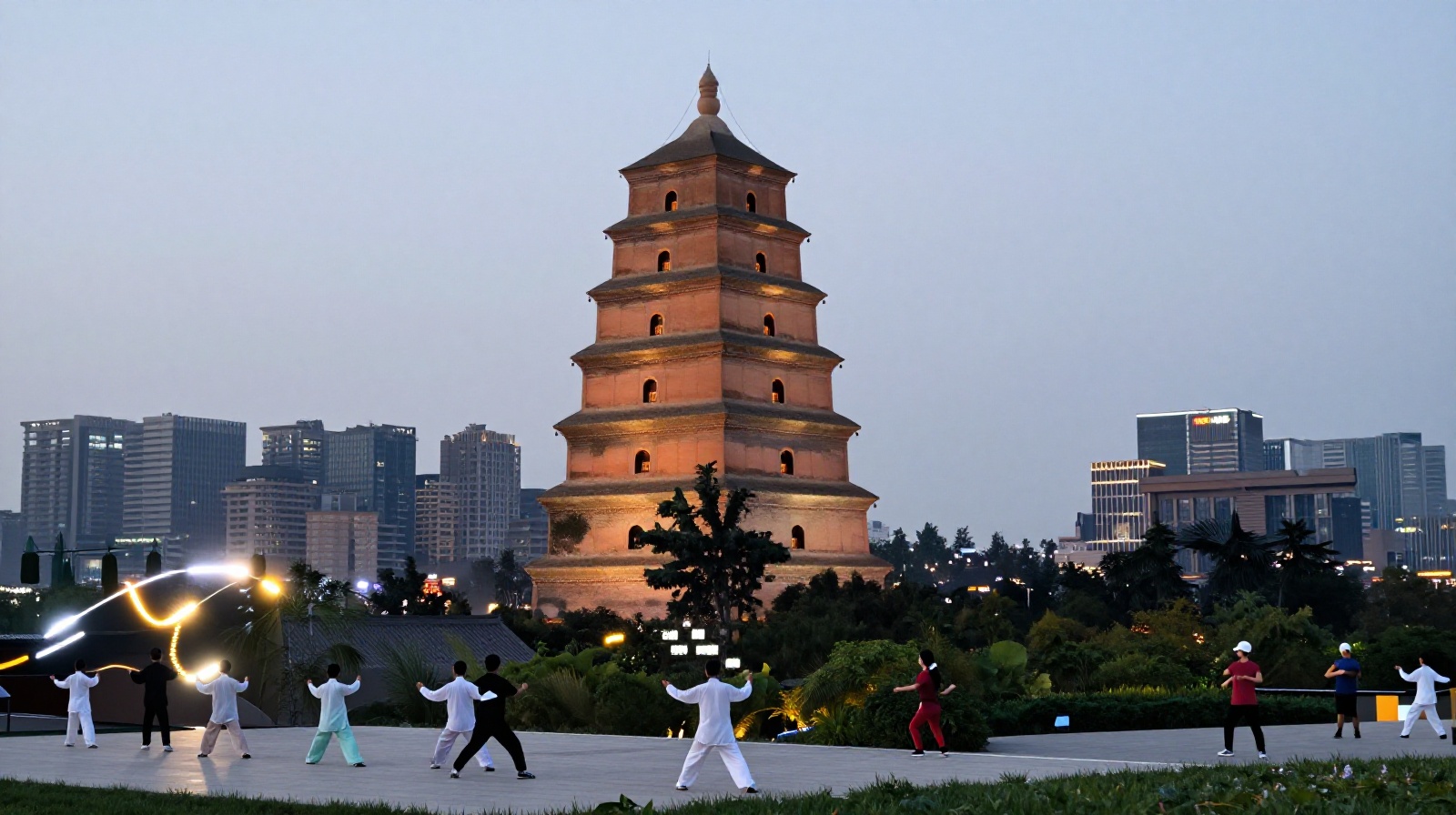
It sits inside a public park that doubles as a community fitness center. At 7 AM, you will see groups of people dancing Tai Chi, practicing sword forms, or simply jogging around the ancient brick structure. The pagoda itself is smaller and more fragile-looking than its famous cousin, but it has survived earthquakes and wars that destroyed others.
What makes this spot special for locals is the lack of barriers. You can walk right up to the base of the tower. There are no velvet ropes or security guards shouting “No Photos.” It’s just a quiet, green space where history stands as a backdrop for daily exercise.
In the evening, when the park lights come on, the contrast is striking. The ancient brick glows softly against the modern glass skyscrapers of Xi’an rising in the distance. It’s a visual metaphor for the city itself: deep roots meeting rapid growth.
Why Go Off-Path?
Visiting these hidden gems isn’t just about avoiding crowds; it’s about understanding how Chinese people relate to their own history. For many, the past isn’t something to be observed from a distance. It is something to live with, to eat under, and to pray beside.
You don’t need a guidebook or a tour group to find these places. You just need to walk away from the main attractions, ask a local where they get their morning tea, and follow the path that leads into the older parts of the city. The silence you find there is not empty; it is full of stories waiting to be heard.