

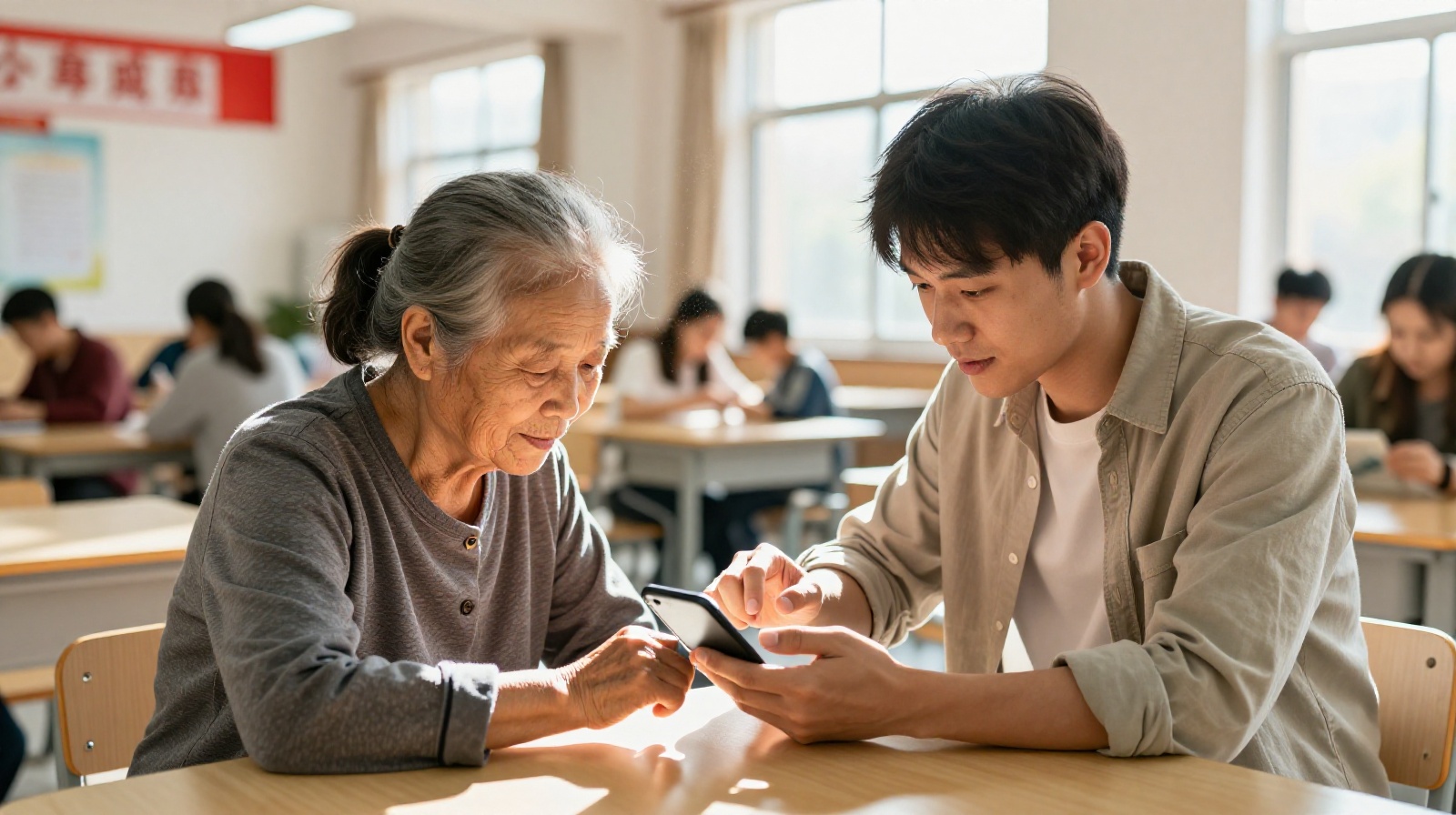
A Late Afternoon at the Community Center
The fluorescent lights hum softly in the community center in Beijing’s Chaoyang District. It is 4:30 PM on a Tuesday, and the room smells faintly of boiled tea leaves and old wood. Li Wei, a 26-year-old software developer, sits across from his neighbor, Auntie Zhang, who is 72. On the table between them lies a smartphone with a cracked screen protector. “Don’t worry about the button,” Li says gently, his voice steady. “Just tap the green circle. It’s like pressing a doorbell.”
Auntie Zhang squints at the tiny icon, her thumb hovering uncertainly over the glass. For years, she has avoided this device. To her, it is a wall of confusing symbols and flashing lights that excludes her from the modern world. But today, Li is there not as a technician, but as a bridge.
The Invisible Wall in Daily Life
Across China, millions of seniors face what experts call the “digital divide.” It is no longer just about missing out on games or social media; it has become a barrier to essential services. In many Chinese cities, hospitals require online appointment booking, taxis are summoned via apps, and even street vendors accept only QR code payments.
Without digital skills, the elderly are often left standing in long queues, watching others walk past them with ease. “I used to be able to buy my own vegetables,” Auntie Zhang admits, her voice trembling slightly. “Now I have to ask someone to pay for me. It feels like I am losing my independence.”
The problem isn’t a lack of intelligence; it is the speed at which technology has advanced. The interface changes every few months, and the font sizes are often too small for aging eyes. This creates a sense of isolation that can be as heavy as any physical limitation.
Patience as a New Currency
This is where the volunteer program steps in. Li explains each step slowly, repeating the same motion five times until Auntie Zhang’s muscle memory kicks in. “First, you open WeChat,” he guides her hand gently. “Then you find the contact named ‘Son’. You press and hold for two seconds. See? That little video icon appears.”
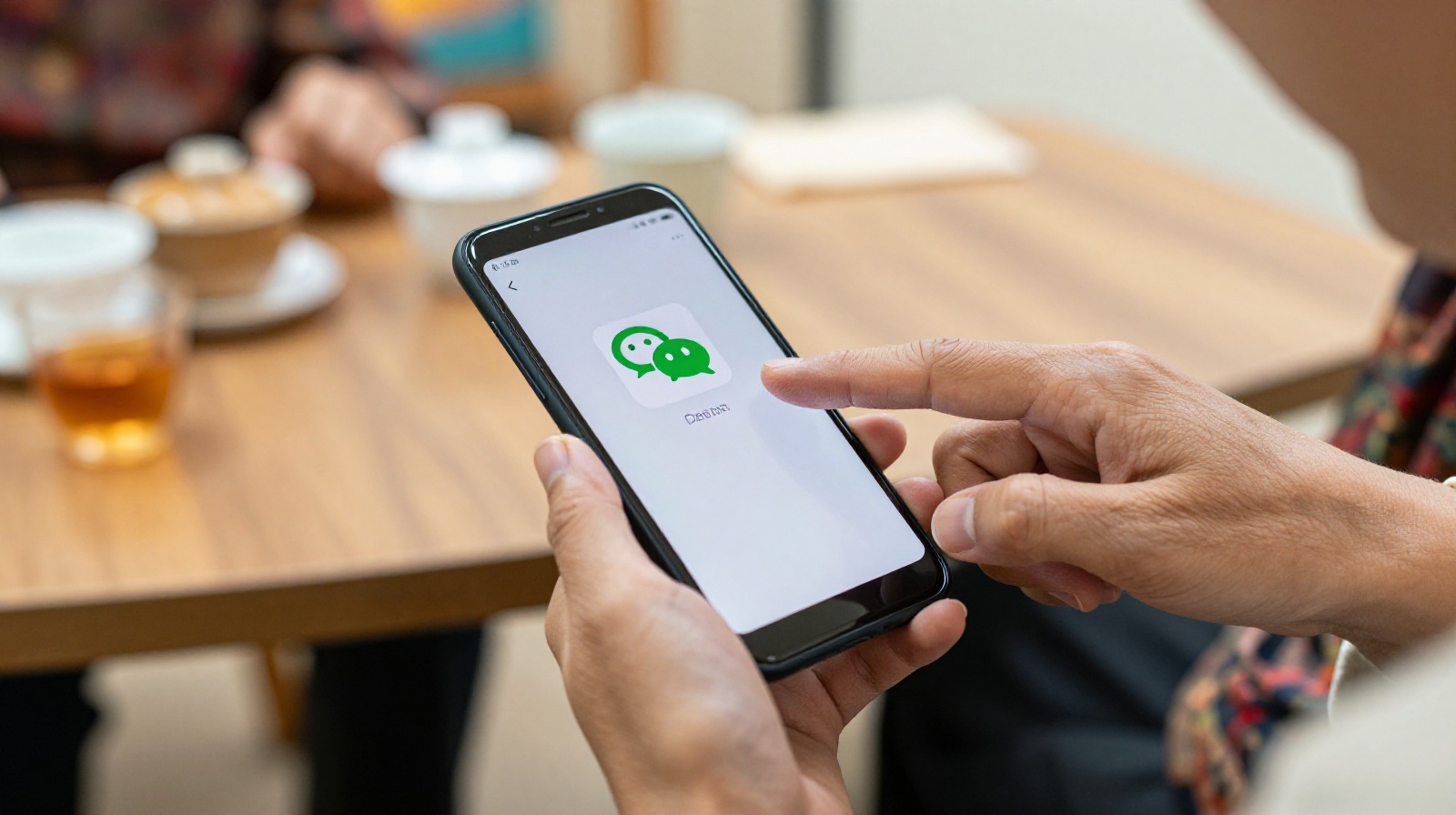
Li’s patience is the key ingredient. Unlike customer service hotlines that rush users through menus, these young teachers understand that learning requires a different rhythm. They use metaphors from daily life: “Think of the QR code like a magic ticket,” or “The search bar is like looking for a book in a library.”
In many community centers across Shanghai and Guangzhou, similar scenes play out every afternoon. Young people from local universities and tech companies rotate through these sessions, turning what could be a frustrating experience into a shared moment of connection.
A Video Call That Changed Everything
The transformation becomes visible when the technology finally clicks. Last month, Auntie Zhang managed to video call her grandson who lives in another province. When his face appeared on the screen, she didn’t just say “hello.” She laughed, wiped a tear from her cheek, and told him about the flowers in her garden.
That single connection changed her perspective entirely. The phone was no longer a scary machine; it was a window to her family. For many seniors, mastering this tool restores a sense of dignity and agency that they had felt slipping away.
Technology as a Bridge, Not a Wall
The rise of these intergenerational teaching sessions reveals a deeper truth about modern China. While the country is often praised for its rapid technological infrastructure—from high-speed rail to AI labs—the true measure of success lies in how those innovations touch individual lives.

When young people take the time to teach, they are doing more than just transferring skills. They are rebuilding social trust across generations. In a society that moves fast, this pause for connection is a vital anchor. It turns the digital divide from a source of exclusion into a space for collaboration.
As Li finishes his lesson with Auntie Zhang, he packs up his notebook. “You did it,” he smiles. “Next time, you can even order your groceries.” She nods, her eyes bright with the confidence of someone who has just learned to fly. In this quiet corner of Beijing, the future is being built not just by code, but by hand-holding.