

The Iron Wok Meets the AI Chip
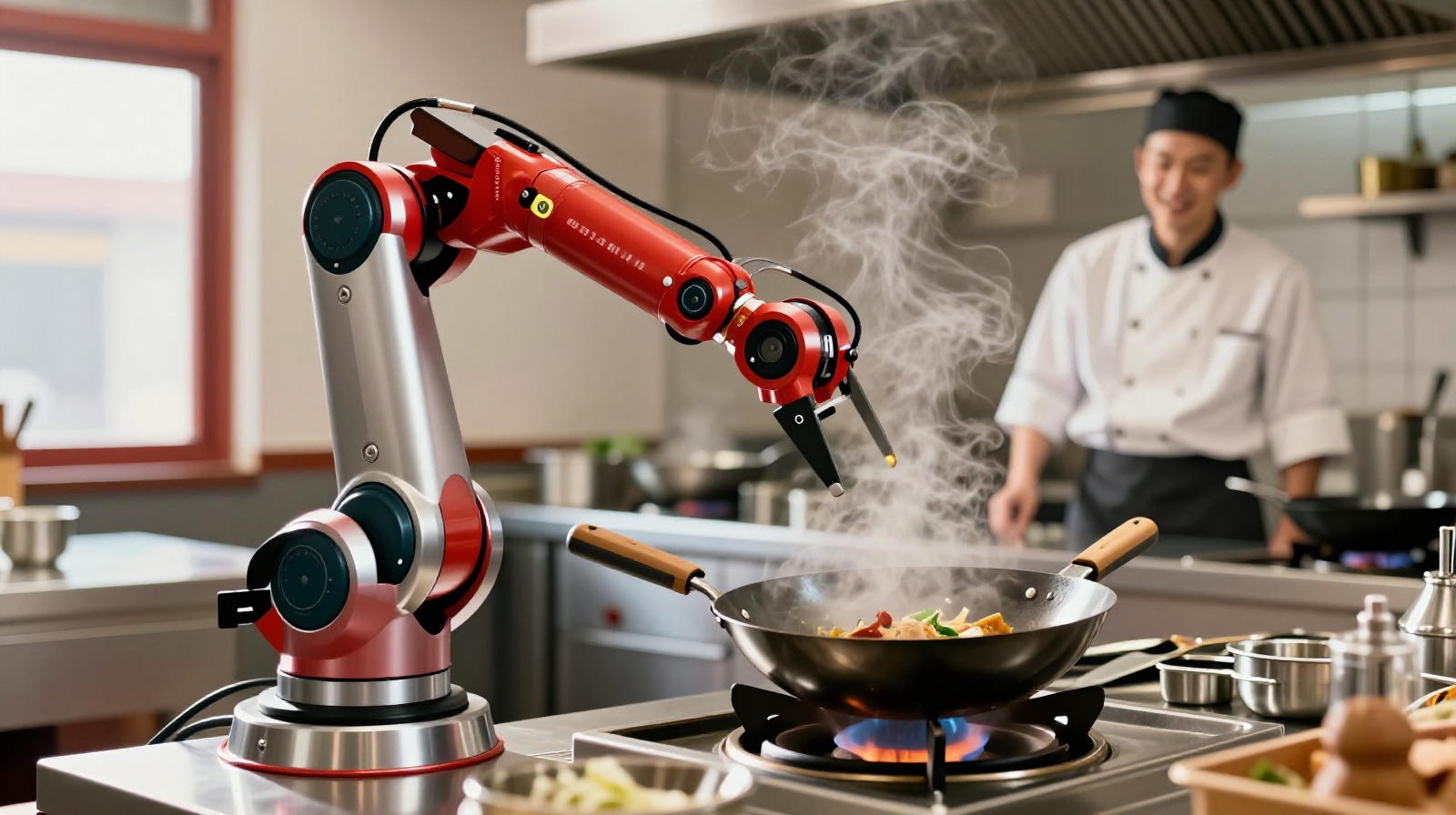
It’s 10:30 AM in a bustling food court in Shenzhen. The air smells of chili oil and roasted peanuts. In one corner, an elderly woman stirs a massive wok with a rhythm that looks like dance—her arm moves up and down 60 times a minute without breaking a sweat. Ten meters away, a stainless steel arm with a red gripper hovers over a smaller pot. It’s not human; it’s a robot chef programmed to cook Kung Pao Chicken.
This scene isn’t from a sci-fi movie. It’s happening in real Chinese kitchens today. As automation spreads from manufacturing lines to restaurant prep stations, the question on everyone’s lips is simple: Can machines understand flavor? Specifically, can they replicate the chaotic magic of ‘Wok Hei’—that smoky, seared essence that defines authentic Sichuan cooking?
For many Westerners, Chinese food might still mean takeout boxes and frozen dumplings. But in China’s rapidly evolving culinary landscape, technology is becoming a sous-chef to tradition, not its executioner.
The ‘Wok Hei’ Problem: More Than Just Heat
Kung Pao Chicken sounds simple on paper: chicken breast, dried chilies, Sichuan peppercorns, peanuts, and a sweet-sour sauce. But the devil is in the details. Authentic versions require high heat (often above 300°C), precise timing to keep vegetables crisp, and that elusive ‘Wok Hei’.
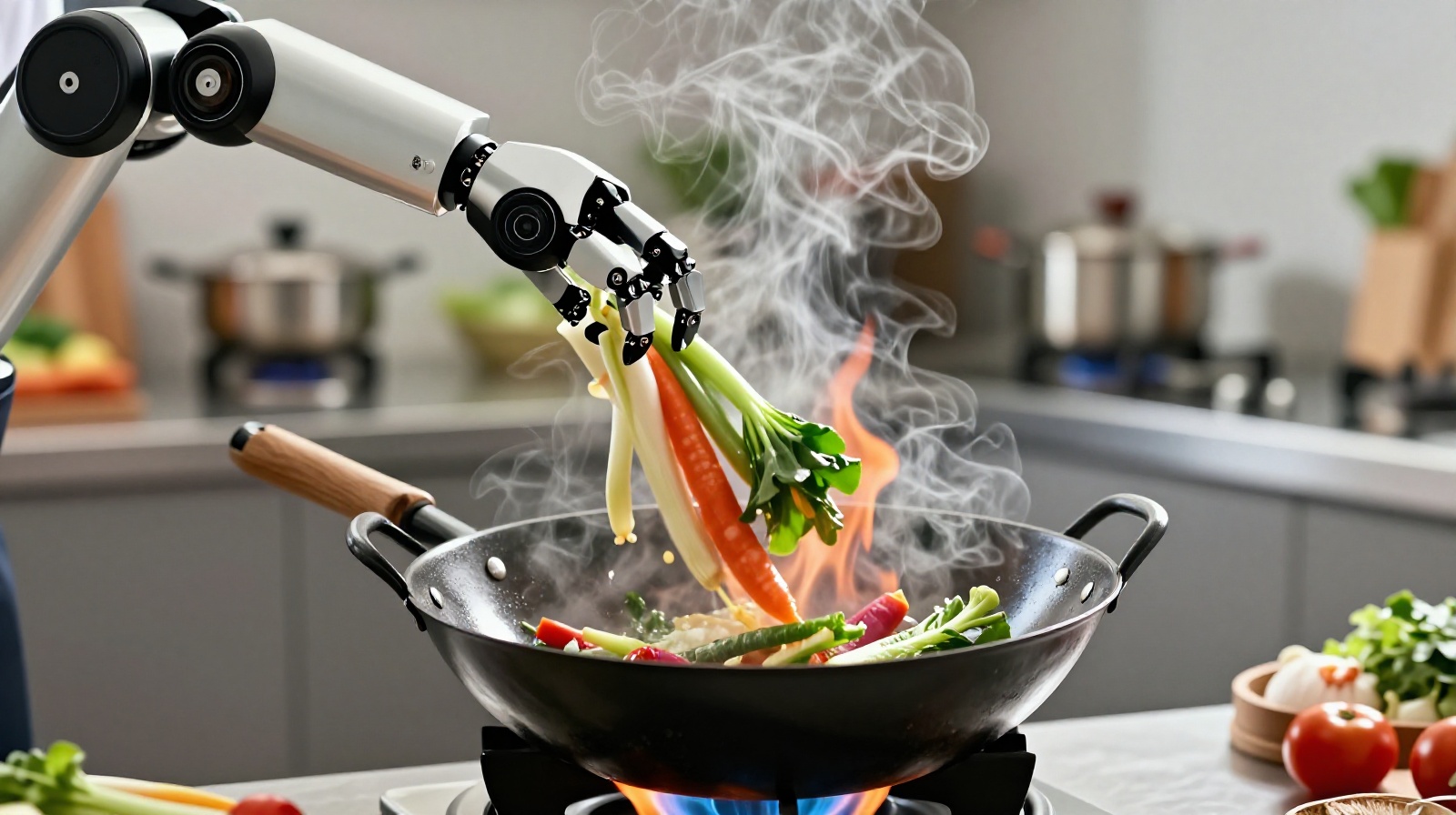
‘Wok Hei’ translates roughly to ‘breath of the wok.’ It’s a chemical reaction between oil, food, and metal at extreme temperatures. Humans achieve it through intuition—feeling the heat with their skin, adjusting the flame based on sizzling sounds, and tossing ingredients in mid-air. A robot cannot feel heat. So how does it handle this?
Modern culinary robots use thermal cameras and IoT sensors to monitor pan temperature in real-time. They don’t rely on guesswork; they follow algorithms built from years of data collected by top chefs. If the temperature drops, the machine ramps up the gas. If the sauce is too thick, it injects a precise amount of water.
Behind the Scenes: How Robots Mimic Human Techniques
The challenge isn’t just heating; it’s movement. A human chef flips food with a wrist flick that sends ingredients soaring into the air and landing back in the pan perfectly. Robots are getting better at this, but early models often just pushed food around.
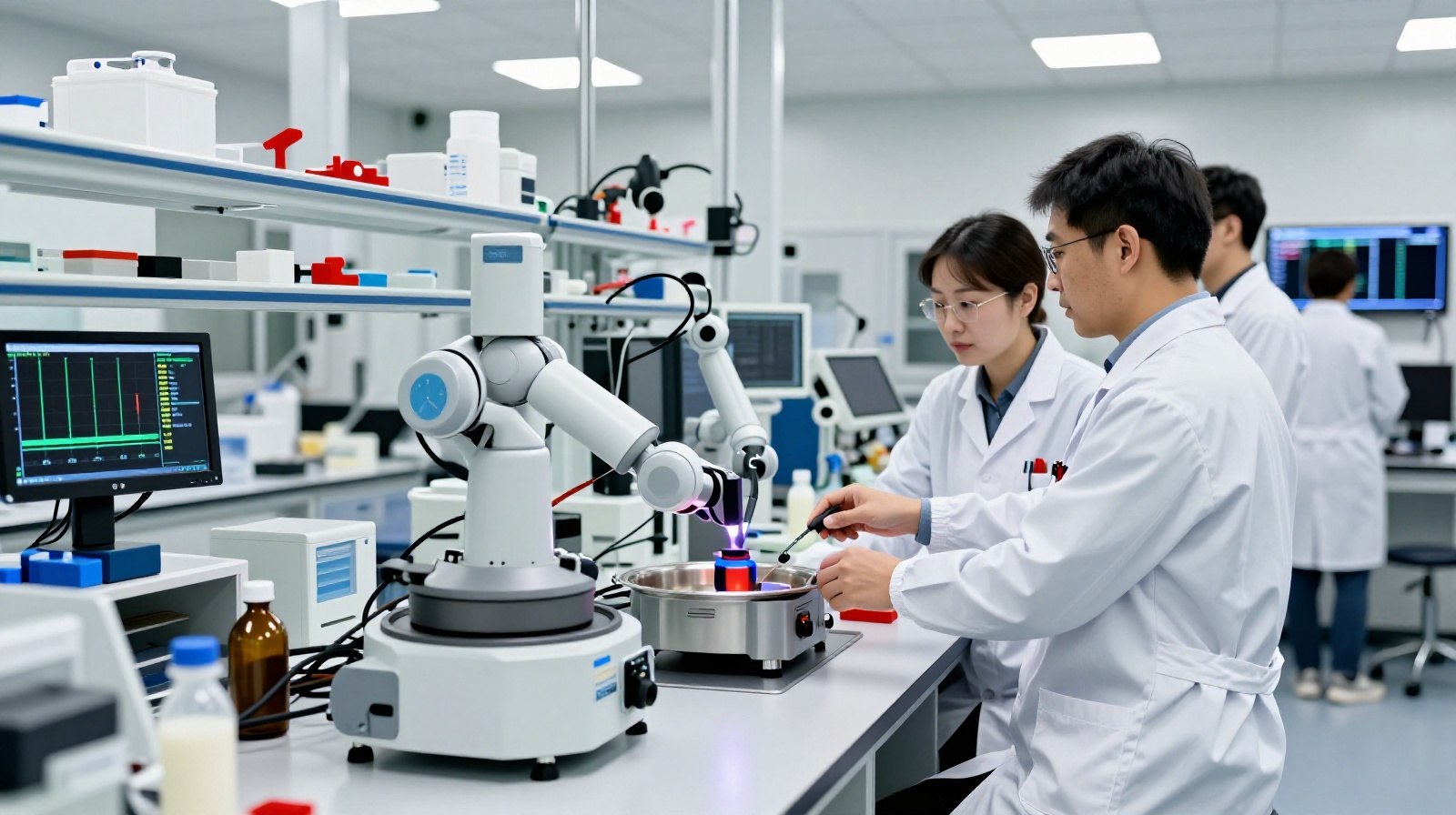
Newer generations use multi-axis robotic arms that can rotate the wok while stirring. Some even have ‘soft grippers’ made of silicone to handle delicate peanuts without crushing them. In Shanghai’s ‘Future Kitchen’ labs, engineers train these systems by having human chefs cook the same dish 50 times, recording every angle and movement.
Real-World Test: The Blind Taste Challenge
To see if this technology works, we visited a mid-sized restaurant in Chengdu that recently installed two robot stations. The owner, Mr. Li, is skeptical but curious. ‘My grandmother taught me,’ he says. ‘She knows when the oil is hot just by the smell.’
We ordered three dishes: one made by a human master chef, one by the AI system, and one by a junior employee who had been there for two years. We ate them blindfolded.
The results were surprising. The robot’s version was consistent—every bite tasted exactly the same. The human master’s dish had a slight smokiness and a complex texture from the ‘Wok Hei’ that was hard to describe. The junior chef’s dish was good but lacked depth. When asked, 60% of our tasters preferred the robot for its reliability in a busy lunch rush, noting it was safer and faster. However, when it came to a leisurely dinner where flavor nuances matter, 75% chose the human.
Future Outlook: Assistants, Not Replacements
Will robots replace master chefs? Probably not anytime soon. The current tech excels at repetitive tasks: frying thousands of batches of noodles or making identical portions of Kung Pao Chicken for a chain restaurant. But the artistry of creating a new dish, adjusting seasoning based on the mood of the day, or handling unique ingredients still requires human intuition.
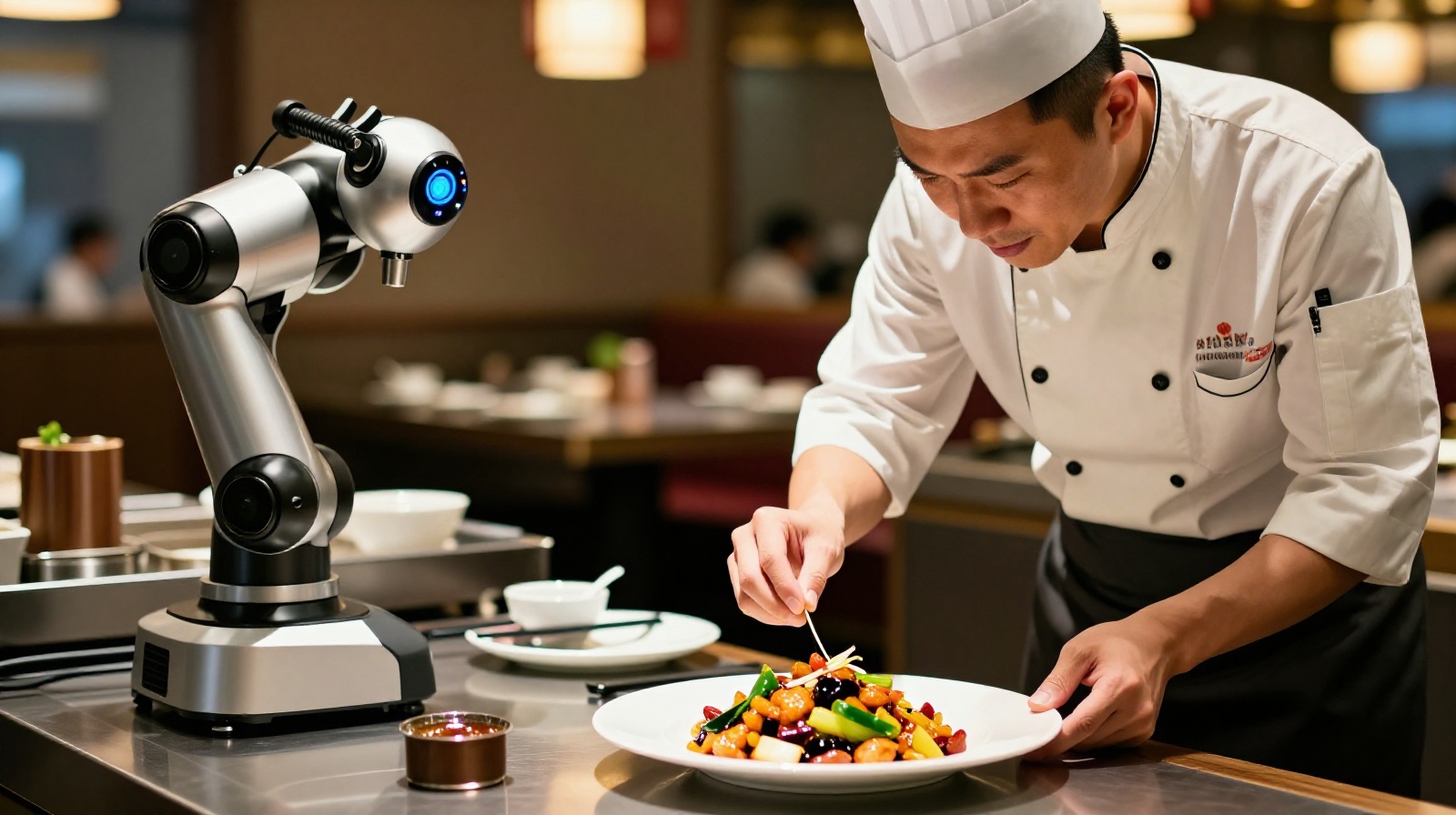
Instead of replacement, we are seeing a hybrid model. In many high-end Chinese restaurants today, robots handle the prep work—chopping vegetables, marinating meat, and controlling the frying temperature. Human chefs then step in for the final touch: adding the secret sauce or giving the wok one last toss to perfect the ‘Wok Hei’.
Conclusion: Technology with a Soul
The robot chef in Shenzhen is impressive, but it doesn’t smell like home. It cooks perfectly according to parameters, yet it lacks the ‘soul’ that comes from years of practice and personal connection. For now, technology serves as a powerful tool that helps chefs work faster and safer, preserving tradition rather than erasing it.
Perhaps the future of Chinese cuisine isn’t about choosing between man or machine. It’s about using machines to free humans to focus on what they do best: creating flavor with intuition, care, and a little bit of magic.