
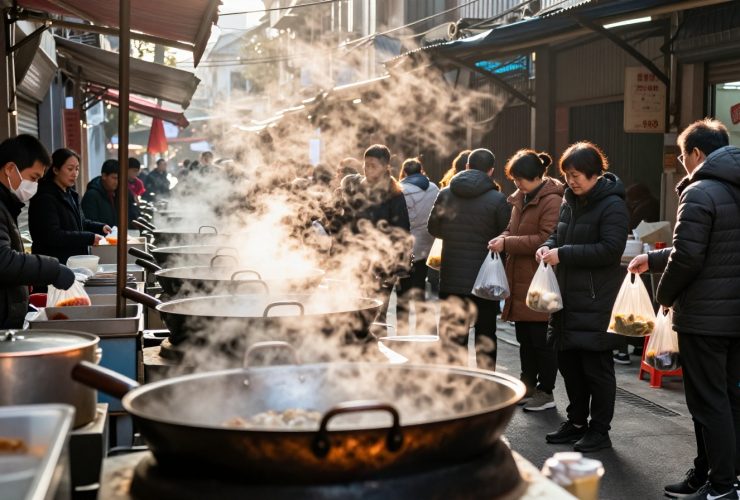
Forget the idea of breakfast as a quick meal. In Wuhan, 'Guo Zao' (passing the morning) is a full-blown ritual that starts before sunrise and often continues until dinner. This journey follows a local’s route through the city's steam-filled streets, from hot rice noodles to sweet fermented dough, revealing how food defines the rhythm of life in China's inland metropolis.
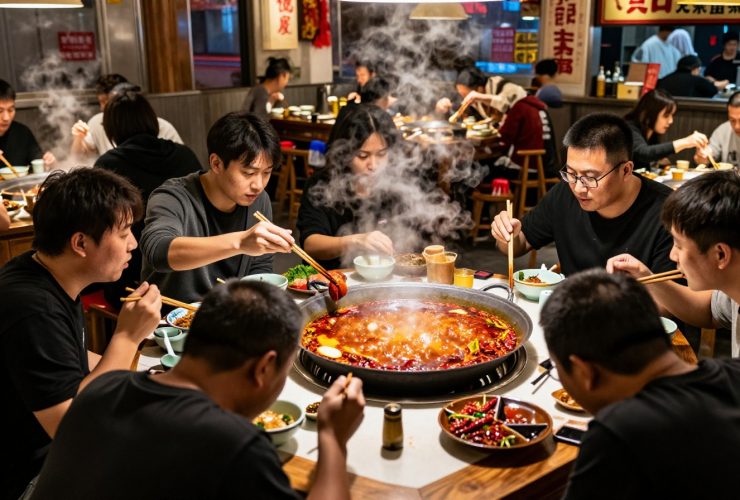
Forget the tourist traps. This is a raw, three-day guide to surviving Chongqing's legendary spice, navigating its vertical alleyways, and understanding how heat defines life in China's mountain city.
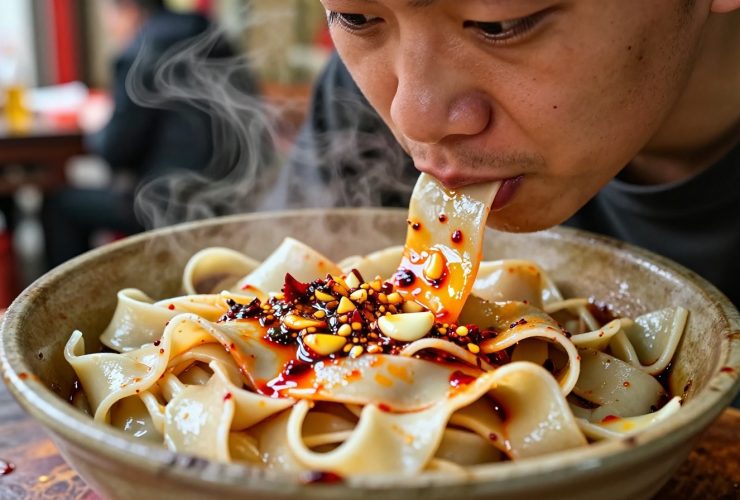
Forget the fancy restaurants. To truly taste Shaanxi, you need to find a hole-in-the-wall joint and master the art of slurping Biangbiang noodles—a dish with a character so complex it shouldn't even exist, yet is loved by millions.
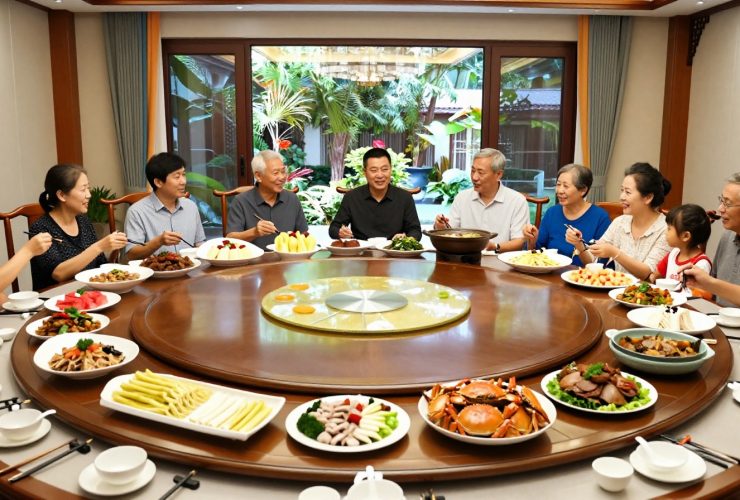
Forget fixed menus. In China, what you eat changes with the rhythm of nature. From spring bamboo shoots to winter hot pot, discover how 'Jieqi' (solar terms) dictate the daily lives and tables of ordinary Chinese families.
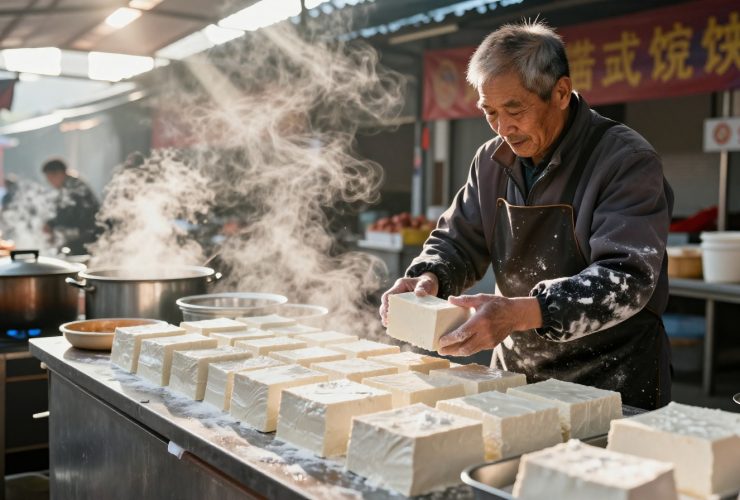
From sizzling street stalls in Chongqing to delicate knife-work in Yangzhou, discover how a single soybean becomes the ultimate canvas for Chinese cuisine. This isn't just about food; it's a story of texture, time, and cultural adaptability.
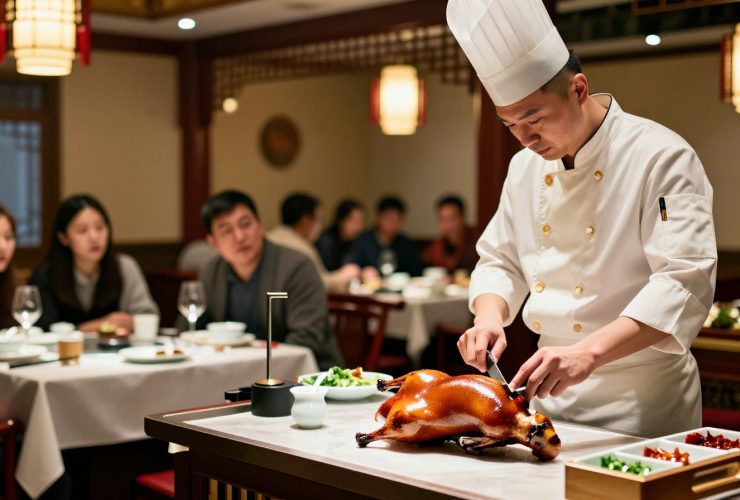
Forget the takeout version. Authentic Peking duck requires a three-day ritual of inflating, scalding, glazing, and air-drying to achieve skin that shatters like glass. Here is why this royal dish remains a labor of love in modern Beijing.
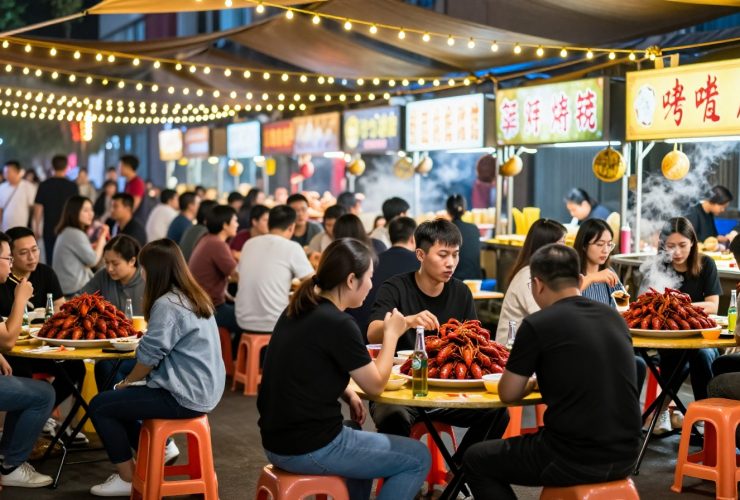
Forget the mooncakes or dumplings. If you want to understand modern Chinese social life, follow the smell of garlic and chili oil. This is the story of how a freshwater crustacean became the undisputed king of China's summer night markets.
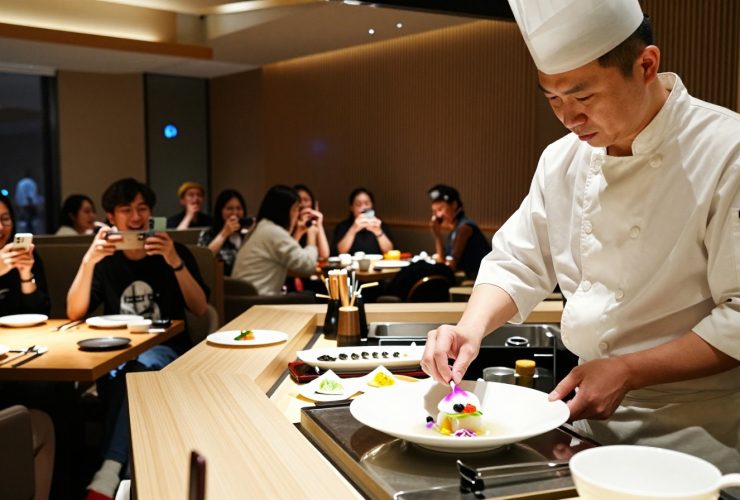
Forget the image of only stir-fry and dumplings. In Shanghai, Chengdu, and Beijing, a new generation of chefs is blending molecular techniques with ancient traditions and radical plant-based creativity. Discover how ordinary diners are experiencing this unexpected culinary shift.
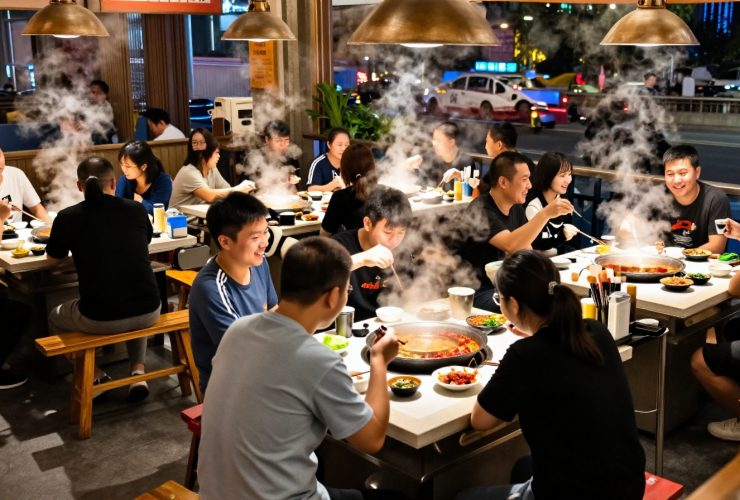
In the peak of summer, when temperatures soar above 35°C, Chinese cities fill with long queues outside steaming hot pot restaurants. Why do people willingly sit in sweat-drenched rooms to eat boiling food? The answer lies in a mix of ancient health wisdom, unique social dynamics, and a distinct cultural approach to comfort that defies Western logic.
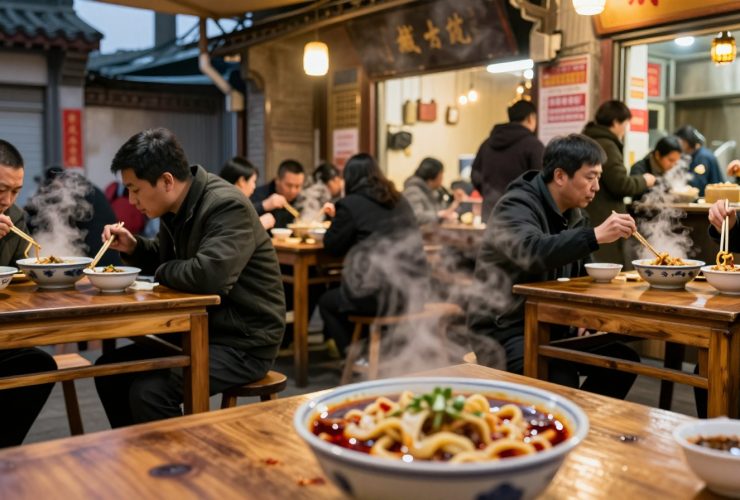
Forget the neon skylines. In Xi'an, food is a language of survival. Discover why noodles are as wide as belts and bread looks like a lid—a glimpse into the hardy, practical culture of Northwest China.