
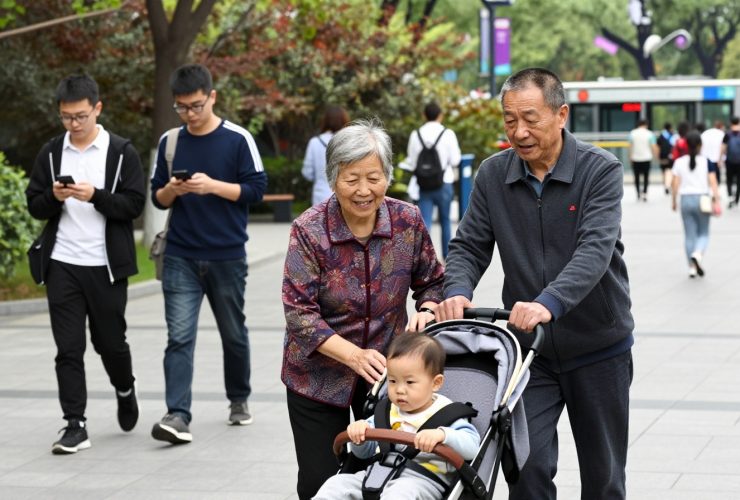
In cities across China, grandparents often become the primary caregivers for their grandchildren. This isn't just a story of economics; it is a unique blend of deep family bonds, cultural expectations, and the reality of modern work life that creates a distinct intergenerational support system.
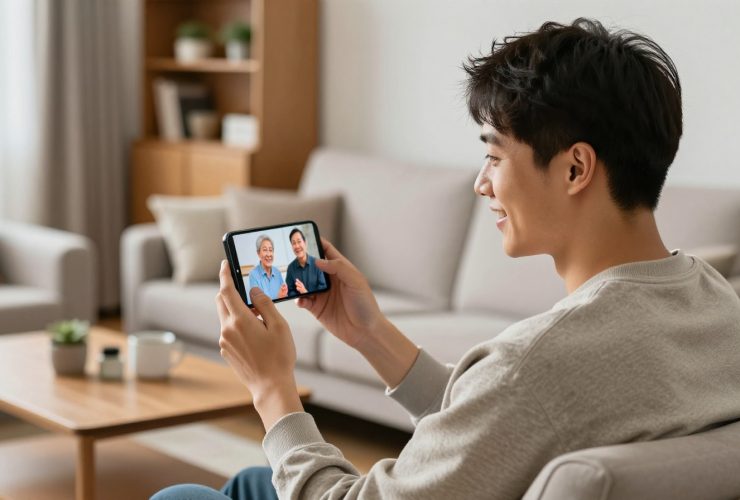
In China, independence doesn't mean moving out and cutting ties. For young professionals, staying connected to parents is a practical strategy and cultural comfort, not a lack of maturity. This article explores the real dynamics behind the 'nuclear family' myth.
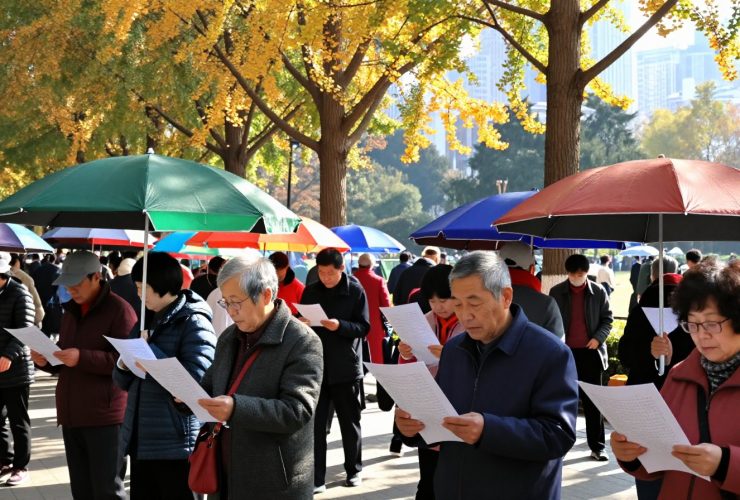
In a Beijing park, hundreds of umbrellas display resumes like job postings. This is the 'matchmaking corner,' where parents trade housing details and salaries to find spouses for their adult children.
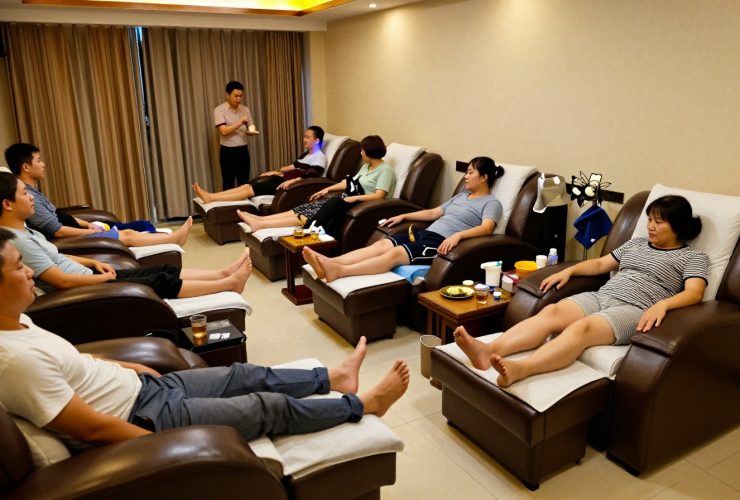
In China, an hour-long foot massage isn't a rare treat for the wealthy; it's a standard weekend ritual for office workers and retirees alike. Here is what really happens inside these bustling shops.
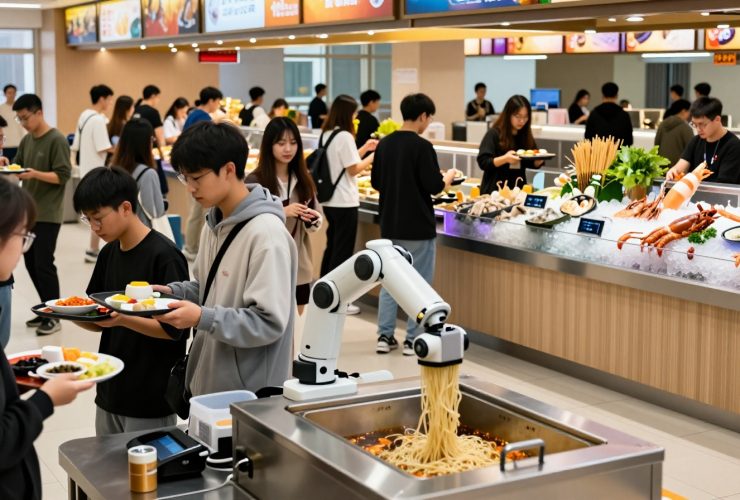
Forget the old stereotype of mass-produced canteen food. In China's universities, a fierce competition has emerged where students can enjoy fresh seafood, regional delicacies, and even robot-cooked noodles for prices ranging from $1 to $7. This is what modern campus life really looks like.
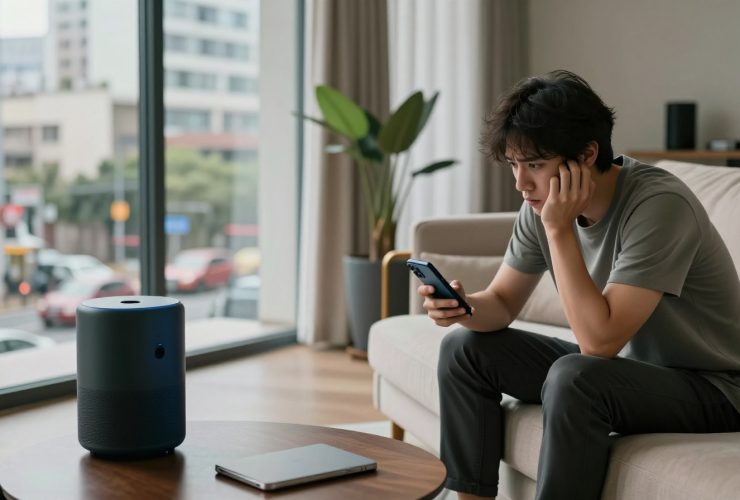
In a Beijing apartment, a morning routine designed by an algorithm clashes with the chaos of real life. As China accelerates its AI integration, ordinary people navigate the tension between digital efficiency and human unpredictability in their daily commute, work, and community interactions.
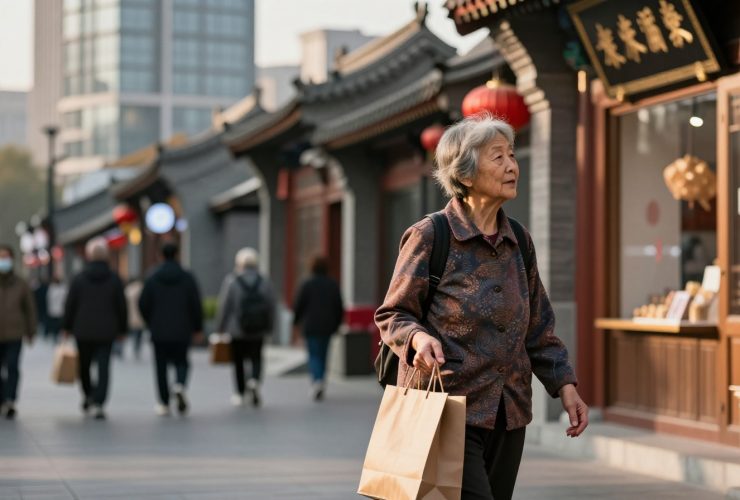
In a nation where algorithms dictate what you see, how do ordinary Chinese people reconnect with the unfiltered real world? From walking without GPS to trading screens for face-to-face coffee, discover the quiet human movements reclaiming life in modern China.
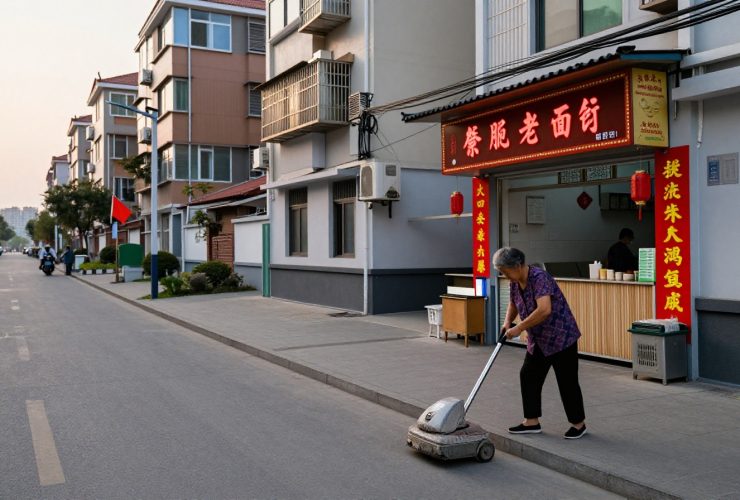
Forget skyscrapers and high-speed trains. Step into a typical Beijing residential neighborhood to see how smartphones, delivery bikes, and local committees shape the daily rhythm of millions of ordinary Chinese people.
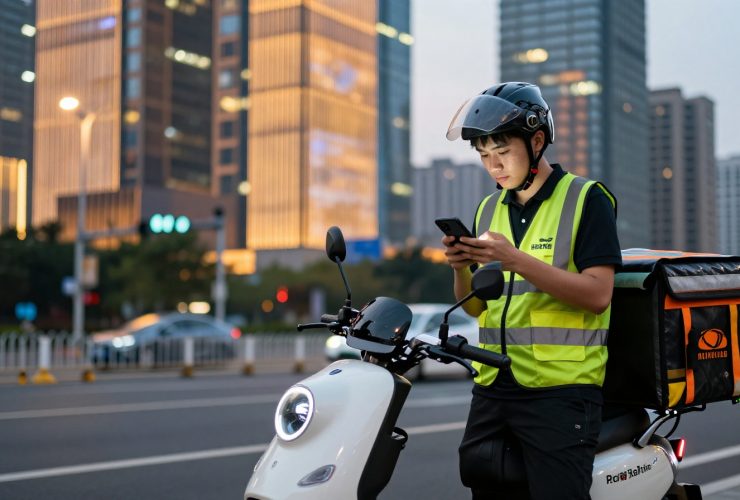
For decades, the world watched China's rise with eyes fixed on skyscrapers and space launches. Today, the future is being written in coffee shops, delivery apps, and small town workshops. Meet the young people who are trading grand narratives for personal agency.
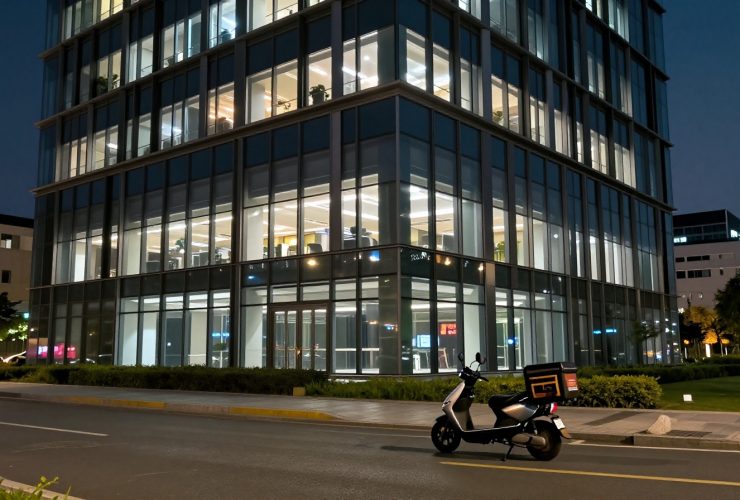
It's not just about working from 9 AM to 9 PM, six days a week. For millions in China, the real pressure comes from an invisible digital clock that never stops ticking. Meet the delivery drivers, software engineers, and young professionals navigating time anxiety in today's high-speed society.