

A Screen, a Lamp, and a Surprise in Beijing
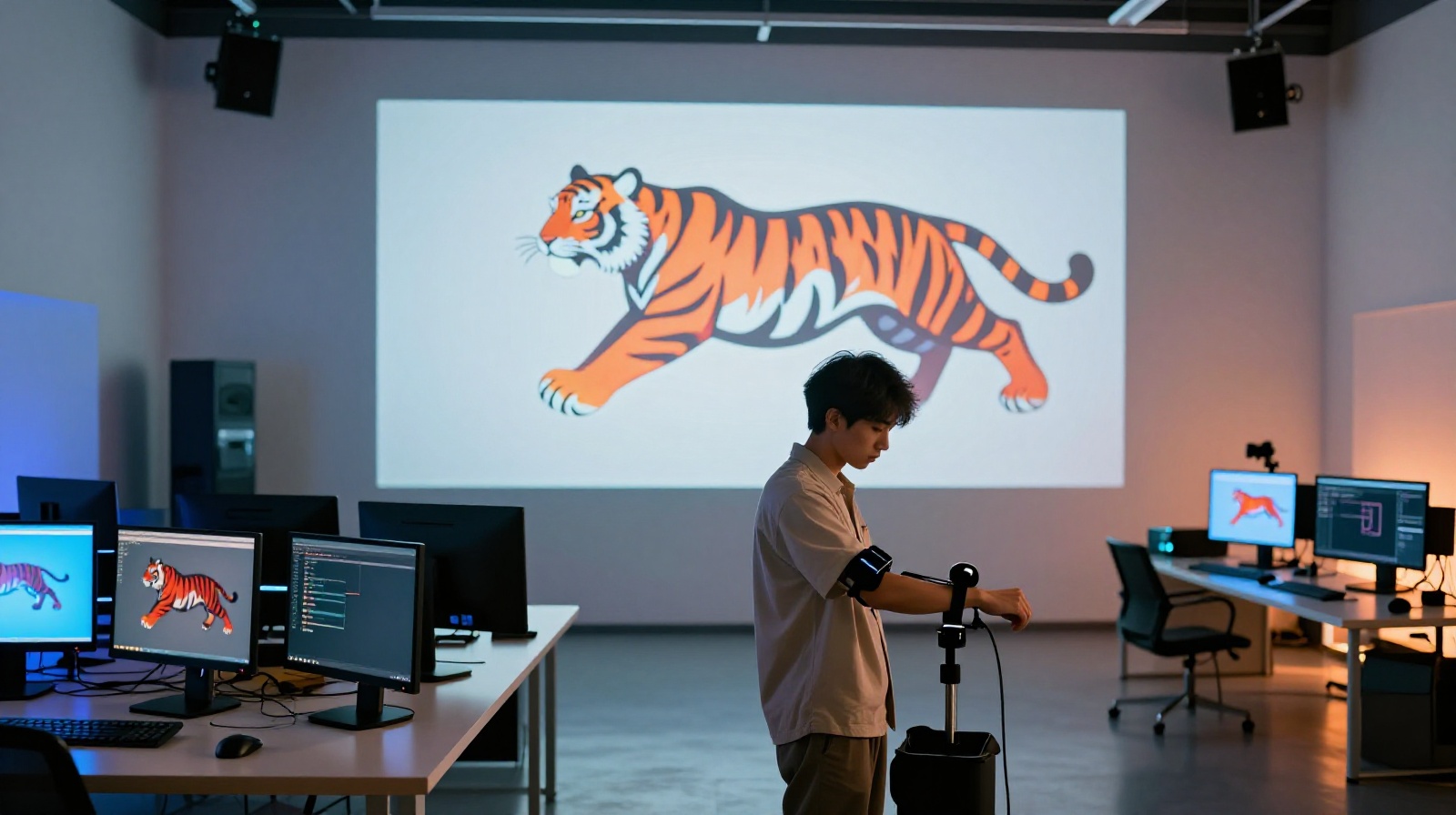
It starts with a simple white screen stretched across a modern studio wall. But instead of the dusty village courtyard you might imagine from old movies, this is a high-tech space in central Beijing. Inside, 24-year-old Li Wei adjusts a motion-capture suit while holographic projections dance around him. When he raises his hand, a giant leather tiger leaps onto the screen behind him—not with strings pulled by human fingers, but guided by sensors and code.
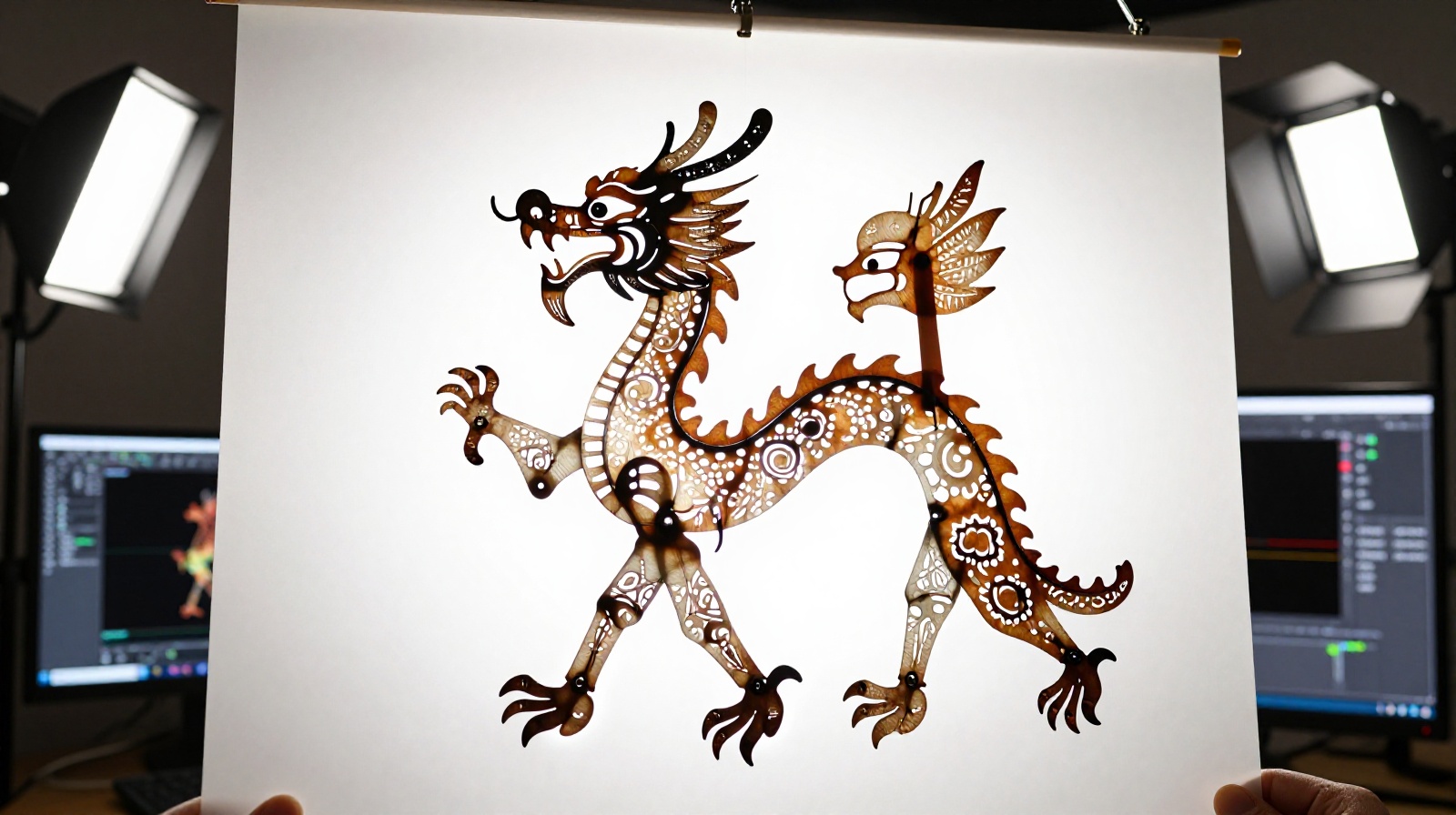
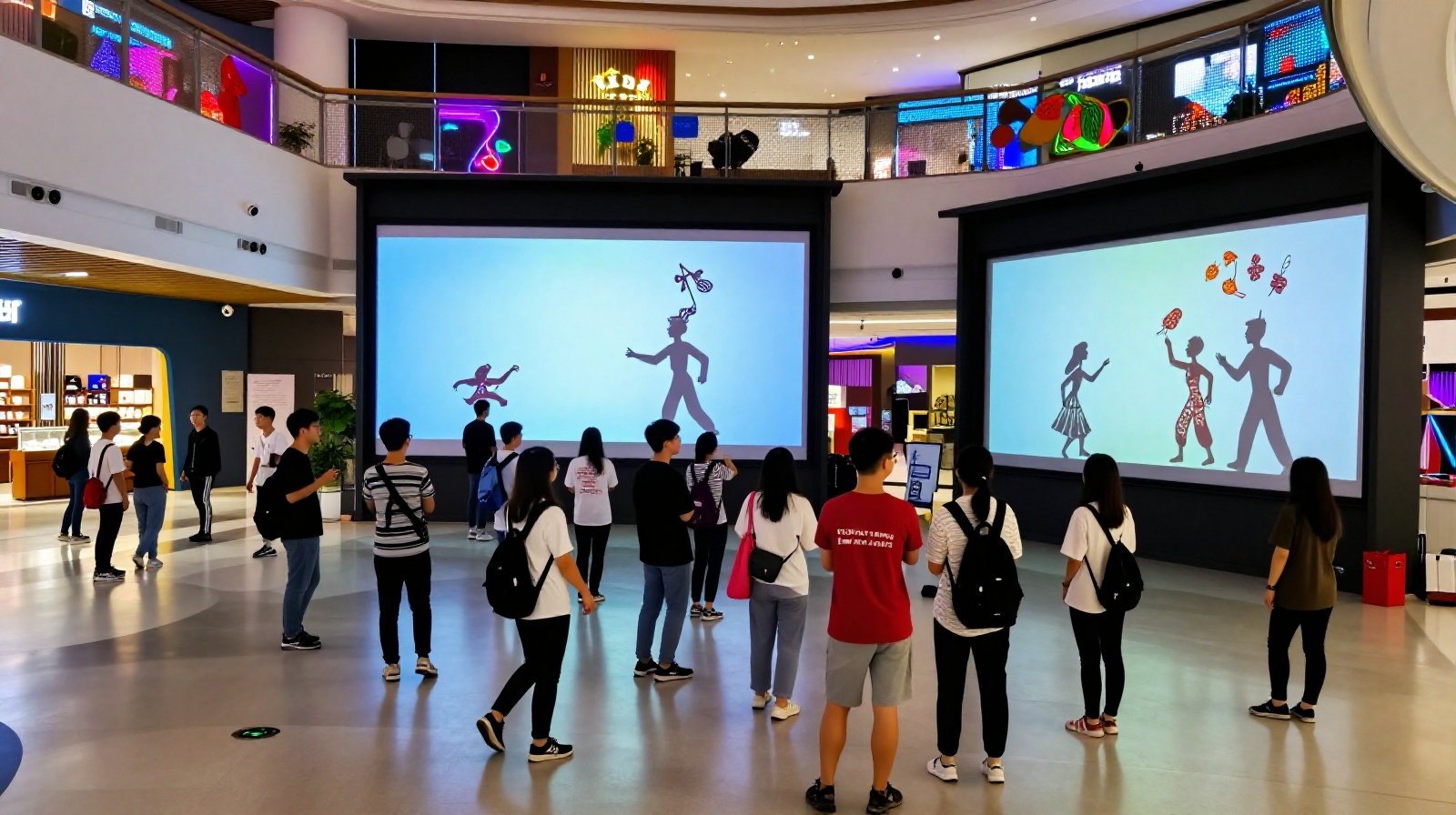
Li is part of a quiet revolution in Chinese traditional art. For centuries, shadow puppetry (or Pinghua) was performed by wandering troupes in rural villages, telling stories of gods, heroes, and historical battles under the light of oil lamps. Today, that same craft is being reinvented in urban cultural hubs, streamed on TikTok (Douyin), and even experienced through Virtual Reality headsets.
Why ‘Dancing’ Puppets Matter Now
The shift from village festivals to digital platforms isn’t just about technology; it’s about survival. As young people in China migrate to mega-cities for work, the traditional audience for shadow puppetry—mostly elderly villagers—is shrinking. If the art form doesn’t adapt, it risks becoming a museum relic.
Li and his peers are proving that tradition can be dynamic. They have transformed the rigid movements of leather puppets into fluid, ‘dancing’ animations. This isn’t about replacing the masters; it’s about speaking their language to a new generation who grew up gaming and scrolling through short videos. The stories remain the same—the journey of the Monkey King, the tragedy of White Snake—but the delivery has evolved.
Tech Meets Tradition: 3D Printing and Motion Capture
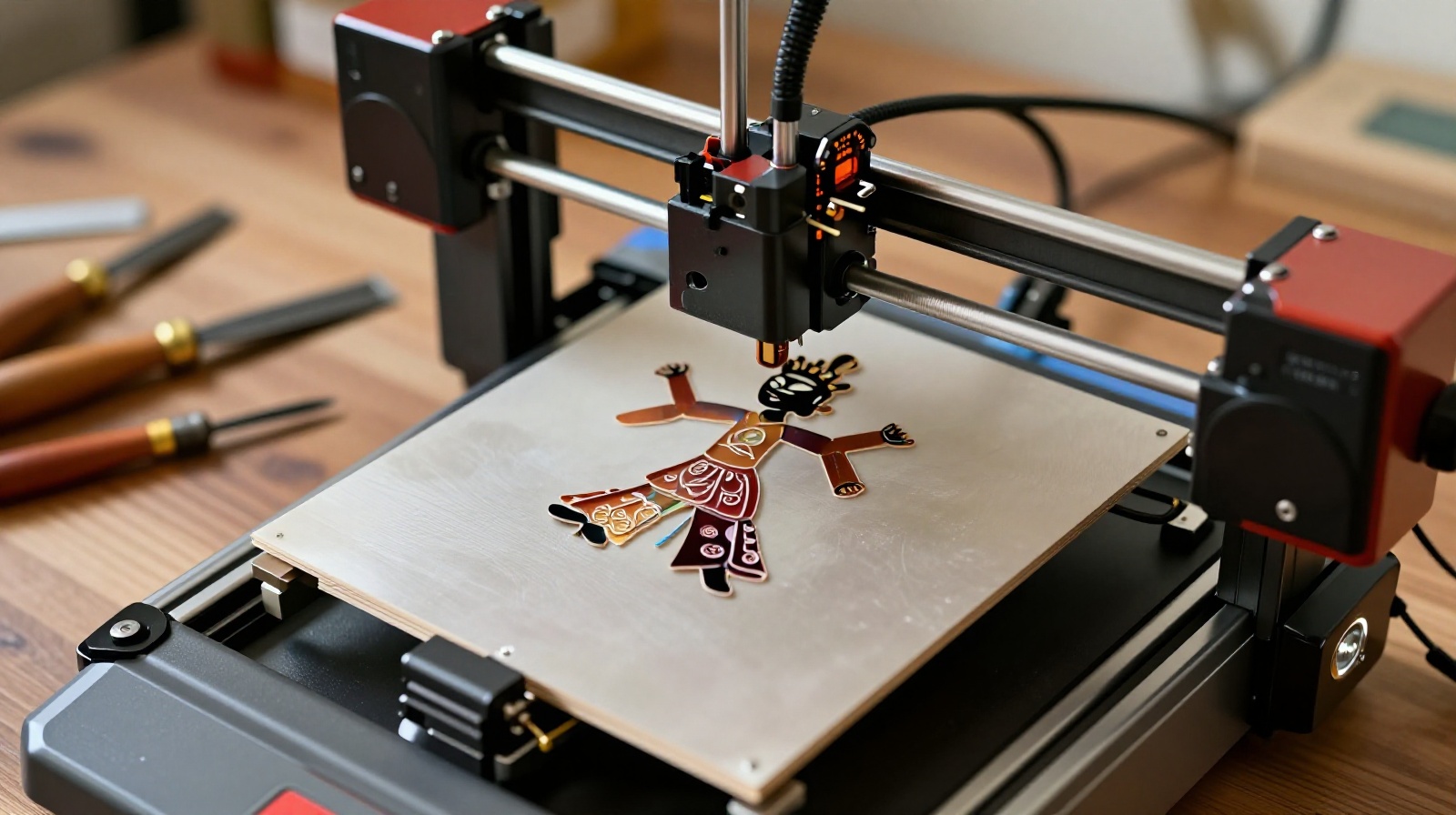
The most striking changes happen in the workshop. Traditional shadow puppets were carved from donkey or cow hide, a painstaking process taking days per character. Today, artisans use 3D printers to create intricate prototypes, testing how light passes through different layers of material before carving the final piece.
Motion capture technology allows performers to record human movements and translate them into puppet animations with millimeter precision. In Li’s studio, a dancer performs a sequence in real-time, and the software instantly generates a shadow version that mimics every gesture. It creates a surreal effect: the puppet seems to have a life of its own, yet it is entirely driven by the performer’s intent.
This fusion has opened doors to new revenue streams. Li’s studio now collaborates with video game developers and animation studios, creating assets for virtual worlds. The art form has moved from a roadside performance to a high-value creative industry component.
Voices of the New Generation
Who is learning these ancient skills? Surprisingly, many are university students majoring in digital media or computer science, not traditional arts. “I wanted to do something fast-paced like coding,” says Li, who studied graphic design before switching focus. “But I realized that the stories behind the shadows carry a depth that algorithms can’t replicate.”
These young artisans face challenges too. Balancing the patience required for traditional carving with the rapid iteration of digital design is difficult. They also navigate a complex cultural landscape where some purists argue that technology dilutes the soul of the art. Yet, Li insists that the core—the storytelling—remains untouched.

Global Connections Through Shared Narratives
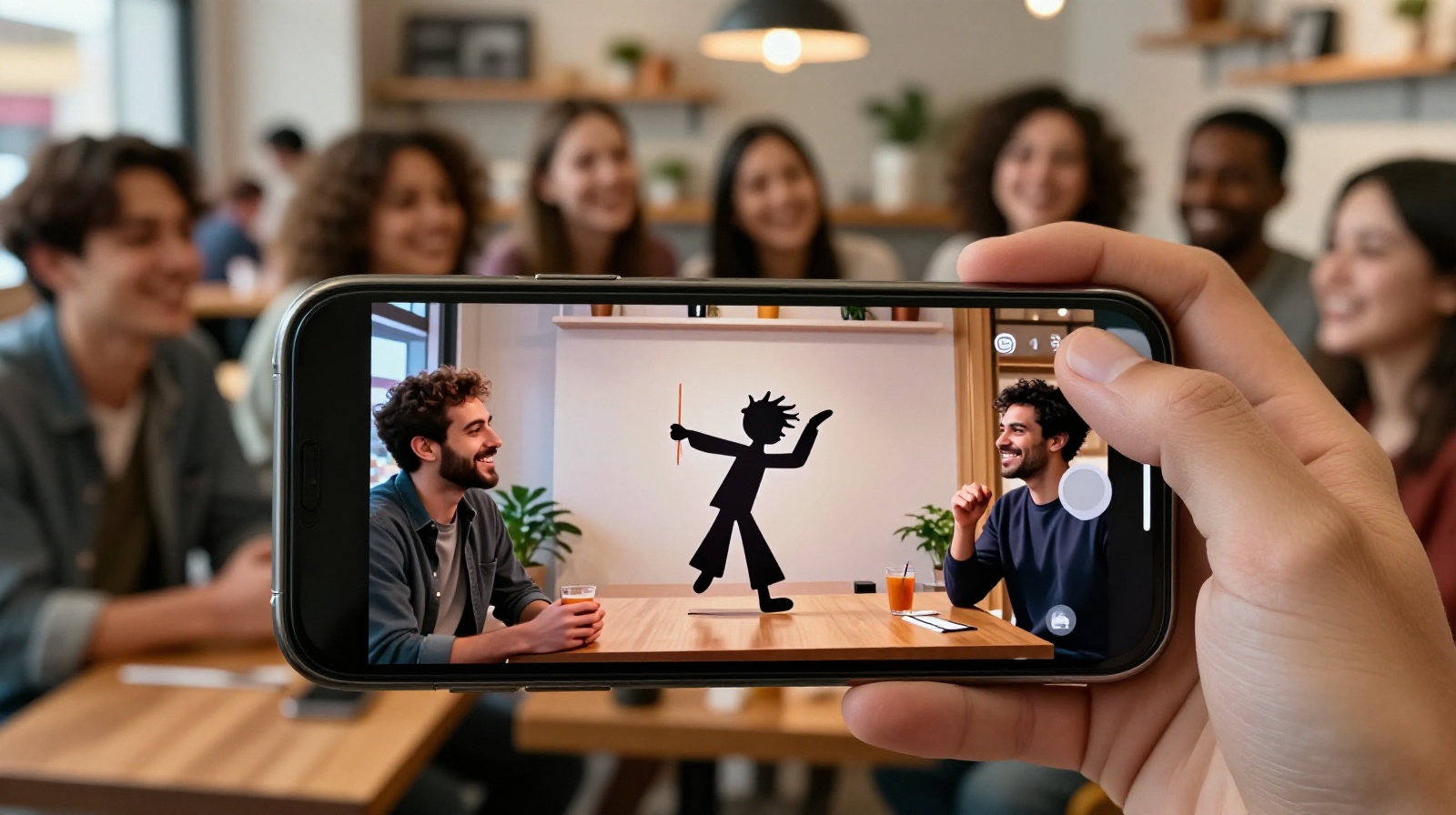
The beauty of this new approach is its global appeal. When Li uploaded a video of his dancing lion puppet to YouTube and Instagram, it went viral among audiences in Europe and Latin America who had never heard of Chinese shadow puppetry before.
Language barriers dissolve when the visual narrative is strong enough. A story about love, loss, or heroism translates universally. By presenting these ancient tales through a lens that feels modern and familiar to global viewers, Li is building bridges. He sees his work not just as preserving history, but as creating a shared cultural dialogue.
The Enduring Power of Storytelling
In a world where everything changes at the speed of an internet click, shadow puppetry offers a moment of stillness. It reminds us that while our tools evolve—from oil lamps to projectors, from hand-carved leather to 3D prints—the human need to tell stories remains constant.
For Li and his generation, the future of Chinese heritage isn’t about freezing it in time. It’s about letting it breathe, move, and dance in a rapidly changing world. The shadows may be old, but the light illuminating them is new.