

A Morning in Shenzhen: Green Tech as Routine, Not Just a Pitch
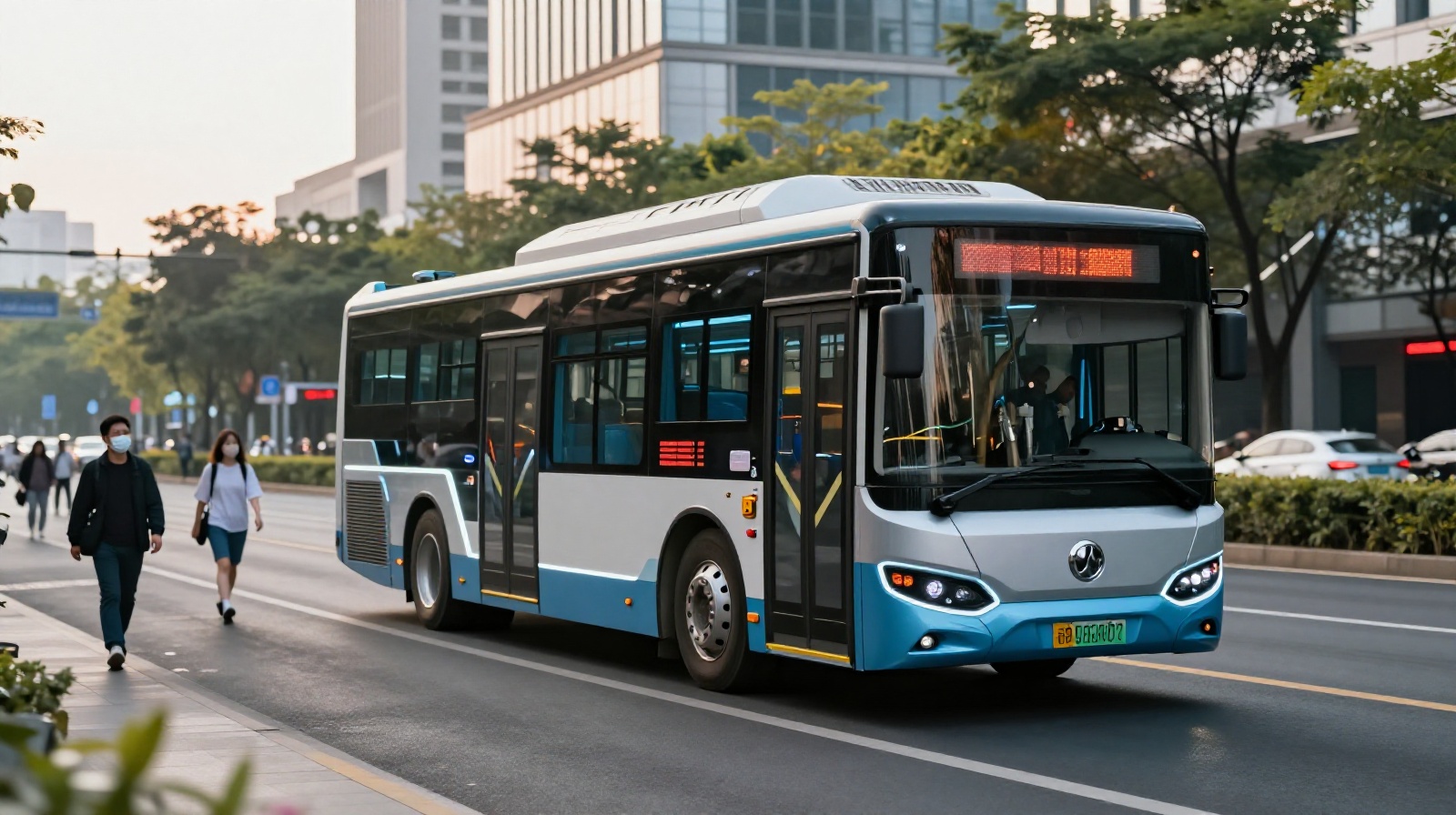
Li Wei wakes up at 6:30 AM in Shenzhen. Before he even steps out of his apartment building, he checks the air quality on his phone; it’s excellent today. He walks to the subway station, where an electric bus glides silently past, its battery recharging while passengers board. This isn’t a scene from a sci-fi movie set for 2050. It is Tuesday, October 14th, in one of the world’s most dynamic cities.
For decades, stories about China focused on pollution and coal smoke. Today, the narrative has shifted. The question is no longer “Can China go green?” but “How has green tech become so seamless that people barely notice it?” Here, zero-carbon living isn’t a lifestyle choice made by activists in their free time; it is the infrastructure of daily life.
The Commute Revolution: EVs and MaaS Redefine Daily Travel
Li Wei doesn’t own a car, and he doesn’t need to. China now has over 30 million electric vehicles on the road, more than any other nation combined. But the real story isn’t just about cars; it’s about Mobility as a Service (MaaS).
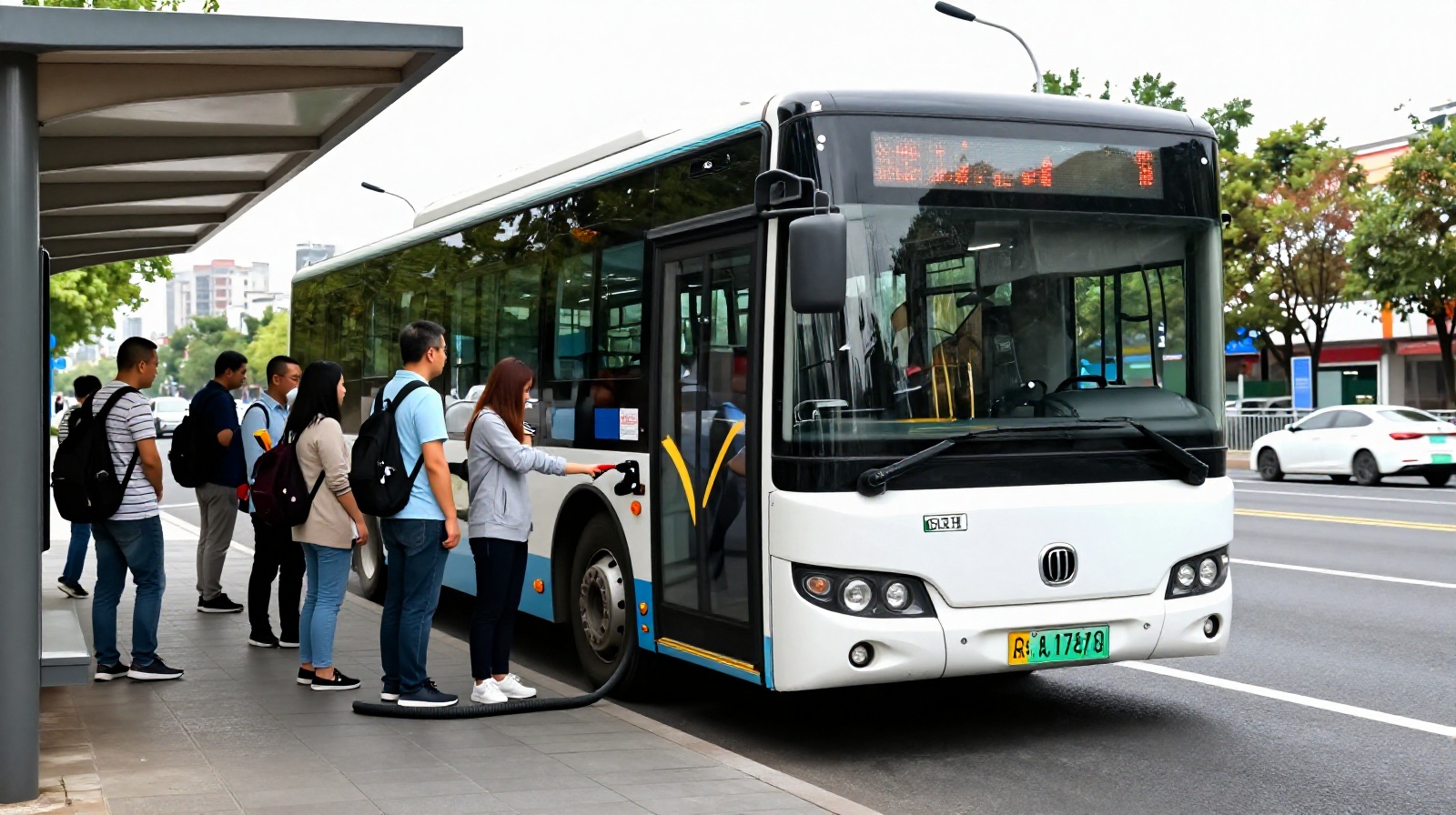
In Shenzhen, you can open an app and seamlessly switch from a subway ride to a shared e-bike for the last mile. The charging infrastructure is so dense that range anxiety—a major fear in early EV adoption—is practically non-existent here. Unlike in some Western cities where charging stations are sparse or broken, Chinese streets are lined with fast-charging piles.
Consider the buses. Shenzhen was the first city globally to fully electrify its public bus fleet of over 16,000 vehicles. The result? A massive drop in noise and exhaust fumes. For a commuter like Li Wei, this means a quieter morning and cleaner air on his route home.
Home Energy: Smart Meters and the New Rhythm of Consumption
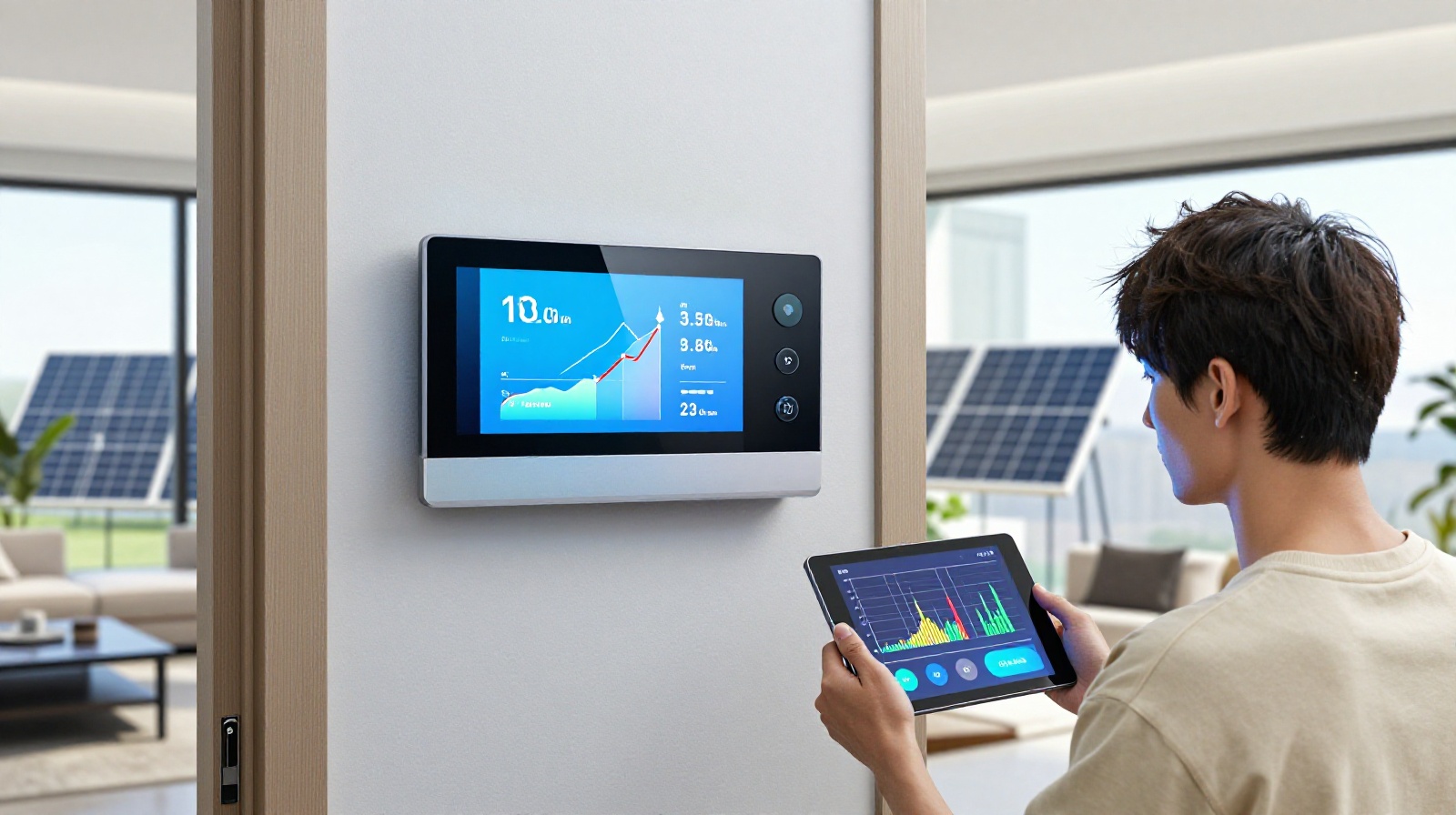
Back at Li’s apartment, his smart meter tells him something surprising. He used too much electricity last night because he left the AC running overnight. The system automatically suggests a “green mode” for tomorrow to save money.
This is the democratization of energy management. In many Chinese residential buildings, rooftop solar panels are no longer rare luxury items; they are standard in new developments and increasingly common in older neighborhoods through retrofit programs. Smart grids allow households to sell excess power back to the grid during peak hours.
The average household now sees a tangible benefit: lower bills and a smaller carbon footprint without changing their daily habits. It’s not about sacrifice; it’s about optimization powered by data.
From Factories to Farms: Tech-Driven Circularity
The green transition isn’t limited to cities. In rural Anhui province, farmers are using AI-driven drones to apply fertilizer with millimeter precision. This reduces chemical runoff and lowers costs simultaneously.
In manufacturing zones, factories that once belched smoke are now connected via IoT (Internet of Things) sensors. These systems monitor energy usage in real-time, automatically shutting down idle machines or optimizing production cycles to minimize waste. A textile factory might recycle 95% of its water, turning what was once a pollutant into a resource.
The Human Element: Youth and the Social Media Carbon Footprint

Perhaps the most visible change is cultural. On platforms like Douyin (the Chinese version of TikTok) and Xiaohongshu, Gen Z users are sharing “zero-waste” challenges. They post videos showing how they repair clothes instead of throwing them away or how to shop at bulk stores without plastic.
This isn’t just performative activism. A study by a major university in Shanghai found that over 60% of young consumers now prefer brands with verified carbon-labeling. The market is speaking: sustainability is no longer a niche; it’s a requirement for relevance.
A Practical Path Forward
What can the world learn from this? China’s experience suggests that decarbonization works best when it removes friction, not adds it. When green tech becomes invisible infrastructure—when you don’t have to think about where your power comes from because it’s just there—the transition accelerates.
The reconciliation with Earth is not happening in a boardroom or a lab alone; it is happening on the streets, in homes, and on the farms of ordinary people. It is a practical, scalable experiment that offers a blueprint for the rest of the world to follow.