

Not Just a Desert, But a Different World
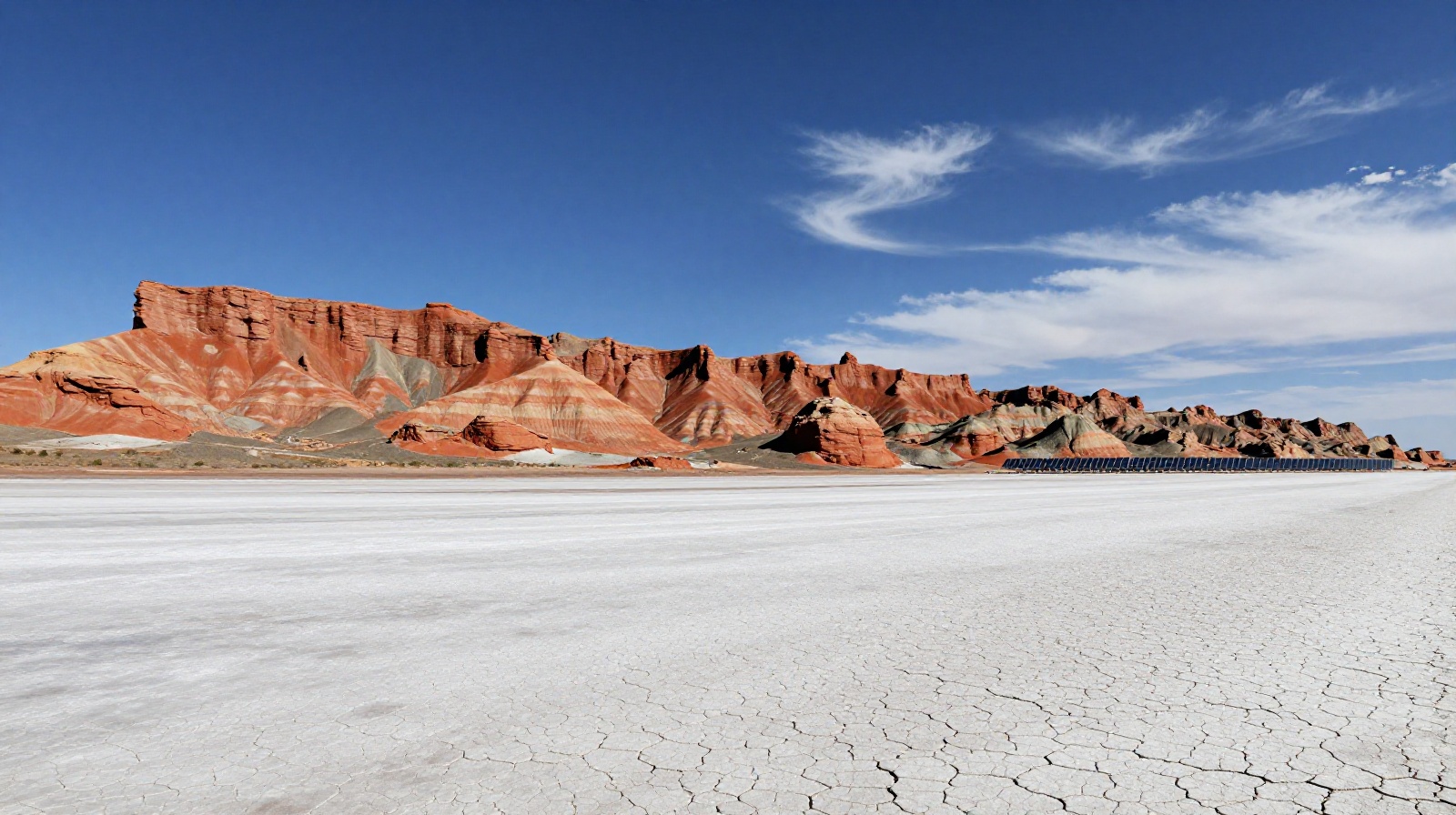
If you imagine China only as bustling cities with high-speed trains and neon-lit skylines, the Qaidam Basin in Qinghai Province will shatter that picture. Located on the northern edge of the Tibetan Plateau, this 250,000-square-kilometer depression is often called “China’s Mars.” Here, the air is thin, the silence is deafening, and the ground looks like it was painted by an alien artist.
What makes it look so extraterrestrial? The combination of colorful salt lakes, eroded clay hills shaped like ancient castles (called yadan landforms), and vast stretches of white salt crusts that crack underfoot. It’s a place where GPS signals can vanish, temperatures drop below -30°C in winter, and the nearest human settlement might be hundreds of kilometers away.
The Route: A Journey Across Time
A typical self-drive route starts from Delingha, a small city that serves as the gateway. From here, you head north into the heart of the basin. The drive is not about speed; it’s about endurance and observation.
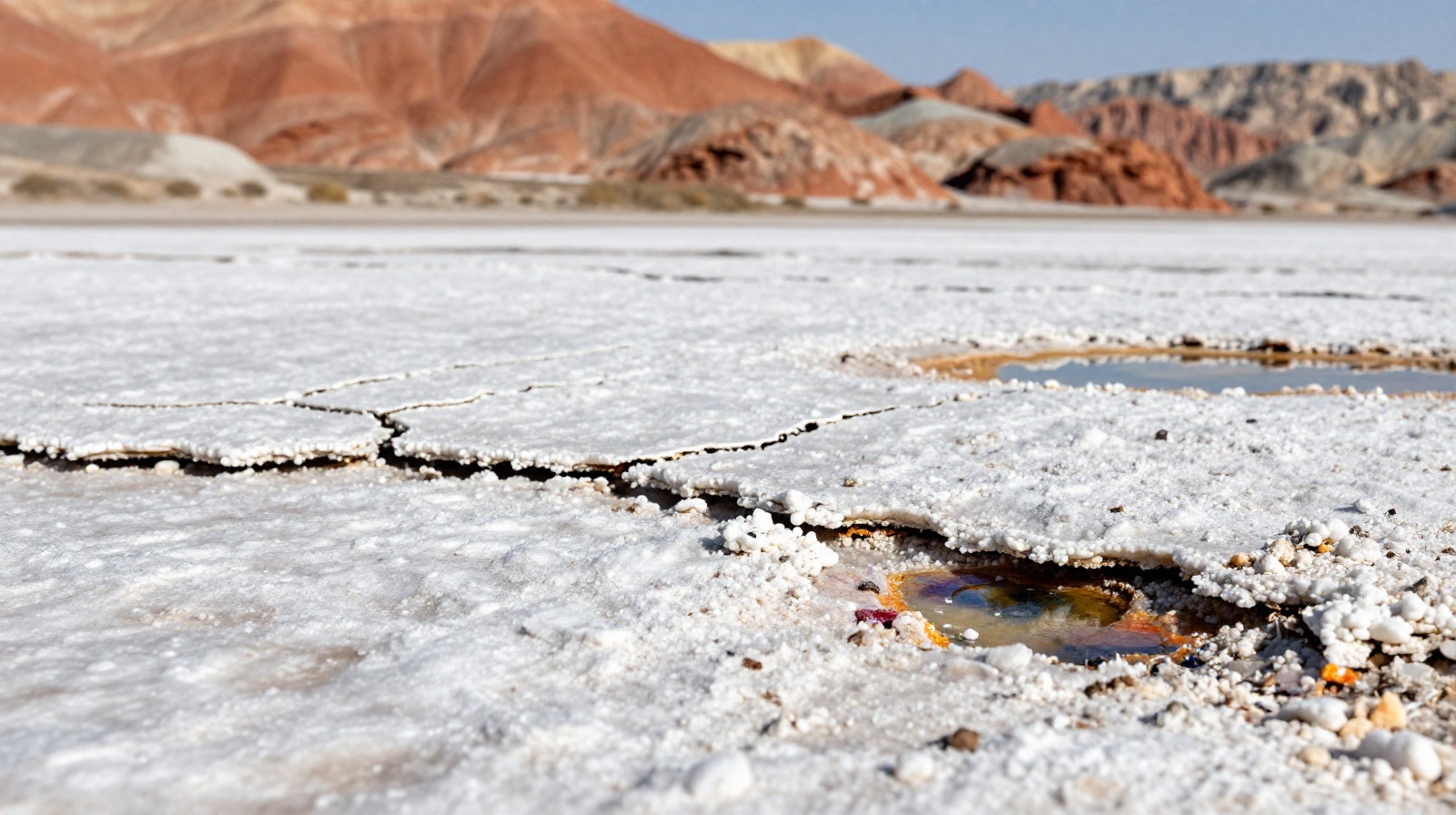
First, you cross the Da Qaidam Lake region. Once a massive ocean, this area is now a mosaic of blue water and white salt. In summer, the heat creates shimmering mirages that look like distant oceans. Further north, the road winds through the yadan landforms. These wind-sculpted hills, some towering 30 meters high, have been eroded over millions of years. Driving past them feels like navigating a surreal movie set.
The most striking sight appears in the late afternoon: the sun dipping behind the red and orange rock formations, casting long shadows that make the landscape look even more Martian. This is where many photographers come from around the world to capture images that resemble NASA’s Mars rover photos.
Survival Tips for the Extreme
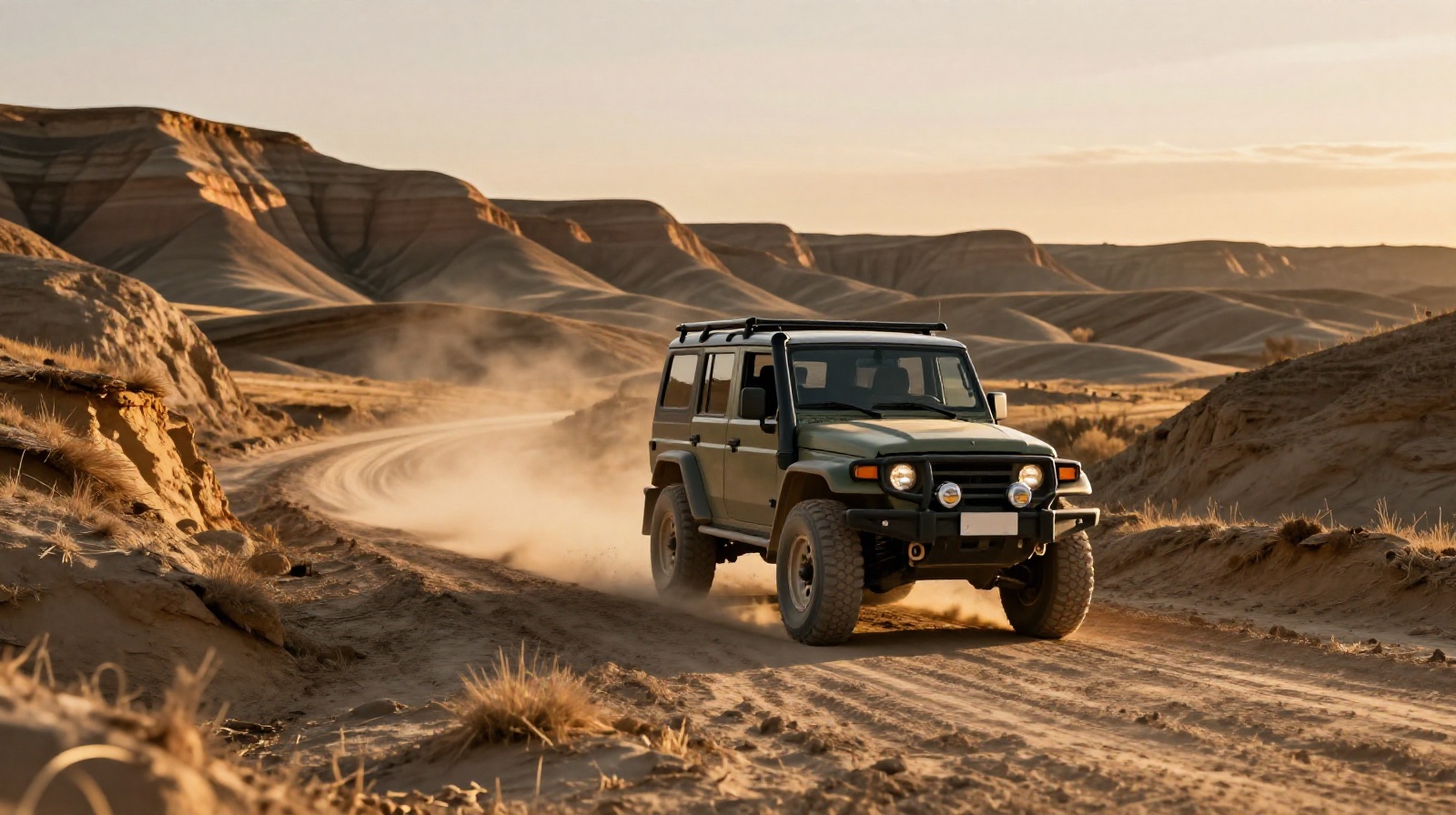
Driving in Qaidam is not a casual weekend trip. It requires serious preparation. The terrain is unforgiving, and services are scarce. A broken-down car could mean days of waiting for help.
Experts recommend four key rules:
- Vehicle Prep: Use high-clearance 4×4 vehicles with all-terrain tires. Carry at least two spare tires and extra fuel cans, as gas stations are often 200 kilometers apart.
- Navigational Redundancy: GPS can fail in deep valleys or near salt flats due to magnetic interference. Always carry a physical map and a satellite phone for emergency communication.
- Water and Food: Carry at least 15 liters of water per person per day, even if the weather seems mild. Dehydration hits faster here than in any other environment.
- Sun Protection: The UV index is extreme due to high altitude. Long sleeves, sunglasses, and sunscreen are non-negotiable.
The Paradox: Mars Landscape, Green Energy
While the landscape looks barren, it is actually a hub of intense human activity. The very emptiness that makes Qaidam look like Mars has become its greatest asset for China’s energy transition.
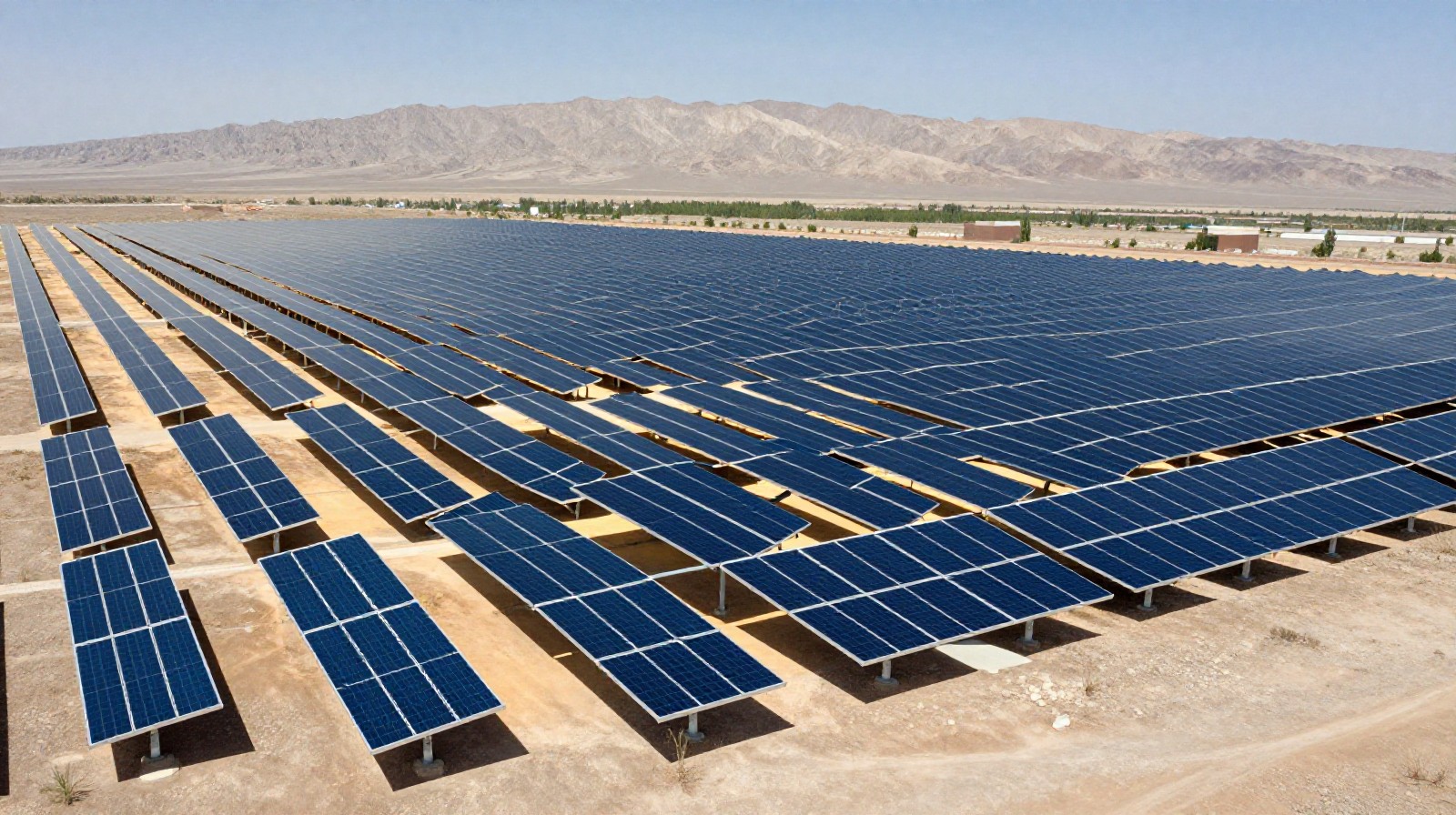
In recent years, massive solar and wind farms have sprung up across the basin. In 2023 alone, the region produced enough renewable electricity to power millions of homes in eastern China. These silver panels stretch as far as the eye can see, creating a surreal contrast: rows of high-tech machinery standing silently amidst ancient salt flats.
This development is not without challenges. Engineers and ecologists work hard to balance energy production with environmental protection. For instance, some solar farms are designed with elevated frames to allow wild animals like Tibetan antelopes to pass underneath. Water usage for cleaning panels is strictly monitored to prevent further desertification.
The story of Qaidam is a microcosm of modern China: where extreme geography meets cutting-edge technology, and where the drive for progress is tempered by a growing awareness of ecological limits.