

Leaving the Grid
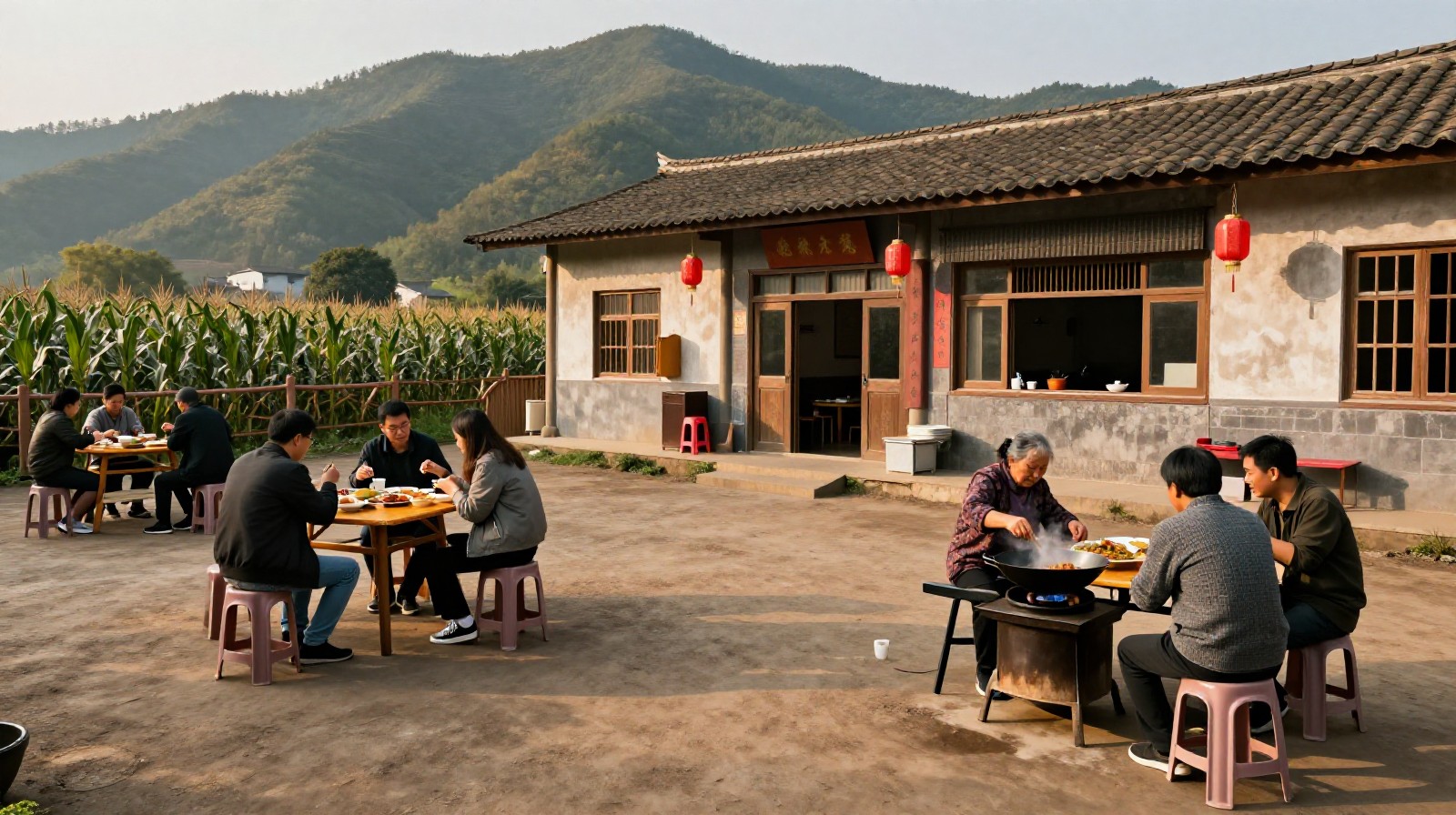
The GPS signal flickers and dies as I turn off the main highway. The air, previously thick with exhaust, suddenly smells of wet earth and burning wood. At 10:30 AM on a Saturday, the narrow dirt road leading to this village is clogged with sedans and SUVs, their license plates from Beijing, Shanghai, and Shenzhen.
This is the ritual of the modern Chinese weekend. We call these places Nongjiale (literally “Happy Farmhouse”). Once simple spots where farmers served extra meals to passing truckers, they have evolved into a massive industry catering to urbanites desperate for a taste of “authentic” life.
The Menu: Handwritten and Seasonal
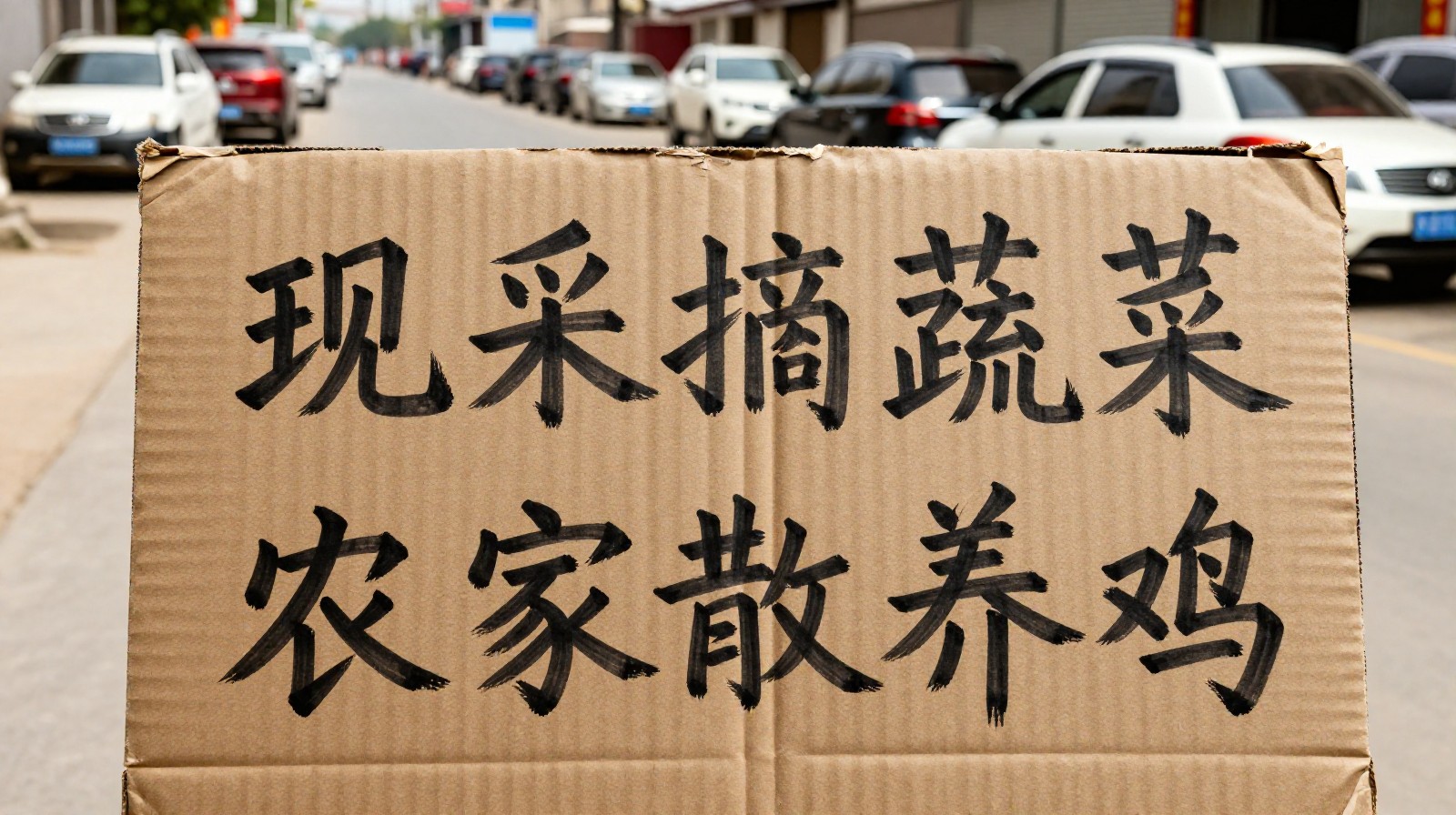
I step onto the wooden porch. There is no digital menu, no QR code to scan. Instead, an old woman in a faded blue apron holds up a greasy piece of cardboard with black marker scribbles.
“Today’s special?” she asks, pointing to a line about green vegetables picked this morning.
In the city, vegetables travel thousands of miles, frozen or chilled, arriving at supermarkets days after harvest. Here, the distinction is immediate. The kitchen isn’t hidden behind a glass wall; it’s visible through a sliding door, cluttered with crates of soil-dusted radishes and chickens scratching in a coop just feet away.
From Soil to Wok: The Taste of Freshness
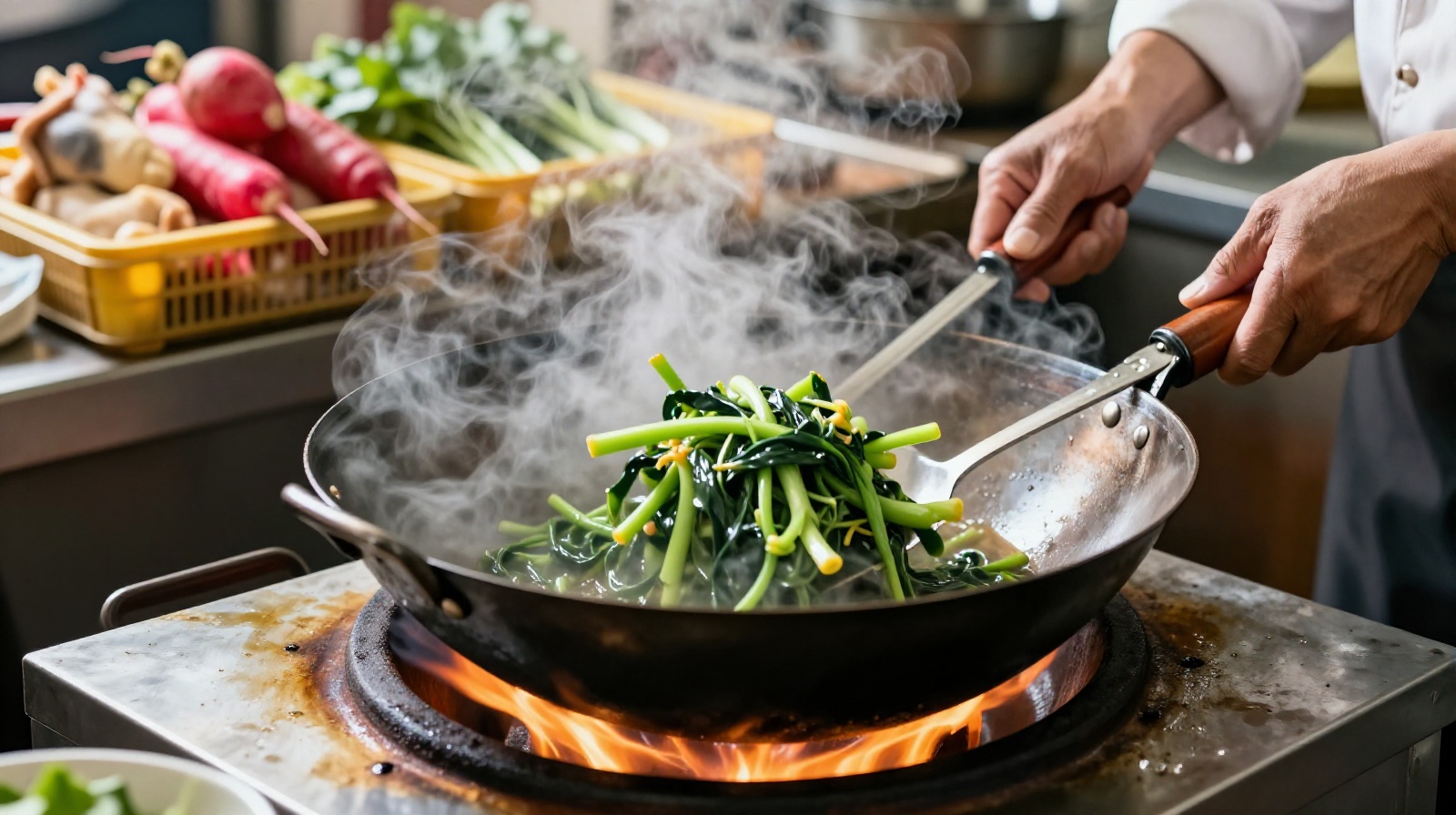
I watch the cook, Uncle Li, chop a bunch of mustard greens. He doesn’t measure; he guesses by feel. In a city restaurant, consistency is king. Every dish at a chain comes out tasting exactly the same, every time. But here, the flavor depends on whether it rained yesterday or if the sun was too hot.
He throws the greens into a wok already smoking from high heat. The sizzle is loud, a sharp contrast to the quiet hum of air conditioning in urban dining rooms. He adds a splash of lard and local soy sauce. No MSG packets are opened. The result is a dish with a distinct “wok hei”—the breath of the wok—that carries a smoky, mineral depth you simply cannot engineer.
The Irony of Authenticity
Sitting at a plastic table under a canvas awning, I chat with Mrs. Zhang, who runs the place with her husband. She laughs when I ask if it’s “real” rural life.
“It is not real,” she admits, wiping sweat from her brow. “We are a business now. But we cook what our neighbors eat.”
This honesty cuts through the romanticized image of China’s countryside often seen in travel brochures. The village isn’t a theme park; it’s a place where people work hard. The chairs are worn, the floorboards creak, and sometimes the water pressure is low. But for many city dwellers like me, that roughness is exactly what we crave.
A Temporary Cure
As I finish my meal, the sun begins to dip behind the hills. The noise of traffic from the highway fades into a distant rumble. For three hours, I haven’t checked my email or worried about the stock market. I’ve eaten food that grew steps away.
The Nongjiale experience isn’t about escaping reality; it’s about connecting to a rhythm that feels slower, grounded in the earth rather than the cloud. It is messy, unpolished, and deeply human.