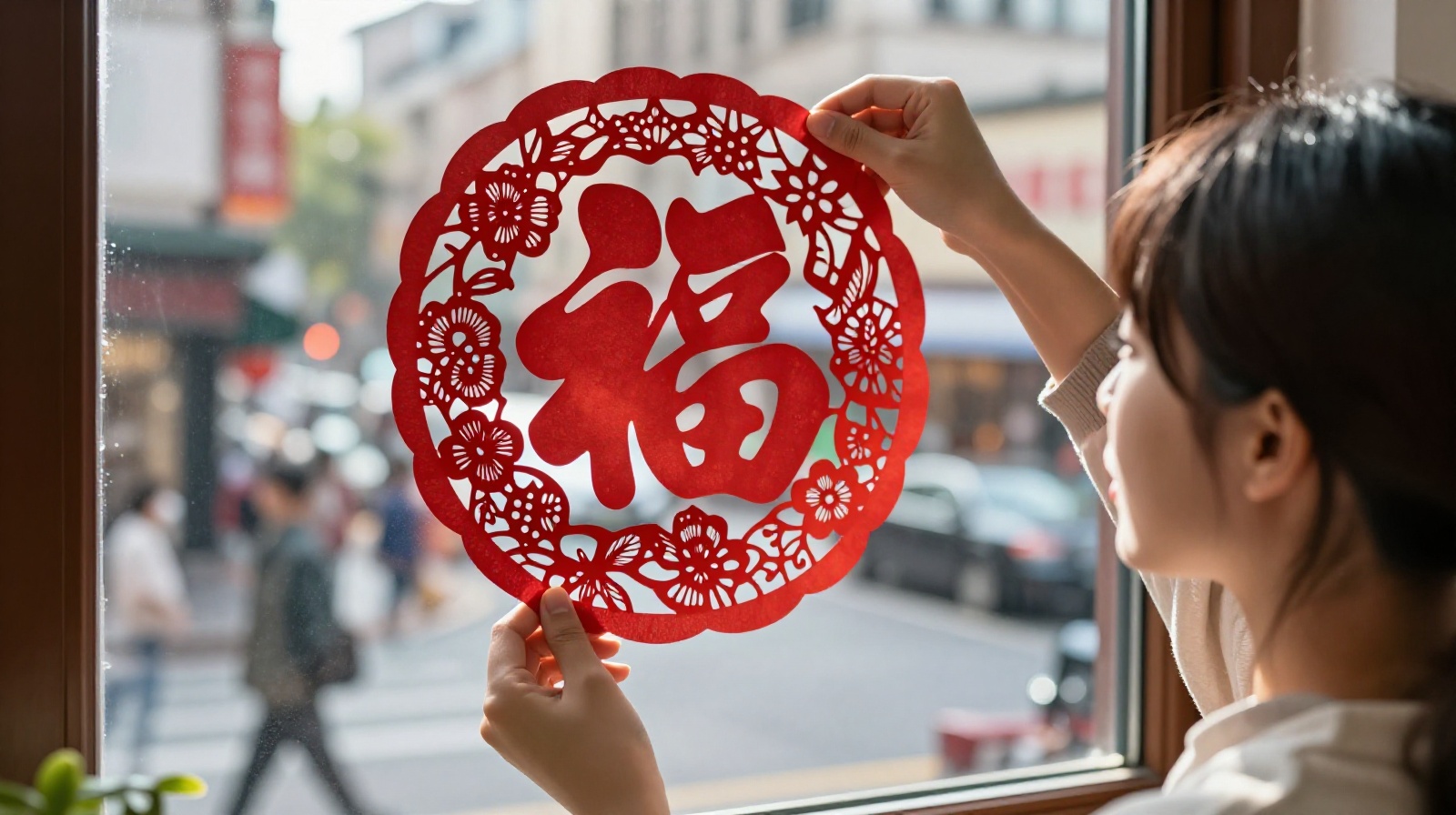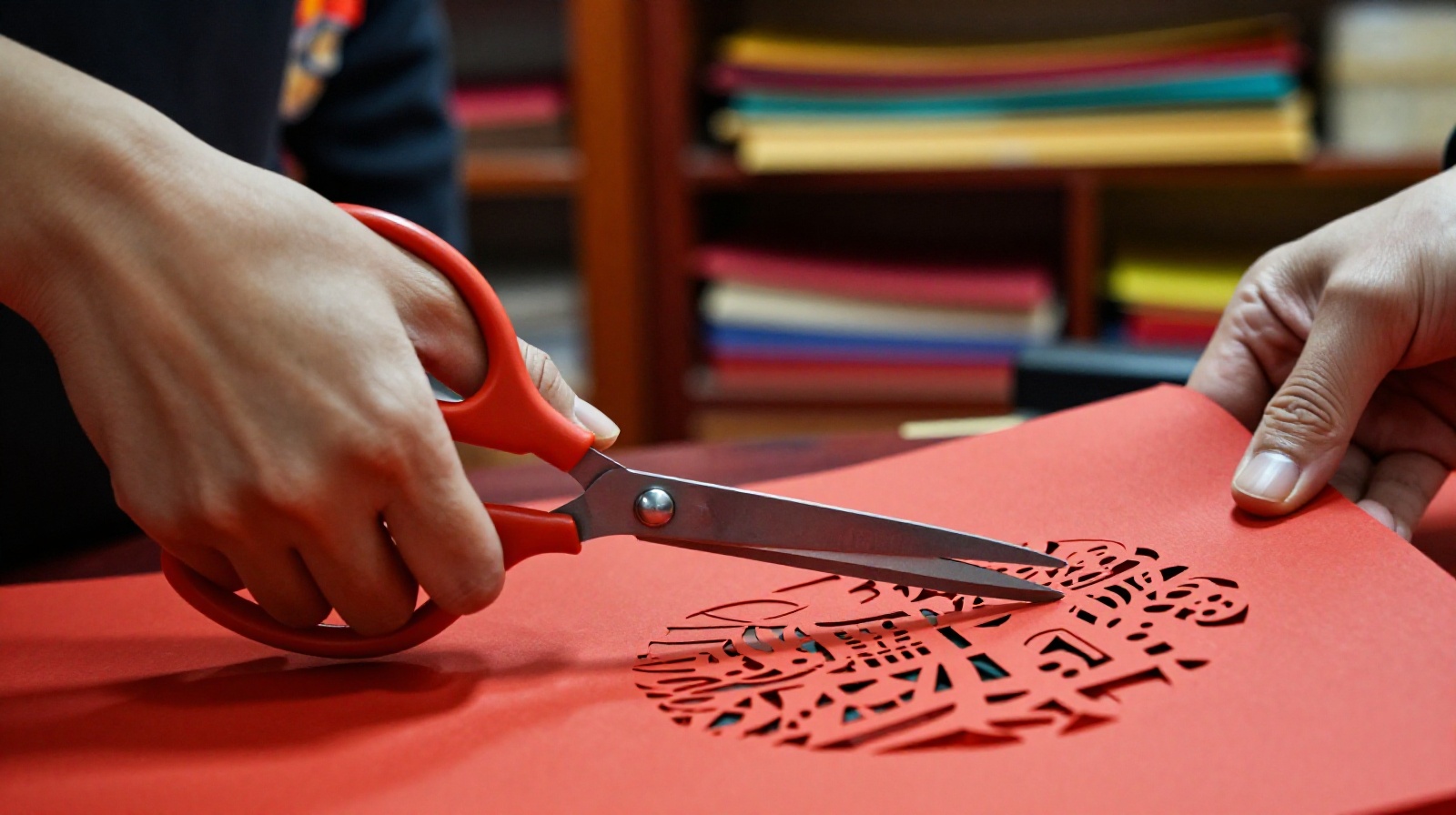
When Speed Meets Tradition
In a quiet studio in Yunnan, the only sound is the sharp snap of scissors and the rustle of red paper. For most people, traditional Chinese paper cutting (Jianzhi) is a slow, meditative art form passed down through generations. But for one master, it has become a high-stakes performance where seconds matter more than months.
Defining the Impossible
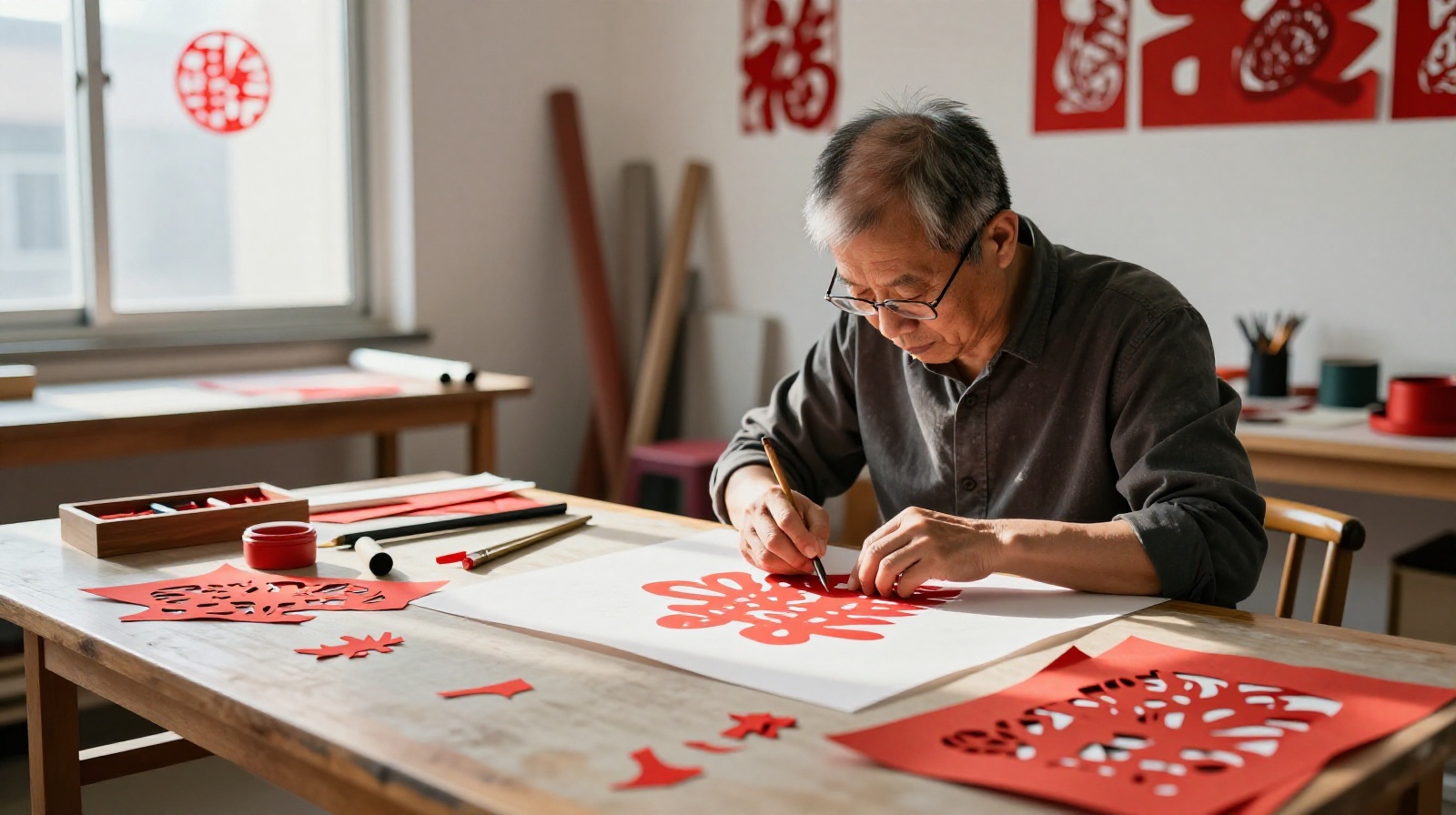
The challenge isn’t just making a design; it’s doing it faster than anyone else in history while maintaining perfect symmetry. The world record for “fastest paper cutting” demands a specific combination: intricate patterns, zero errors, and raw speed measured in seconds. This isn’t about mass production on an assembly line. It is pure human dexterity competing against the clock.
The master we spoke to didn’t just wake up with this ability. The title of “World’s Fastest Paper Cutting Master” is earned through a rigorous process that would make any athlete jealous. It requires mastering the angle of the blade, the tension of the paper, and the rhythm of breathing—all while executing complex motifs like dragons or intricate floral patterns.
Inside the Pressure Cooker
Watching him work feels like watching a sprinter at the starting blocks. His hands move with a blur that defies human perception. In a single minute, he can transform a flat sheet of red paper into a detailed landscape or a symbolic character.
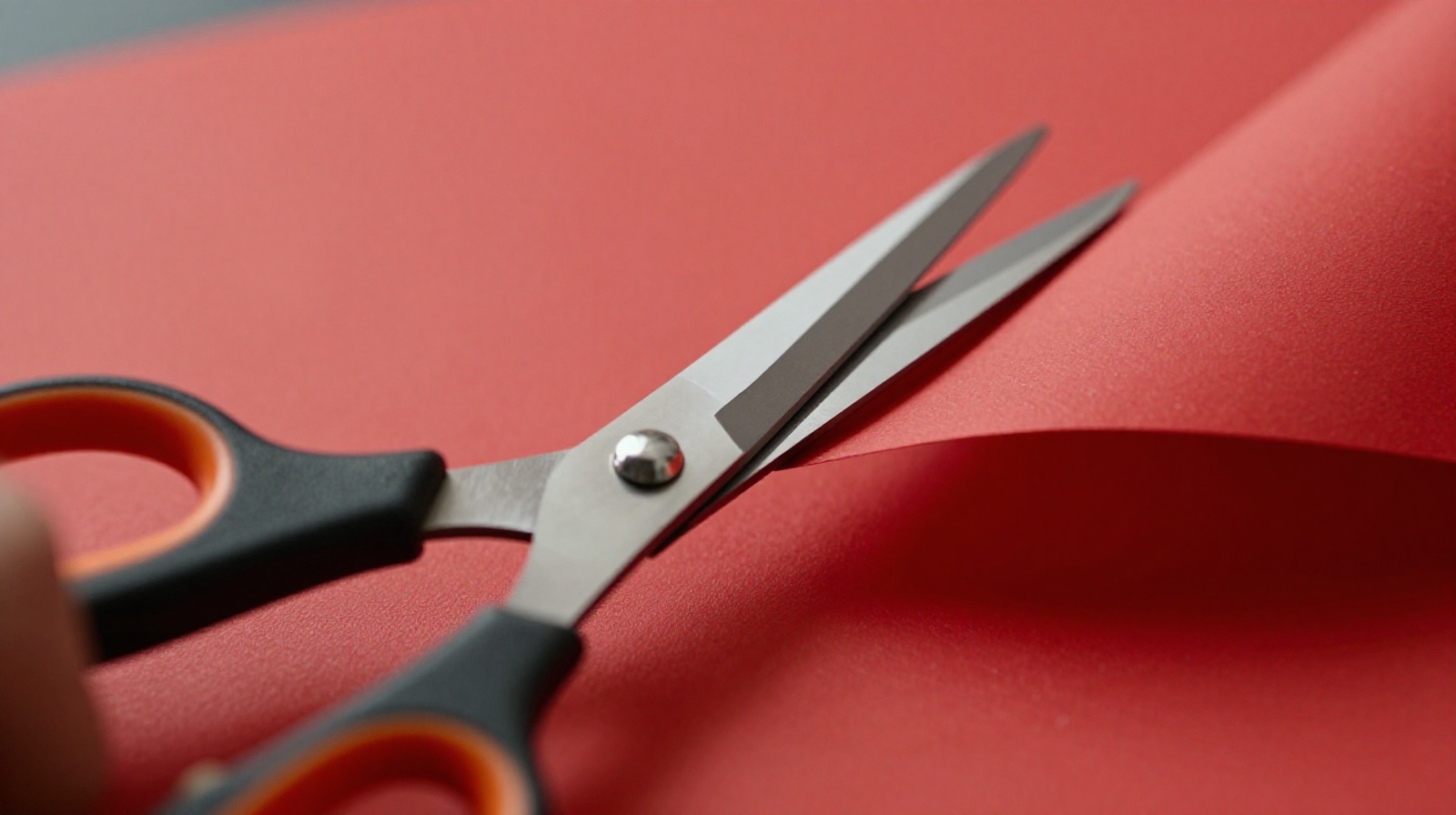
The atmosphere in the competition room is tense. There are no music tracks to set the mood, just the hum of cameras and the silence of anticipation. Every cut must be precise; a single slip means starting over. This pressure cooker environment tests not just skill, but mental fortitude. It’s a dance between chaos and control, where one wrong move shatters years of training.
Decades of Silence
Before the applause and the world records, there were ten years of silence. He spent his youth in a small village, practicing on cheap paper until his fingers were calloused and stained with ink. The path to breaking a record was not paved with glory, but with枯燥 (tedium) and failure.
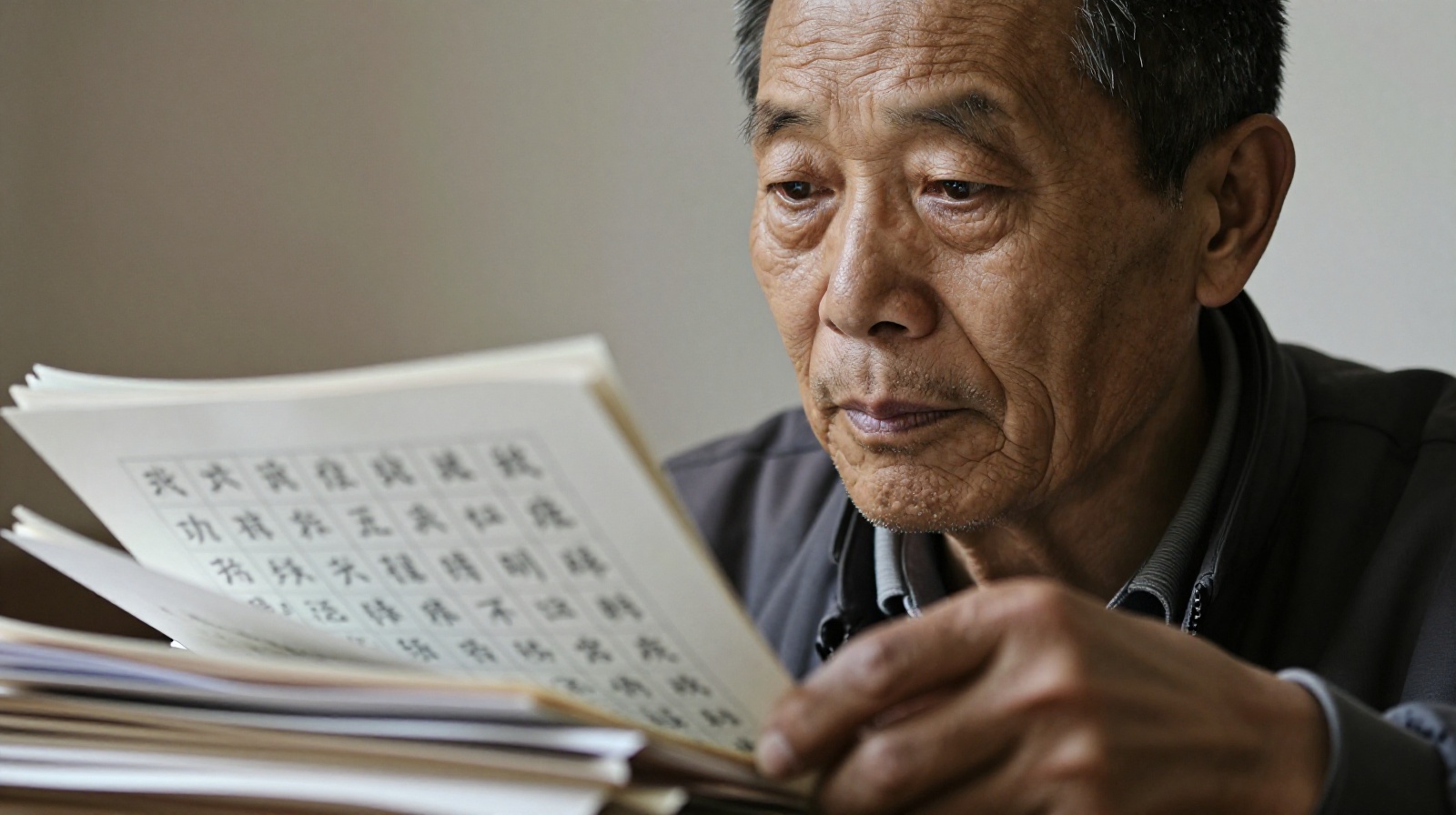
He practiced the same motifs over and over again. Some days, he would cut hundreds of sheets only to discard them all because of a microscopic flaw. This repetitive discipline is what separates a hobbyist from a master. In an era where everything is automated by AI or machines, this human element—flawed but infinitely adaptable—becomes more valuable.
Why Speed Matters Today
You might wonder: why speed up a slow art? The answer lies in the future of culture. By pushing the boundaries of what paper cutting can do, this artist is proving that tradition isn’t static. It can evolve, compete, and thrill modern audiences.
This shift resonates with young Chinese people who are looking for ways to honor their heritage without feeling disconnected from the fast-paced digital world they live in. Paper cutting is no longer just a decoration for weddings or New Year’s; it’s a dynamic art form that speaks to the present.
A Tribute to the Hands
As the final cut is made and the paper unfolds, revealing a masterpiece created in seconds, the audience doesn’t just see a record. They see a testament to human potential. This master isn’t just cutting paper; he is weaving speed, patience, and history into every thread.