


The Hum of the Assembly Line
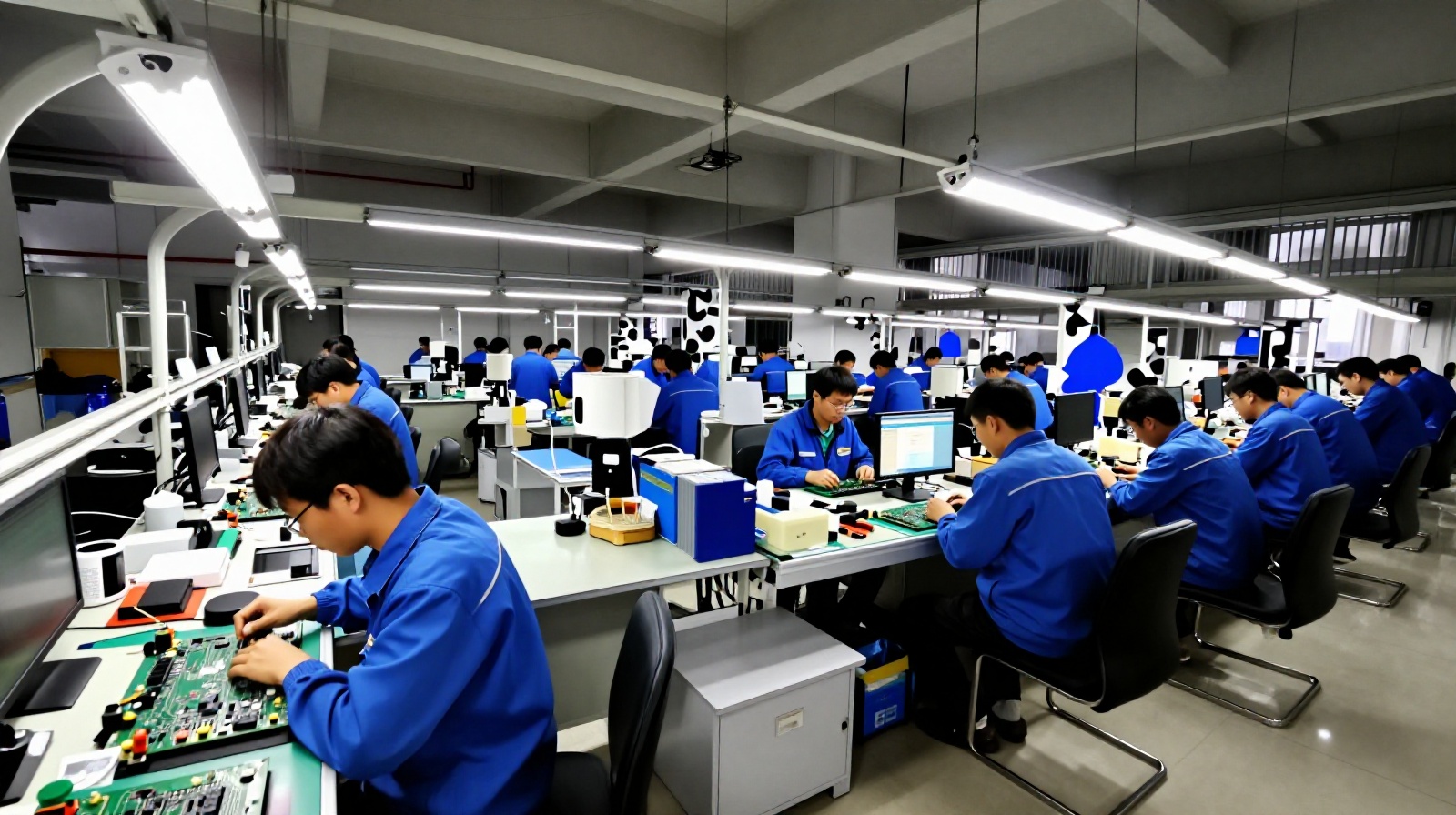
It was 3 a.m. The fluorescent lights in the Shenzhen factory hummed with a low, electric buzz that seemed to vibrate through Lin’s bones. He stood at Station 42, his hands moving on autopilot: pick up the circuit board, solder the wire, pass it to the next station. For six years, this was his entire world. The air smelled of hot flux and stale sweat. His back ached in a familiar rhythm.
Lin was twenty-six then, earning 3,500 yuan a month—enough for dorm rent and instant noodles, but not enough to dream. He watched the city outside the factory gates transform into a glittering skyline of skyscrapers he would never enter. Everyone called Shenzhen “the Silicon Valley of Hardware,” but for workers like Lin, it was just a place where time moved too fast to notice your own life slipping away.
The Turning Point: A Glowing Screen
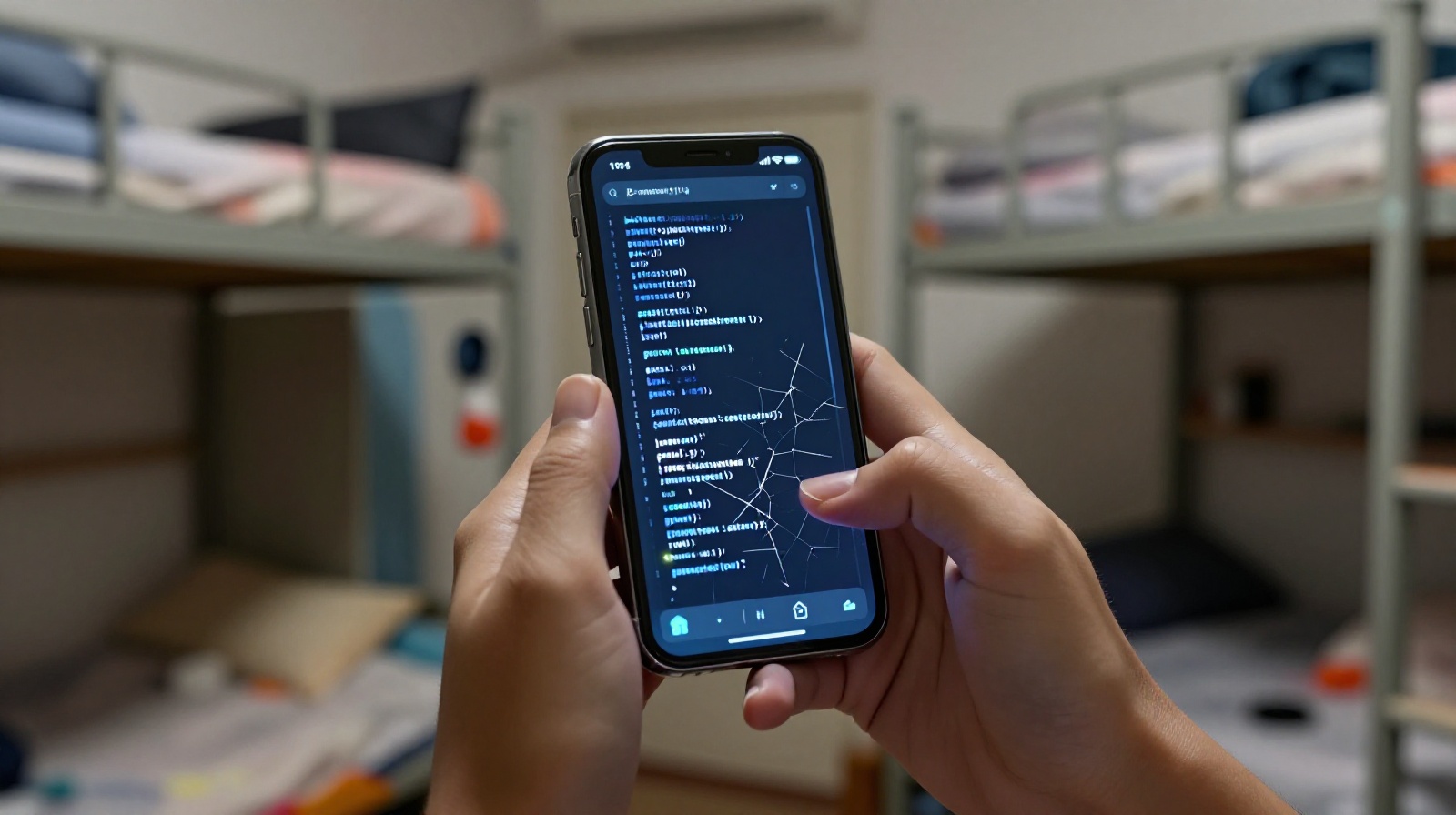
The change didn’t start with a grand plan. It began in the dormitory at 9 p.m., after his shift ended. While his roommates slept or scrolled through Douyin videos, Lin pulled out an old, cracked smartphone and downloaded a coding tutorial app. He had seen news about programmers earning ten times his salary. The idea seemed impossible then, but the screen’s glow offered a different kind of light.
He started with Python. No teacher, no university degree—just the internet. He spent his first month typing code on a keyboard he borrowed from a friend, only practicing while waiting for the bus or in the 20 minutes before sleep. The syntax was confusing; errors made him want to quit. But every time he solved a bug, a small spark of confidence grew.
Trading Sleep for Syntax
The journey wasn’t linear. Lin faced three major walls: exhaustion, cost, and family pressure. Working double shifts left him with no energy to study on weekdays. He had to wake up at 4 a.m. just to code before his factory shift started.
Resources were another hurdle. Buying a laptop was a luxury he couldn’t afford initially, so he used library computers in the city center during his rare days off. When his parents heard about his “hobby,” they worried he was wasting time and money. “Just save for a house or marriage,” they argued. Lin didn’t argue back; he just kept typing.
He joined free online communities, posting questions at 10 p.m. when mentors were awake in other time zones. The Chinese tech community is surprisingly accessible to self-learners. Within two years, his portfolio on GitHub grew from empty folders to a repository of small apps and automation scripts. He wasn’t just learning; he was building proof.

The First Offer: A New Reality
Three weeks after sending out his first resume as a junior developer, Lin got a call. The interviewer asked him to solve a real-world problem on the spot. He typed furiously, his fingers moving faster than they ever had on the assembly line. When he finished, the silence in the virtual room was heavy—then came the offer.
The salary was 15,000 yuan a month. More importantly, the job required him to work at a modern office tower in Nanshan District, not a factory floor. Moving into his own apartment felt like stepping into a different country. The air didn’t smell of solder anymore; it smelled of coffee and new books.

The City That Rewards Risk
Shenzhen is unique because its geography and economy are built on mobility. Unlike older Chinese cities where connections often matter more than skill, Shenzhen’s culture celebrates the “newcomer.” The city doesn’t ask about your family name or your hometown; it asks what you can build.
Lin’s story isn’t an isolated miracle. Thousands of people in China are using the digital economy to leapfrog traditional career paths. From rural teachers coding apps for local markets to factory workers learning AI training data labeling, the barrier to entry is lower than ever. The government has expanded internet access and vocational training programs, making this kind of mobility possible.
But it’s not a fairy tale without struggle. Lin still works long hours. He faces the same stress as any developer globally: tight deadlines and constant learning. Yet, he looks at his code now with pride, knowing that every line is a bridge from a life of repetition to one of creation.