The Surprise in the Soup
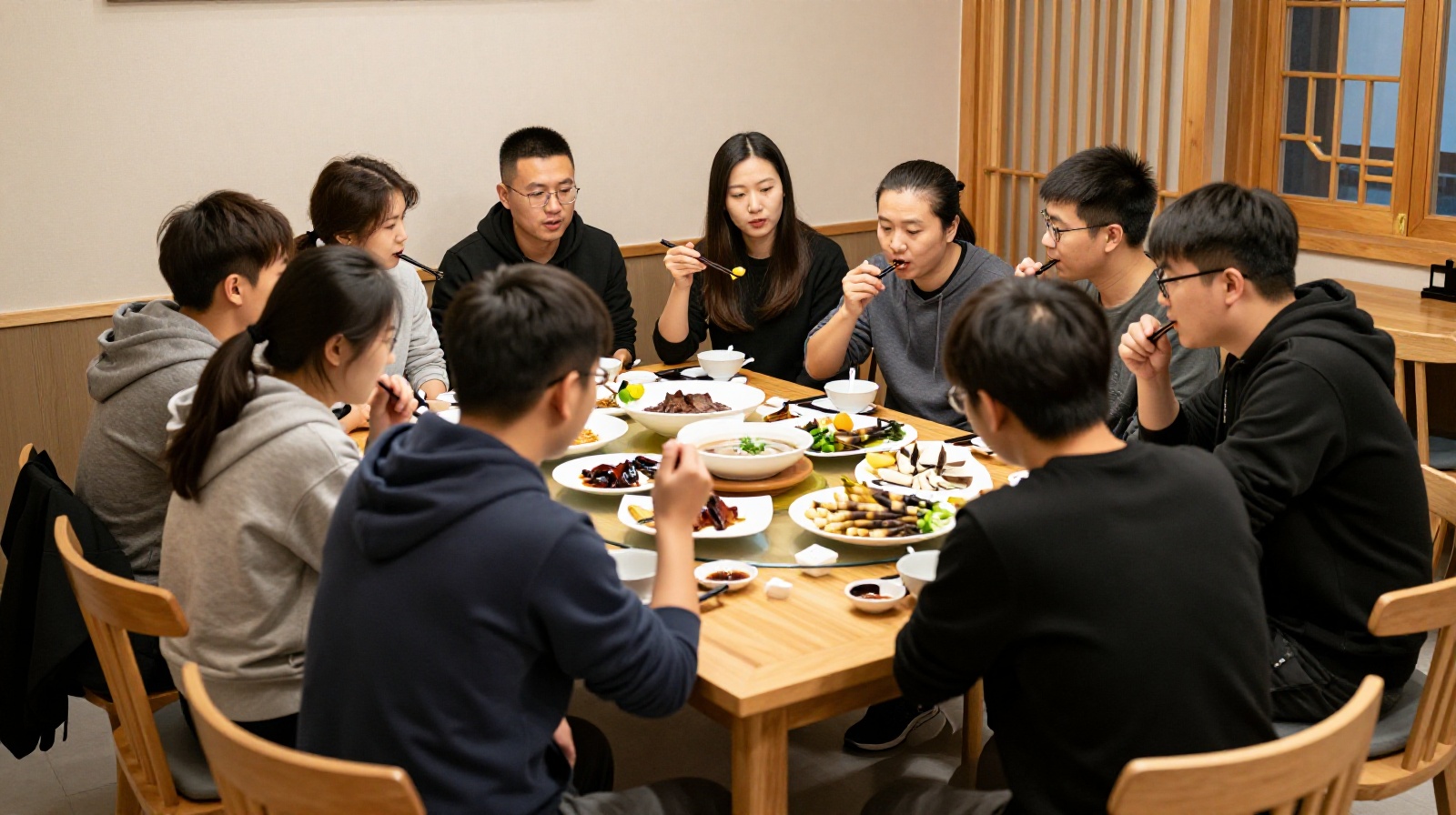
Imagine a bowl of soup that looks like clear water but explodes with the taste of aged ham. Or a dumpling skin so thin it feels like silk, yet holds a filling made of fermented mushrooms and pea protein. This isn’t a scene from a sci-fi movie; it’s a Tuesday night in a bustling restaurant in Shanghai.
For decades, Western observers often associated Chinese food with familiar street stalls or heavy, oil-rich banquet dishes. But if you walk into the fine dining halls of modern China today, you’ll find something different. A new wave of chefs is dismantling old stereotypes, blending high-tech science with deep-rooted culinary traditions.
Bridging Science and Tradition
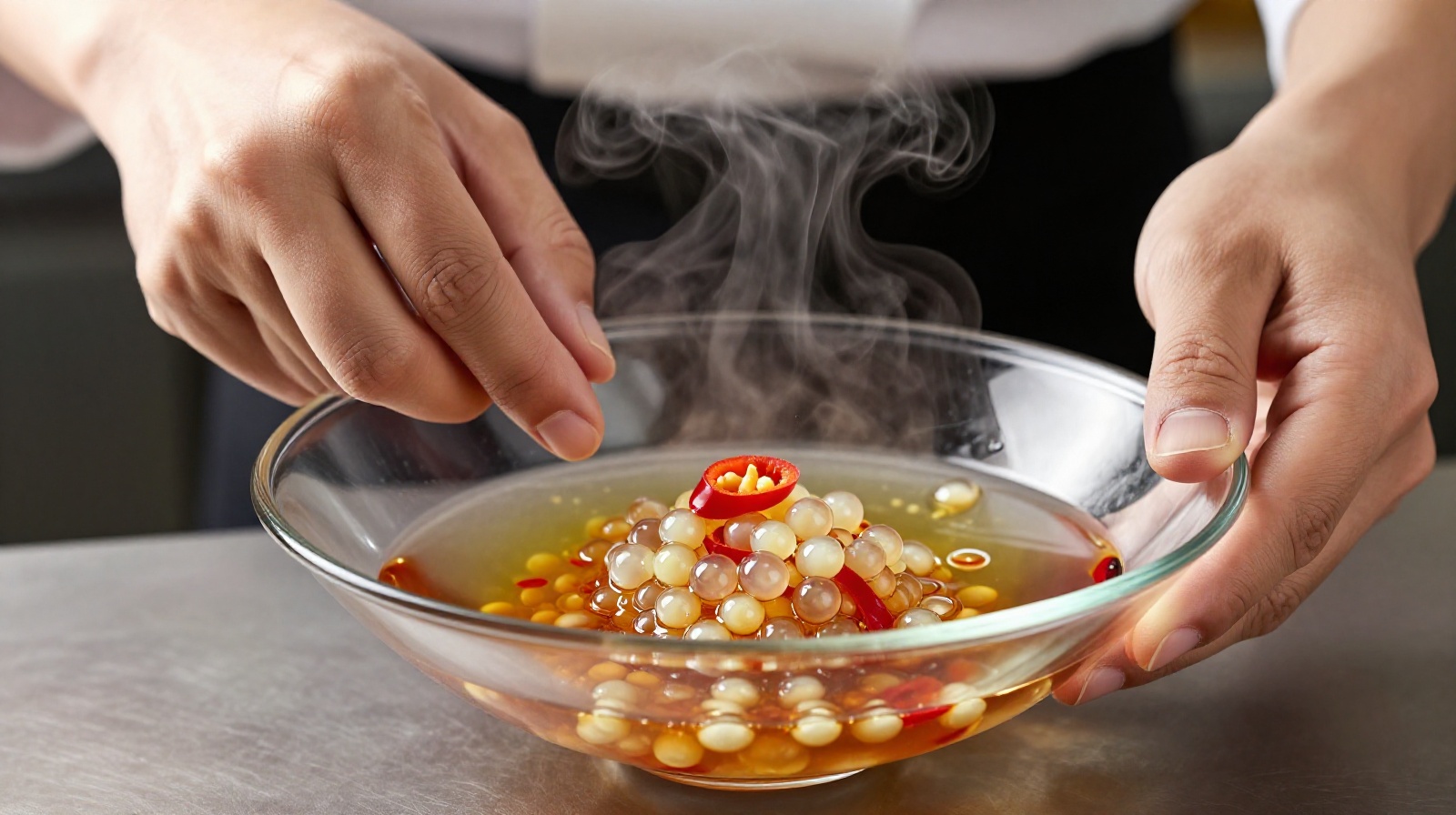
The term “molecular gastronomy” might sound intimidating to some, but in China’s kitchens, it has become a tool for rediscovery rather than just spectacle. It involves using spherification (turning liquids into caviar-like pearls) or foams to intensify flavors that have existed in Chinese culture for centuries.
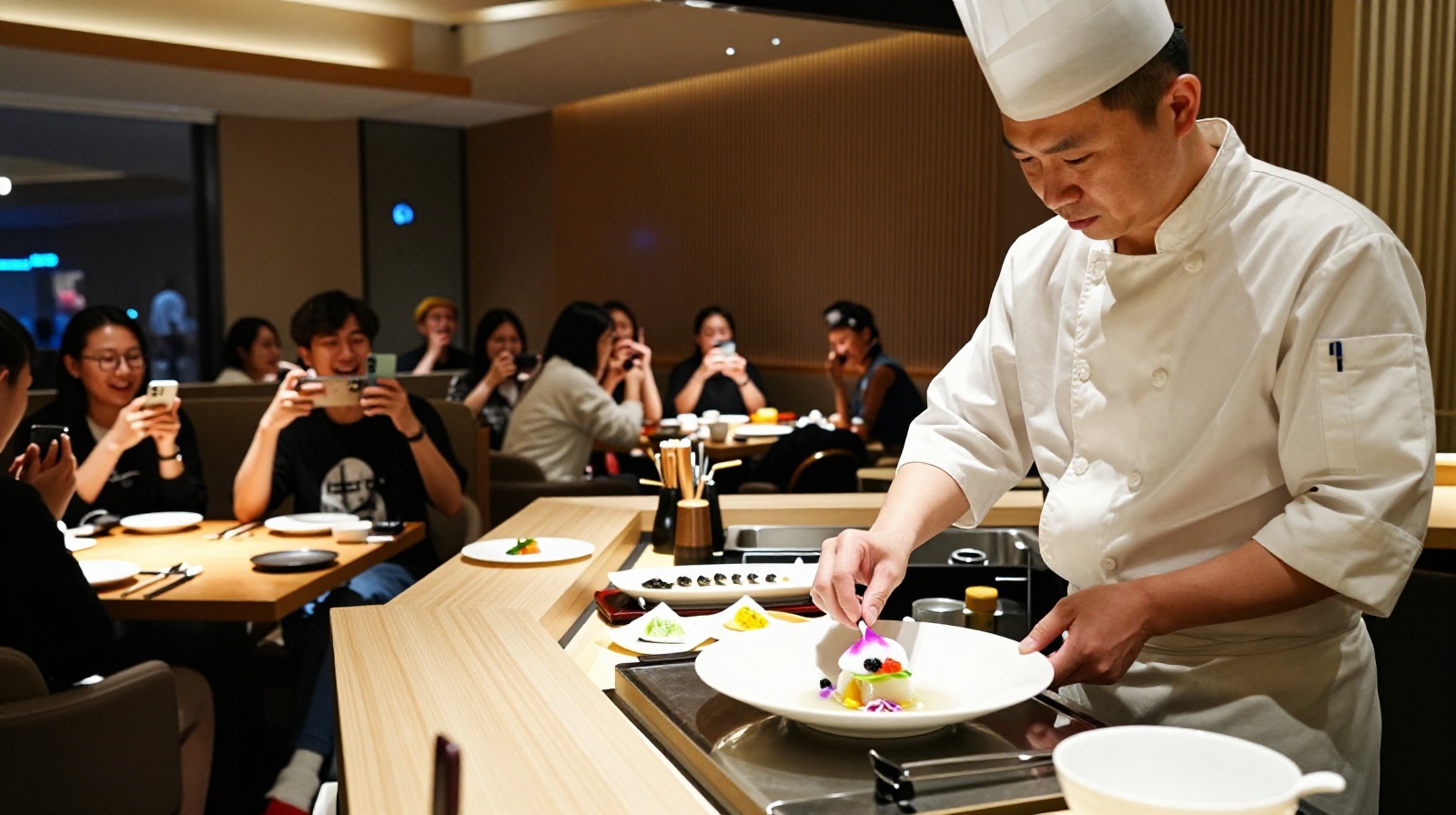
Take Chef Lin Wei from Chengdu. He grew up eating spicy hotpot but felt it lacked a modern narrative. “We don’t use these tools to confuse people,” he explains while plating a dish where the chili oil is suspended as a delicate foam on top of a clear broth. “We use them to reveal the soul of the ingredient in a way my grandmother never could.” His restaurant, which often seats young professionals and tech workers after their shifts, has become a hotspot where traditional Sichuan flavors meet precision science.
The Rise of Radical Plant-Based Dining
While some chefs play with chemistry, others are driven by a shift in societal values. In China’s tier-one cities, the rise of “creative veganism” is not just about health; it’s a cultural statement. Unlike the bland salads often associated with Western vegetarianism, Chinese plant-based dining is bold, textural, and deeply flavorful.
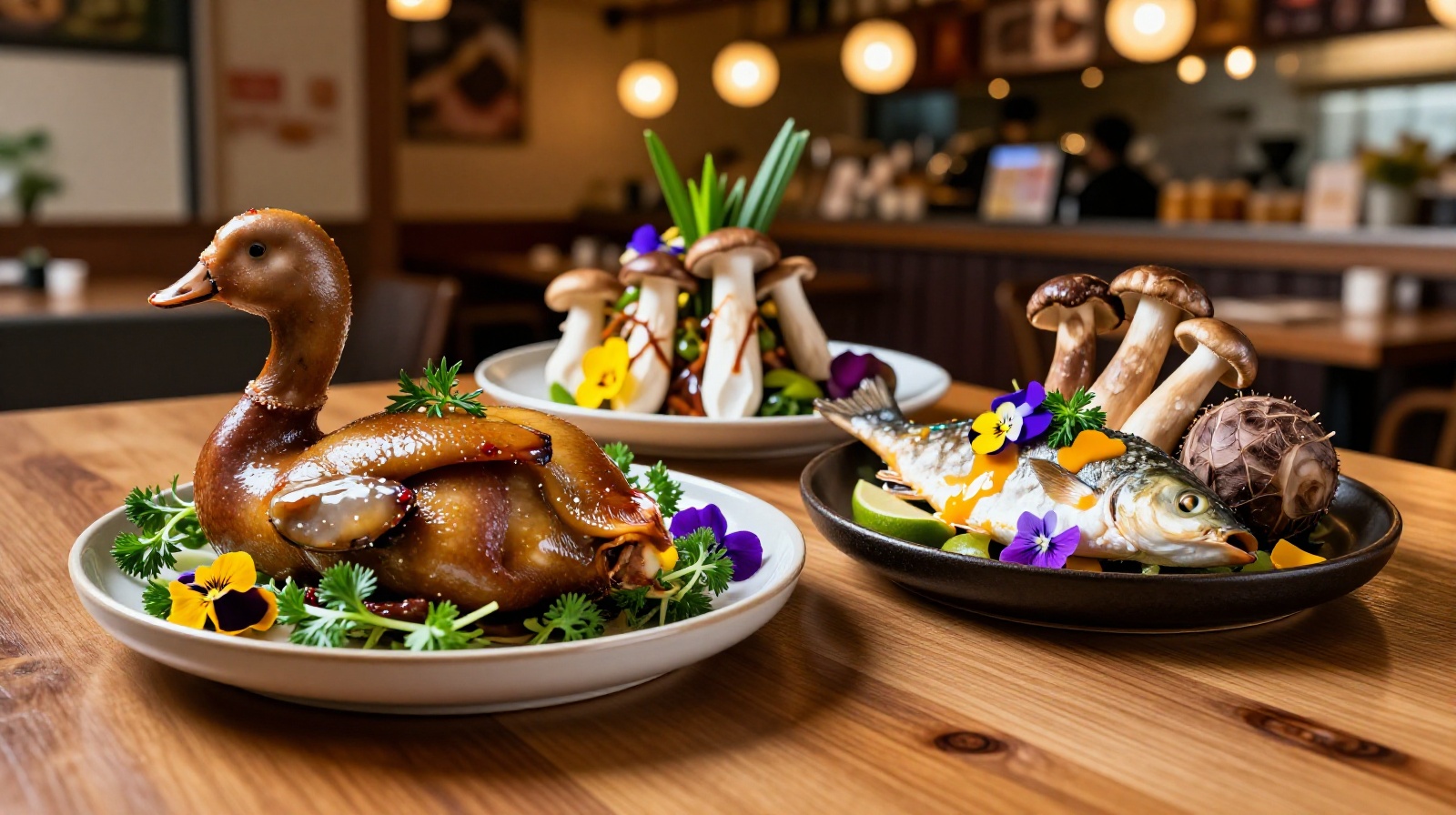
This trend is fueled by two powerful forces: a growing middle class concerned about food safety and environmental impact, and a younger generation eager to define their identity through consumption choices. In Beijing’s trendy neighborhoods, you can find restaurants where “duck” is made from gluten and mushrooms, and “fish” is crafted from taro root, all seasoned with ancient Chinese spices.
Reshaping the Image of Fine Dining
These chefs are doing more than just cooking; they are rewriting the rules of what it means to be a top-tier chef in China. The old model often relied on serving expensive, exotic ingredients like shark fin or bird’s nest. The new generation challenges this by proving that creativity and technique matter more than price tags.
Consider Chef Zhang Min in Shanghai, who recently opened a small bistro with only 12 seats. Her menu changes daily based on what local farmers can provide. “I want my diners to taste the season,” she says. One night, it might be bamboo shoots from a nearby forest; the next, it could be wild herbs foraged by locals. This hyper-local approach has resonated deeply with Chinese consumers who are increasingly valuing sustainability and authenticity.
A Global Table
The impact of this revolution extends far beyond China’s borders. As these chefs gain international recognition, they are shifting the narrative from “Chinese food is cheap” to “Chinese cuisine is avant-garde.” Young travelers and foodies visiting Shanghai or Guangzhou are no longer just looking for Peking duck; they are hunting for experiences that challenge their palate.
This change reflects a broader confidence in Chinese culture. Just as Chinese technology and design have gained global respect, so too has its culinary art. The next time you hear about a chef experimenting with liquid nitrogen or fermenting soybeans for months to create a new umami profile, remember: it’s likely happening in China, driven by a generation that refuses to be boxed in.