

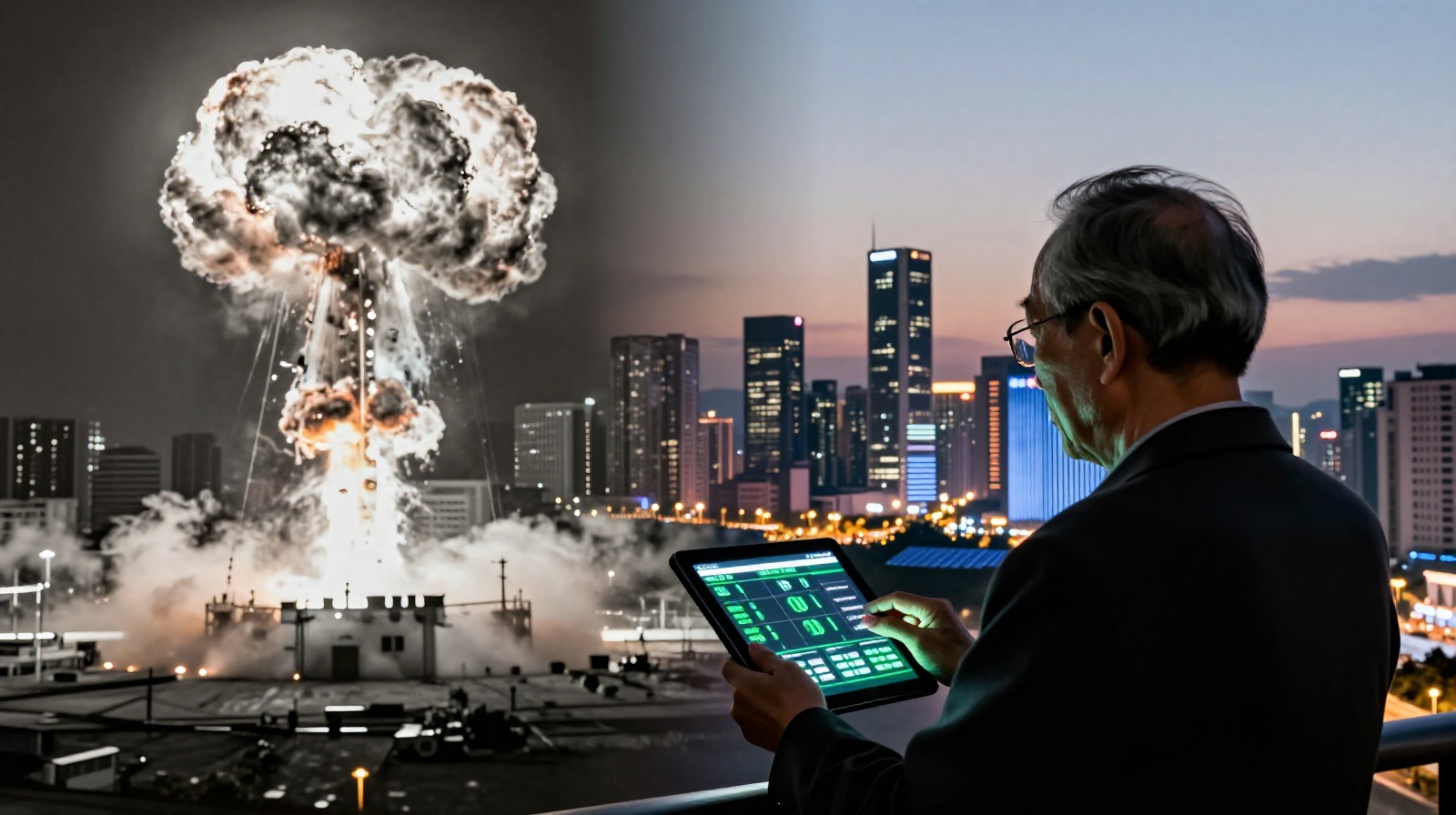
The Man Who Tamed the Bomb
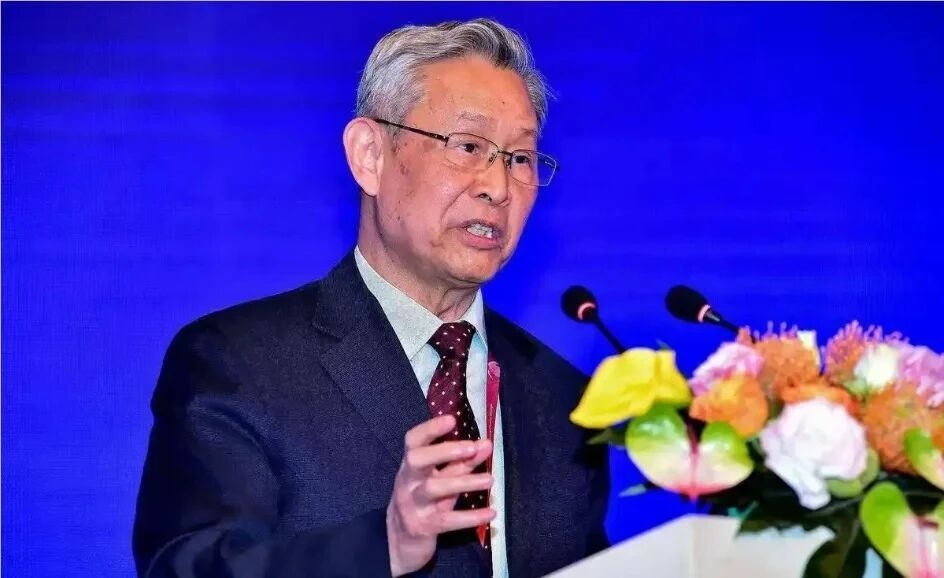
Imagine a man who spent decades mastering the most destructive force on Earth. Du Xiangwan is one of China’s most distinguished physicists, a key figure in developing the country’s nuclear weapons and leading its laser weapon projects. For 79 years, his life was defined by controlling immense energy for defense.
But in 2018, the retired academician made a radical pivot. Instead of resting in retirement, he turned his attention to something far less glamorous but equally critical: the mountains of trash choking Chinese cities.
The contrast is stark. One deals with nuclear fire; the other with rotting food and plastic. Yet Du saw a fundamental connection. “If I can control the temperature inside a nuclear reactor with precision,” he famously said, “then I certainly know how to manage the fire in a trash incinerator.”
China’s Waste Crisis: A Mountain of Problems
To understand why this shift mattered, you have to look at China in 2015. The country was drowning in its own success. As the world’s factory, it produced 260 million tons of waste annually.
Beijing alone was surrounded by over a thousand landfill sites. In Shenzhen, the Yulongkeng site had grown into a 110-meter-high mountain of trash weighing 4.1 million tons. These landfills were not just eyesores; they were poisoning the soil and groundwater below.
The alternative was incineration, but it carried its own nightmare: dioxins. When garbage burns incompletely, it releases dioxins—highly toxic chemicals that can cause cancer and reproductive issues. For decades, this technical hurdle made large-scale incineration impossible in many places, including China. The industry struggled to find a way to burn trash cleanly at scale.
The “Washboard” Breakthrough
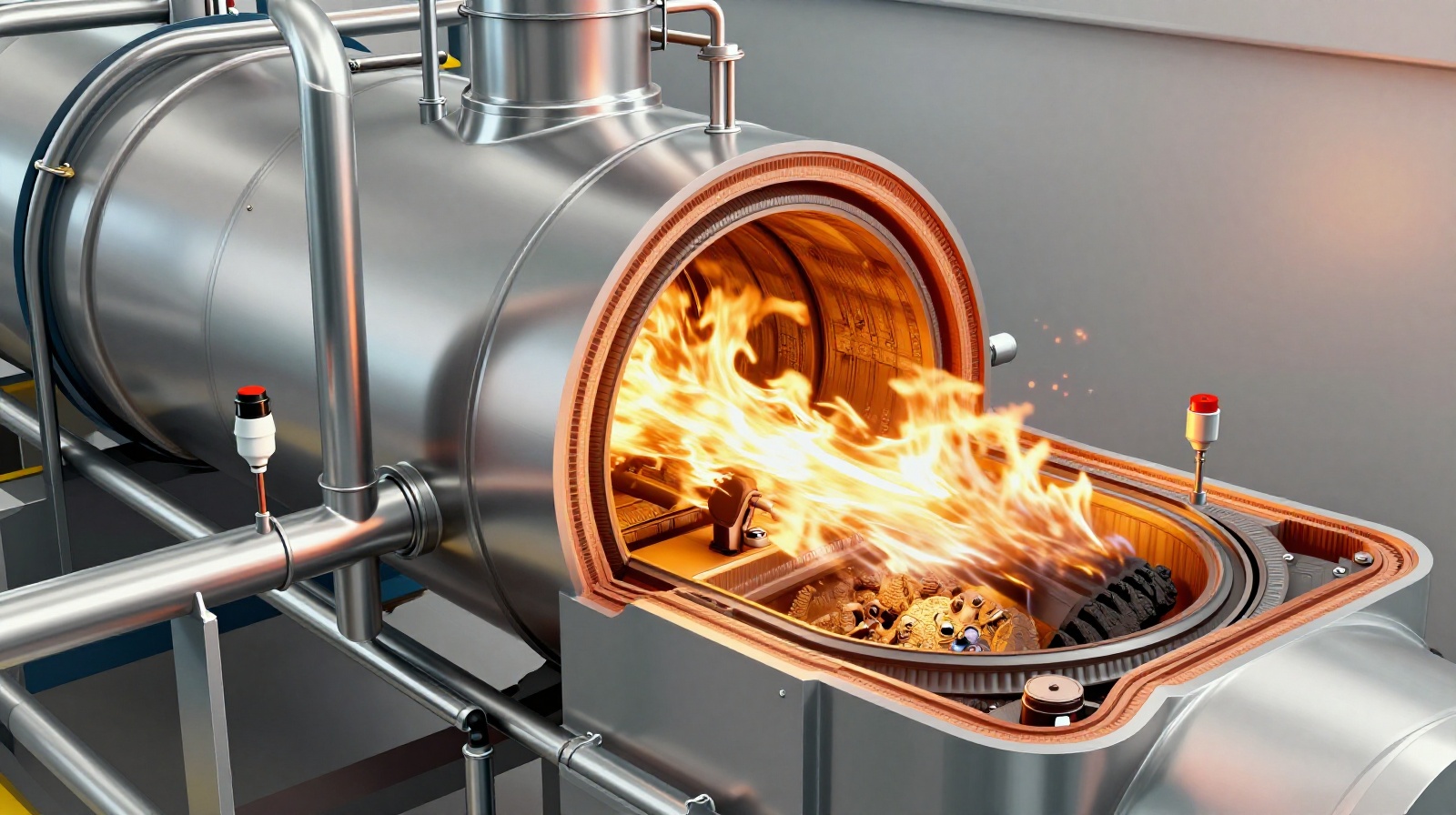
Enter the academician’s team. They didn’t just bring experience; they brought the physics of nuclear energy. Du and his engineers applied principles from high-temperature nuclear reactors to the design of garbage furnaces.
They developed a revolutionary furnace structure, nicknamed the “washboard” design due to its unique corrugated interior. This wasn’t cosmetic; it was fluid dynamics engineering at its finest. The design ensured that every piece of waste was tossed into the fire, mixed thoroughly with oxygen, and subjected to extreme heat.
The results were immediate and precise:
- Temperature Control: The furnace maintained a constant 1,100°C (2,012°F). At this temperature, dioxins cannot form.
- Time Factor: Waste gases stayed in the combustion chamber for at least two seconds, ensuring complete decomposition.
- Clean Output: The team achieved a 99.9% decomposition rate for dioxins. Emissions were measured at just 0.012 nanograms per cubic meter—five times cleaner than strict European Union standards.
Beyond pollution control, the efficiency skyrocketed. Burning efficiency reached 99.5%, nearly four times better than a decade ago. With AI-driven sensors adjusting the process in real-time, energy output per ton of waste increased by 4.5%.
From “Toxic Waste” to City Power
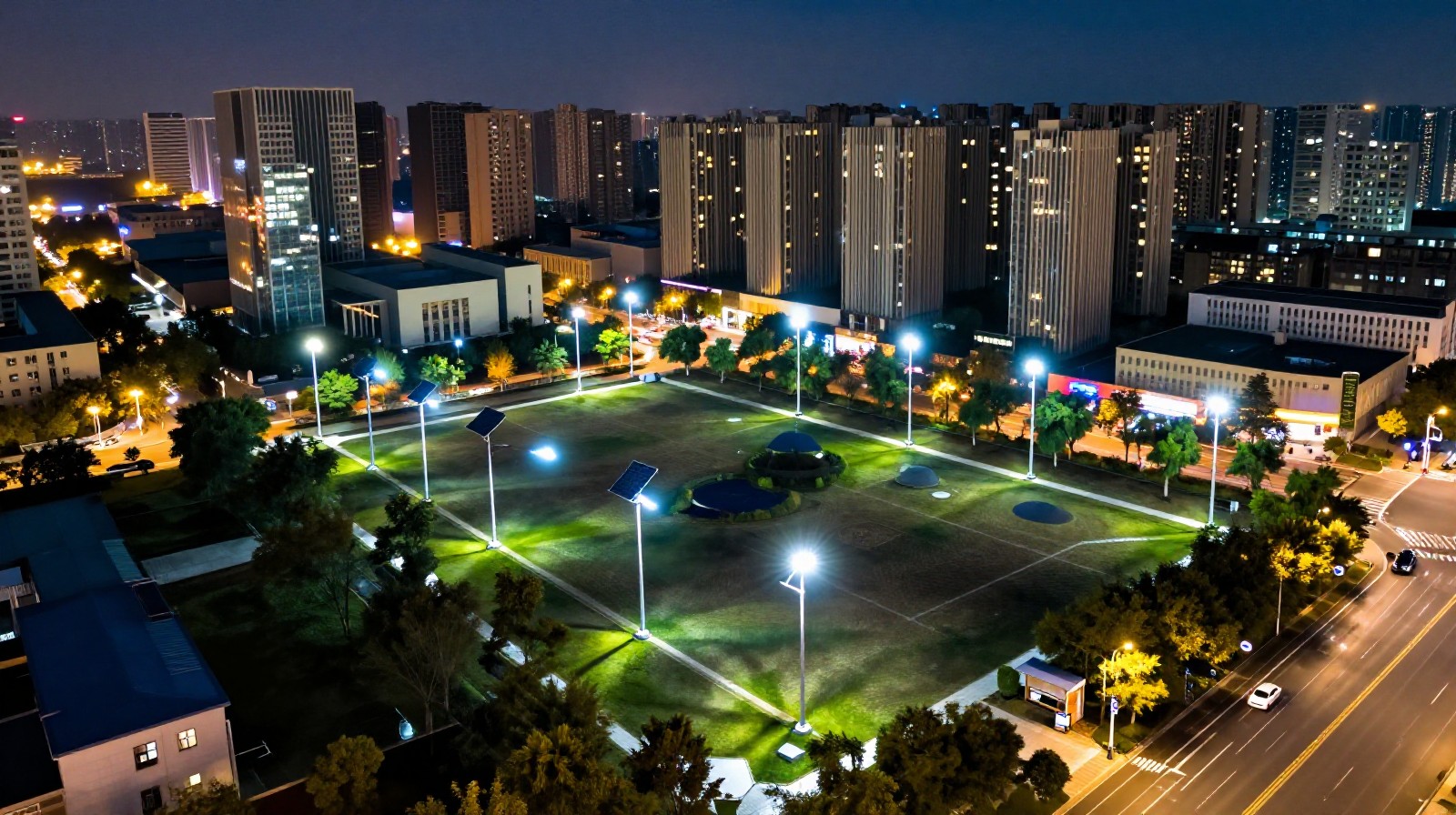
The technology does more than clean up; it powers cities. The heat generated from burning this trash is converted into electricity, feeding directly into the local grid. This turns a liability into an asset.
Du’s philosophy was simple yet profound: “Trash is just gold placed in the wrong location.” By applying high-tech solutions to everyday problems, his team helped redefine what Chinese cities look like. The “Waste-Free City” concept he championed is now driving policy across the nation.
This story isn’t just about one scientist’s late-career heroics. It is a window into how China approaches modern challenges. When faced with a massive infrastructure problem, the country leverages its deepest technical expertise—sometimes from the most unexpected fields—to find solutions that are both efficient and sustainable.
Today, the cities that once feared their own trash now see it as a resource. The transition from nuclear weapons to city lights is complete, proving that the same precision used to build bombs can be repurposed to build a cleaner future.