

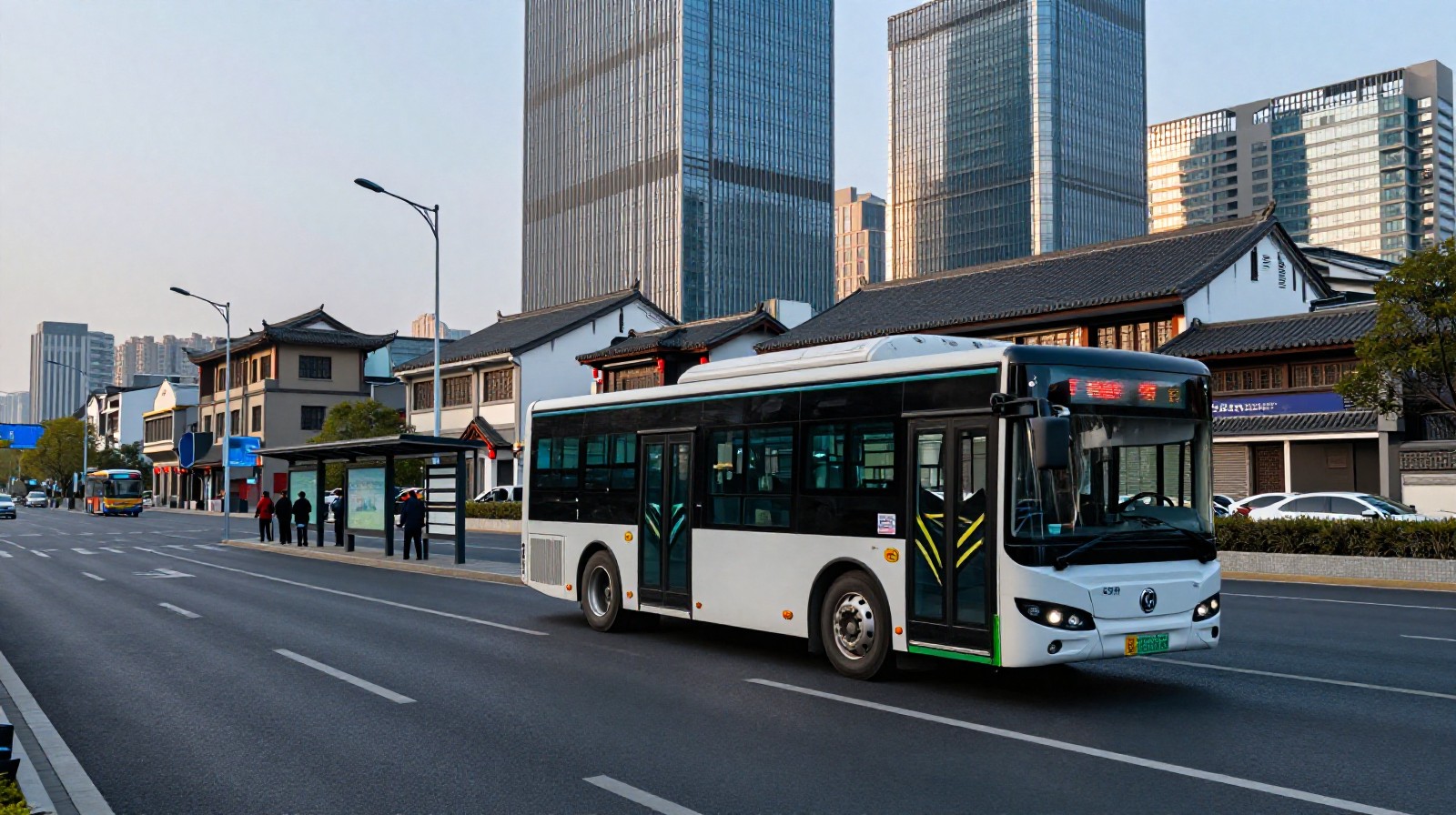
From Policy to Pavement: A Walk Through a City’s Electric Bus Stop
It is 7:15 AM in Chengdu. The air smells faintly of roasted sweet potatoes from a street vendor, but the roar of diesel engines that used to define rush hour is gone. In its place is a low hum.
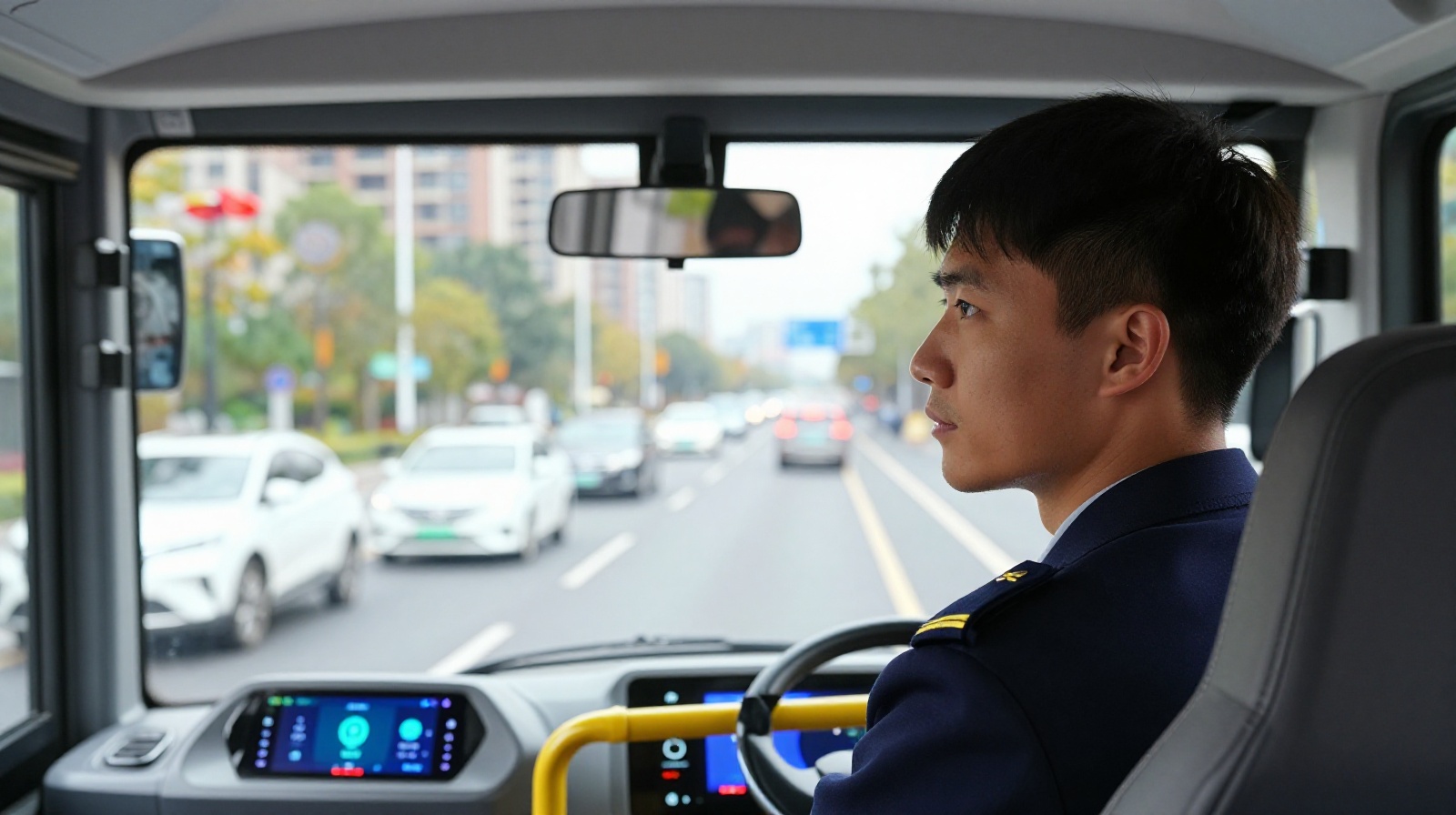
I am standing at a bus stop in the city’s new district. A sleek, white electric bus glides in silently. The driver, Li Wei, 28, checks his rearview mirror. He started driving diesel buses five years ago. Now, he drives an EV. “The air is cleaner,” he tells me, wiping sweat from his forehead. “And the electricity bill for the city? It’s cheaper than we thought.”
This isn’t just a policy directive from Beijing. This is a daily reality for millions of commuters. China has become the world’s largest market for electric vehicles (EVs), with sales outpacing traditional cars for several years running. But the shift goes beyond what you see on the highway.
The Young Workforce: Why Gen Z in Chengdu is Choosing EV Repair
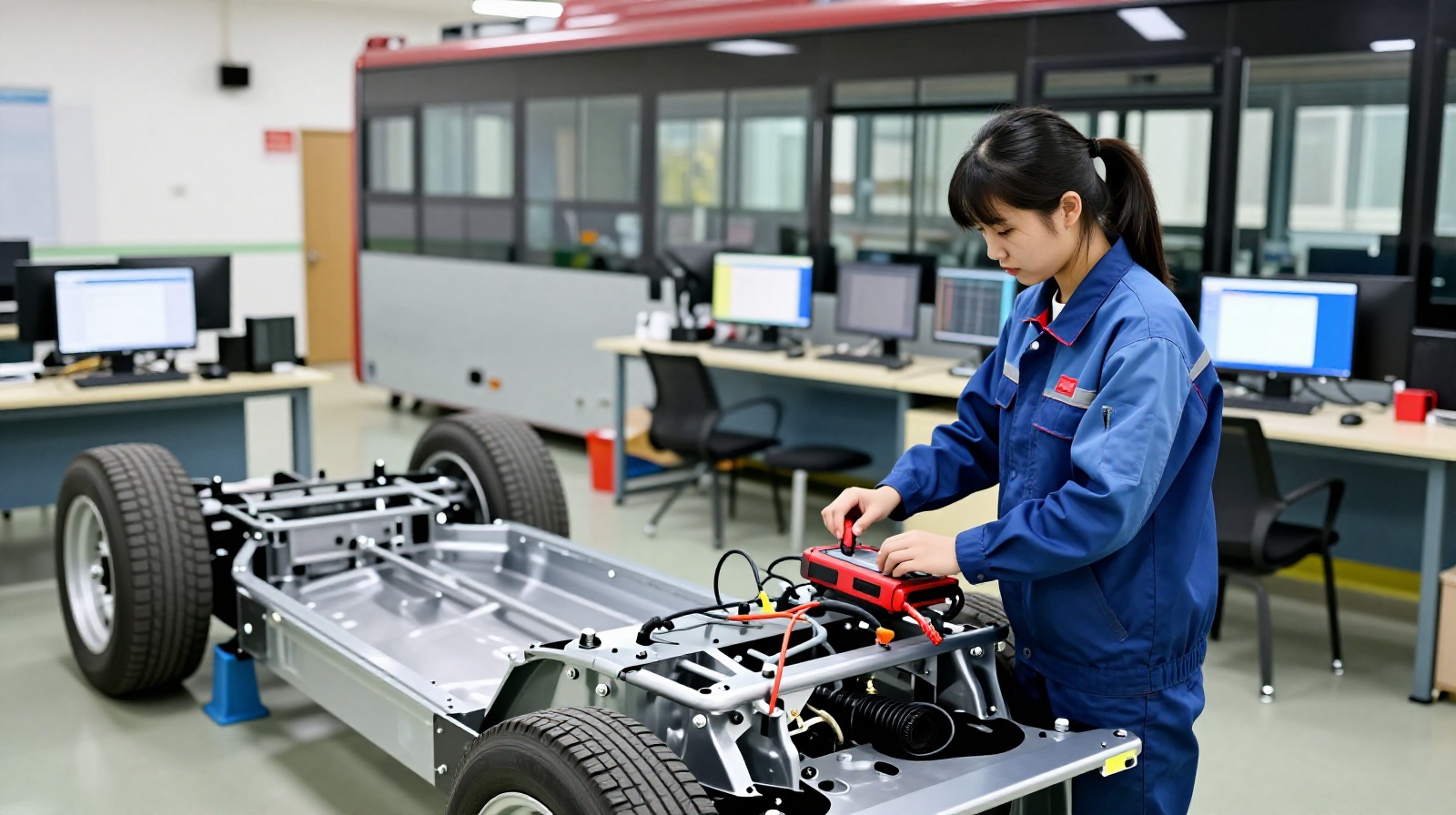
While Li Wei drives, others are fixing the machines. At a vocational school in western Sichuan, I meet Zhao Min. She is 23, wearing a mechanic’s jumpsuit stained with grease.
In the past, her peers rushed to work in call centers or textile factories. Today, they are learning battery management systems and motor repair. “My father asked why I wasn’t going to university,” Zhao says, adjusting a wrench on an electric bus chassis. “I told him: fixing these batteries is where the future is paying better than coding.”
Data supports her intuition. As China’s EV fleet expands, the demand for skilled labor in maintenance and recycling has skyrocketed. The traditional image of pollution-heavy manufacturing is fading, replaced by high-tech workshops filled with diagnostic screens and clean rooms.
Home Energy Revolution: Solar Tiles and Smart Meters
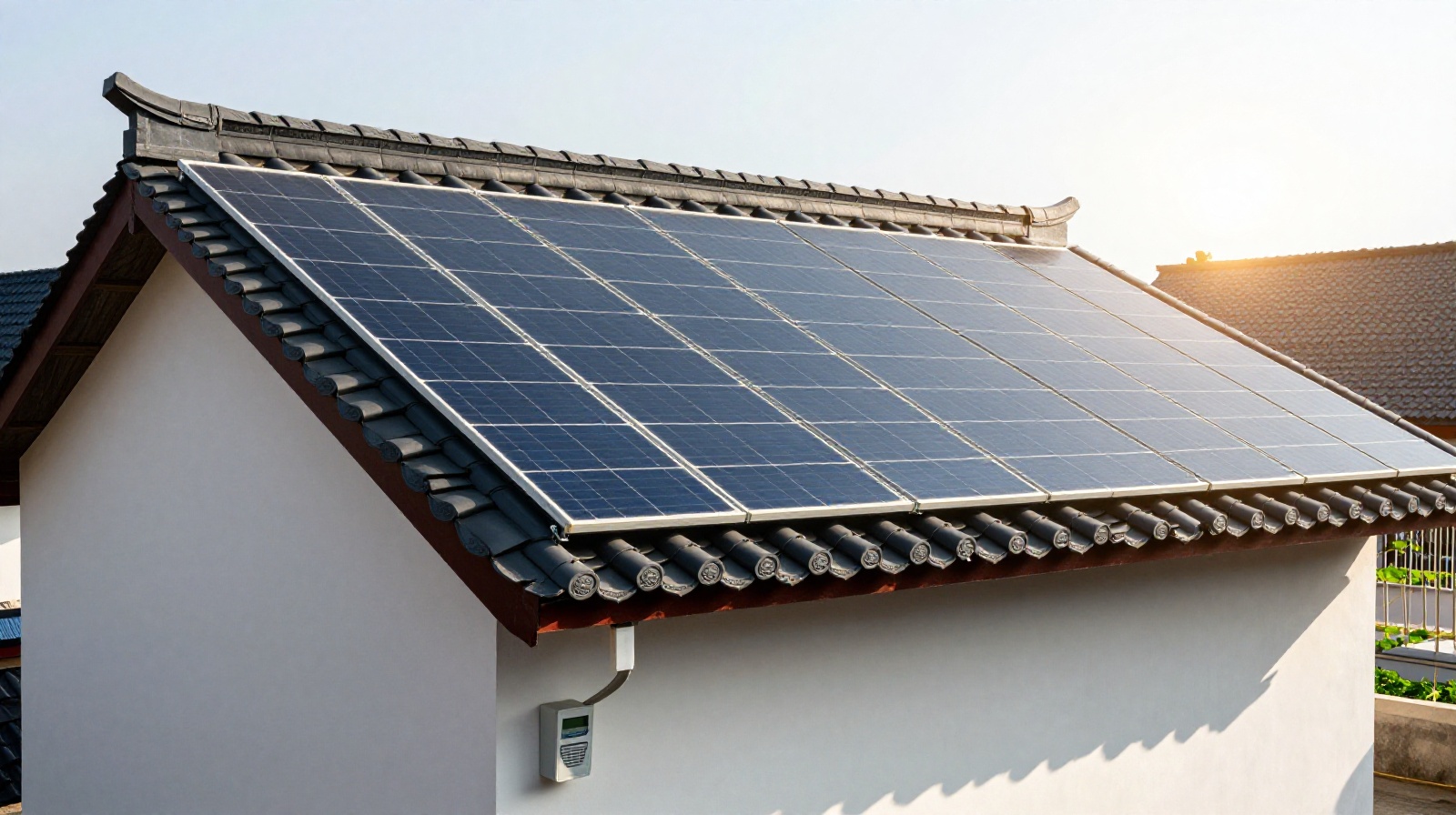
The green transition isn’t limited to cities or factories. In a village near Hangzhou, I visit the Wang family home. Their roof looks different from traditional tiles. These are photovoltaic (PV) tiles—dark, sleek solar panels integrated seamlessly into the architecture.
“We used to burn coal for winter heating,” says Mrs. Wang. “Now, our house generates its own power during the day and sells the excess back to the grid.” A smart meter on their wall tracks every kilowatt-hour in real-time. This technology, once seen as a luxury for the wealthy, is now becoming standard for rural households.
This shift represents a massive decentralization of energy. Ordinary families are no longer just consumers; they are micro-producers. It changes how communities interact with the power grid and how money flows between rural areas and urban centers.
Beyond the Headlines: The Real Challenges of Recycling
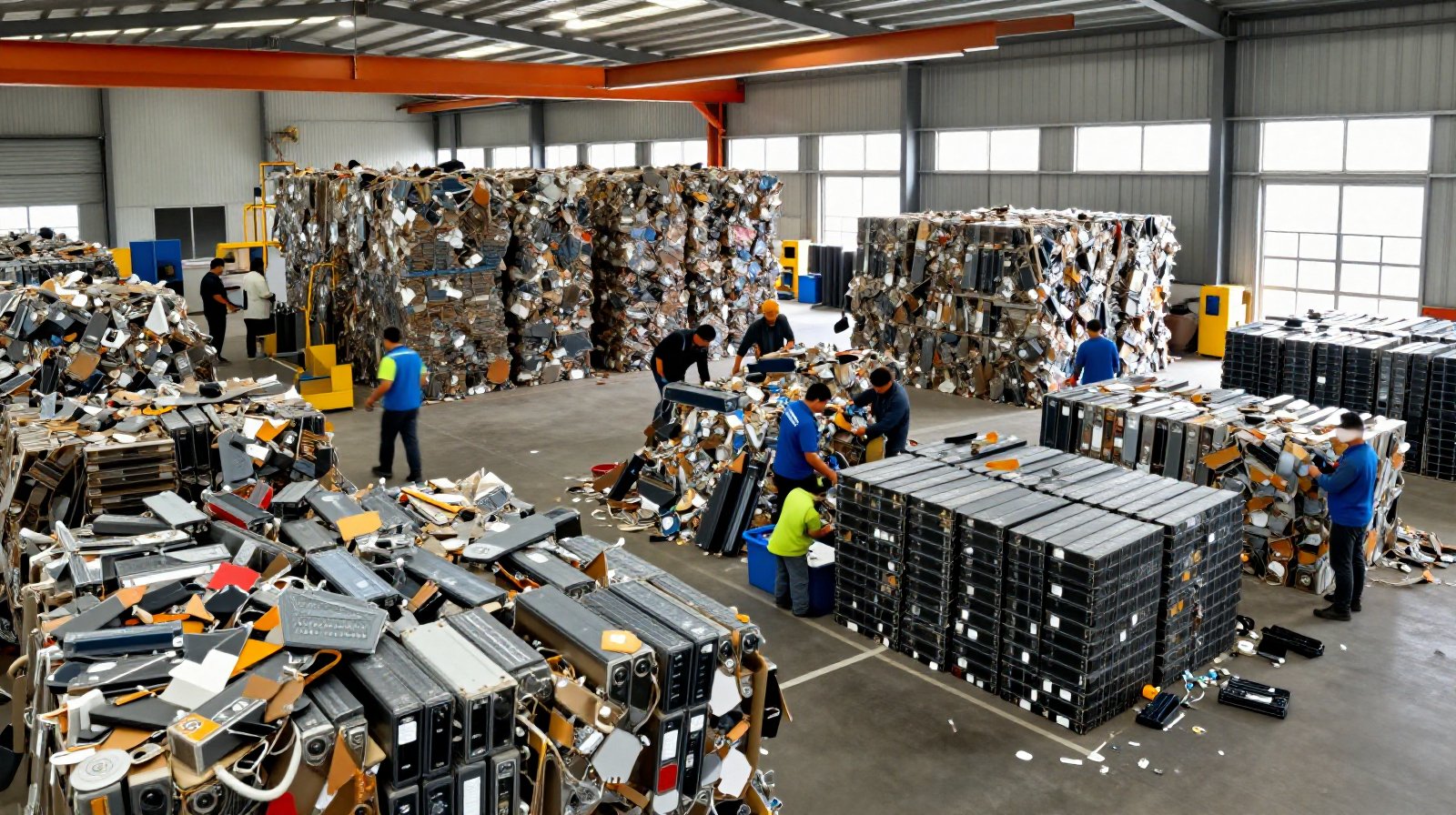
Not every part of this story is smooth. In a recycling yard in Guangdong, I watch workers sorting through thousands of electric vehicle batteries. Some are still usable; others are scrap metal waiting to be processed.
The challenge here is scale. China produces more EVs and solar panels than any other nation, which means the waste problem is growing fast. While companies have made strides in building recycling plants, the logistics of collecting millions of used batteries from remote villages remain difficult.
“We have the technology,” says a plant manager who asked to remain anonymous. “But getting them from A to B cost-effectively? That’s the hard part.” There are still environmental risks if these processes aren’t managed perfectly, and that is why strict regulations are being tightened across the country.
Connecting Globally: Local Innovation in a Shifting Economy
For global observers, China’s green push often feels abstract. But for ordinary people, it is about cost, convenience, and opportunity. The shift to renewable energy is driving a new economic engine, creating jobs in manufacturing, tech, and services.
This transition is not without friction. Costs are high, infrastructure is still being upgraded, and regional differences exist. A family in coastal Shanghai faces different challenges than one in inland Gansu. Yet, the direction is clear. China is moving from a model of rapid industrial expansion to one of sustainable quality growth.
As you walk through Chinese cities today, you see the results: cleaner air, quieter streets, and a workforce adapting to new skills. The path forward is rocky, but it is being paved by millions of people making daily choices that matter.