

A Quiet Morning in Chengdu
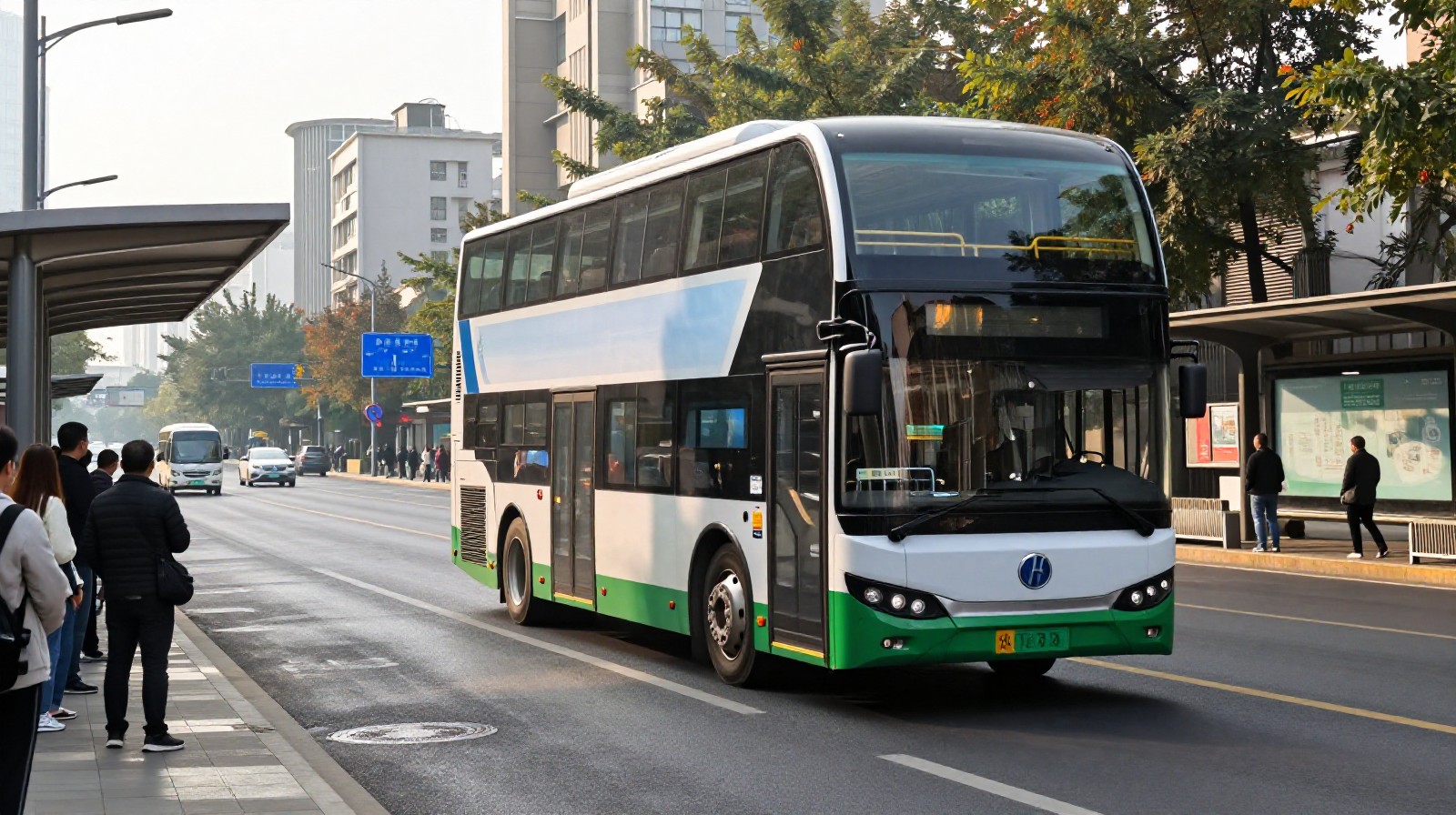
It is 7:30 AM on a Tuesday morning in Chengdu. The air smells faintly of spicy bean sauce and damp pavement. At a bus stop near the Chunxi Road shopping district, a double-decker electric bus pulls up. There is no roar of an engine, only the soft hum of tires on asphalt and the gentle click of hydraulic doors.
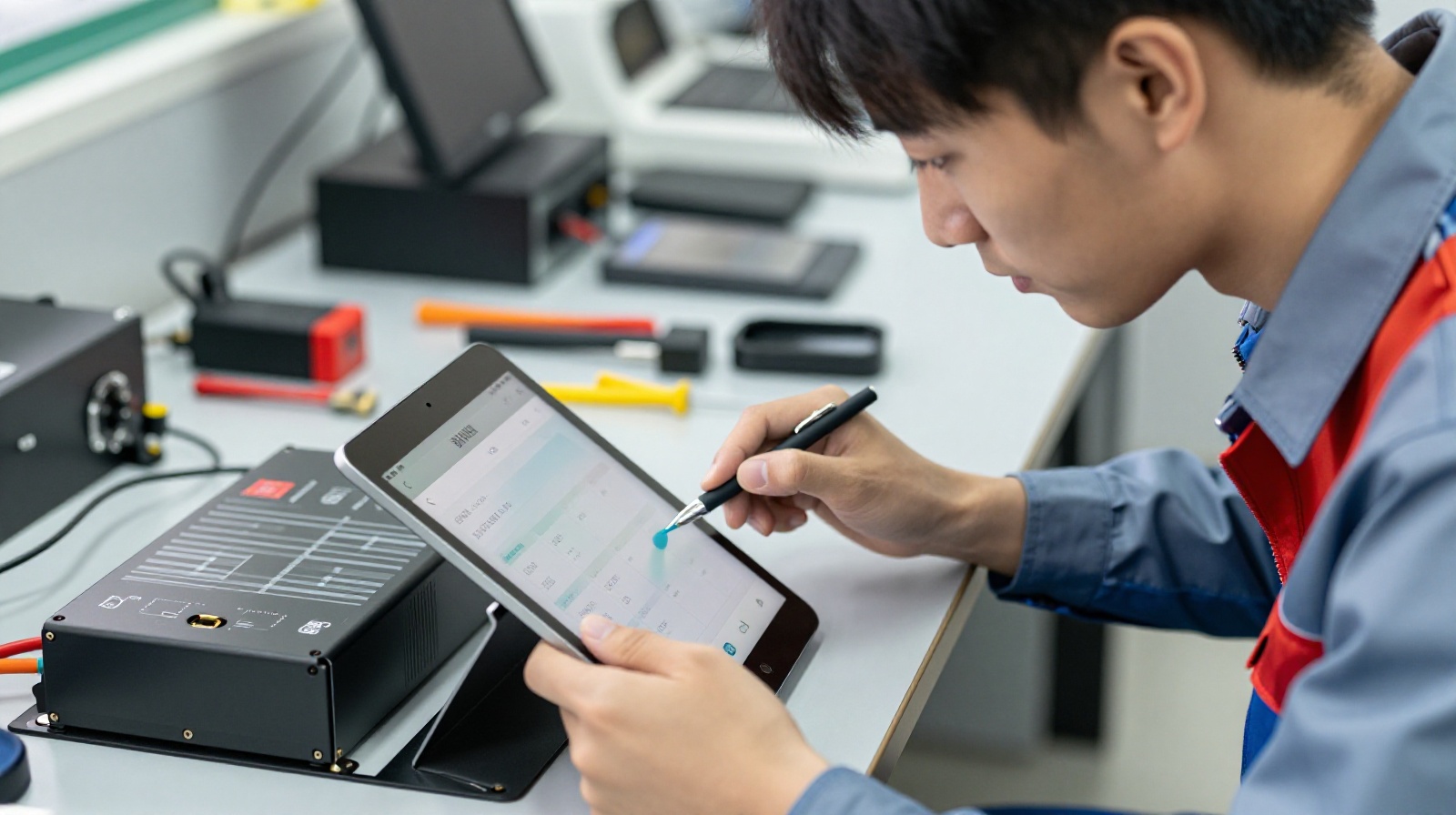
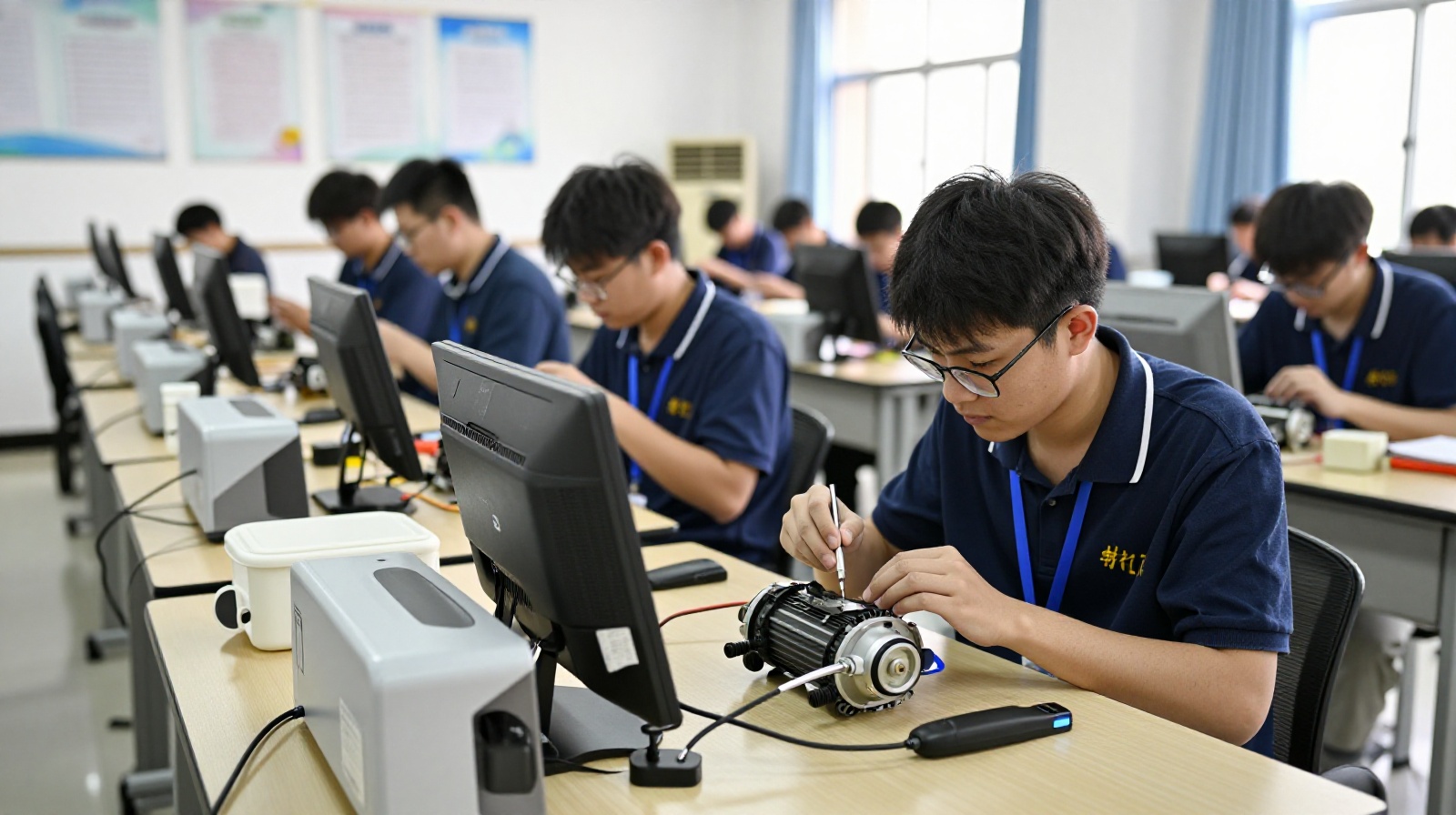
Li Wei, 24, jumps off the bus to take his shift as a fleet maintenance supervisor. He checks a tablet, scans QR codes on battery packs, and talks with a group of teenagers learning to replace motor controllers. This is not a high-tech lab in Beijing or Shanghai; it is an ordinary depot where the green energy revolution feels like routine work.
For years, headlines described China’s green transition as a top-down mandate: massive state subsidies, gigawatt-scale wind farms, and distant policy documents. But if you stand at this bus stop, the narrative changes. The policy has traveled all the way from Beijing to Chengdu, and now it is part of daily life.
The Young Workforce: EVs as a Career Path
Five years ago, Li Wei’s friends were rushing to apply for jobs in real estate or traditional manufacturing. Today, the conversation has shifted. In cities like Chengdu, Wuhan, and Changsha, vocational schools are overflowing with students majoring in new energy vehicle (NEV) repair.
This shift is not accidental. China produces over 60% of the world’s electric vehicles. With millions of EVs on the road, there is a desperate need for technicians who understand high-voltage systems, battery management, and software diagnostics. It pays well—often more than entry-level office jobs—and offers stability in an uncertain economy.
“My father drove a diesel truck for 20 years,” Li says, wiping grease from his hands. “He worries about emissions fines and fuel costs. I am fixing the future. The battery packs we replace last five years now; that is better than any factory job.”
This grassroots adoption of green tech shows that China’s transition is not just an industrial achievement; it is a social one. Young people are not waiting for permission to participate; they are building careers around the very infrastructure that powers their cities.
Roofs and Rural Communities
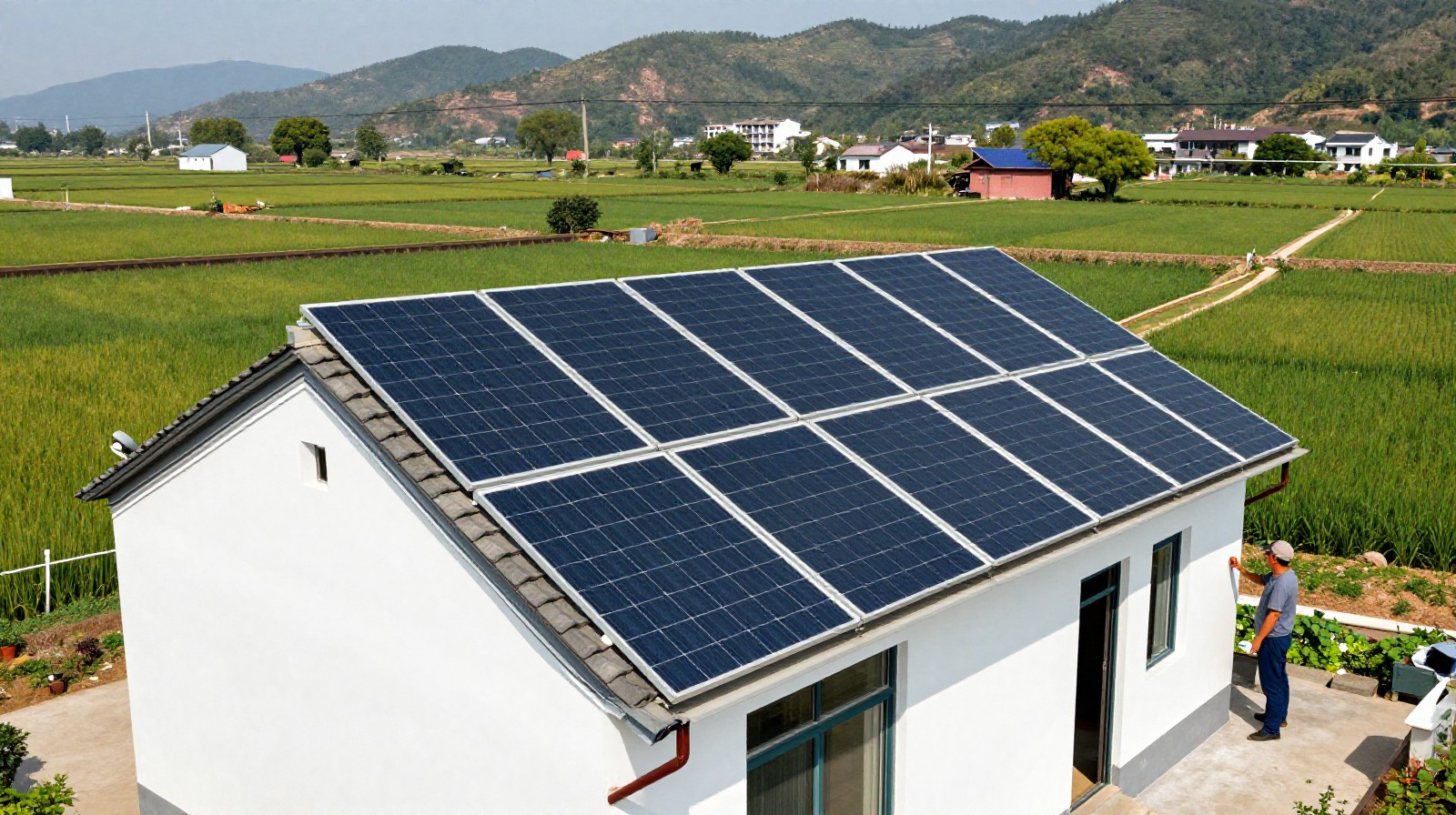
The revolution extends far beyond city centers. In Jiangxi province, about 300 kilometers south of Chengdu, the landscape is dotted with small villages where old tile roofs are being replaced by solar shingles.
In a typical rural household, these tiles look identical to traditional clay or slate but generate electricity. A local farmer, Zhang Qiang, installed a system last year. “I used to buy coal for my stove and pay high bills for the light bulb,” he explains. “Now, I sell excess power back to the grid. My children have better lighting at night, and we save money on heating.”
Government incentives made this possible, but the real driver is affordability. The cost of solar panels has dropped dramatically in China over the last decade. For ordinary families, the return on investment is now visible within three to four years.
This is the democratization of energy. It is no longer just about massive hydroelectric dams or distant wind farms owned by state corporations. It is about individual households becoming small power plants, contributing to a national grid that is cleaner and more resilient.
Behind the Scenes: The Hard Work of Disposal
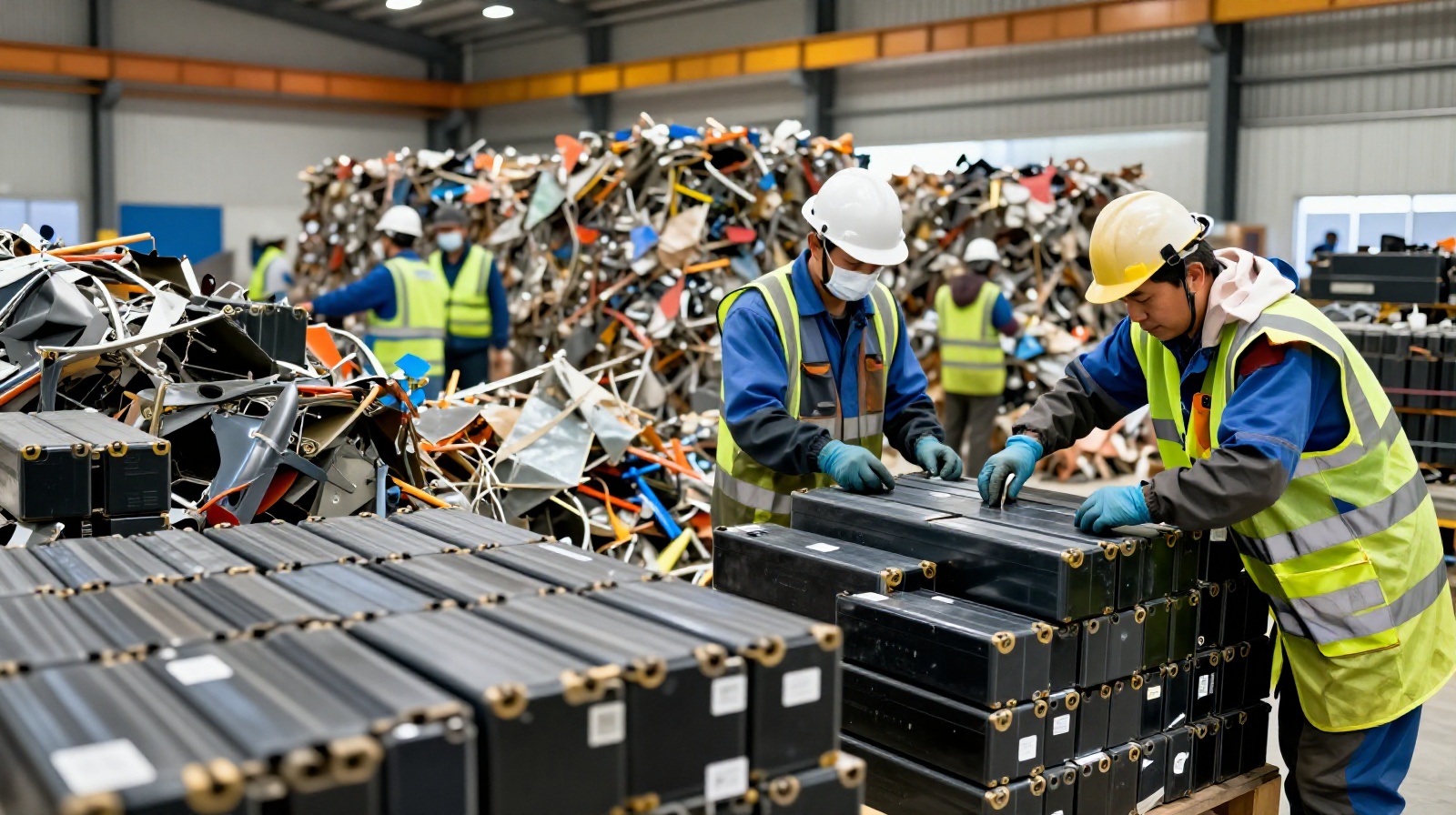
While the success stories are compelling, the reality on the ground is complex. As China’s first wave of electric vehicles ages, a new challenge has emerged: battery recycling.
In a facility in Tianjin, workers sort through thousands of spent lithium-ion batteries. The process is dangerous and requires precision. Unlike in some Western countries where recycling rates are low, China has established strict regulations requiring manufacturers to take back old batteries. Yet, the logistics are difficult.
“It is not just about collecting them,” says a facility manager. “We need to ensure they don’t leak toxins into soil or water. We have built specialized facilities, but there is still a lot of informal recycling happening in remote areas.”
This tension between rapid growth and environmental protection is the real story. China is not just building green tech; it is learning how to manage its lifecycle responsibly. The government has launched pilot programs for “battery passports” to track energy use and disposal, ensuring that the transition remains sustainable.
Connecting the Dots: A Global Shift
China’s green energy boom is often viewed through a geopolitical lens. However, for ordinary citizens, it represents a tangible upgrade in quality of life. Cleaner air means fewer respiratory issues for children. Cheaper electricity means lower household bills. New jobs mean stability for families.
This transition is not isolated. It is part of a broader economic shift where China is moving from being the “world’s factory” to becoming a global leader in green technology exports. Chinese solar panels, wind turbines, and EVs are now found in Europe, Africa, and Southeast Asia.
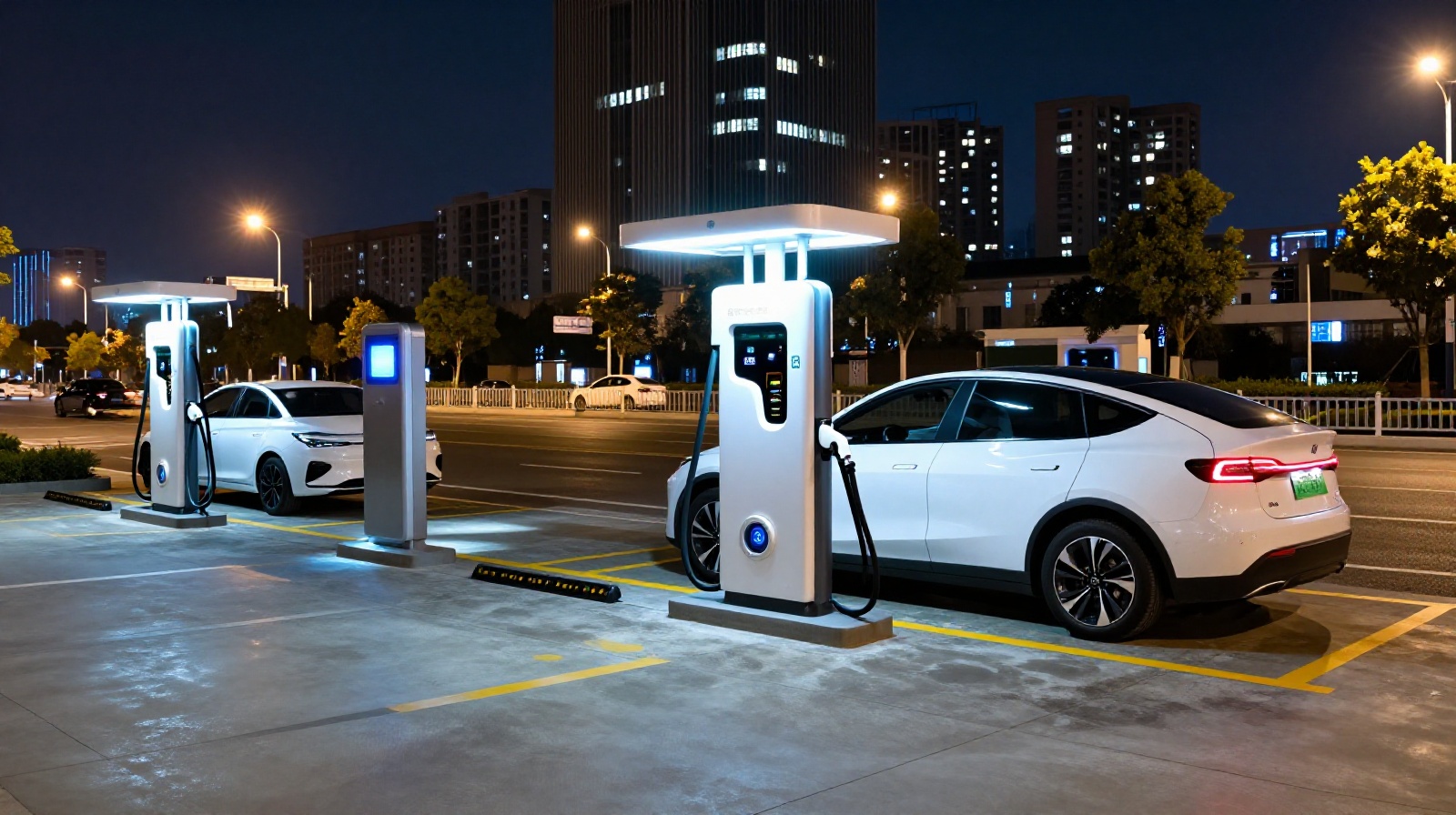
But the most significant impact is domestic. The infrastructure is so advanced that it often goes unnoticed. You do not see the massive battery storage facilities because they are hidden underground or behind factory walls. You only notice them when the power stays on during a storm or when your EV charges in minutes at a public station.
The Road Ahead
From policy to pavement, China’s green energy journey is far from finished. Challenges remain, particularly in recycling and grid stability. Yet, the momentum is undeniable. The transition is no longer a distant promise; it is the reality of daily life for millions.
For international observers, the lesson is clear: China’s green transformation is not just about meeting climate goals. It is about reshaping society, creating new industries, and improving the lives of ordinary people. As Li Wei finishes his shift and watches another electric bus roll into the station, the silence of the engine speaks louder than any report.