

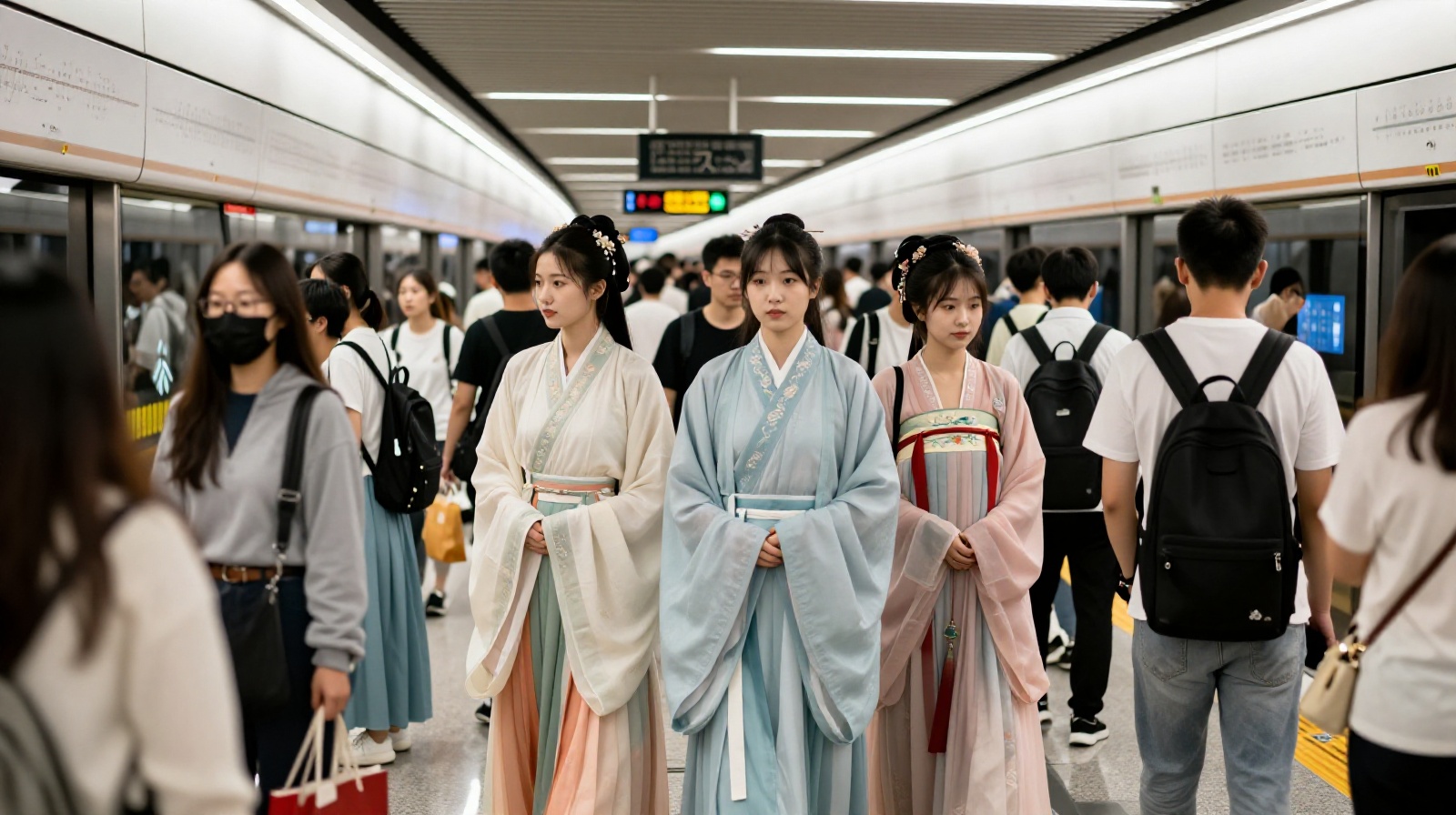
A Morning Rush in Silk
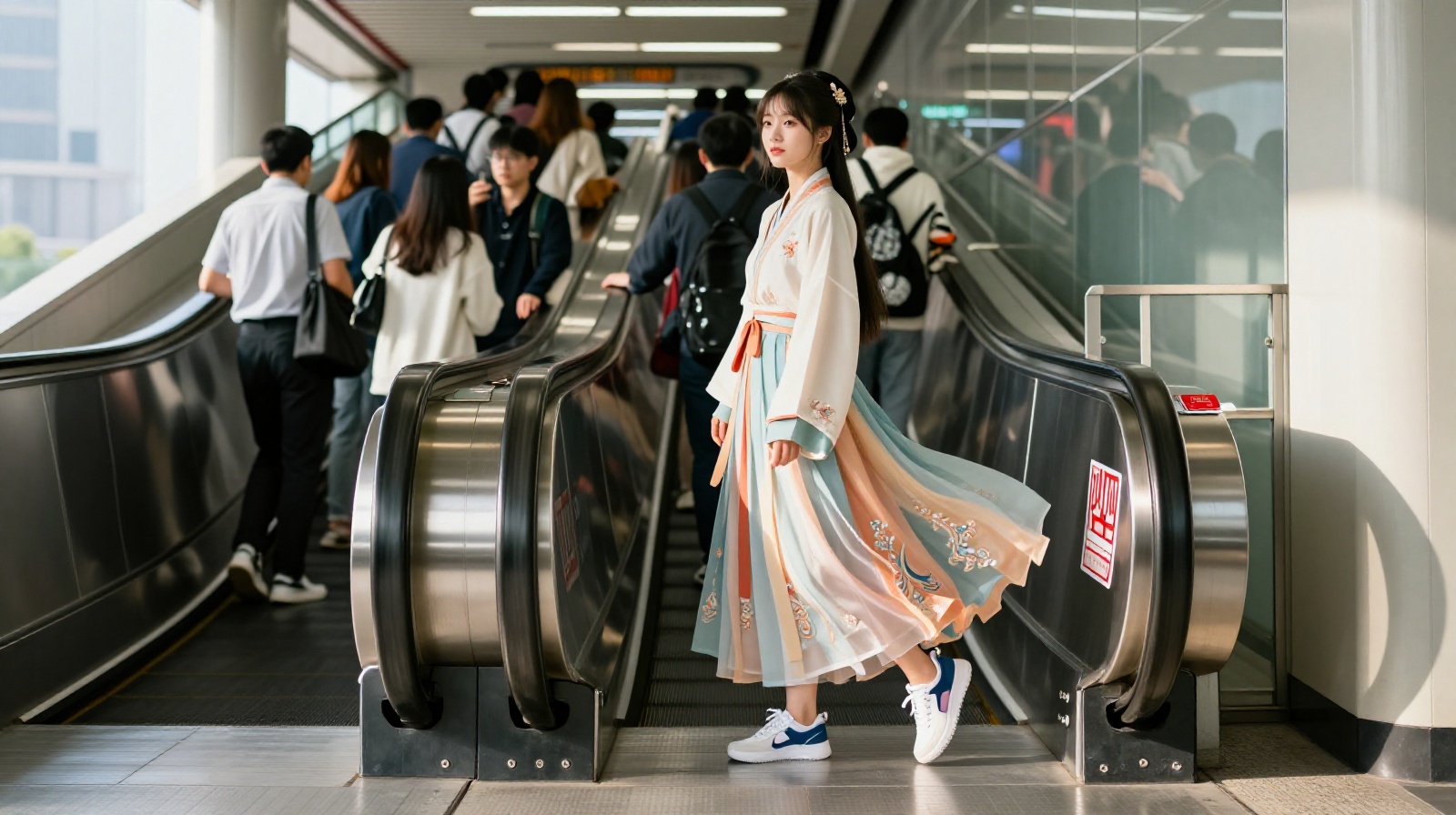
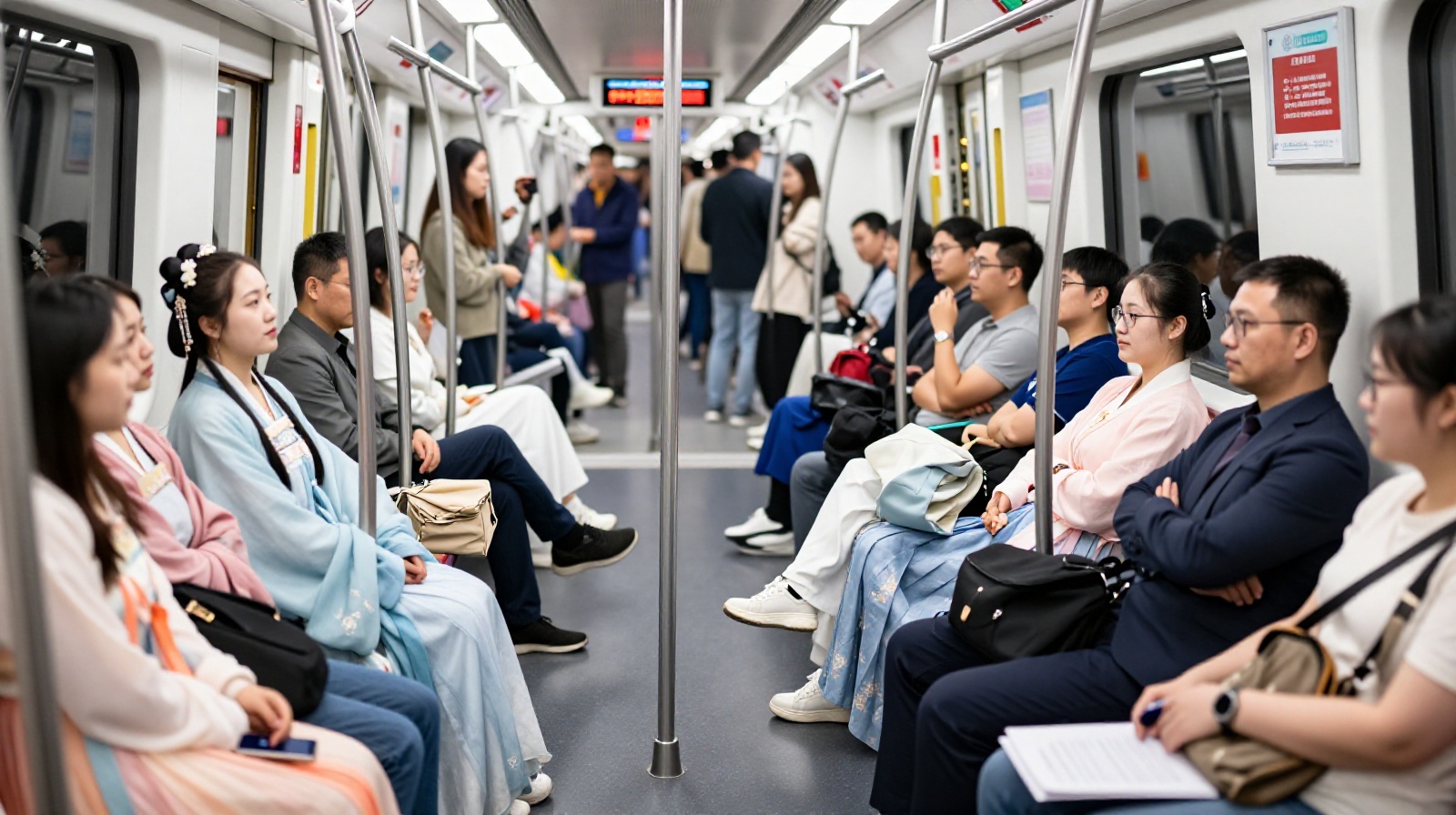
It is 8:15 AM on a Tuesday in central Beijing. The subway platform is packed, smelling faintly of stale coffee and damp wool coats. Suddenly, a group of young people steps off the escalator. They are not wearing business suits or streetwear. One wears a long, flowing skirt with intricate embroidery; another sports a wide-sleeved jacket over casual jeans. As they squeeze past commuters in hoodies, the scene looks like a glitch in reality—until you realize this is just another morning rush hour.
This is not a historical reenactment or a costume party. This is Hanfu: traditional Chinese clothing that has quietly migrated from festival stages to daily commutes.
More Than Just Costumes
To an outsider, the sight might seem jarring. Why wear clothes designed five centuries ago when modern fashion is everywhere? The answer lies in identity.
For decades, Western clothing dominated Chinese youth culture. Jeans and T-shirts were the uniform of globalization. But starting around 2014, a shift occurred. Young people began looking back at their own history, not to reject the present, but to find a unique voice in a homogenized world.
“It’s not about going backward,” says Lin, a 24-year-old graphic designer from Hangzhou who wears Hanfu three days a week. “It’s about carrying something beautiful forward. When I wear this, I feel connected to my heritage, but I’m still living in the 21st century.”
Sociologists call this a shift from cultural curiosity to cultural confidence. The clothing is no longer seen as a costume for special events; it has become a statement of self. In cities like Xi’an and Nanjing, where historical sites are part of the daily backdrop, wearing Hanfu feels less like dressing up and more like speaking a shared visual language.
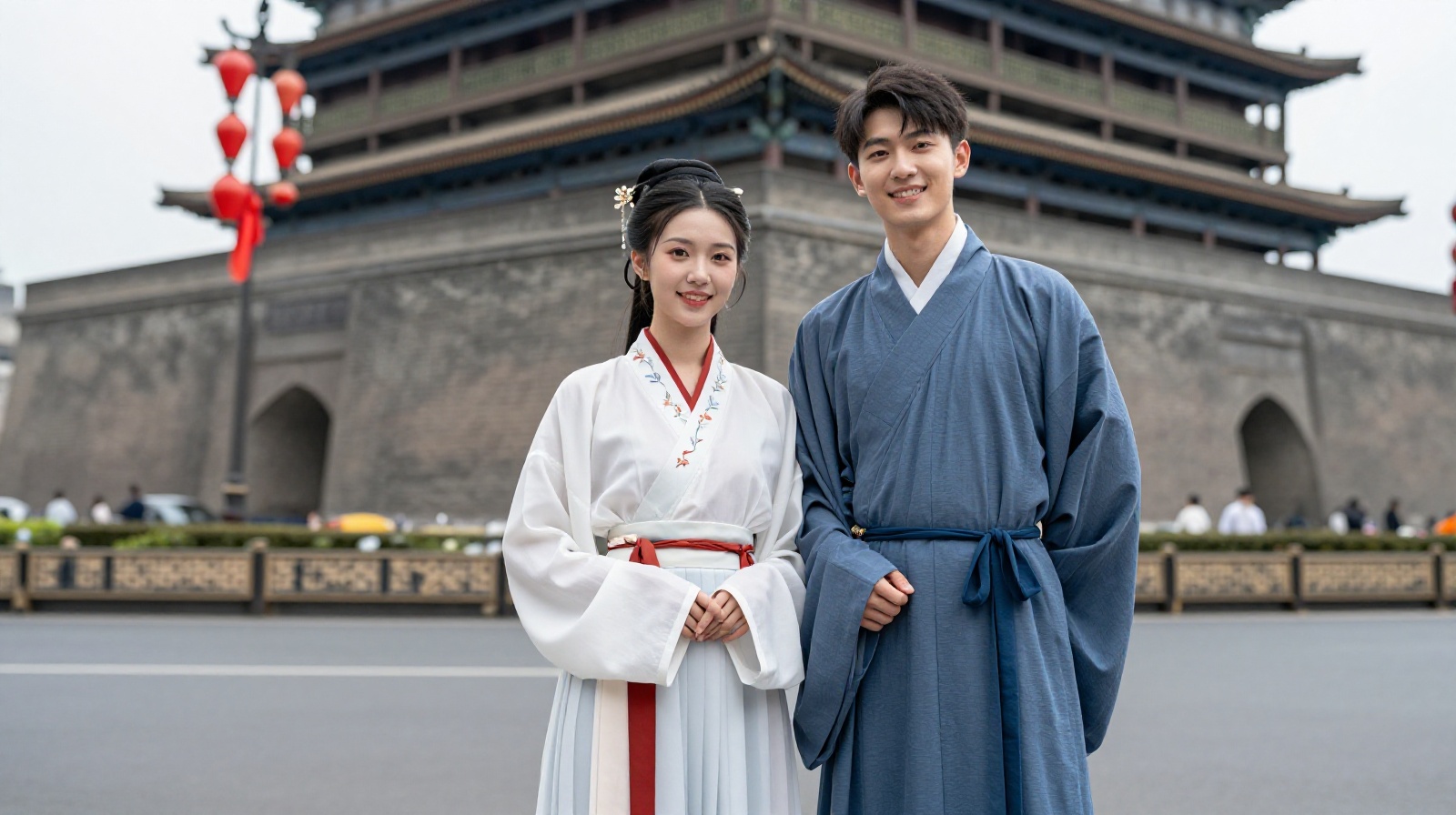
From Cosplay to Commute
The journey from niche hobby to mainstream habit wasn’t instant. In the early days, Hanfu enthusiasts were often stigmatized as “cosplayers” or eccentric fans of ancient dramas. The outfits were stiff, heavy, and impractical for walking in a city.
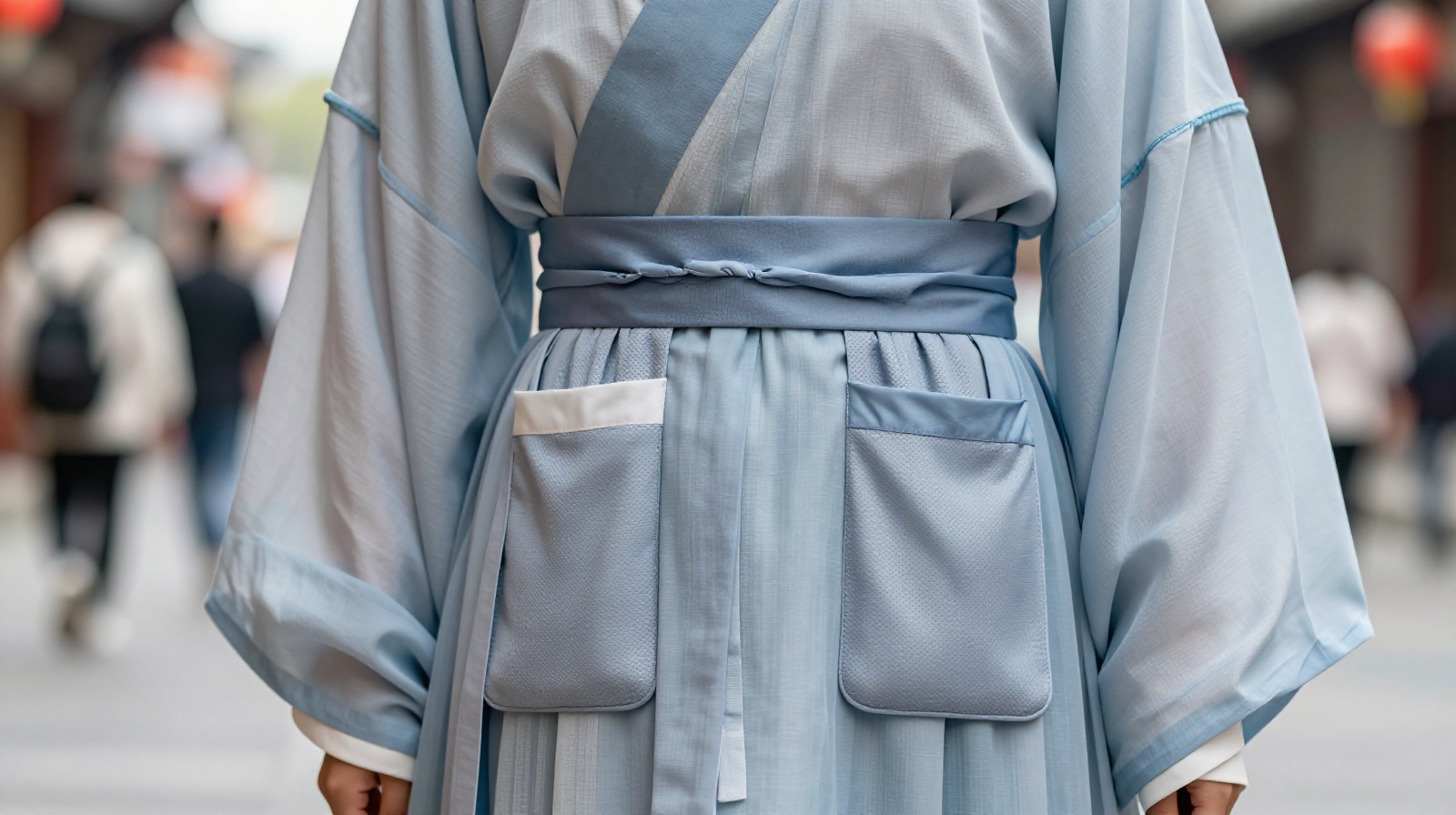
Today, the scene has changed dramatically. Designers have reinvented traditional silhouettes for modern life. They’ve replaced heavy brocades with breathable cotton and linen. They’ve added pockets to robes so phones fit comfortably. Some even pair Hanfu tops with sneakers or backpacks.
This practicality is why it works on the subway. A young woman in a modified Hanfu skirt can sit next to a businessman in a suit without breaking the flow of the commute. The clothing has adapted to the rhythm of city life, shedding its ceremonial weight while keeping its aesthetic soul.
A Quiet Revolution
The rise of Hanfu reflects a broader trend across China: a desire to define modernity on one’s own terms. Just as smartphones and high-speed rail transformed the physical landscape, cultural movements are reshaping the social landscape.
In Shanghai, cafes now offer “Hanfu days” where discounts apply if you wear traditional dress. In universities, clubs organize photoshoots in historic parks that double as study breaks. The phenomenon has even sparked a tourism boom, with travelers flocking to ancient capitals to walk the streets in period attire.
But perhaps the most telling sign of acceptance is how ordinary people react. On the Beijing subway, commuters rarely stare or whisper. They simply make room. For many, seeing someone in Hanfu no longer raises questions; it’s just part of the colorful tapestry of urban China.
The Future Worn
As long as young people continue to find meaning in these fabrics, Hanfu will remain more than a trend. It is a living tradition, evolving with every step taken on city streets and subway platforms. It proves that the past does not have to be left behind; it can be worn, lived, and carried into the future.