

The 2 a.m. Queue That Defies Expectations
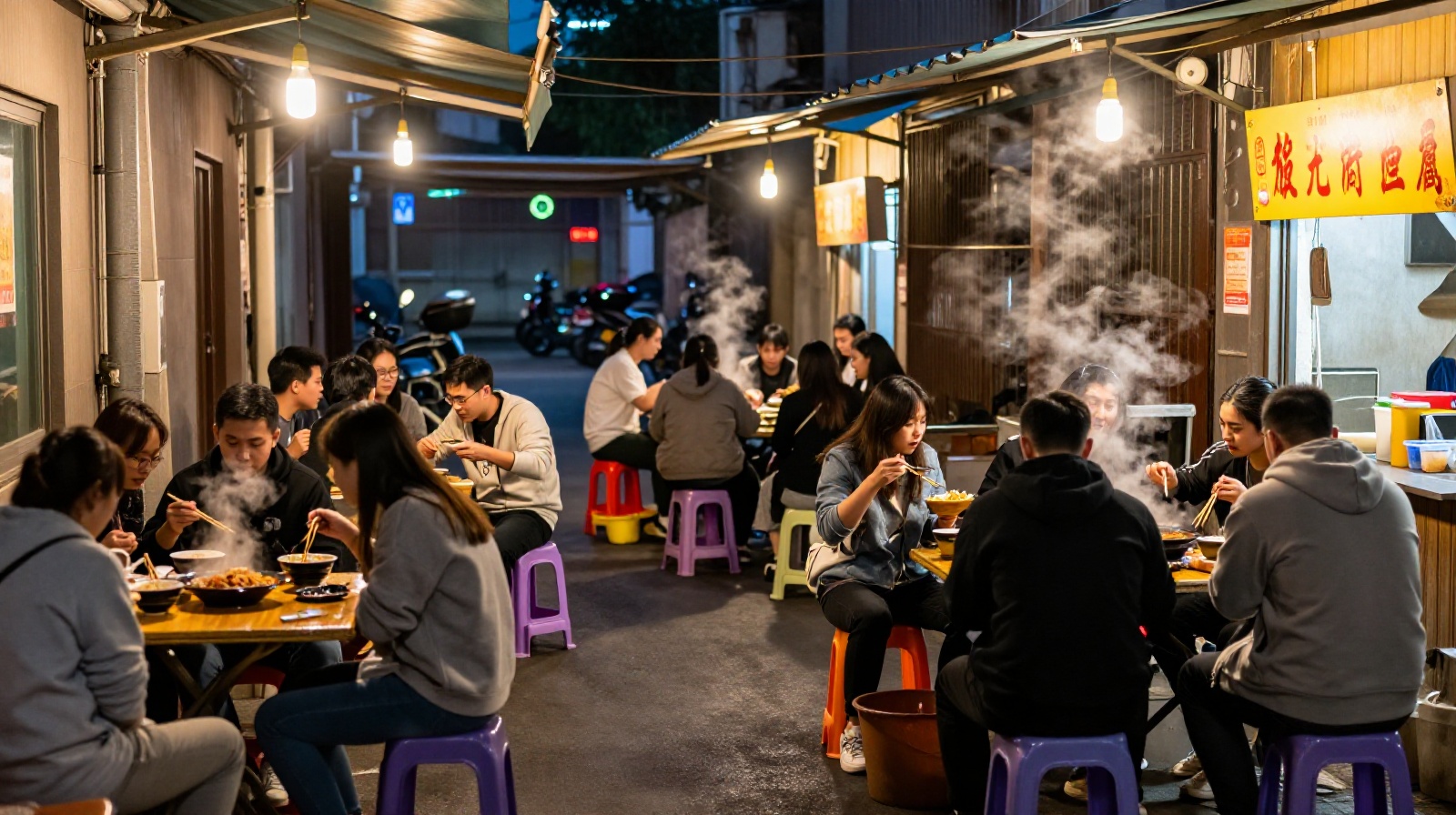
It is 2:15 a.m. in Chengdu. The rain has just stopped, leaving the stone pavement slick and reflective. Most visitors expect this hour to be silent, perhaps only interrupted by the occasional taxi or an exhausted delivery driver. But around a small, plastic-stool-covered corner in a narrow alley, there is a line.
Not for a high-end restaurant. Not for a club. For a steaming pot of spicy beef soup and a handful of grilling skewers. The chef, wearing a faded apron, flips meat over an open flame with the rhythm of someone who has done this ten thousand times before. There is no menu on the wall; you just point to what looks good or ask, “What’s fresh?”
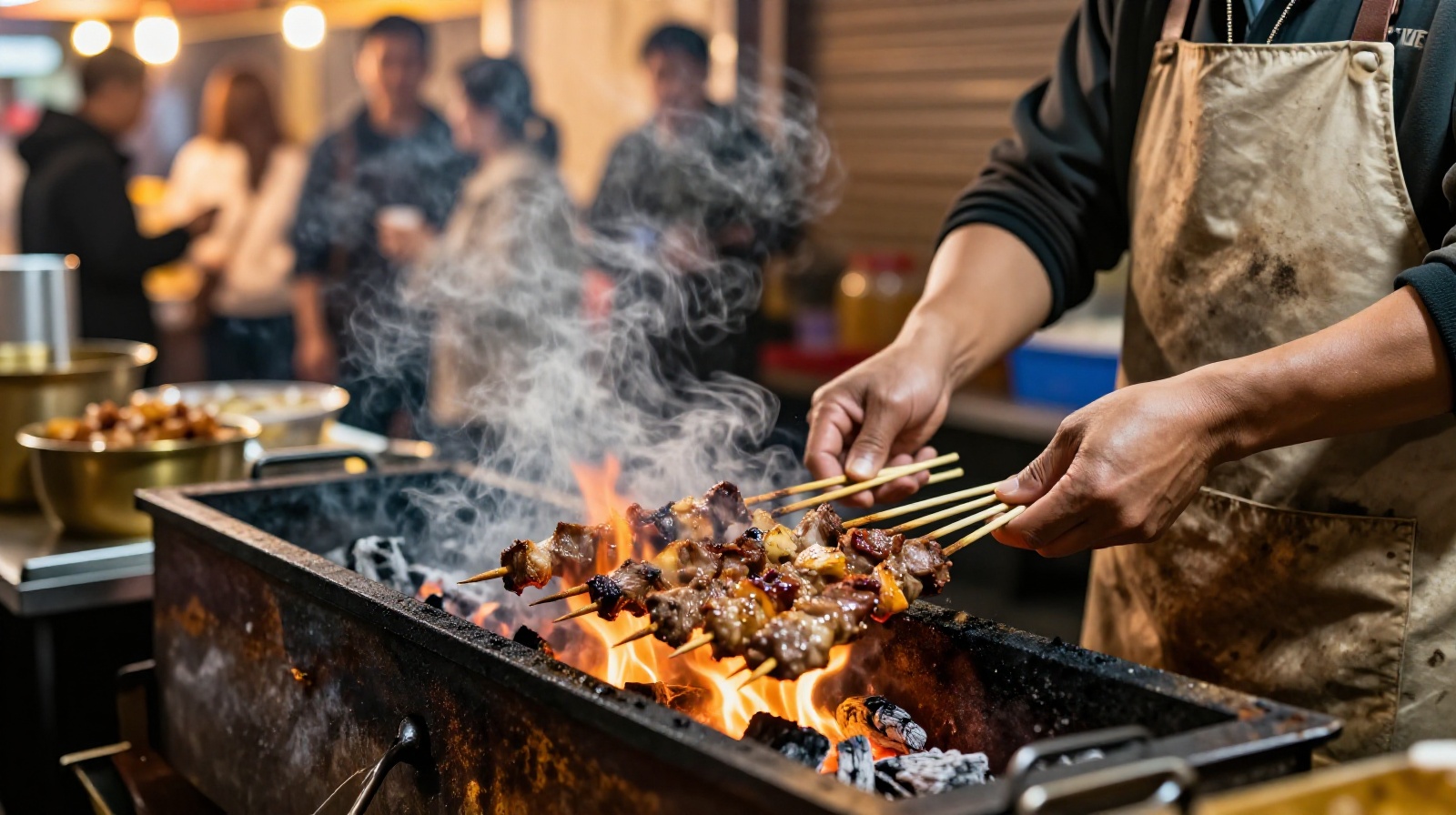
This scene plays out in cities from Beijing to Guangzhou every single night. It challenges the Western stereotype of China as a 24-hour tech hub that shuts down at midnight. While skyscrapers may go dark, the street food economy never sleeps. For millions of Chinese people, the late-night meal is not just about hunger; it is a social ritual.
Beyond the Tourist Trap: The Real Night Market
For many foreigners, “Chinese night markets” conjure images of chaotic, tourist-heavy stalls selling generic souvenirs. But the authentic experience is often tucked away in residential neighborhoods, far from the main boulevards.
I recently watched a group of young office workers—still wearing their uniforms or carrying laptops—gather around a makeshift table near a subway exit. They weren’t there for Instagram photos. They were there to share a pot of hot clay-pot rice and spicy crayfish, washing it down with cheap beer. The price? About 30 yuan ($4) per person. It is affordable, fast, and deeply communal.
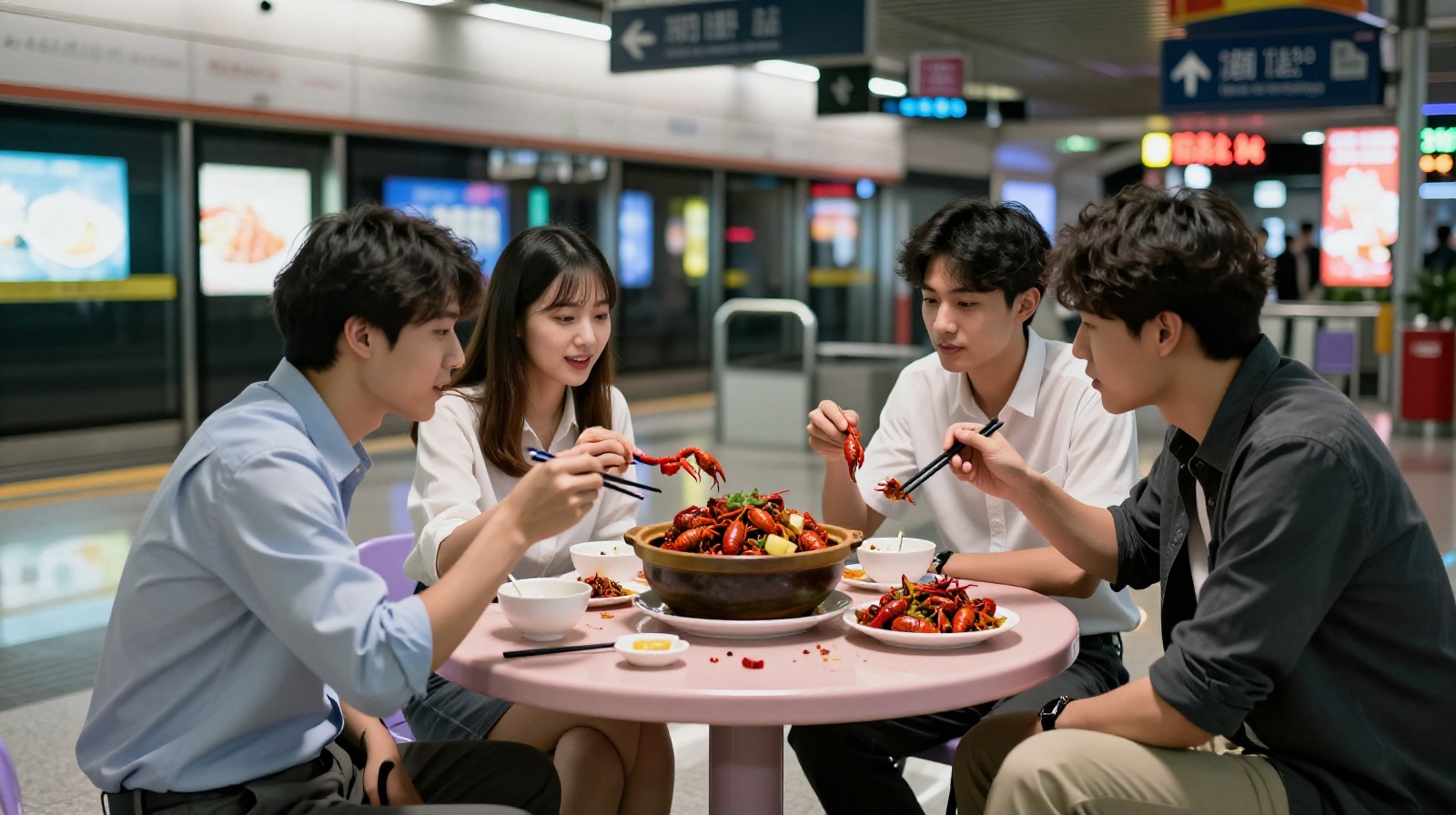
These stalls are the “hidden menus” I refer to. They operate on a system of trust and repetition. You don’t need an app to order; you just show up. The vendors remember your preference for less chili or extra scallions after three visits. This level of personal connection is rare in the algorithm-driven food delivery apps that dominate the daytime hours.
The Logistics of Midnight Dining
How does this ecosystem function so smoothly at such odd hours? The answer lies in China’s incredibly efficient logistics and infrastructure.
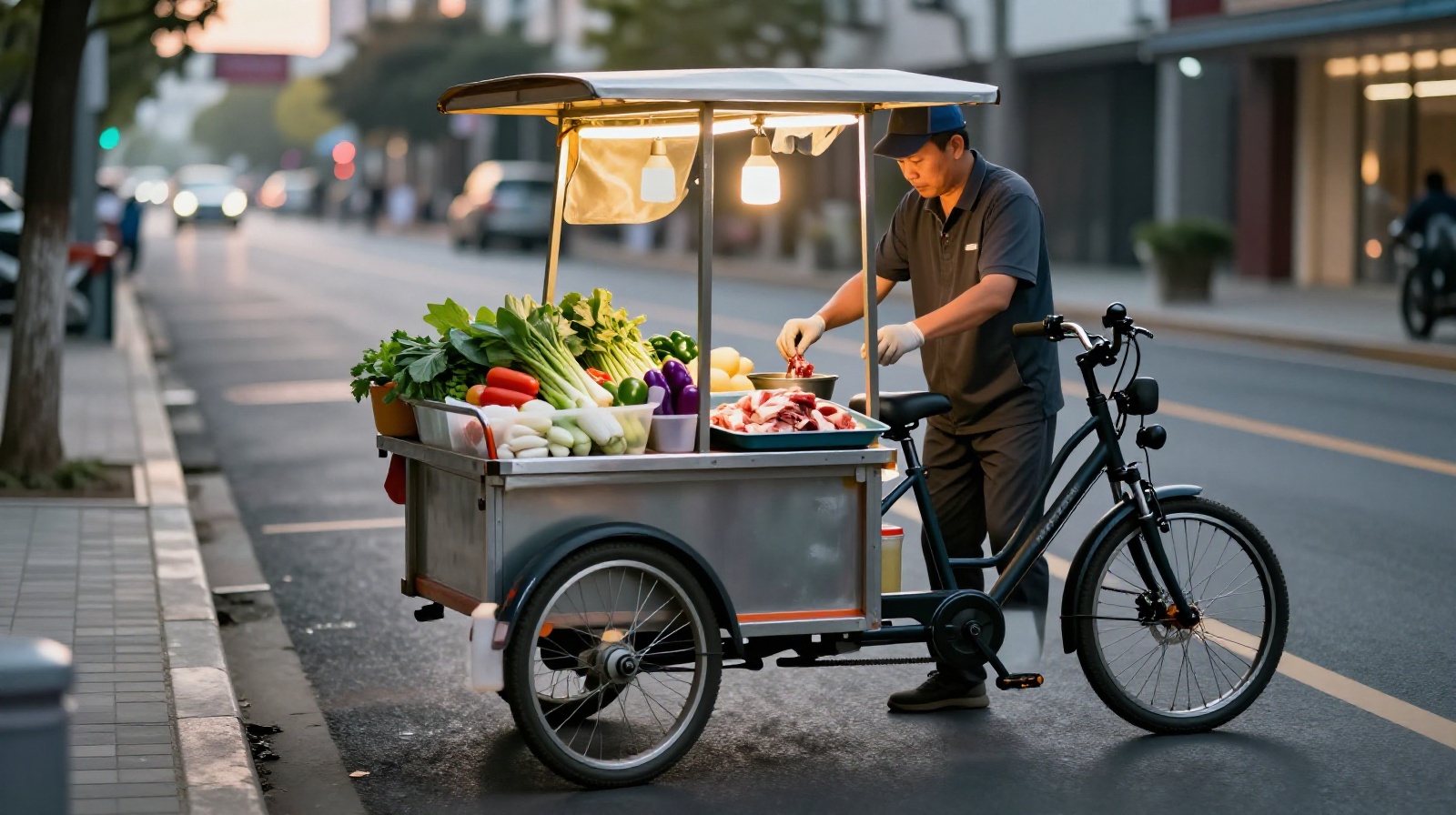
In many cities, fresh ingredients are delivered to these street vendors by electric cargo bikes as early as 4 a.m., long before the sun rises. These small, quiet vehicles zip through traffic that is still light, ensuring the meat and vegetables arrive crisp and cold. By midnight, when customers start arriving, the supply chain has already worked its magic.
Furthermore, the payment system makes this frictionless. Even at 3 a.m., you rarely see cash changing hands. A quick scan of a QR code on a handwritten sign completes the transaction in seconds. This digital infrastructure supports not just the big malls but also the auntie selling grilled sweet potatoes on the corner.
More Than Just Food: A Social Sanctuary
For many Chinese, these late-night spots are sanctuaries from the pressures of the day. The work culture in China can be intense, with long hours often leading to exhaustion by the evening. The street stall offers a place to decompress.
I spoke with a delivery rider who stops at this specific noodle stall every night before heading back to his apartment. “The food is hot,” he told me, blowing on a spoonful of broth. “And the boss knows I work late. He gives me extra soup for free sometimes.” It is a small gesture, but it represents a community support network that operates outside of formal corporate structures.
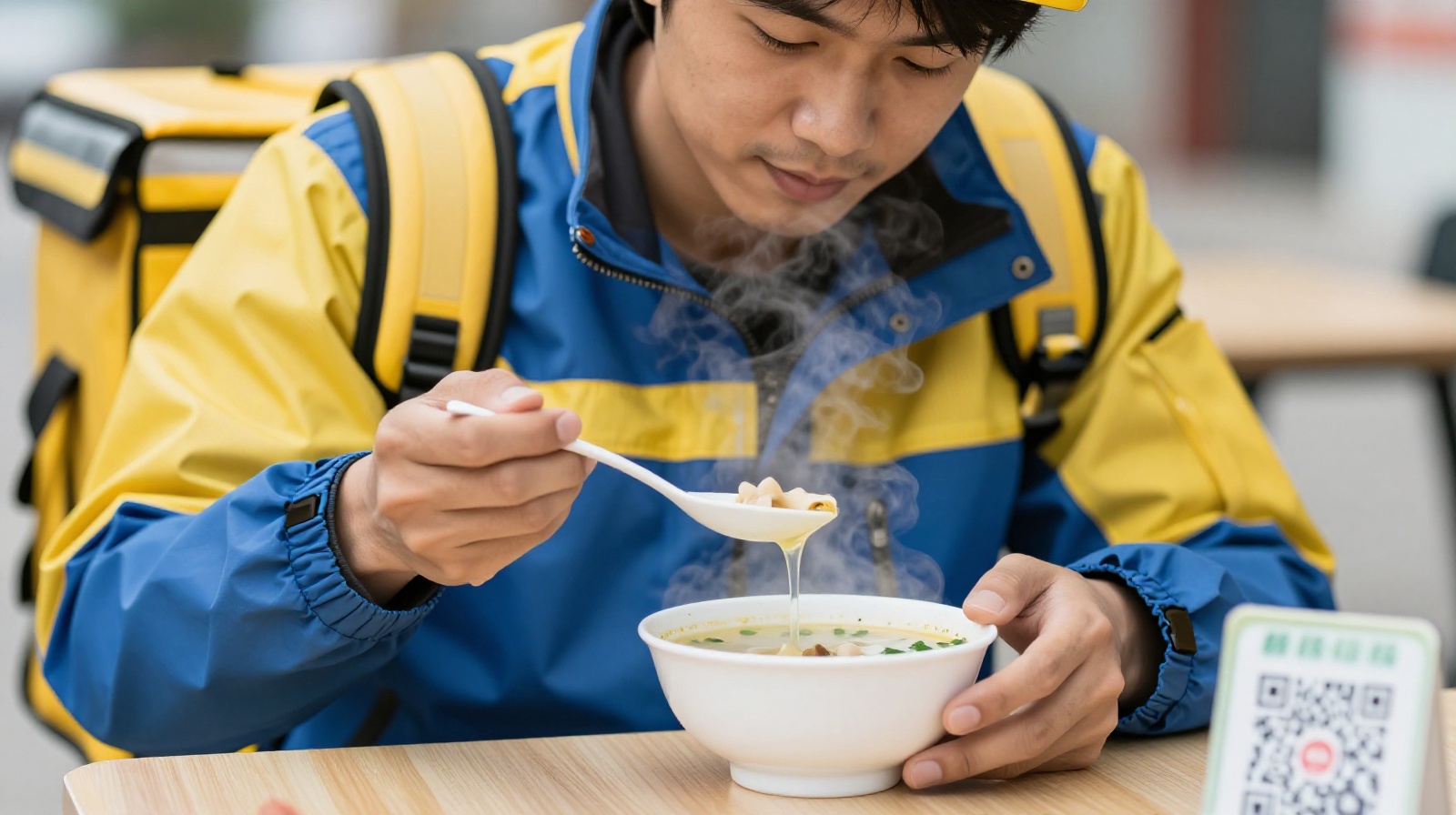
The atmosphere is loud but not chaotic. The clatter of bowls, the sizzle of oil, and the hum of conversation create a symphony of daily life. It is a stark contrast to the quiet, sterile environments often found in Western late-night dining options, which are frequently limited to fast-food chains or 24-hour diners.
A Glimpse into Authentic China
Visiting these midnight kitchens offers a window into a different side of China. It is not the high-speed rail or the futuristic drones that define this moment, but the human connection forged over a bowl of noodles at 3 a.m.
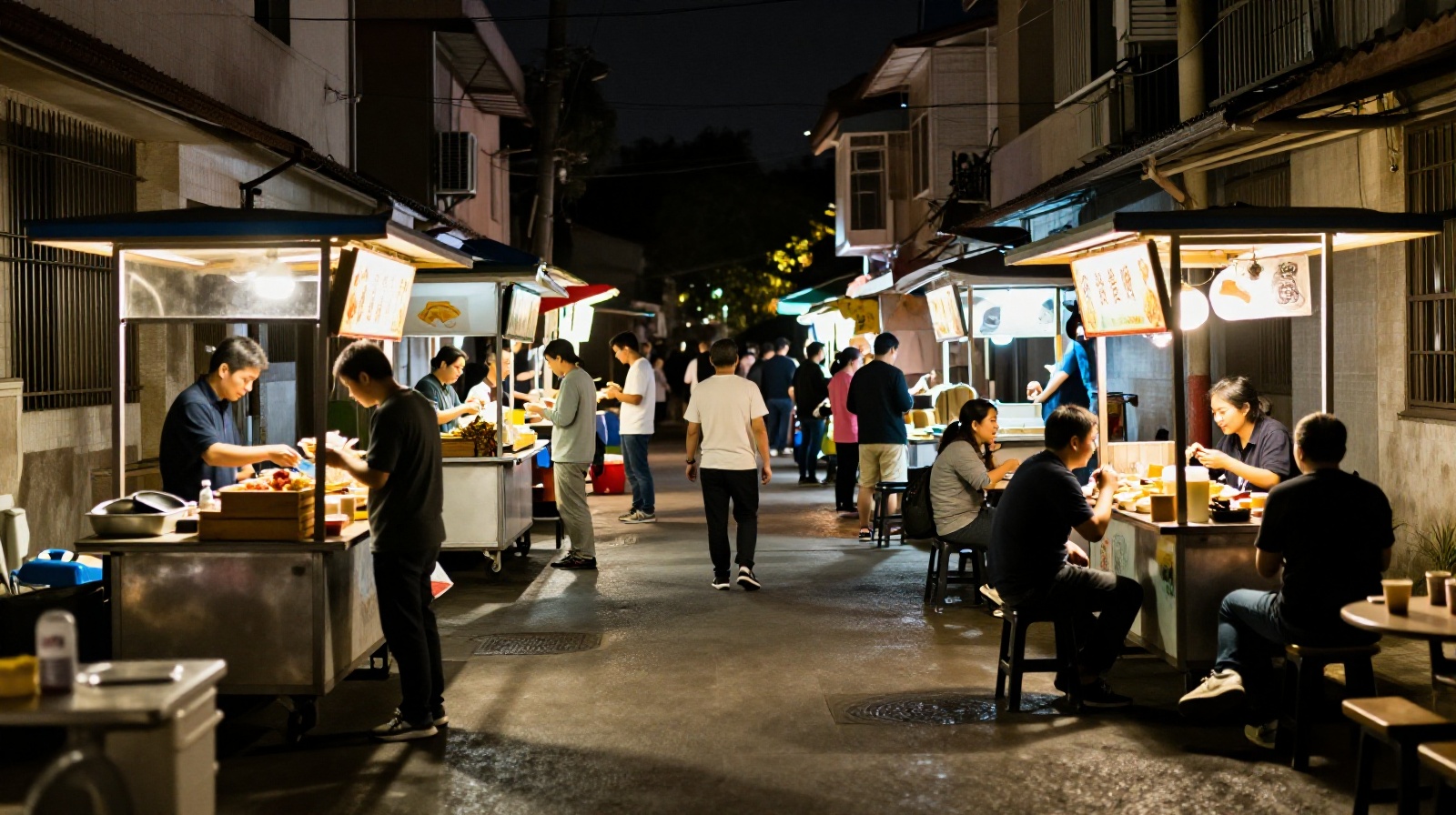
These hidden menus are evolving. Some vendors are starting to use social media to announce their locations, blending tradition with modern habits. But the core remains unchanged: food that is cheap, fresh, and served with a smile by someone who knows your face. For anyone curious about the real China, skipping the tourist traps and finding a small stall in a quiet alley at night is the best way to start.