

Beyond the Ticket Booth
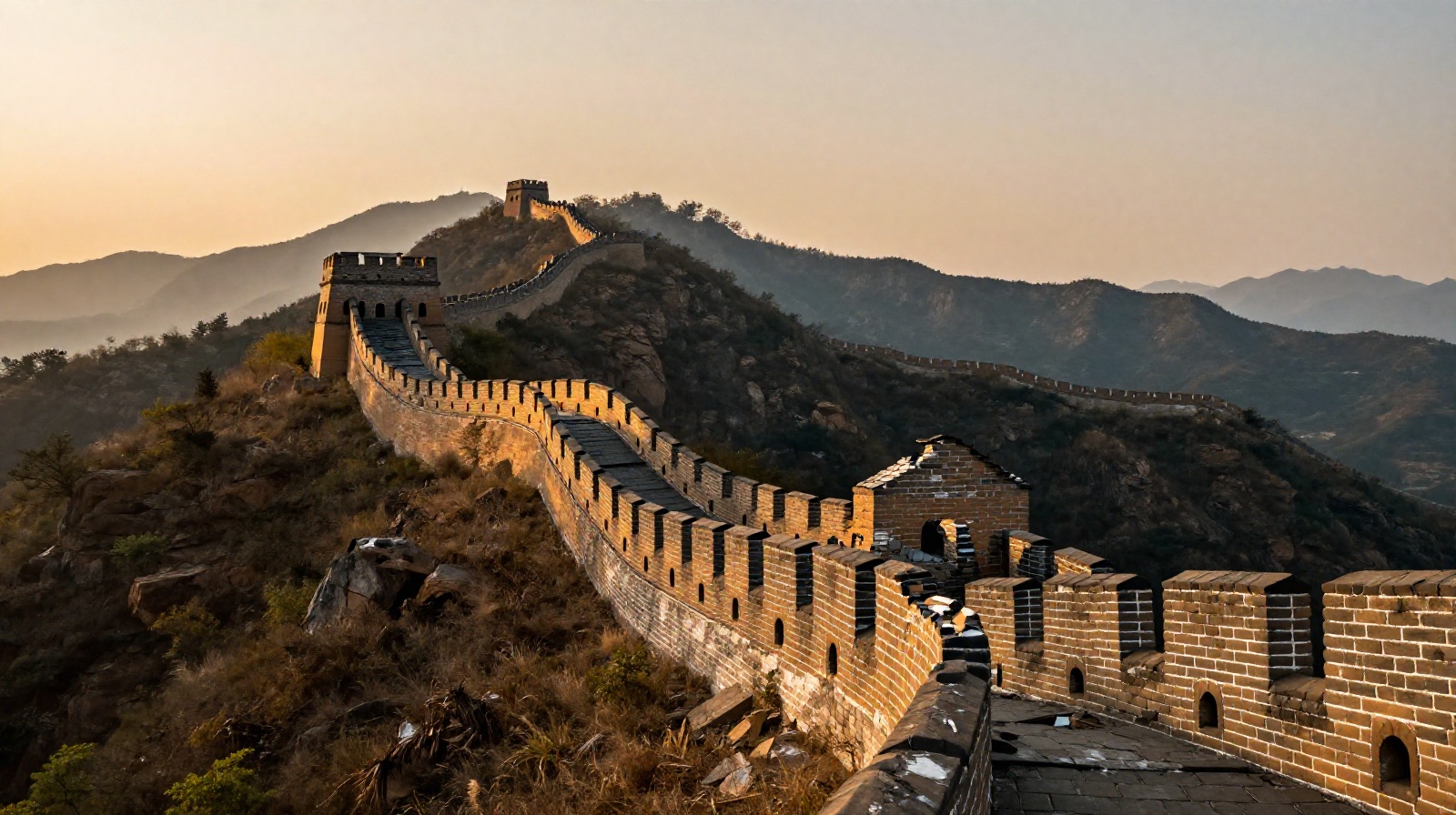
The air at Jinshanling in late afternoon is thick with humidity and the smell of damp stone. But this isn’t the main gate. Here, three kilometers away from the paid entrance, there are no ticket booths, no souvenir stalls, and no tour guides shouting into clipboards. Just a narrow goat trail winding up a steep ridge covered in wild grass.
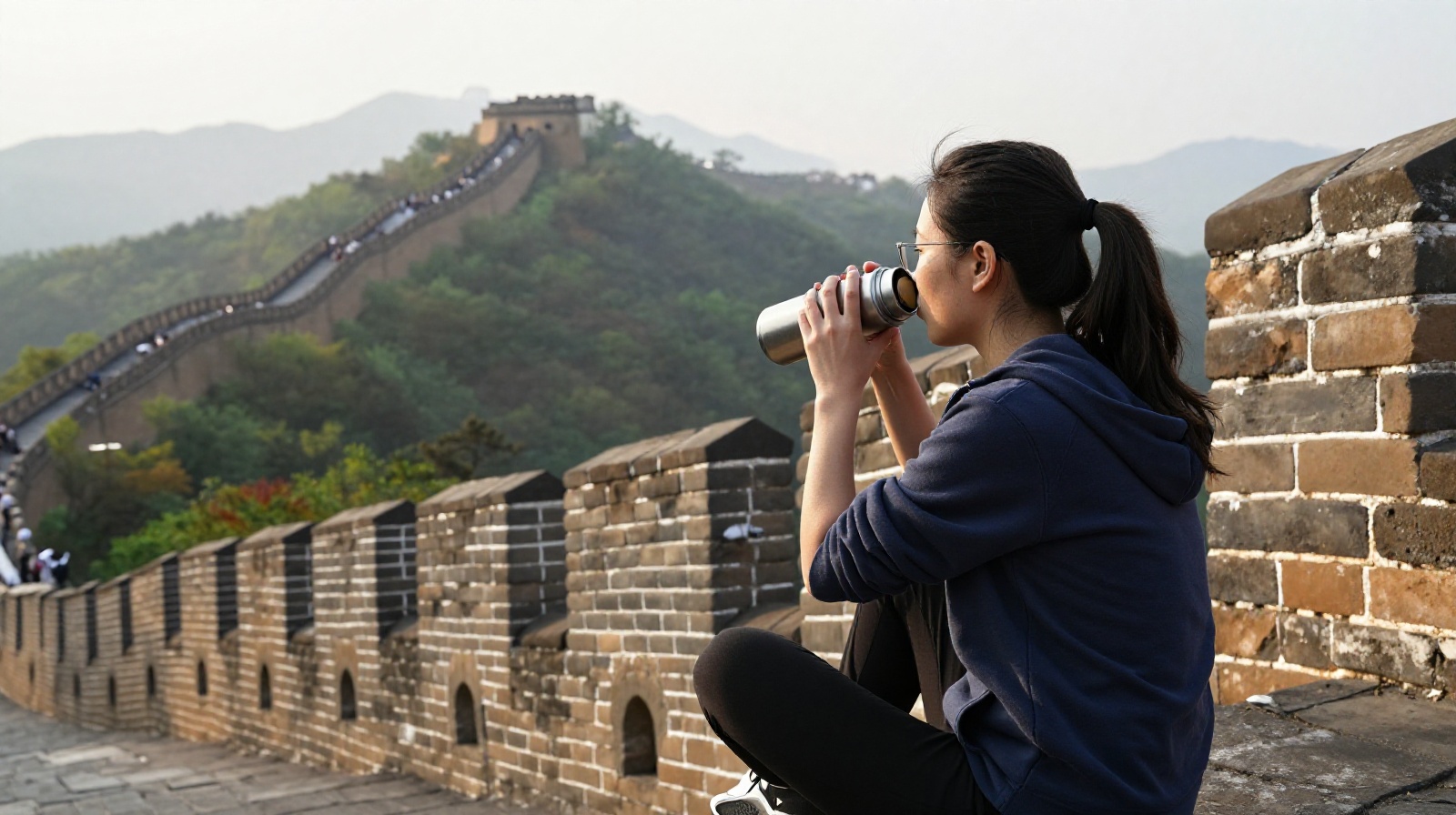
I met Sarah, a graphic designer from Shanghai, sitting on a crumbling brick ledge. She took a sip of lukewarm tea from her thermos. “It’s quiet,” she said, pointing to the valley below where smoke rose from a few scattered farmhouses. “The Badaling section is full of people taking selfies. Here, I feel like I’m walking through a history book that no one else has opened yet.”
This is the appeal of the ‘Wild Great Wall’ (Yecheng). Unlike the heavily restored sections open to mass tourism, these stretches are left to nature. They have fallen into disrepair over centuries, blending with the mountains rather than standing as polished monuments.
The Physical Reality of History
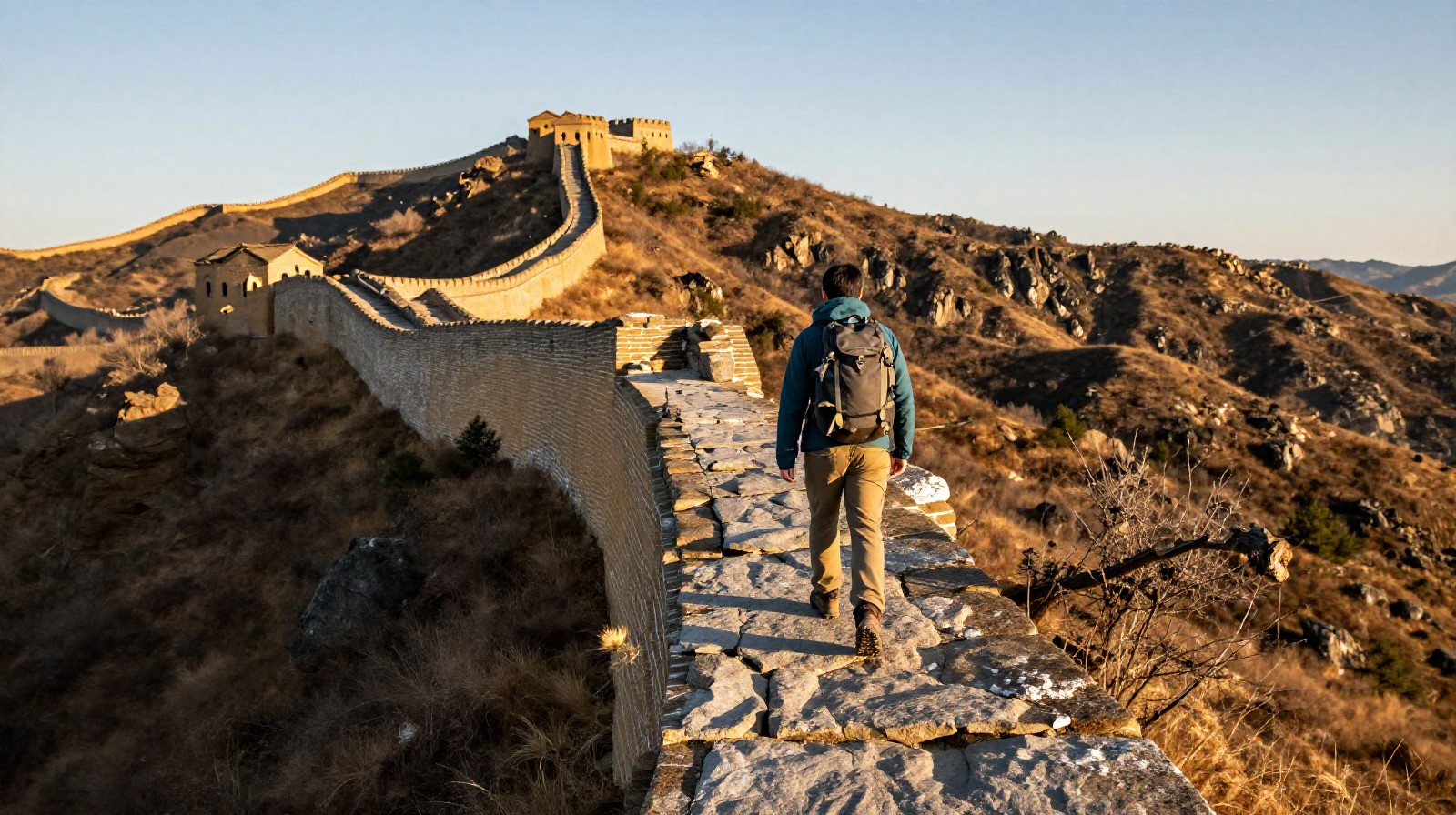
Reaching the Wild Wall isn’t a leisurely stroll. The terrain is uneven, often covered in loose shale and sharp rocks. My boots slipped on mossy stones as I climbed a steep watchtower that had no handrails.
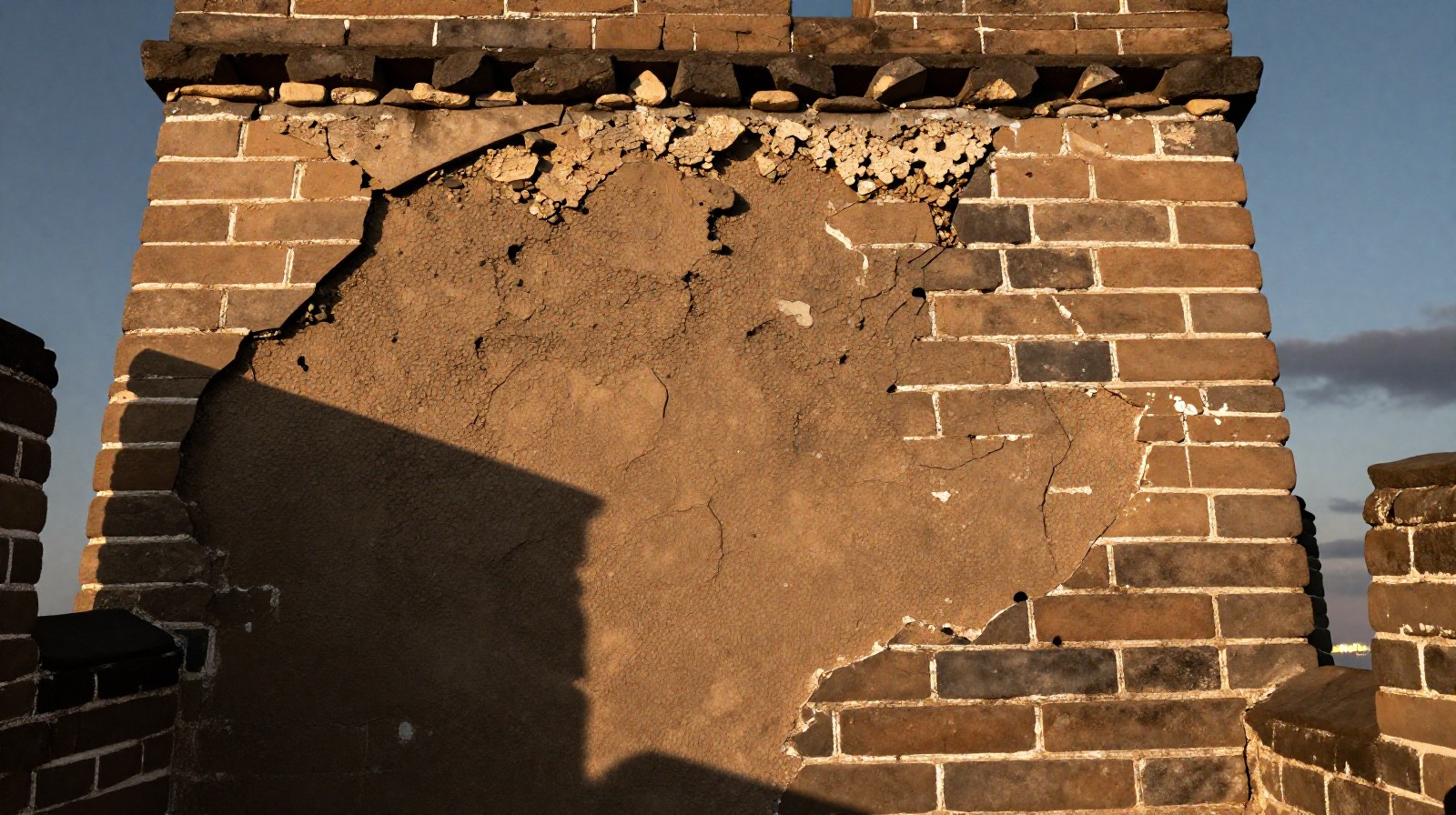
The sun was beginning to dip behind the mountains, casting long, dramatic shadows across the broken battlements. The light didn’t just illuminate; it revealed texture. I could see the rough clay cores of the walls where the outer bricks had crumbled away, exposing centuries of erosion and repair attempts from different dynasties.
There is a specific kind of silence here that you cannot find in commercialized sites. No loudspeakers. No background music. Just the wind whistling through gaps in the stone and the distant call of a hawk. It forces you to confront the material reality of the structure: it’s not a perfect line, but a fragile skeleton of earth and brick fighting against time.
Not a Theme Park
Some travelers ask if these sections are safe. The answer is nuanced. Yes, they are dangerous. There are loose stones, steep drops without guardrails, and no medical stations nearby.
This isn’t a place for casual sightseeing in flip-flops. It demands respect and preparation. Sarah showed me her gear: sturdy hiking boots with deep treads, a first-aid kit, two liters of water, and a headlamp. “We didn’t go here to take pictures of our faces against the wall,” she explained. “We went to feel what it was like when there were no tourists, just soldiers and wind.”
The lack of crowds doesn’t just mean fewer people; it means a different relationship with the past. In the restored sections, history is curated, cleaned, and sanitized for consumption. Here, you have to step over fallen bricks and climb over gaps that haven’t been patched in hundreds of years.
What You Need to Know
If you are considering this journey, treat it as an expedition, not a tour. Start early to ensure you descend before dark. The temperature drops quickly once the sun goes behind the ridge, and visibility vanishes within minutes.
Dress in layers. The wind on the exposed ridges can be biting even in late spring. Bring plenty of water; there are no vendors on these trails. And always let someone know your route. Search and rescue in these remote areas is difficult because mobile signals often fail.
There is a profound satisfaction in standing on a watchtower at sunset, watching the light fade over the endless undulating hills. You aren’t just seeing a landmark; you are witnessing a piece of history that has survived without modern intervention.