
The Latest News

Forget the stereotype of compromise as weakness. In modern China, 'Zhongyong' (the Doctrine of the Mean) is a dynamic strategy for survival and stability in a rapidly changing world.
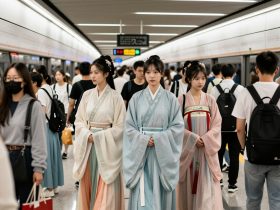
In Beijing, Shanghai, and Shenzhen, you can spot young people in flowing silk robes riding crowded subways. It's not a movie set or a cosplay convention. For China's Gen Z, Hanfu is becoming a daily choice—a modern expression of cultural identity that blends ancient aesthetics with contemporary life.
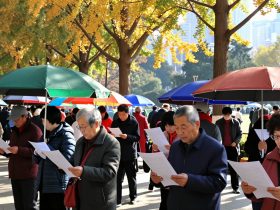
In a Beijing park, hundreds of umbrellas display resumes like job postings. This is the 'matchmaking corner,' where parents trade housing details and salaries to find spouses for their adult children.

Western media often equates 'guanxi' with corruption. But for millions of Chinese people, it is the invisible social operating system that helps you get a hospital appointment, find a good school, or fix a broken appliance. Here is what 'relationships' really look like in modern China.
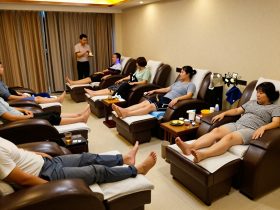
In China, an hour-long foot massage isn't a rare treat for the wealthy; it's a standard weekend ritual for office workers and retirees alike. Here is what really happens inside these bustling shops.

In China, the number 8 signals wealth while 4 signals death. This isn't just superstition; it's a powerful economic force shaping real estate prices, car plate auctions, and mobile phone numbers.

Forget the strict, stoic worker stereotype. In China's offices and on WeChat, a new language of self-deprecation has emerged. From 'Da Gong Ren' to elaborate memes about 'lying flat,' explore how Chinese employees use humor to cope with pressure, build community, and navigate the modern workplace.

Why do strangers in China often say 'fate' when they meet or part? Yuanfen is not just destiny; it's a unique emotional logic that explains how Chinese people navigate relationships, accept change, and find comfort in the unexpected.