

The sound of silence in a crowded city
It starts with the sound. Not the roar of traffic or the chime of notifications, but the gentle clink of porcelain bowls against bamboo tables and the low murmur of voices mixed with birdsong from nearby trees. This is the soundtrack of Chengdu’s teahouse culture, a rhythm that has persisted for centuries even as the city transforms around it.
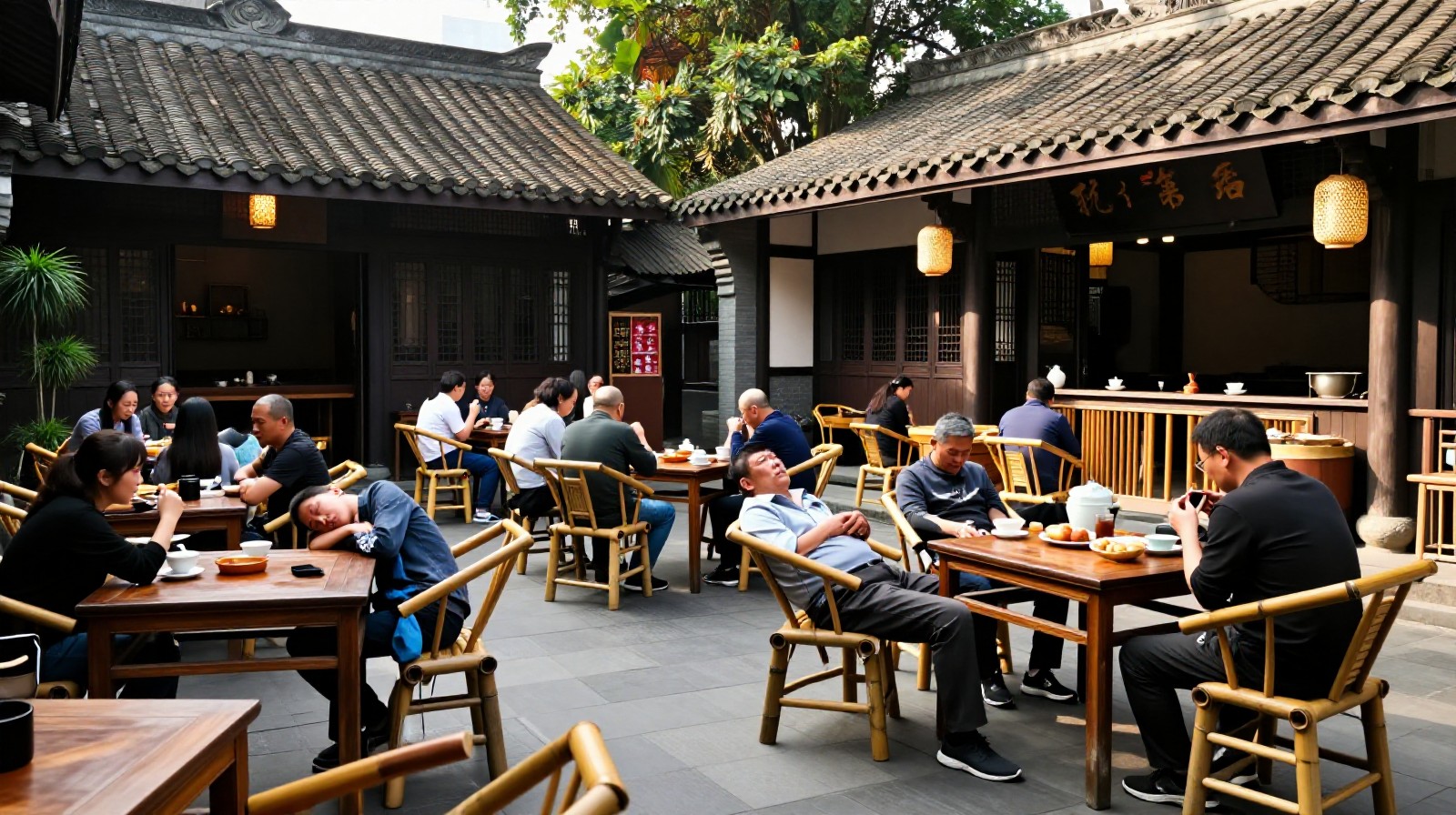
I arrived in Chengdu expecting to see futuristic skylines or bustling tech parks. Instead, I found myself sitting on a bamboo chair at 7:30 AM in Kuanzhai Alley, surrounded by locals who seemed to be waiting for nothing in particular. They were just being there. One man was balancing a bowl of water on his chest while sleeping; another was carefully plucking the feathers off a roasted duck with chopsticks. The air smelled faintly of jasmine and damp wood.
What is ‘An Yi’?
To an outsider, this looks like laziness. To a local, it is An Yi—a state of profound comfort, peace, and contentment that requires no apology. It is not about giving up; it is about choosing a different pace in a world obsessed with speed.
In the West, efficiency is a virtue. In Chengdu, efficiency can be a vice if it steals your time for tea. I spent three days testing this philosophy. My schedule was simple: wake up, find a teahouse, order a ‘Gaiwan’ (lidded bowl) of flower tea, and stay until the sun moved across the roof tiles.
The art of ear cleaning
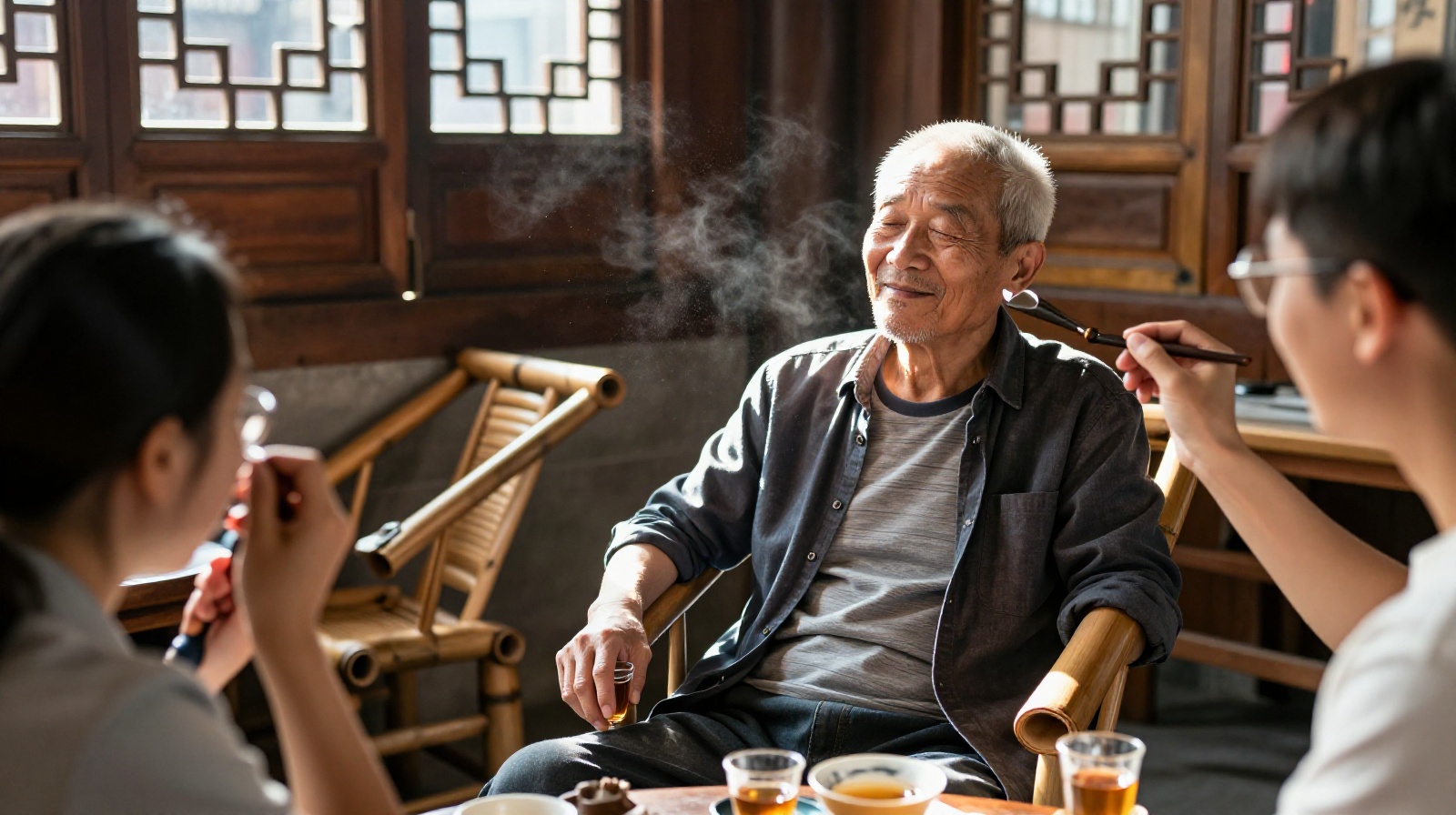
The highlight of my trip wasn’t sightseeing; it was the Cai Er—ear cleaning. At first, I was skeptical. How can removing wax be an experience? But in Chengdu, this is a ritual passed down through generations.
I visited a small shop behind a traditional courtyard. The operator, Uncle Li, wore a white apron and had hands that moved with the precision of a watchmaker. He didn’t ask me to lie down immediately. First, we sat for ten minutes drinking tea while he asked about my day. This was crucial. In Chengdu, service begins with conversation.

The sensory experience
When the tools came out—a thin metal spoon, a soft feather, a tiny wooden stick—the room went quiet. Uncle Li used a small fan to blow gently into my ear canal while scraping away wax. The sound was hypnotic: a soft scritch-scratch, the rustle of feathers, and the occasional tink as metal touched bone.
I felt dizzy at first, then strangely awake. It wasn’t just cleaning; it was a reset button for my nervous system. The sensation spread from my ear to the top of my head, making me feel like I had just woken up after a deep sleep, even though I hadn’t slept much that night.
Why do young people choose ‘lying flat’?
I asked Li, a regular customer who has been coming here for 40 years. “People think we are lazy,” he said, sipping his tea. “But look at the city outside. It is too fast. We are all running, but no one knows where they are going. Here, I am not running. I am breathing.”
This isn’t unique to the elderly. In Chengdu’s creative districts like Taikoo Li, you see 25-year-old designers taking breaks between video calls to have their ears cleaned. They aren’t quitting their jobs; they are managing burnout. The local government has even embraced this culture, promoting teahouses as cultural heritage sites rather than just tourist traps.
Psychologically, An Yi is a defense mechanism against the extreme pressure of modern life. It allows people to reclaim control over their time. When you can decide to spend three hours doing nothing and feel good about it, you stop feeling like a cog in a machine.
Your 3-day Chengdu ‘Do Nothing’ itinerary
If you want to experience this side of China without judgment, here is how I did it:
- Day 1: The Morning Ritual. Go to Wenshu Monastery at sunrise. Drink tea in the courtyard while monks chant. Cost: ¥10 ($1.40) for tea and a bun. Tip: Arrive before 7 AM to get a seat by the water.
- Day 2: The Deep Clean. Find a reputable Cai Er studio in Qingyang District. Expect to spend ¥60-80 ($8-$11) and 45 minutes. Do not rush; let the operator guide you into relaxation.
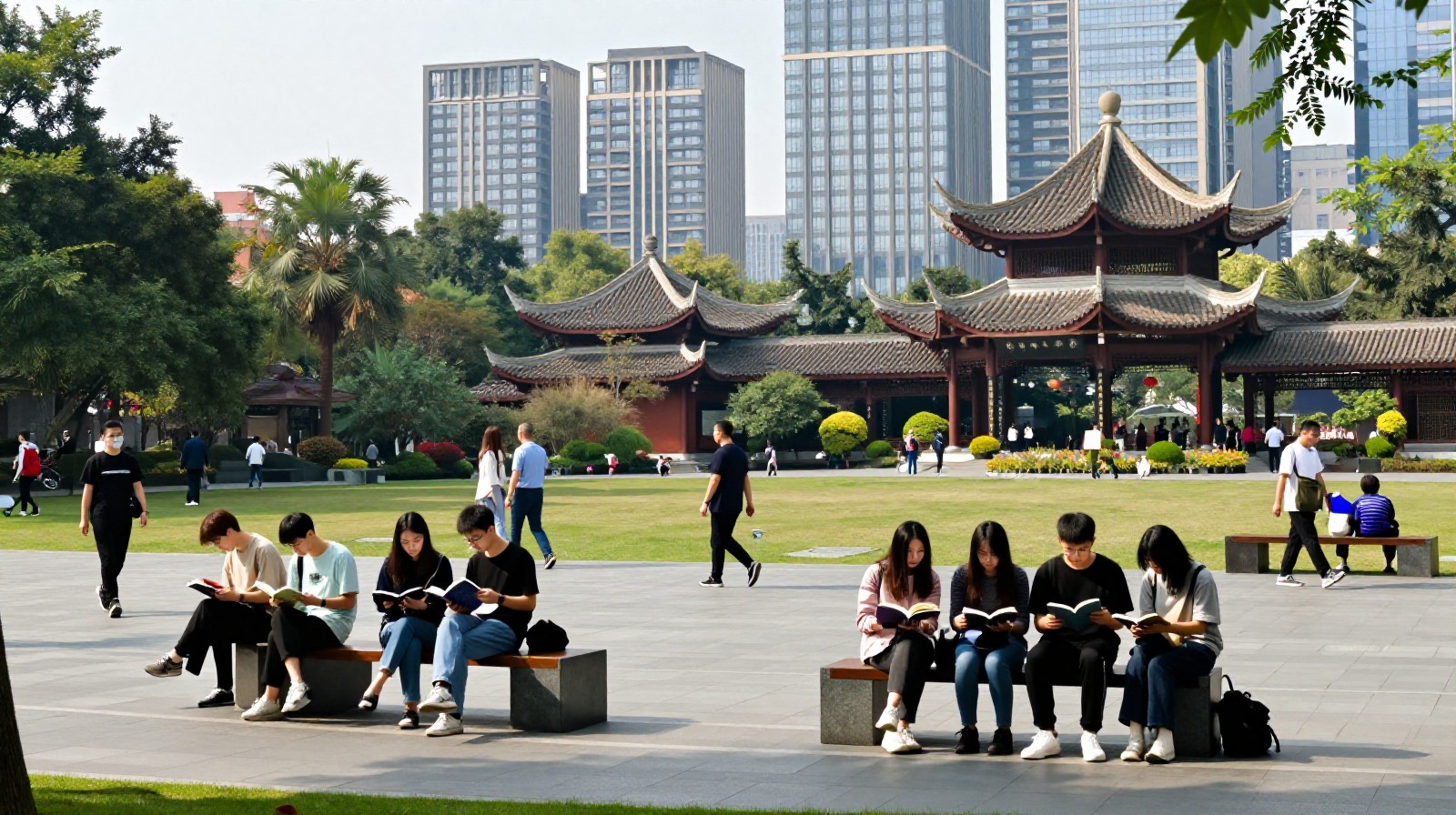
- Day 3: The People Watcher. Sit at Jinli Ancient Street or a park near Sichuan University. Bring a book, but read only one page every hour. Spend the rest of the time observing strangers. Cost: Free (or just pay for water).
The price of this experience? Less than a coffee in New York or London. The value? A reminder that life doesn’t have to be a constant sprint.
Beyond the stereotype
Chengdu is often misunderstood as a city of slow pace and hot pot, but it is also one of China’s economic powerhouses. The tech industry is booming here. People work hard; they just know when to stop.
The beauty of Chengdu lies in this balance. It shows that you don’t have to choose between ambition and well-being. You can build a career while still having time to sit on a bamboo chair, watch the clouds drift by, and let someone gently clean your ears with a feather.
Final thoughts
I left Chengdu feeling more rested than when I arrived. Not because I slept more, but because I finally learned to stop fighting the current. The city taught me that doing nothing is actually doing something important: it’s preserving your humanity in a world that demands you be a machine.
Next time you feel overwhelmed, remember Chengdu. Go find a teahouse. Order a tea. Close your eyes. Let the world wait for you.