

Beyond the Green Carpet
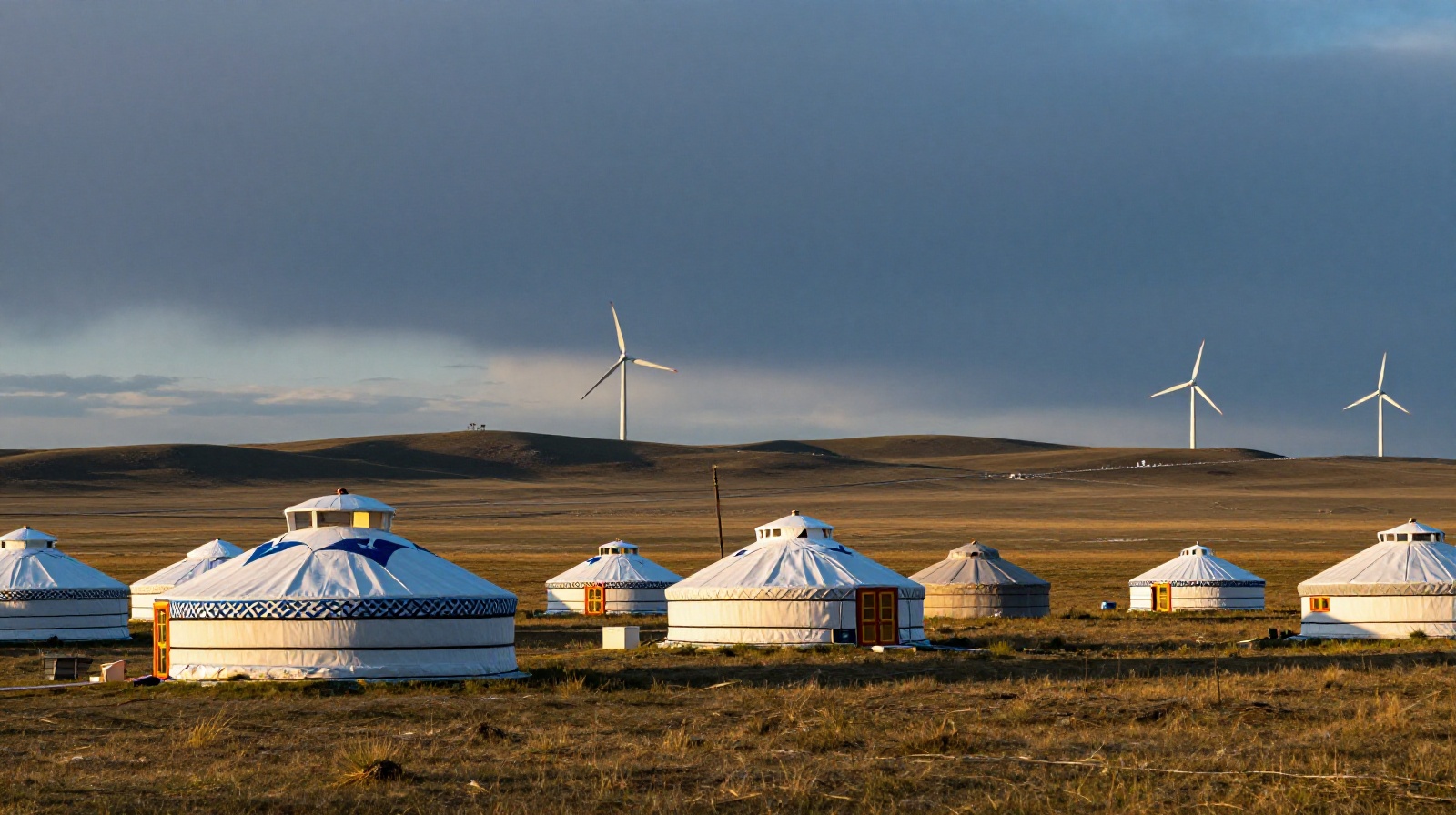
It is easy to imagine Inner Mongolia as a flat, green carpet stretching to infinity, where life moves only at the pace of a horse. But step into Ordos or Baotou, and you will find high-rise glass buildings, subway systems, and 5G networks that outpace many Western cities. This is not just a land of yurts; it is a dynamic region where ancient nomadic roots have taken hold in a modern soil.
From Yurts to Smart Cities
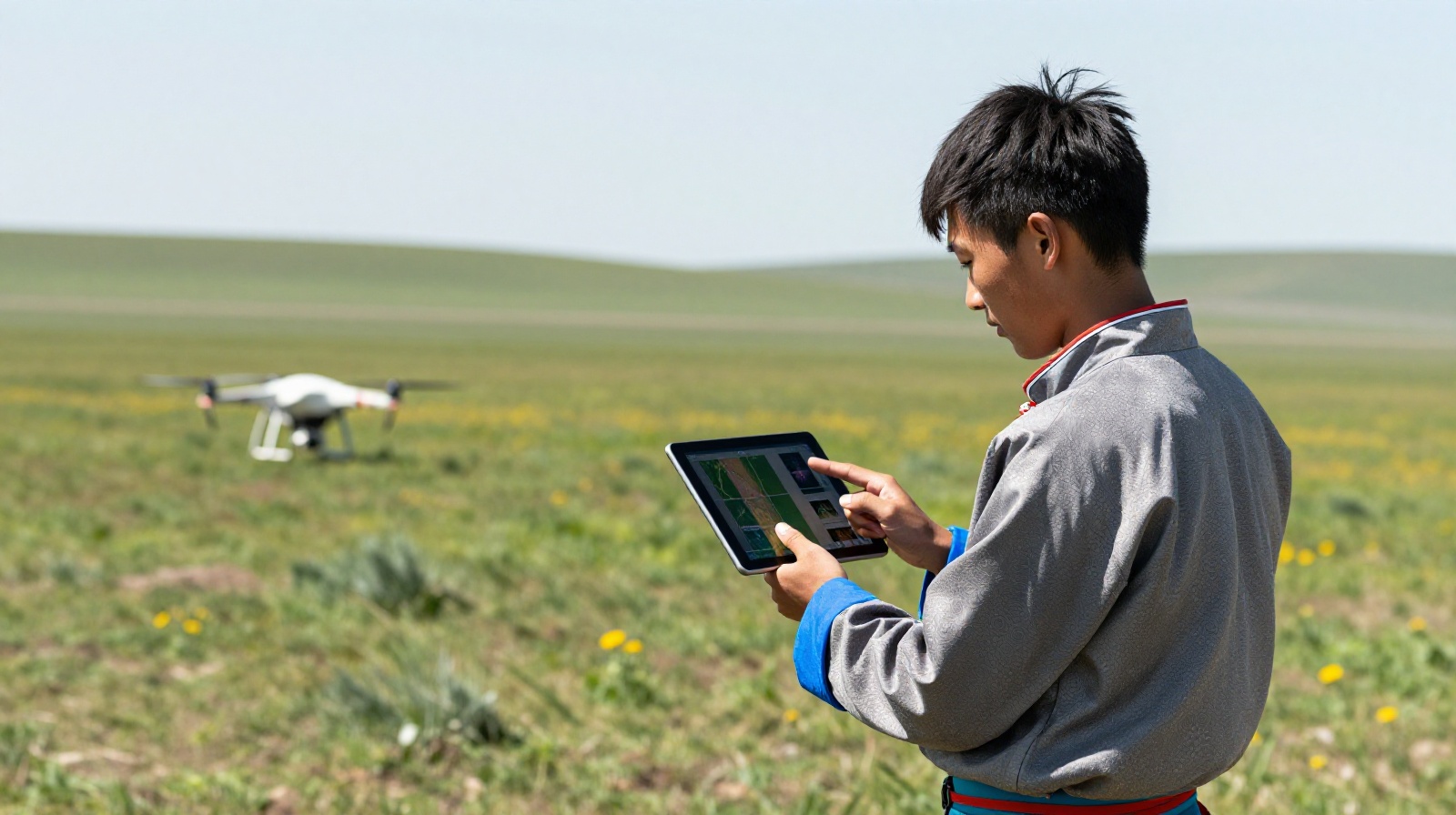
The most striking change is how technology has reshaped daily life for herders. In the past, moving cattle required days of travel across vast distances with little communication. Today, a young herder in Xilingol might use a tablet app to check grazing land conditions via satellite imagery before driving a drone over the pasture.
This digital transition is not replacing tradition but reinforcing it. A 45-year-old shepherd I met near Hohhot explained that while he still follows the seasonal migration patterns of his ancestors, he now uses GPS trackers on his livestock and orders feed online for delivery to the remote campsite. The “digital nomad” label fits this new breed of herder perfectly.
A Landscape Far More Varied Than You Think
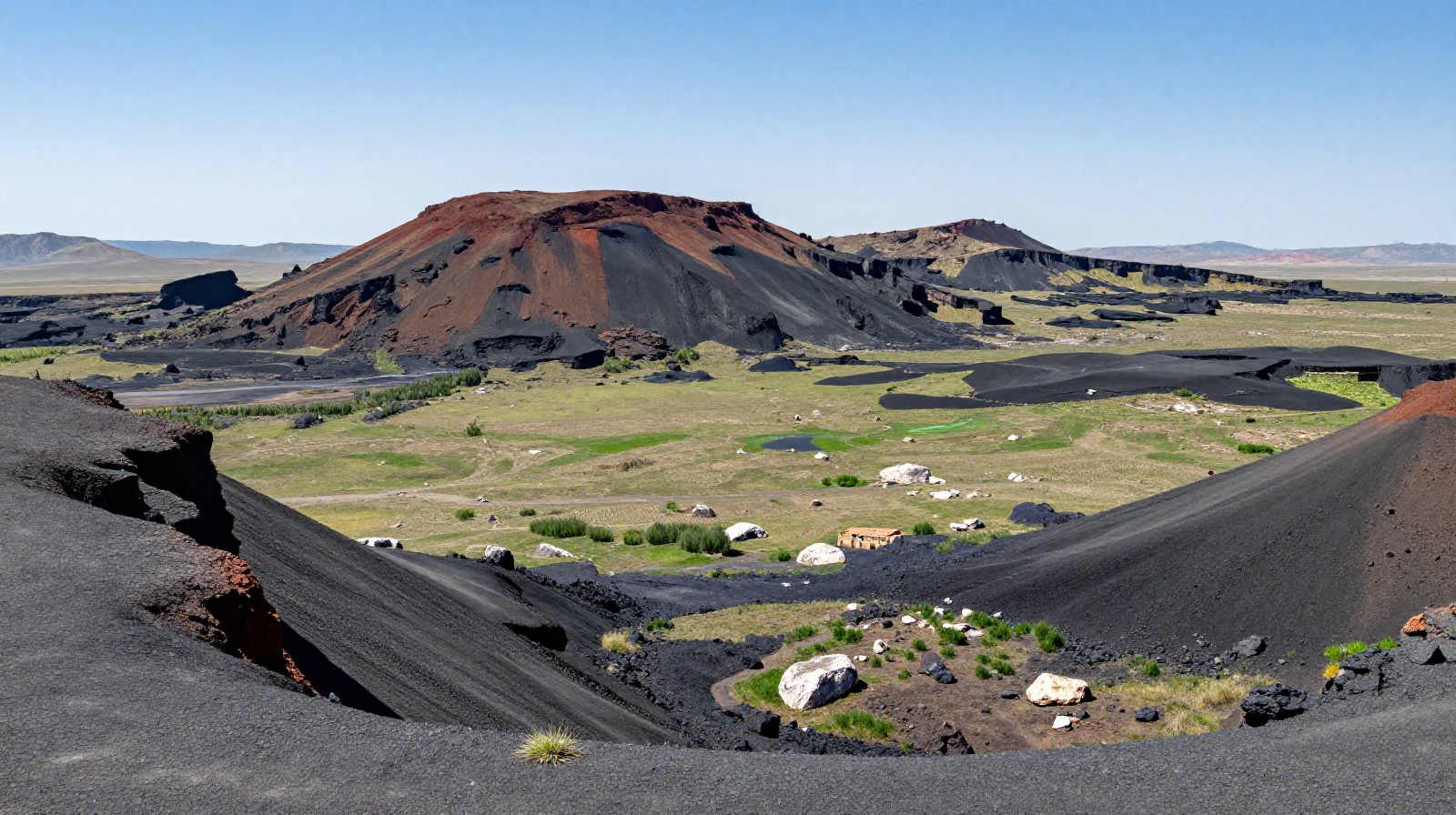
Most travelers expect only rolling hills, but Inner Mongolia is a geological museum. In northern China, the Xing’an Mountains offer dense forests that look more like Siberia than the steppe. Further south, the Gobi Desert meets volcanic craters, such as those near Wuhai, where black lava fields contrast sharply with green reeds.
These diverse landscapes support unique ecosystems and tourism opportunities beyond the typical grassland tours. In winter, the frozen lakes of Hulunbuir become vast ice sculptures, while summer brings wildflowers that turn the meadows into a colorful mosaic.
The Balance Between Tradition and Modernity
How do locals navigate this shift? The answer lies in community. In many rural areas, traditional festivals like Naadam are now celebrated with live-streamed ceremonies watched by thousands online, while local governments invest heavily in green energy projects like wind farms that dot the horizon.
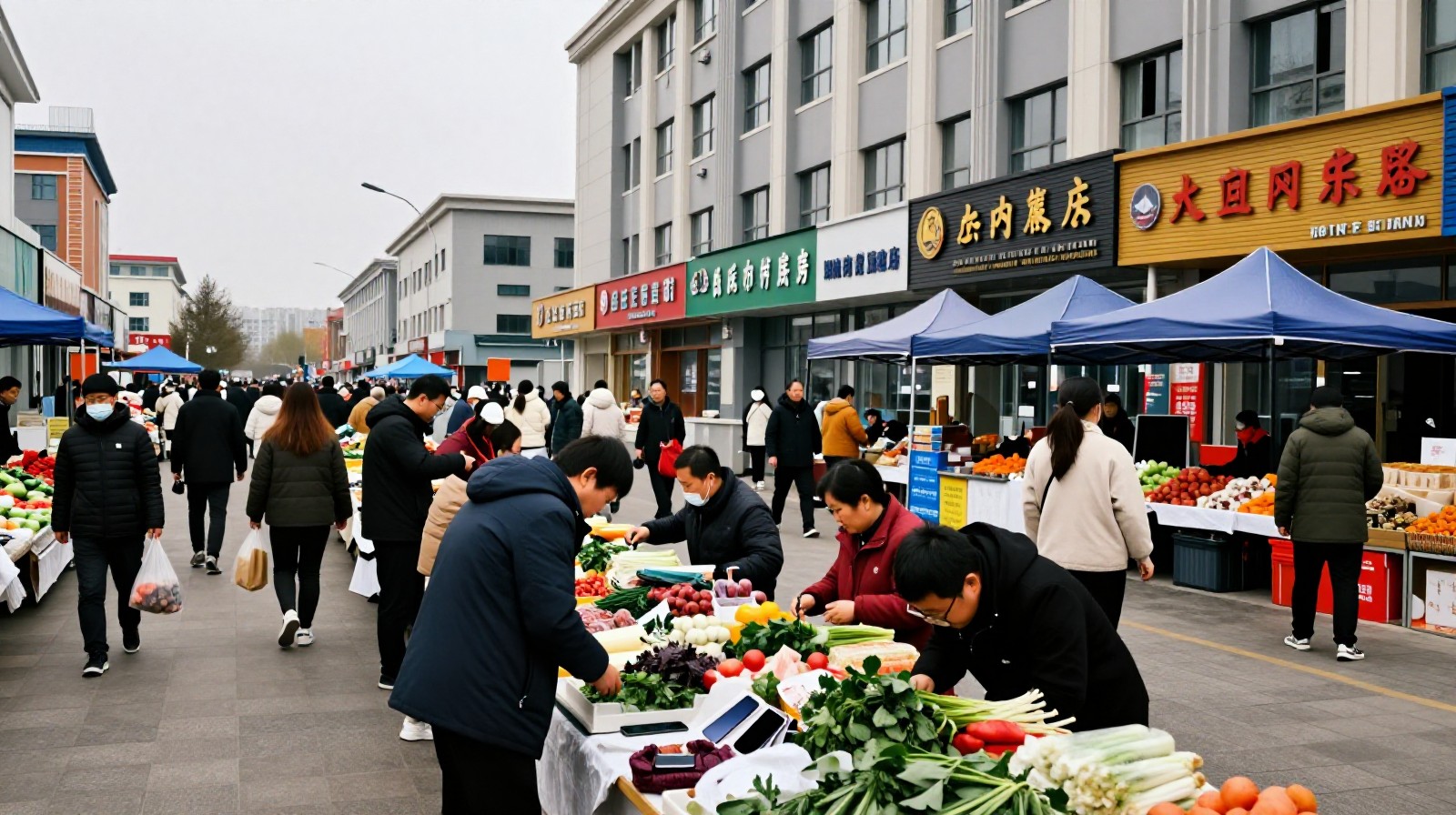
The economy has also diversified. While beef and mutton remain staples, the region is now a hub for rare earth mining and renewable energy production. A factory worker in Baotou might spend his day processing materials for electric vehicle batteries, then head home to a family dinner featuring traditional roasted lamb.
Where to Go Next
If you want to see the real Inner Mongolia, skip the crowded tourist spots in typical summer months. Instead, visit Alxa League in autumn when the desert turns gold, or explore the border towns along the Russian frontier where the architecture and food blend Mongolian and Slavic influences.
Inner Mongolia is not a frozen museum of the past. It is a living, breathing place where the wind carries both the scent of burning grass and the hum of electric turbines.