

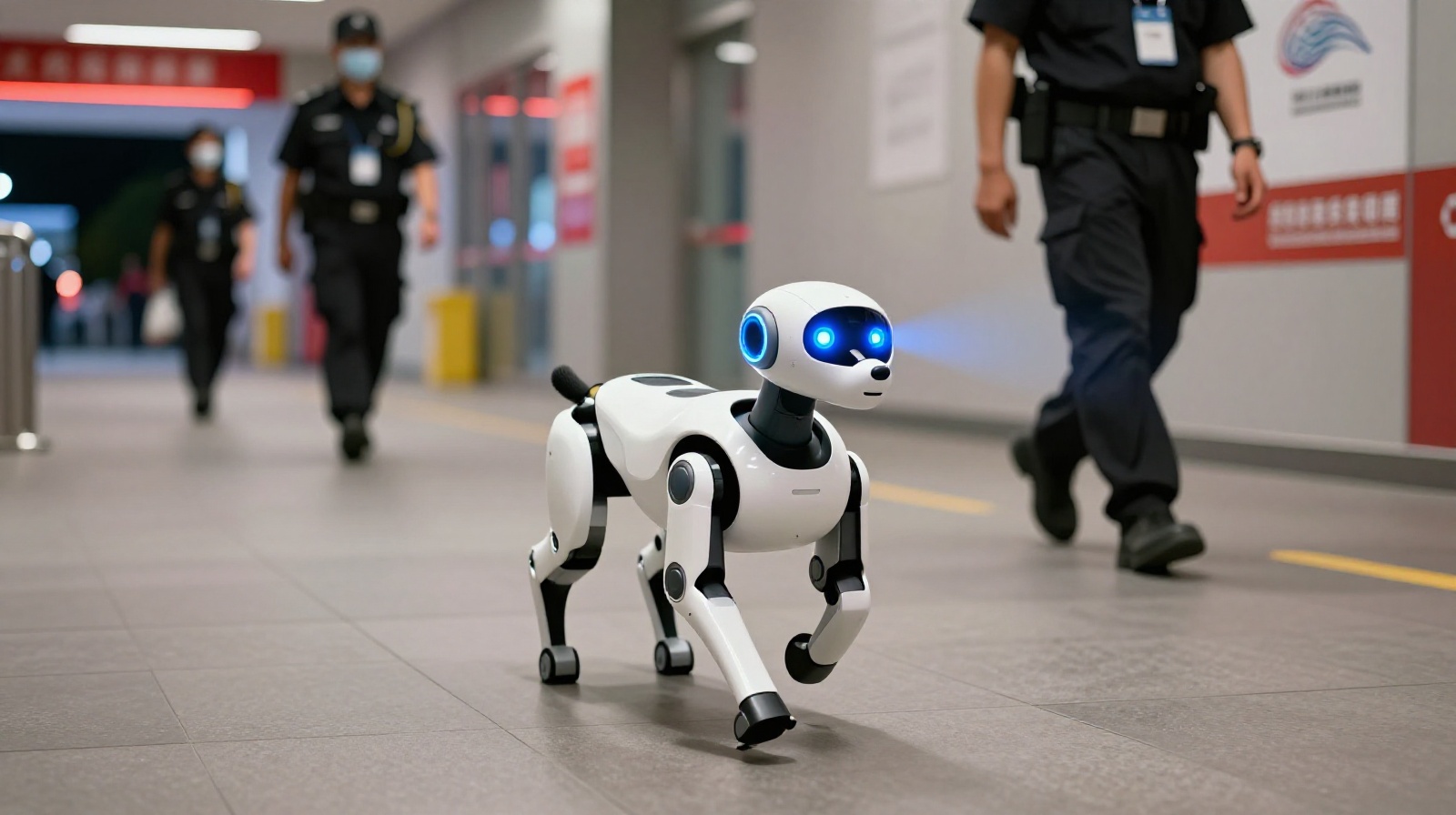
A Quiet Patrol That Defies Expectations
It is a crisp evening in Hangzhou. The crowd noise from the stadium fades into a hushed corridor of the athlete’s village. Suddenly, a small, four-legged machine trots past a group of tired volunteers. It isn’t barking or glowing with menacing red lights. Instead, it moves with a fluid, almost organic gait, its camera eyes scanning the empty walls.
This is Unit 04, one of dozens of robotic dogs patrolling the Asian Games venues. For many outsiders, seeing a robot dog immediately conjures images of futuristic battle droids or sci-fi dystopias. But in this reality, the machine feels more like a high-tech security guard than a weapon. It doesn’t replace human officers; it works alongside them, creating a layer of safety that is both advanced and unobtrusive.
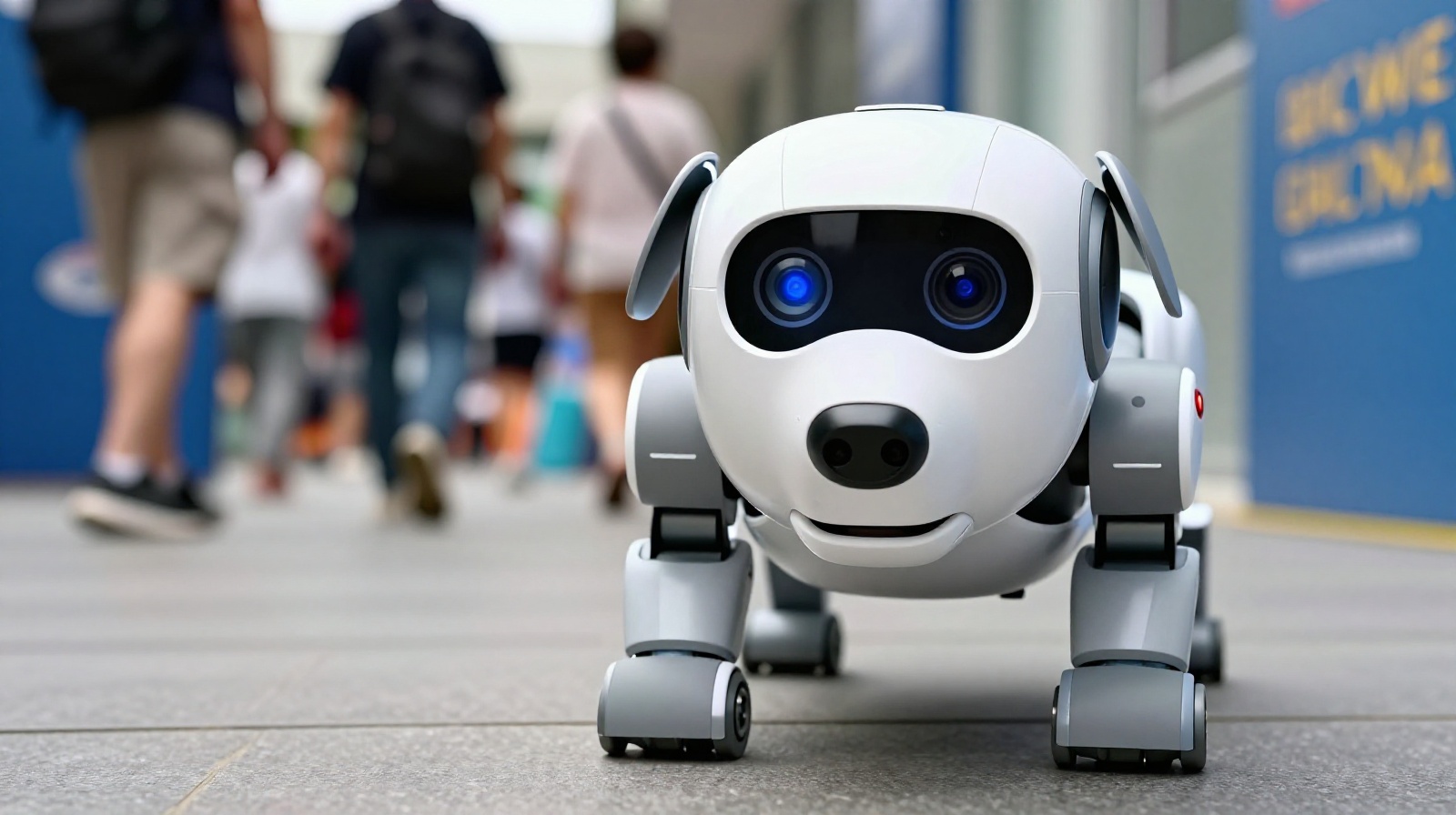
From Prototype to Patrol: The Tech Behind the Paws
How does this actually work? These robots are not just remote-controlled toys. Under the hood, they rely on sophisticated sensor suites that make them invisible guardians.
Equipped with LiDAR (Light Detection and Ranging) sensors, the robotic dogs map their surroundings in real-time, building a 3D model of the area to avoid obstacles even in low light. Thermal cameras embedded in their “head” can detect body heat, spotting an intruder hiding behind a corner where human eyes might miss them. Every few seconds, this data is transmitted to a central command center via 5G networks.
The workflow is seamless. If Unit 04 detects an unusual movement or a temperature spike in a restricted zone, it doesn’t just alarm bells; it sends a live video feed and coordinates to the human handler’s tablet. The robot stays put, acting as the eyes on the ground, while the security team assesses the situation remotely.
Human-Robot Collaboration in Action
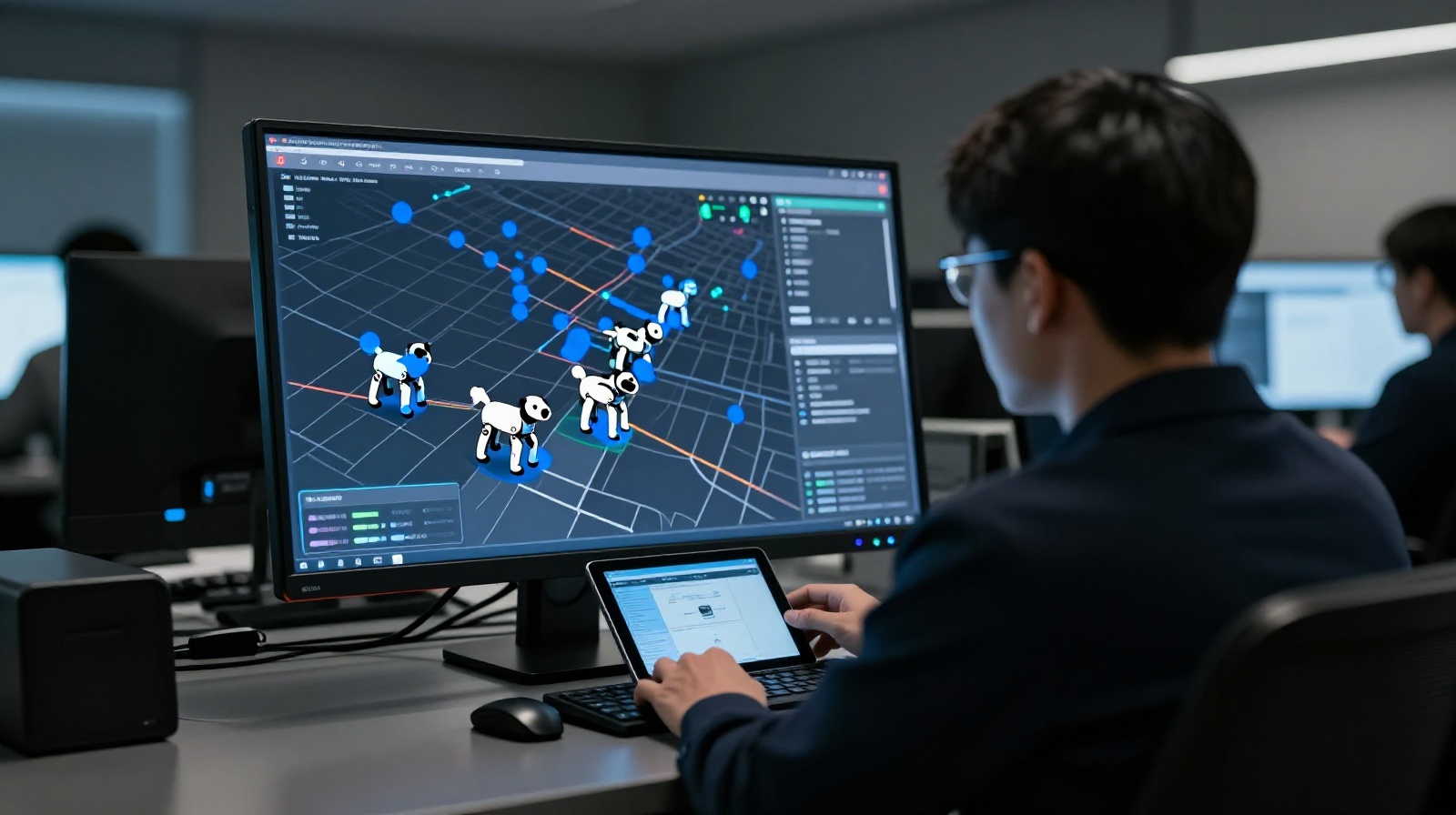
The most striking part isn’t the machine itself, but how humans interact with it. In a command tent nearby, Li Wei, a senior security coordinator, monitors four different units on a single tablet screen.
“I don’t chase them,” Li explains, pointing to a map where blue dots represent the robots. “They are my eyes in places I can’t be physically present. If they see something odd, they alert me. Then I decide what to do.” This human-robot collaboration is the core of China’s approach to public safety: technology handles the repetitive monitoring and data collection, freeing humans to make critical decisions.
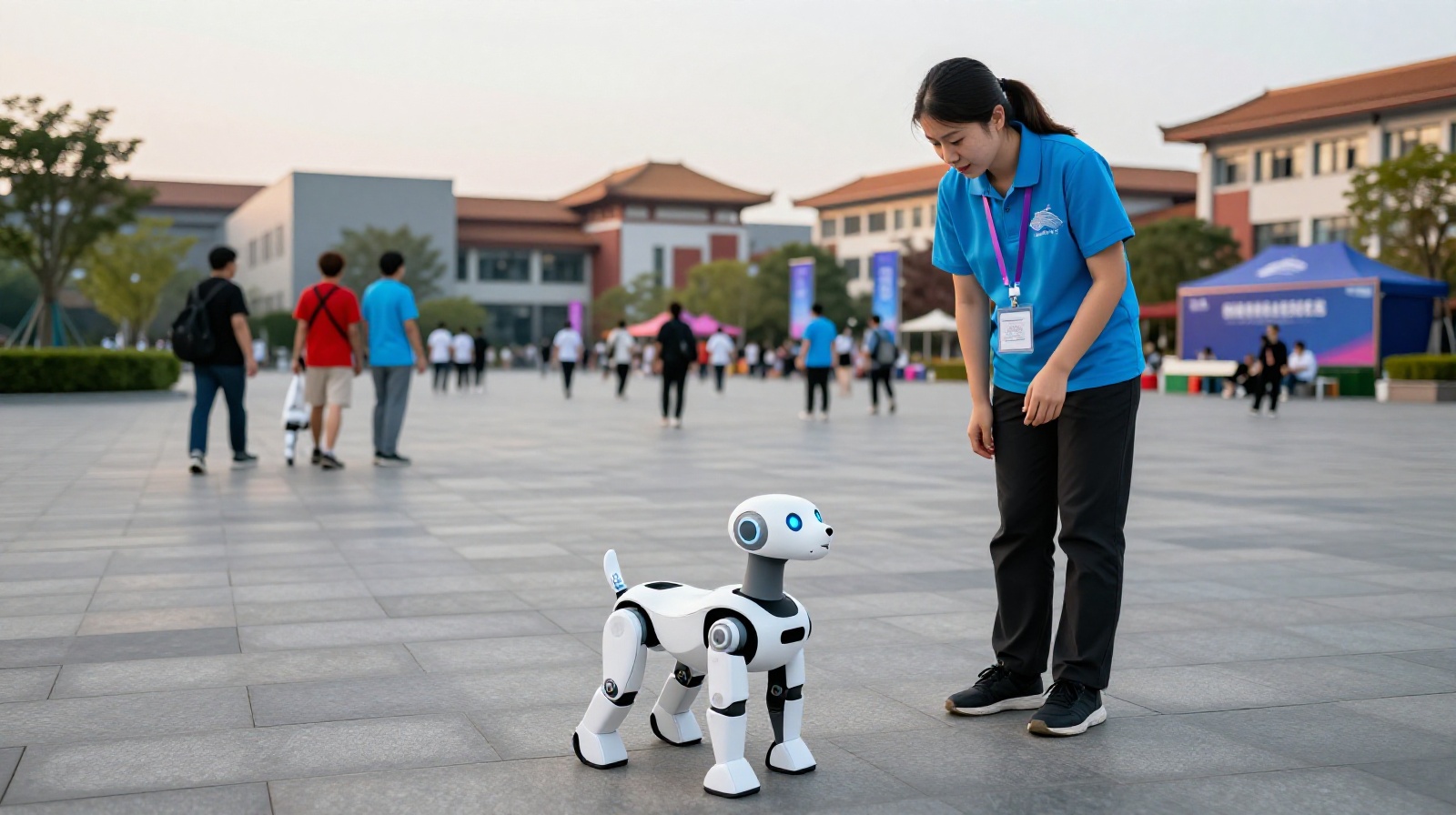
The Quiet Impact on Daily Life
For athletes and spectators, this shift in security presence changes the atmosphere. There is less of a heavy-handed police feel and more of a sense of calm vigilance. A volunteer named Sarah, who has worked at multiple international events, noted the difference.
“Usually, security feels intrusive,” she said. “But these dogs are so quiet. They walk past you without stopping unless there’s an issue. It makes the venue feel safer, not more controlled.” This psychological shift is crucial. By removing the aggressive posturing of traditional security checks and replacing it with smart automation, the environment remains welcoming while maintaining high standards.
Why This Matters for China’s Tech Narrative
This scene at the Asian Games is a microcosm of a broader trend in Chinese urban innovation. It showcases how high-tech solutions are being democratized—moved from expensive research labs into everyday public spaces to solve real problems.
In many cities across China, these robotic units are already finding their way into parks, subway stations, and residential compounds. The efficiency gains are tangible: robots can patrol 24/7 without fatigue, reducing the cost of labor while improving coverage. It is not about replacing jobs, but about upgrading public management with tools that make cities safer and more responsive.
A Snapshot of Modern Governance
Watching Unit 04 trot back to its charging station as the night deepens offers a clear view into the future of smart governance. Technology here isn’t used for spectacle; it is integrated quietly into the fabric of daily life.
As China continues to build smarter cities, the lessons from these robotic patrols are becoming a blueprint for others: use AI not to dominate, but to assist; prioritize human well-being alongside efficiency; and let technology work in the background so people can enjoy their lives without worry. The future isn’t just coming; it is already patrolling your neighborhood.