

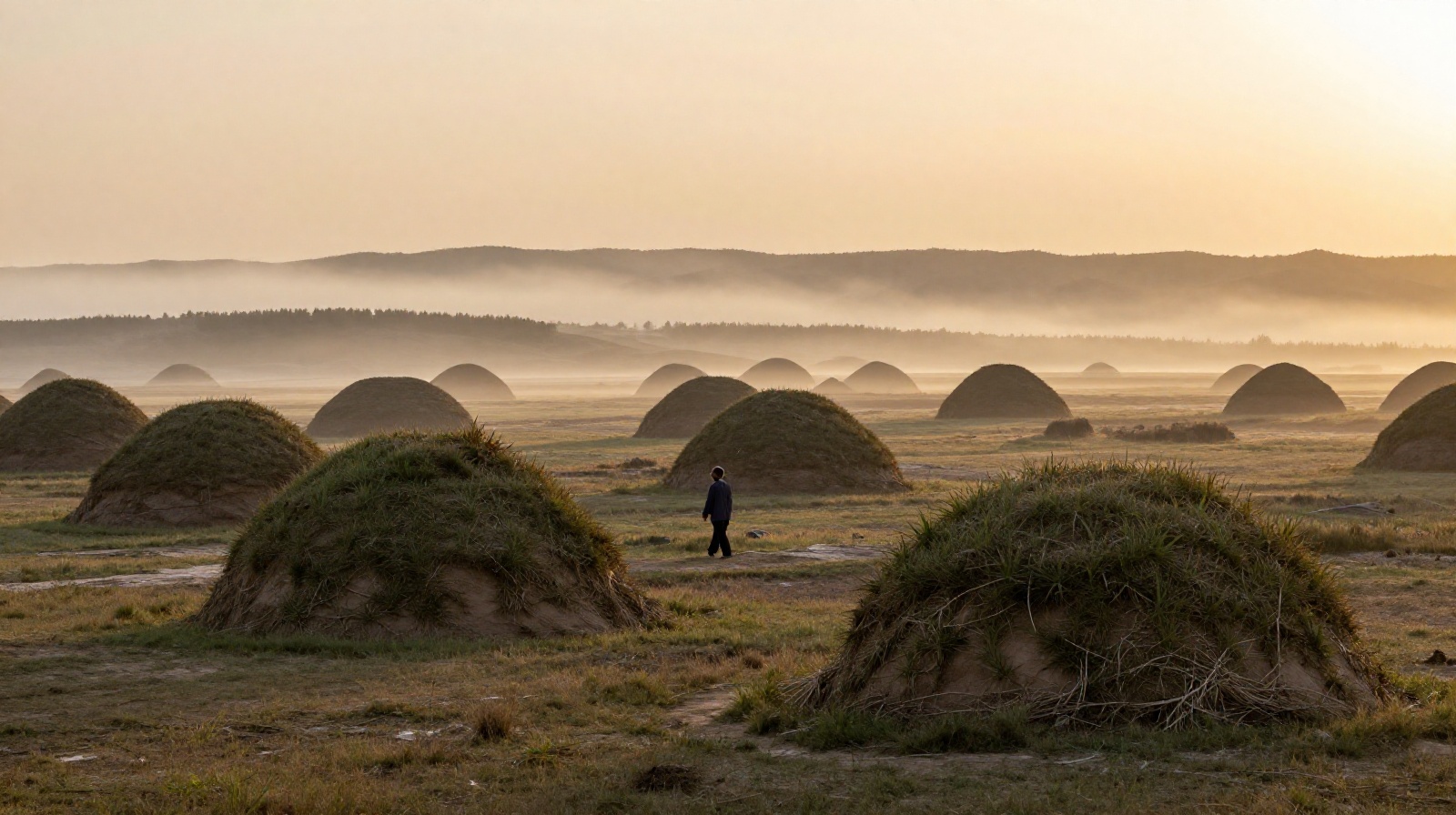
The Dust That Doesn’t Settle
Imagine standing in a quiet field near Xianyang, just outside Xi’an. The wind sweeps across the loess plateau, carrying dust that has been swirling for thousands of years. Locals here don’t see ruins; they see their backyard. But beneath these ordinary-looking fields lie secrets that have kept scholars awake at night.
While tourists flock to the Terracotta Warriors to marvel at a thousand clay soldiers, few venture far enough to ask: What else is buried out there? In Shaanxi province, history isn’t just in museums; it’s woven into the soil itself. This is where the Qin Dynasty began, where emperors ruled for centuries, and where some of China’s most baffling archaeological puzzles remain unsolved.
The Tomb That Refuses to Open
Deep underground near Xianyang lies the tomb of Emperor Jing of Western Han. It looks deceptively simple from the surface—a grassy mound that could be mistaken for a farmer’s hill. Yet, inside, archaeologists have found treasures that defy explanation.
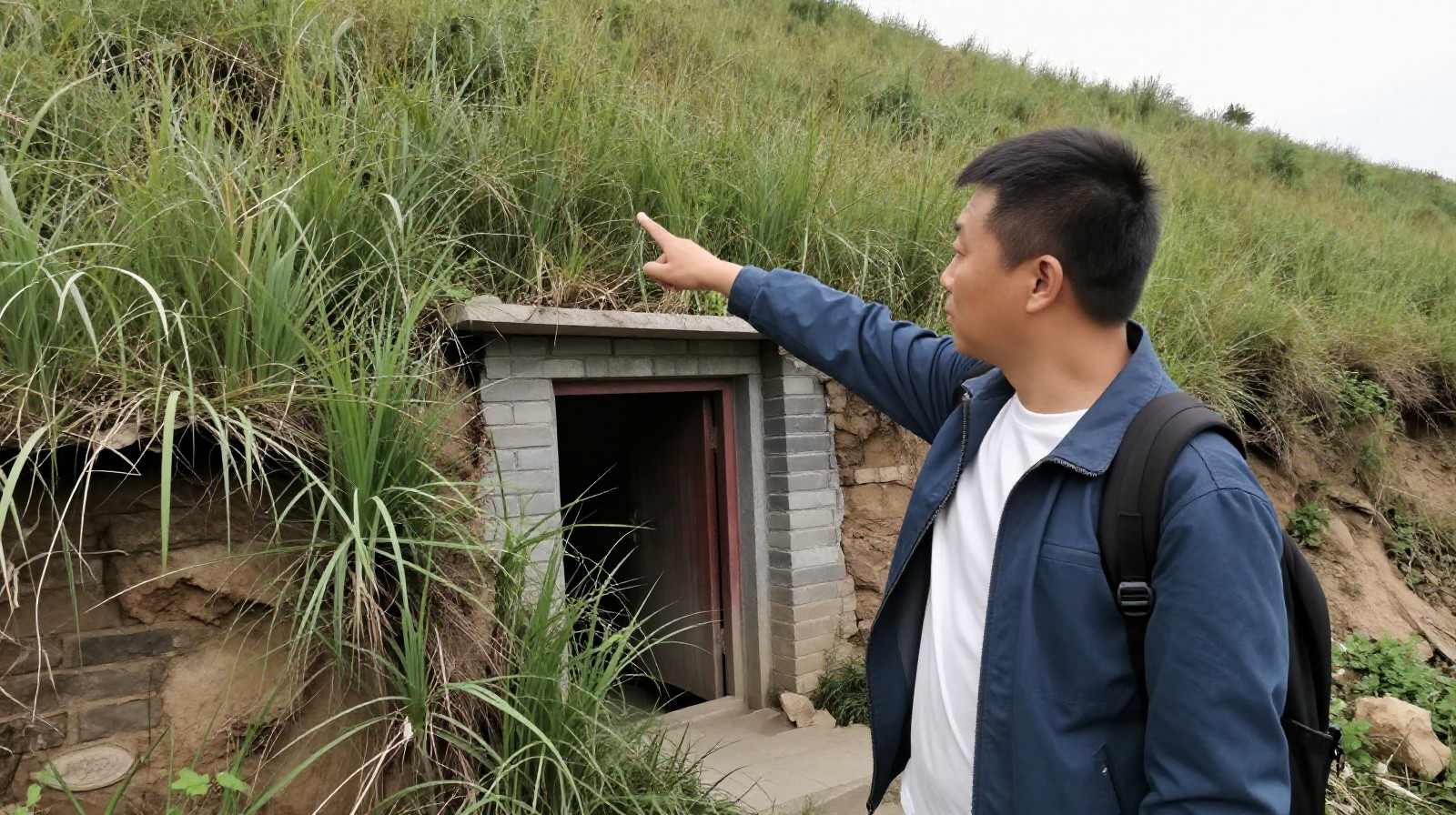
A local guide points to a small opening in a rural hillside near Xi’an, explaining the mystery of Emperor Jing’s tomb.
Unlike the Terracotta Warriors, which were discovered by farmers digging a well, this tomb remains sealed. Why? Because modern technology isn’t ready yet. The sheer scale of the underground palace is vast, with corridors that stretch for miles. Opening it risks damaging priceless artifacts with oxygen or humidity changes. So, we wait.
For the local farmers who work above these treasures, the mystery is practical. “We just plow around them,” one farmer told me recently. “If something breaks, we report it.” There’s a quiet respect here, a balance between progress and preservation that defines how ordinary people interact with their ancient past.
The Script That Doesn’t Exist
Further south, in the Qinling Mountains, researchers have uncovered pottery shards with strange markings. These aren’t standard Chinese characters. They don’t match any known script from the Zhou or Han dynasties. Some locals call it “the language of ghosts,” while linguists are stumped.
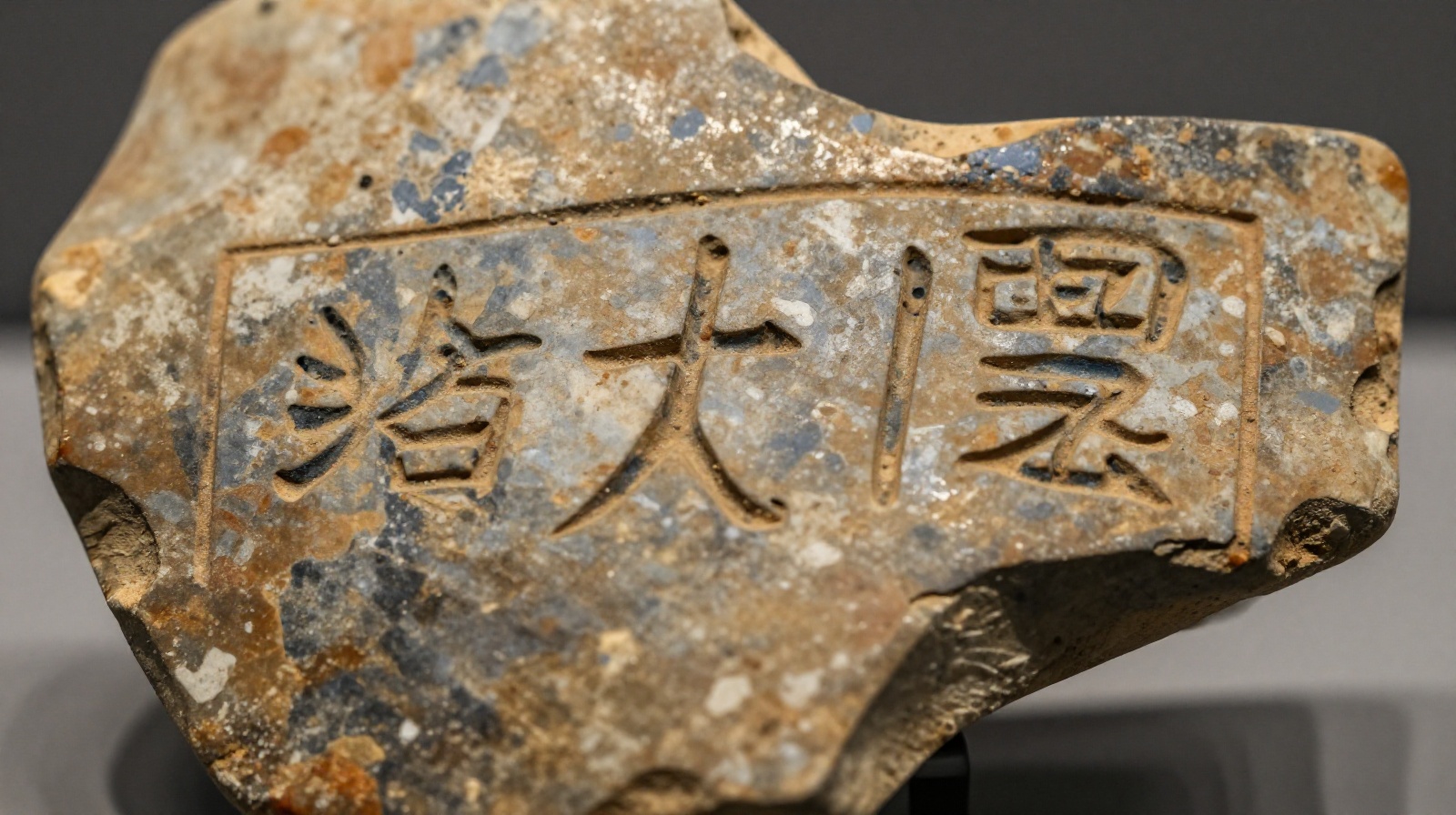
Close-up of a weathered pottery shard with mysterious, unrecognizable carvings found in the Qinling Mountains.
Could this be evidence of an earlier civilization that was wiped out before history books were written? Or perhaps a dialect so unique it never made it into official records? The debate rages on. In small village tea houses near the dig sites, you’ll hear heated discussions among retired teachers and curious teenagers who see themselves as guardians of these lost languages.
Living History: More Than Stone
What makes Shaanxi’s mysteries unique isn’t just the age of the artifacts, but how they are treated today. In modern Xi’an, you can buy a smartphone app that scans ancient coins in your hand to reveal their historical context instantly.

A young student in downtown Xi’an uses a smartphone app to scan an ancient coin at a local market stall.
Technology meets tradition. In the bustling night markets, vendors sell replicas of Han Dynasty silk alongside fresh noodles and spicy skewers. The line between the past and present is blurry. A street vendor might point out a stone carving in the pavement, noting it’s from a road built 2,000 years ago.
The Future of the Past
So, what do these mysteries mean for the world today? They remind us that history is not finished. Shaanxi is not just a backdrop for ancient stories; it is a living laboratory where every new discovery could rewrite our understanding of early human civilization.
The unanswerable questions—the sealed tombs, the unknown scripts—are what make this place so compelling. It’s a reminder that even in an age of satellites and AI, there are still corners of the earth waiting to surprise us. And in Shaanxi, the dust just keeps blowing.