

The Smell of Coal and the Sound of Bells
It starts with a smell that doesn’t belong in a travel brochure. As I pulled my rental car off the highway near Datong, Shanxi province, the air was thick with a distinct, metallic tang—coal dust mixed with exhaust. This is China’s “black gold” region, where massive mining operations powered the nation’s industrial boom for decades. Yet, just ten minutes down a winding provincial road, the noise of trucks faded into the wind whistling through ancient pine trees.
I wasn’t here to see modern factories or shopping malls. I was chasing something far more extreme: architecture that defies gravity in one of China’s harshest geological settings. This is not the polished, sanitized version of China often seen on social media. This is a road trip through “hardcore” history.
A Temple That Shouldn’t Exist
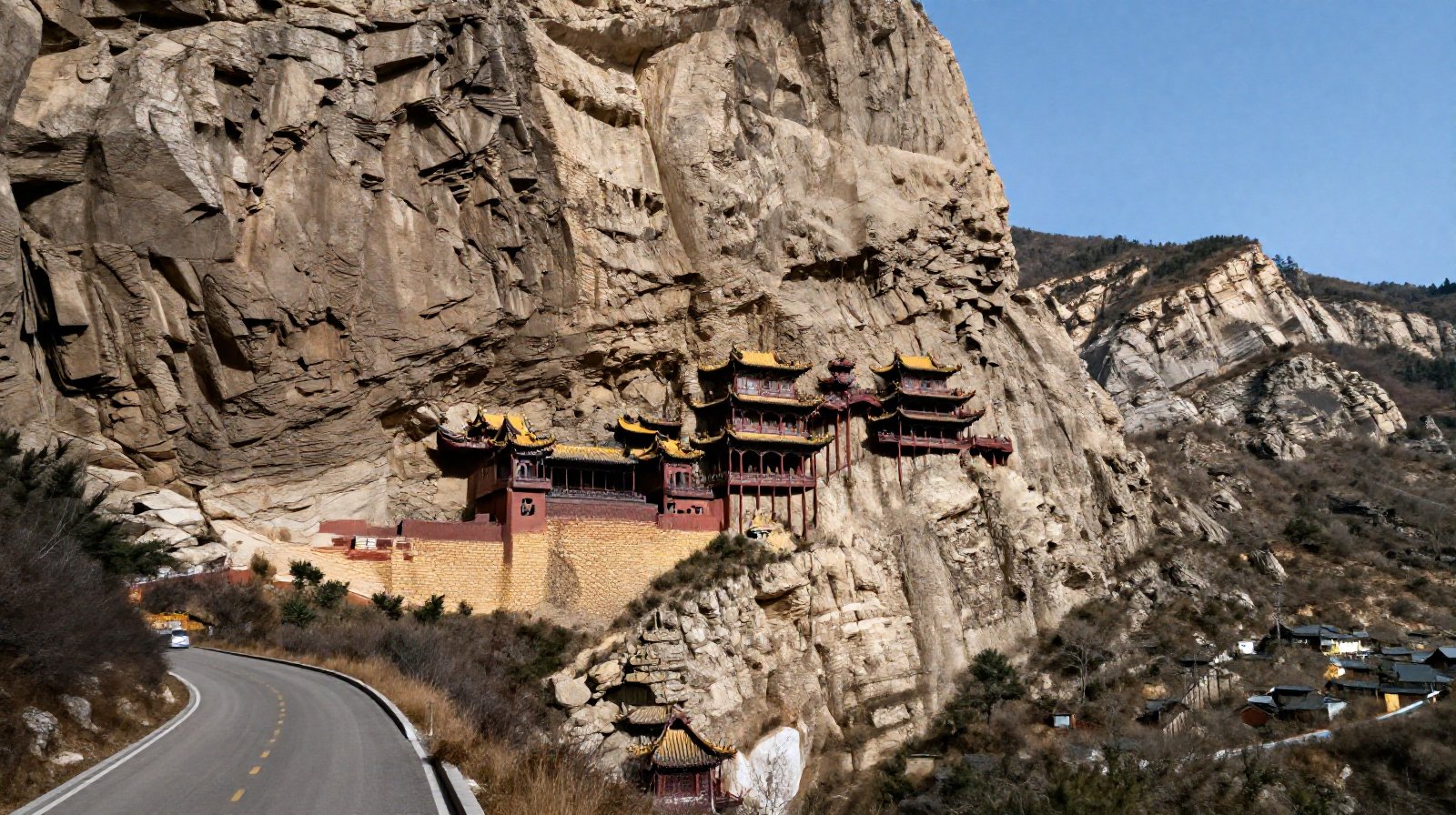
The Hanging Temple (Xuankong Si) appears out of nowhere, clinging to a vertical sandstone cliff like a stubborn barnacle. It’s not a museum piece behind glass; it’s a living structure built into the rock 1,500 years ago. Standing at its base, looking up, you feel dizzy. The temple seems suspended by nothing but wooden beams and sheer will.
How did they build this? Locals call it “engineering against nature.” There are no massive foundations; instead, architects carved holes into the cliff face to support crossbeams that hold the entire structure. It’s a delicate balance. I ran my hand along the cold stone wall next to me—the same rock that has held up centuries of worship.
Monks in the Modern Age

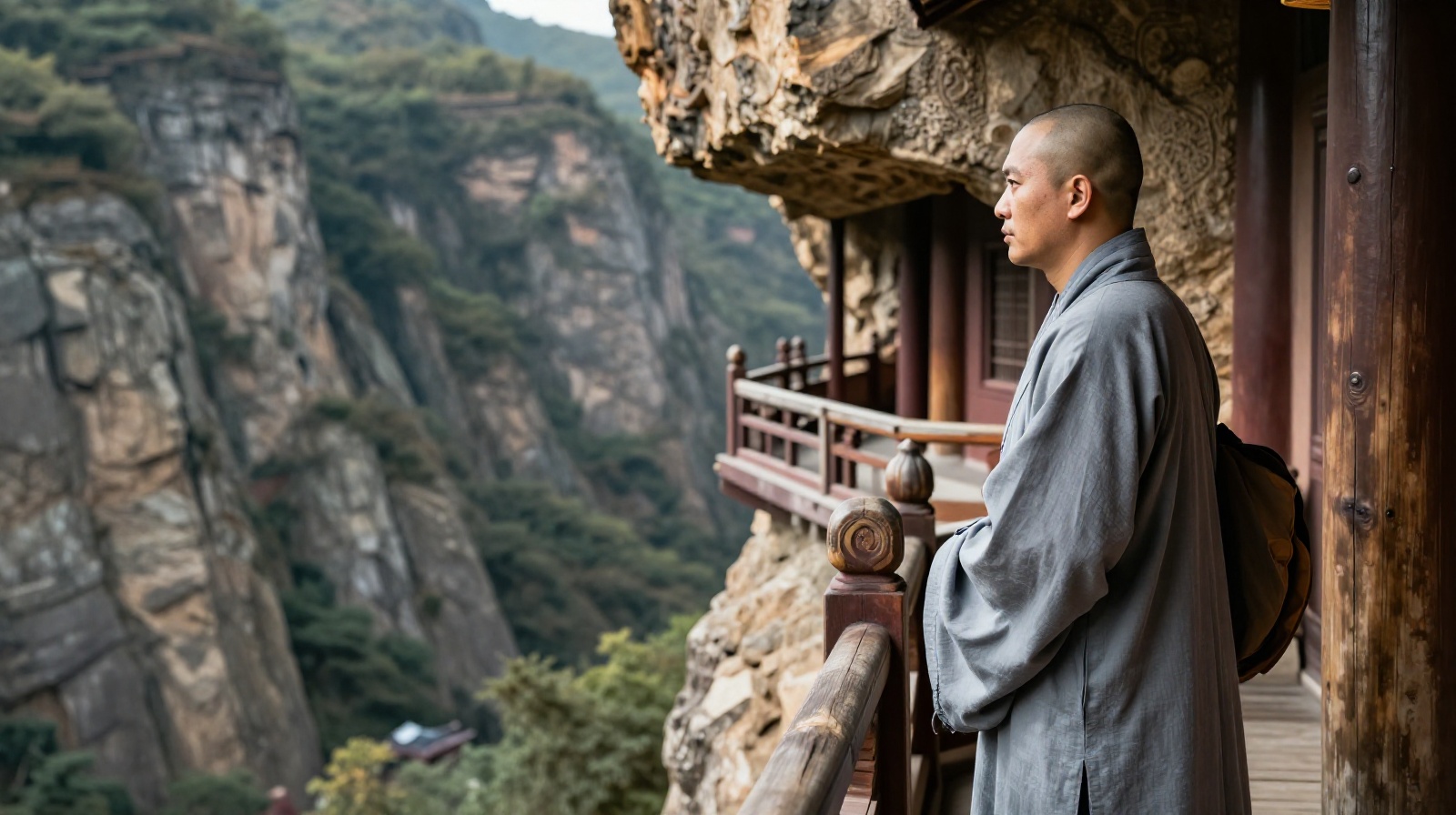
I met Brother Wei at the small tea house inside the temple grounds. He’s 35, wears a simple grey robe, and his phone buzzes with WeChat messages from lay donors. The contrast is striking: ancient rituals happening just meters away from a smartphone notification.
“People think monks live in silence, far away,” Wei told me, pouring hot tea into a clay cup. “But we are part of the city. Many of our lay followers come from the coal mines nearby. They bring us their worries about safety and money.”
This isn’t isolationism. It’s adaptation. The temple has its own online donation system, and young visitors often arrive in electric scooters or BYD cars, parking right next to the old stone tablets. The monk told me that his daily routine hasn’t changed much—chanting at dawn, sweeping leaves—but the context around him is shifting rapidly.
Where Mining Meets Heritage
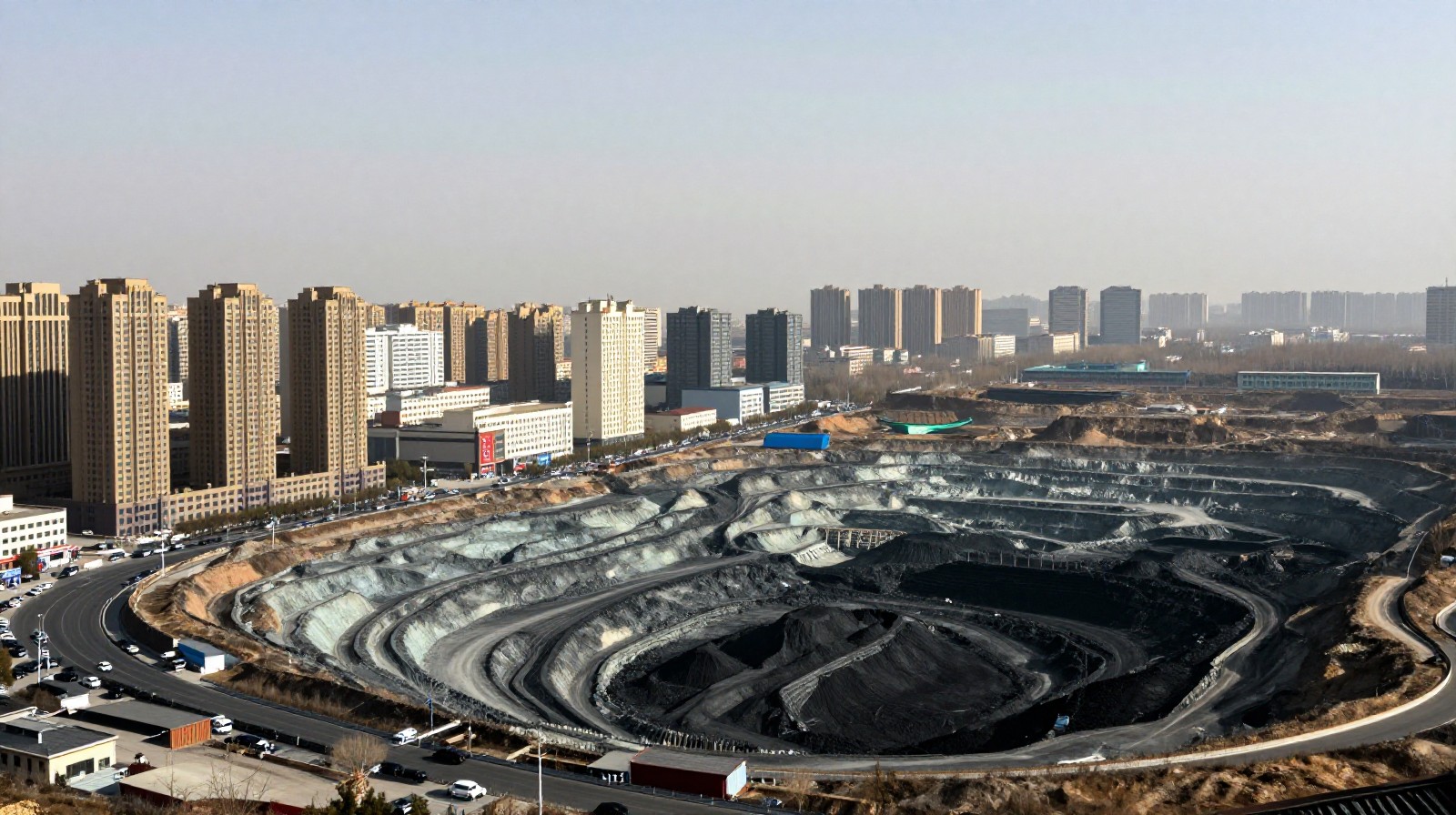
Dropping back down from the mountains into Datong city reveals a surreal duality. Skyscrapers rise next to open-pit mines filled with black earth. In some neighborhoods, the soil looks like it’s been painted grey by soot.
Yet, amidst this industrial landscape, you find centuries-old wooden pagodas standing tall, untouched by the smog that sometimes blankets the streets. It’s a unique social fabric where history and survival are woven together. You’ll see grandmothers walking their dogs past construction cranes, or young people ordering takeout in front of 500-year-old stone lions.
The Road Less Traveled
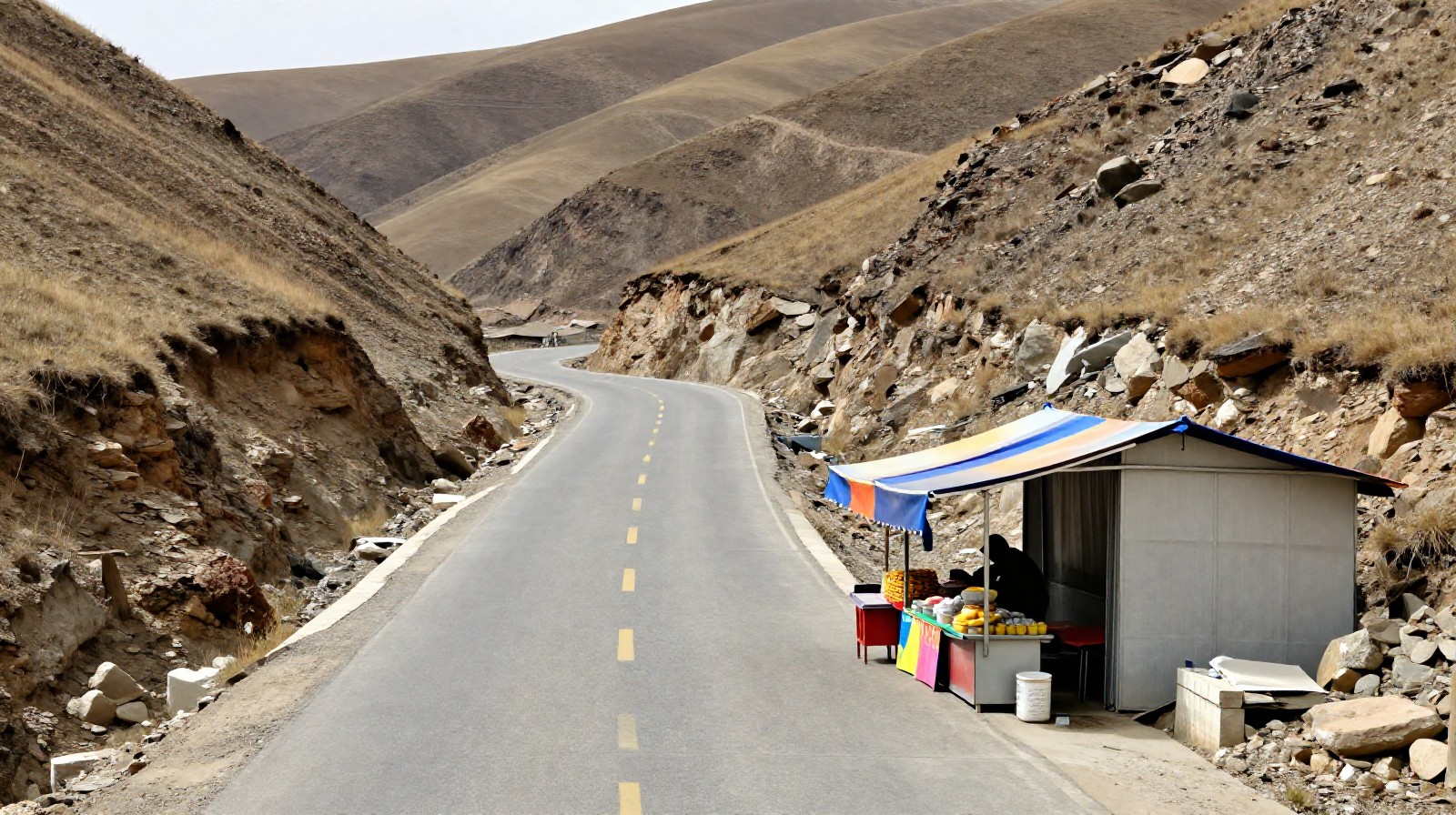
Driving here requires a bit of grit. The roads are good but narrow in places, winding through valleys where the wind howls. But that’s the reward. Avoiding the main tourist buses means finding small roadside stalls selling hot noodles and local spirits.
The “hardcore” nature of this region isn’t just about the buildings; it’s about the resilience of the people. They live in a place that was once deemed too dangerous for habitation, turning cliffs into sanctuaries and coal dust into fuel for progress. If you want to understand China beyond the headlines, drive here.