

A Pizza, a Truck, and a Smartphone
Last Tuesday, I needed to move my entire apartment from the third floor of an old building in Shanghai to a new place five kilometers away. The box was heavy. The stairs were narrow. My back hurt just thinking about it.
In the US or Europe, you might call a professional moving company. You’d get a quote that includes insurance, fuel, and two burly guys. The bill? Often hundreds of dollars. It feels like buying a small car.
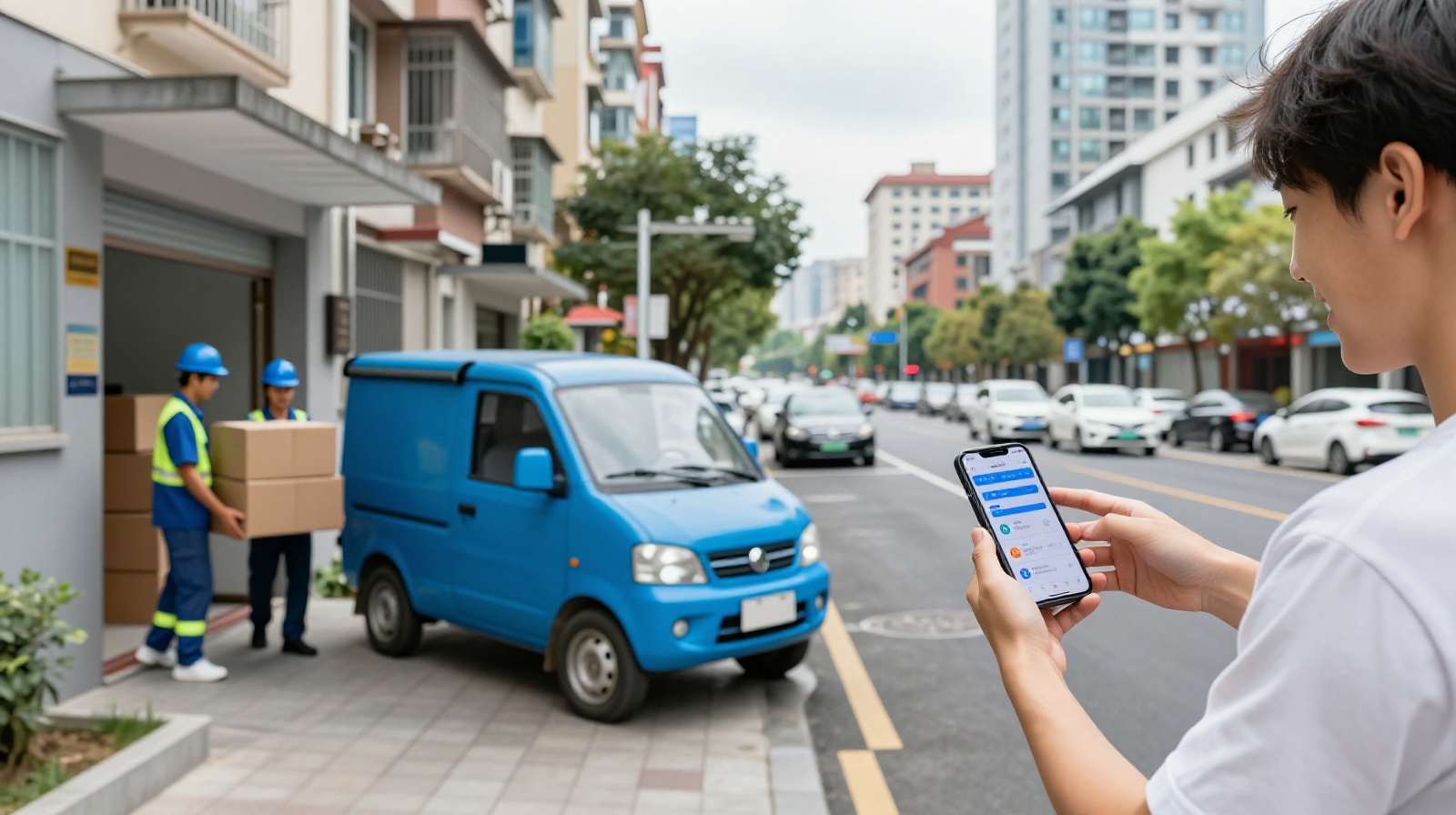
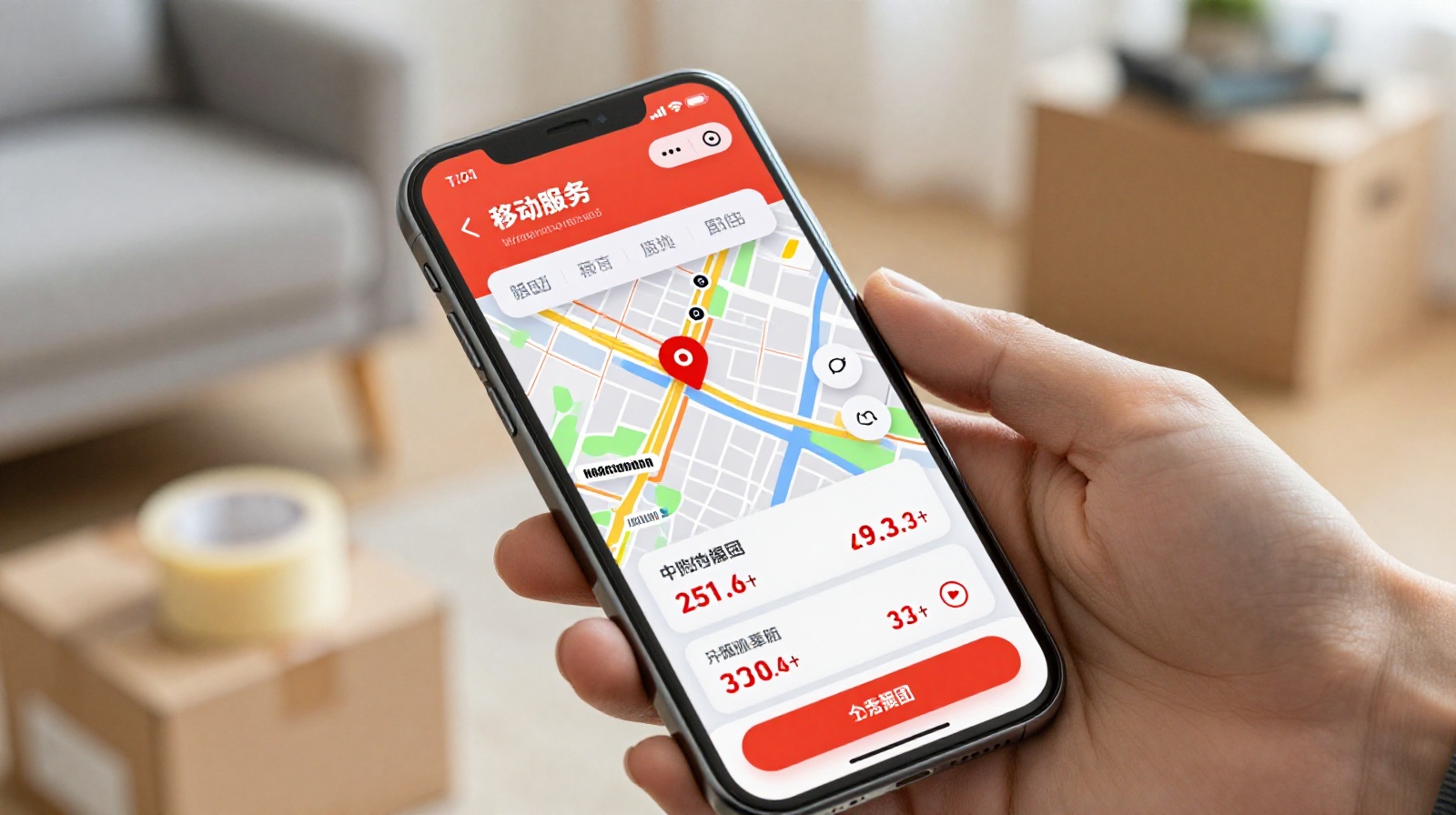
Here in China, I opened an app called Ganji or Lalamove. In three minutes, I selected “Move Apartment.” I typed my address, chose the size of the truck (a small van), and added two helpers. The total price popped up: 120 RMB. That’s about $17 USD.
For context, a large pepperoni pizza with extra cheese at a local chain costs around 60-80 RMB ($9-$12). So, I just paid for two pizzas to move my whole life. It felt strange. Was something missing? No insurance? No contract?
The Magic of the Platform
How does this work? The app is a bridge connecting people who need moving services with independent drivers and movers who have trucks or are looking for side gigs.
Unlike traditional companies that own fleets and employ full-time staff, these platforms operate on a gig economy model. A driver might own their small truck but isn’t working nine-to-five at a logistics firm. They are using idle time to earn extra cash. This competition drives prices down.
The process is seamless. You book the service. The driver and helpers arrive within 30 minutes, just like a ride-hailing car (Didi or Uber). They load your boxes, protect the walls with blankets, drive you to the new place, and unload everything in under an hour. No complex contracts. No hidden fees. Just pay via the app when it’s done.
Real Life: The Li Family Story
Let me share a real example. Last month, my friend Xiao Li moved from a studio to a two-bedroom apartment in Beijing. She is a young teacher, on a tight budget.
She tried calling a traditional moving company first. They quoted her 800 RMB ($110) minimum for the truck and labor. She was shocked. Instead, she downloaded an app recommended by a colleague.
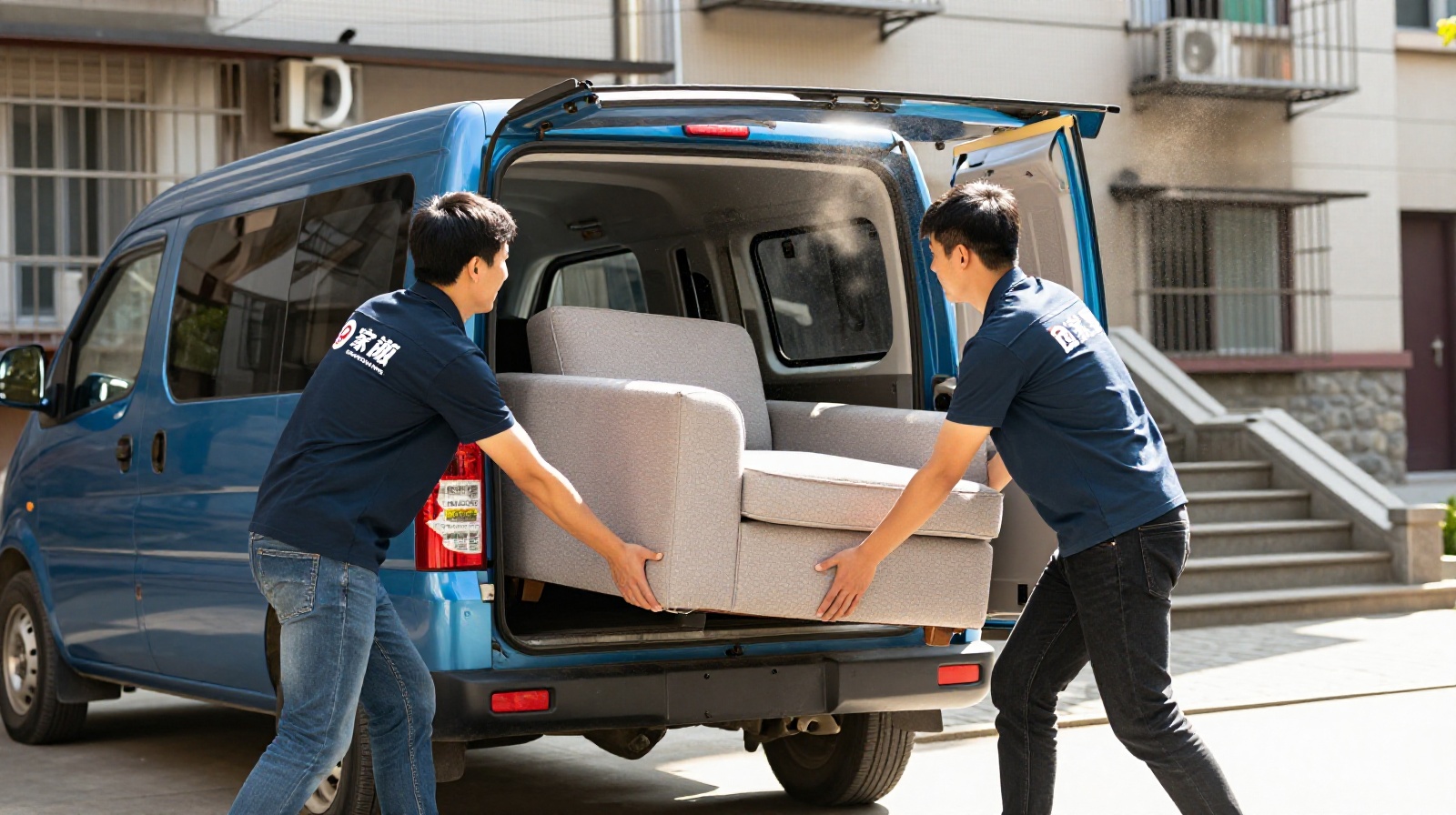
She booked a “Man with a Truck” service for 150 RMB. The driver arrived in a blue van. There were two helpers carrying her sofa down three flights of stairs. They wrapped her fragile books in bubble wrap they brought themselves. When it was over, she paid the app directly. Her change? She used the money saved to buy a new lamp for her living room.
The challenge? It requires trust. You are letting strangers handle your belongings. But the apps have rating systems. Drivers and movers are rated by previous customers. If someone is rude or damages goods, they get low scores and lose future work. This digital reputation system acts as a safety net.
Why Is It So Cheap?
This price difference isn’t just about “cheap labor.” It is about efficiency and technology.
In the past, moving required a middleman. You called an agency, they assigned a truck from their limited fleet, and you paid for their overhead costs (office rent, managers). Today, the app matches supply and demand instantly. A driver driving to your house with an empty back of the van is a lost opportunity; now, that trip becomes profitable.
Furthermore, China has a massive population of gig workers who value flexibility. Many drivers prefer this model over rigid corporate jobs. The sheer volume of users means prices are driven down by competition and scale.
A New Way to Live
This shift is changing how Chinese people think about housing. Because moving is so affordable, people aren’t afraid to relocate for better jobs or schools. Young professionals might move every three years as their careers evolve. In expensive cities like Shanghai or Shenzhen, this mobility keeps the workforce dynamic.
It also reflects a broader trend: technology lowering barriers. Just as you can order food on your phone with one tap, you can now reorganize your physical life just as easily. The friction of moving is gone.
So, if you are visiting China and ever need to move, don’t panic about hiring movers. Just open the app, compare the price to a pizza, and enjoy the ride. It’s not magic; it’s simply how daily life works here now.