


The Sound of Snow and Laughter
If you’ve ever tried to order a bowl of noodles in Harbin, you know the locals don’t whisper. They project. It’s not just volume; it’s a specific rhythm, a musical lilt that turns a simple “hello” into a story about winter survival. This is the Northeast (Dongbei) dialect, and for Li Ming, a stand-up comedian in Beijing, it isn’t a barrier—it’s his superpower.
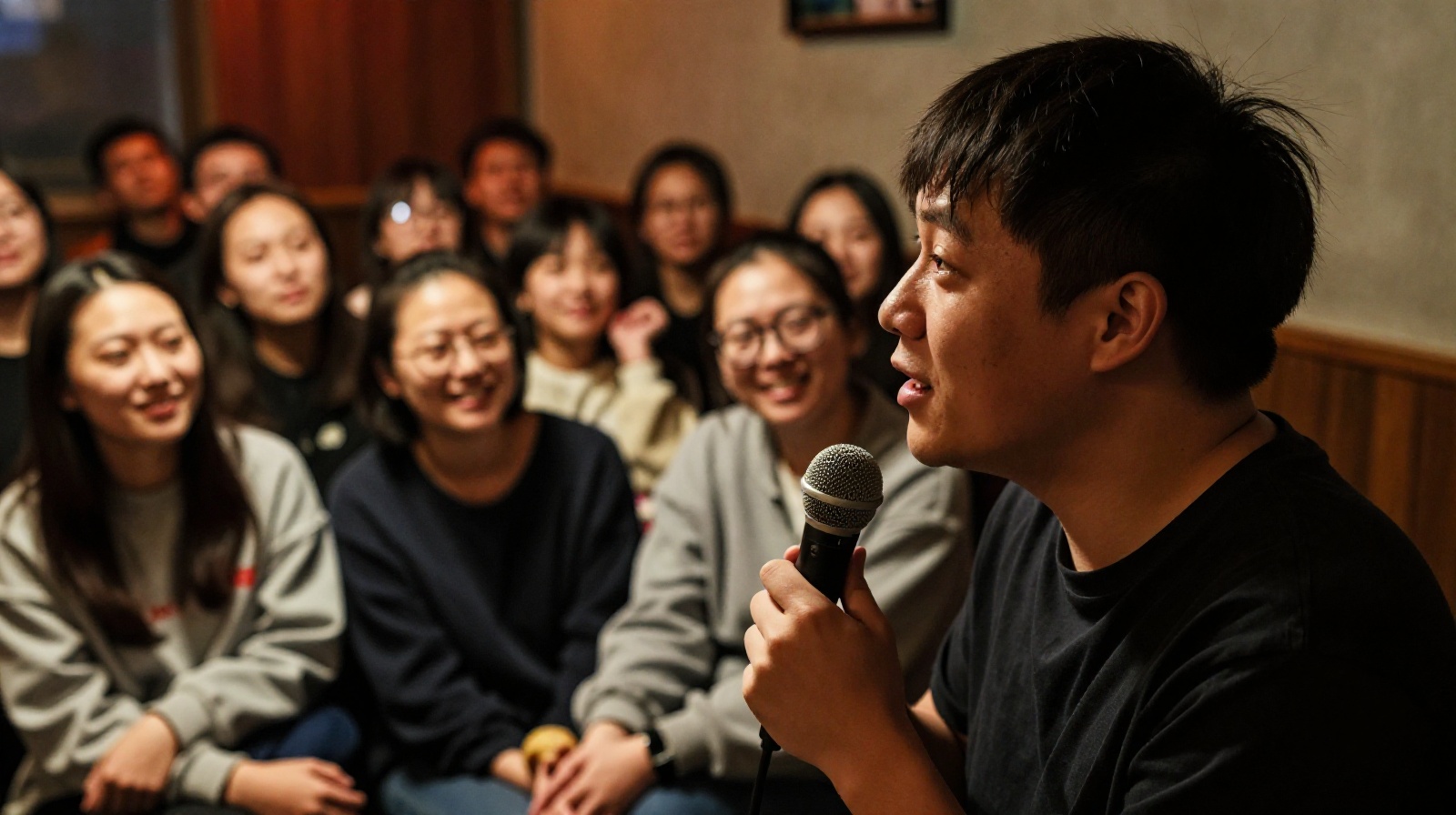
Li doesn’t speak like the neutral Mandarin you hear on state TV news. His vowels are rolled with a distinct northern warmth, his sentence structures often double up for emphasis (“Really? Really?”). When he steps onto the stage of a small comedy club in Beijing, the energy shifts instantly. The audience, usually a mix of tech workers from Shenzhen and art students from Shanghai, leans in.
From Factory Floors to Comedy Clubs
The Northeast used to be China’s industrial heartland, home to massive steel mills and car factories. In the 90s, as those mills closed, millions faced unemployment. Instead of collapsing into despair, the region developed a legendary cultural resilience: humor. “We laugh because if we don’t,” is a common saying in Dongbei.
Li grew up watching his father tell jokes at factory banquets to cope with long shifts and tough conditions. Now, he takes those stories—about struggling bosses, clumsy dates, and the absurdity of daily life—and performs them for 500 people a night. The language is the bridge. Even though many in the audience are from different provinces where Mandarin sounds slightly different, they understand the *vibe*. It’s not about perfect grammar; it’s about shared human struggle.
Why the North Captured China (and the World)
You might wonder why this specific regional accent exploded into a national phenomenon. Part of it is nostalgia for simplicity in a fast-paced, digital world. In an era where everyone is curating perfect Instagram feeds, Li’s raw, unpolished storytelling feels refreshingly real.
It also reflects a shift in Chinese society. The Northeast has always been known for its optimism and willingness to speak up. Today, as young people across China face high housing prices and competitive job markets, the Dongbei style of comedy offers a kind of emotional release. It says: “Life is hard, but let’s laugh at it together.” This isn’t just entertainment; it’s social therapy.
A Moment in Time: The Microphone Test
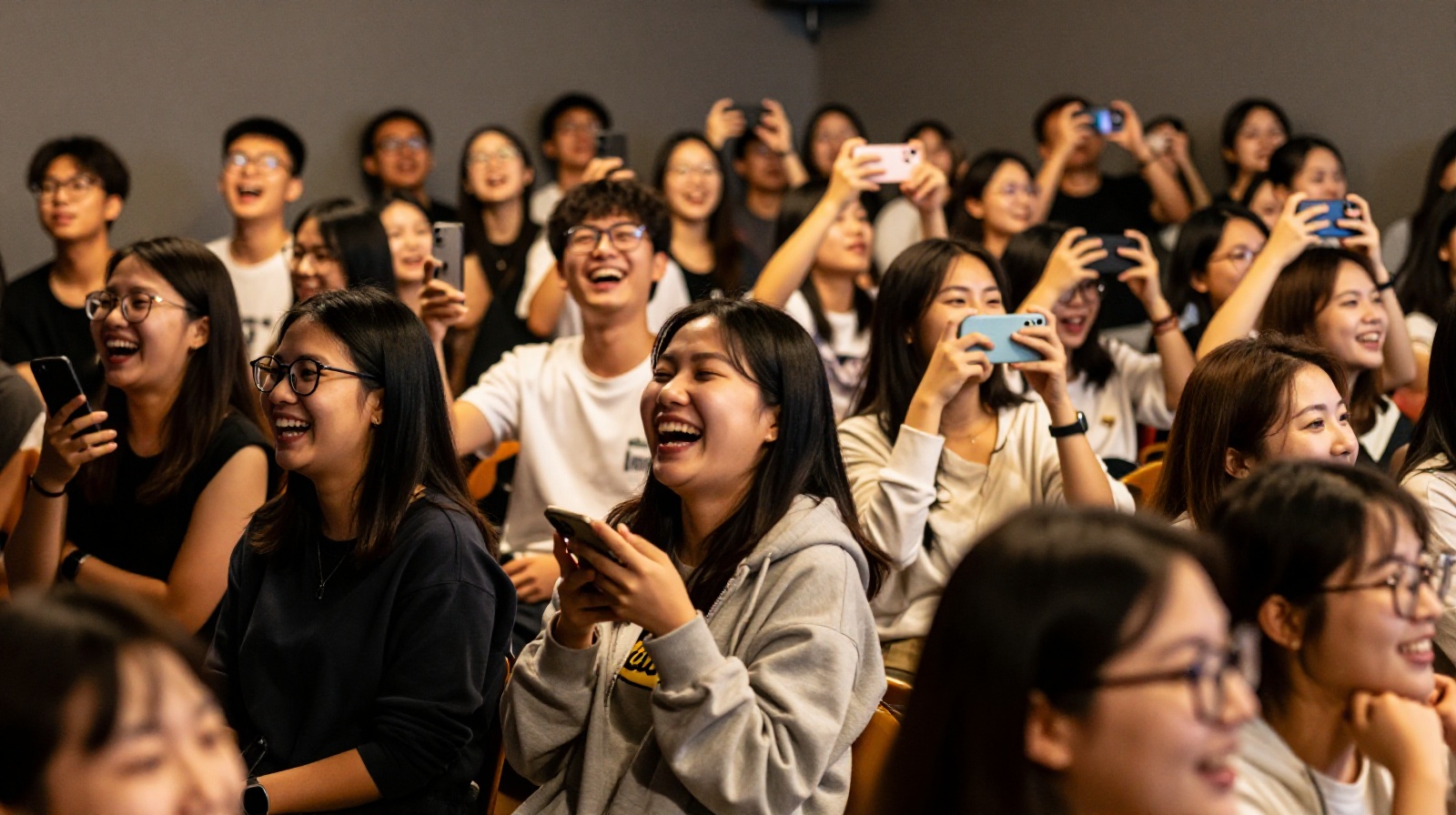
During a recent show I attended, Li was tackling the topic of dating apps. He mimicked a potential match who only used emojis. “He sends me a picture of a cat,” Li said, his voice dropping into a deep, exaggerated growl that sounded like a bear waking from hibernation. “And I’m thinking, is he hiding something? Or just really into cats?”
The room erupted. It wasn’t just the joke; it was the way he delivered it. His accent gave the character weight and texture. For a moment, the cultural gap between a viewer from Guangzhou and one from Beijing vanished. They were all laughing at the universal awkwardness of modern dating.
More Than Just Jokes
Li’s success shows that authenticity beats perfection in today’s media landscape. While influencers chase viral trends with flashy filters, comedians like Li are building communities through shared vulnerability. He isn’t trying to sound like everyone else; he’s doubling down on who he is.
In a country of 1.4 billion people, finding common ground can feel impossible. But sometimes, all you need is a thick accent, a good story, and the courage to say exactly what you mean. That is the true superpower of the Northeast comedian.