


The Day I Showed Them
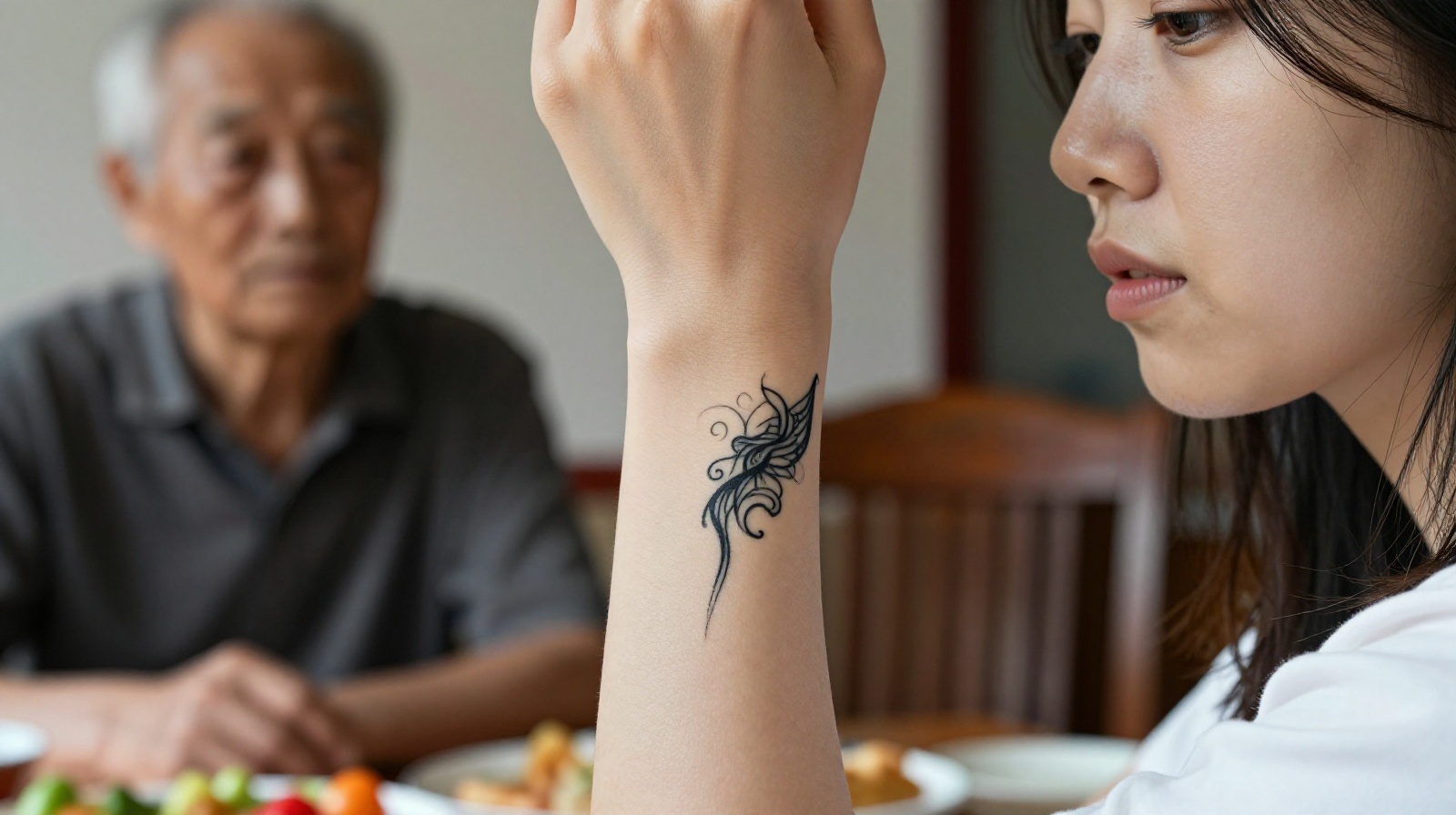
It happened on a rainy Tuesday in Shanghai. I sat at my parents’ dining table, the one covered with their collection of glossy magazines and old calendars. “I did something,” I said, rolling up my sleeve to reveal a dark, intricate design near my wrist. “A tattoo.”
The silence that followed was heavier than the rain outside. My father’s chopsticks froze halfway to his mouth. My mother stopped stirring her soup. In China, tattoos have long been associated with rebellion or criminal underworlds—a stigma from decades past where getting inked meant you were “not a good person.”
“Why?” my mother asked, her voice quiet but firm. “Will people think you are… damaged?” It wasn’t an attack; it was genuine fear. They worried that the tattoo would cost me a job, ruin my marriage prospects, or make neighbors whisper.
The Story Behind the Ink
For them, a tattoo is just ink on skin. For me, it was a map of who I am. The design wasn’t random; it honored a grandmother who had passed away years ago, a woman who walked ten miles to school in winter and raised five children with nothing but grit. Her story is my fuel.
When I explained this in English—then translated it into their dialect—their expressions softened slightly. They didn’t understand the aesthetic appeal of a line drawing or the cultural weight of the symbol. But they understood that I was remembering someone they loved deeply. They saw the grief, the gratitude, and the resilience in my eyes.
In many Western countries, tattoos are often seen as personal freedom or artistic expression. In China, especially for the older generation, it’s a complex social signal. It challenges the Confucian value of preserving one’s body intact. Yet, here we were: two generations trying to bridge a gap not with words, but with the shared language of love.

The Slow Thaw
Acceptance didn’t happen overnight. My father still avoids looking directly at it when we are out in public. He worries about my career path. But something shifted over the next few months.
I started bringing them to see me at work, a modern tech office where tattoos were common among colleagues. I showed them how my design inspired me during late-night coding sessions. Slowly, they began to see the tattoo not as a scar, but as a source of strength.
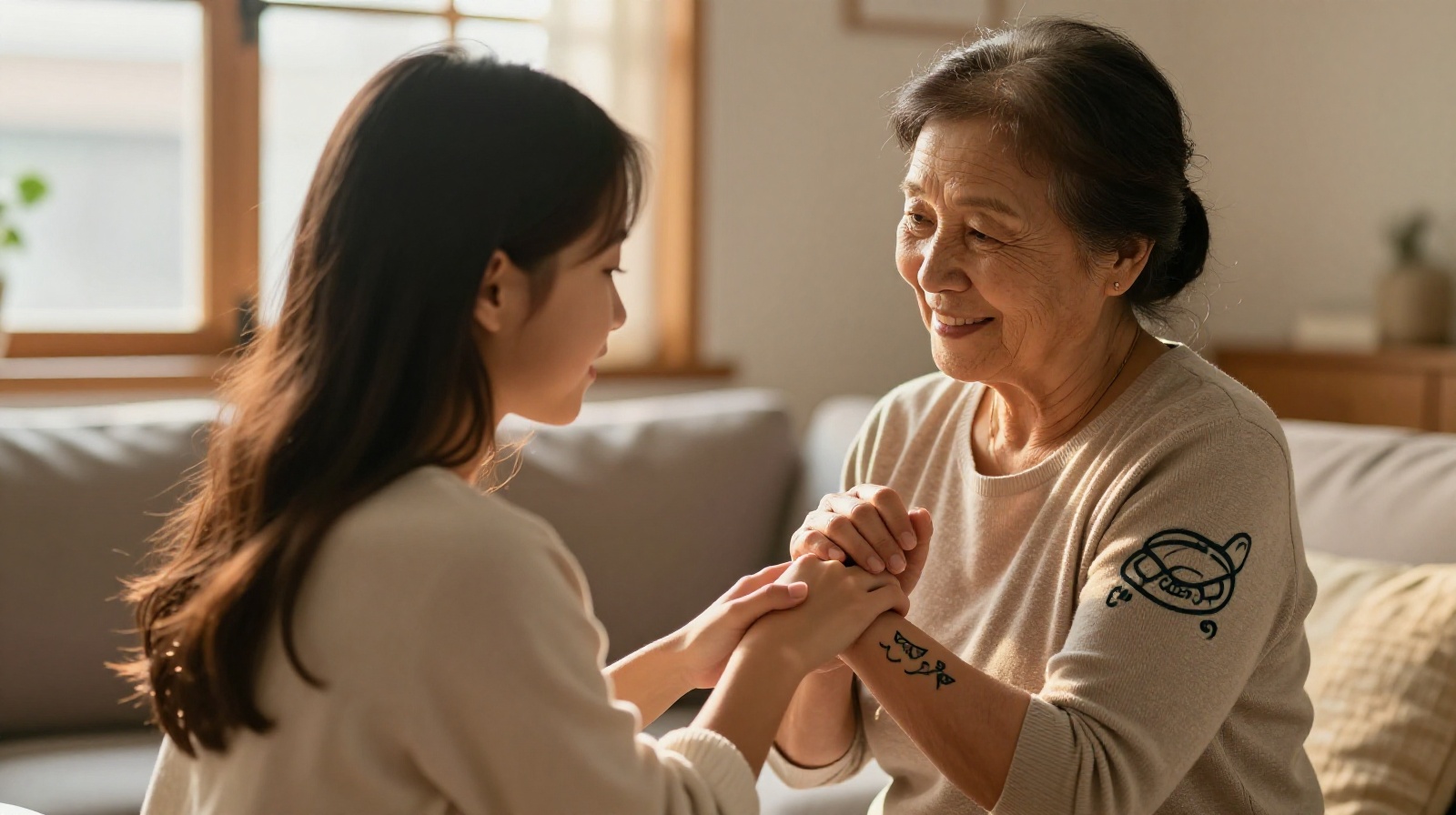
One evening, while watching an old drama together, my mother pointed at her own wrinkled hands and then at mine. “Your skin is different,” she said softly. “But your heart is the same.” That was the turning point. They didn’t stop worrying about society’s judgment, but they stopped judging me.
Love Beyond the Surface
This story isn’t unique to my family. It reflects a China in transition. Young people are redefining tradition while older generations are learning to navigate a rapidly changing world. The tattoo is just one symbol of this generational shift.
We often hear about the “generation gap” as a source of conflict. But in reality, love is the glue that holds families together even when values clash. My parents may never fully understand why I chose a dragon or a flower on my arm. They may always prefer plain skin. But they understand that this mark represents my identity, and because they love me, they respect it.
In the end, the tattoo didn’t change who I am. It just made visible what was already there: a deep, enduring connection between parents and child that transcends cultural symbols and social expectations.