

My Taxi Has No Driver: A Ride in Wuhan’s Robotaxi
The steering wheel twitched to the left, guided by a phantom hand.
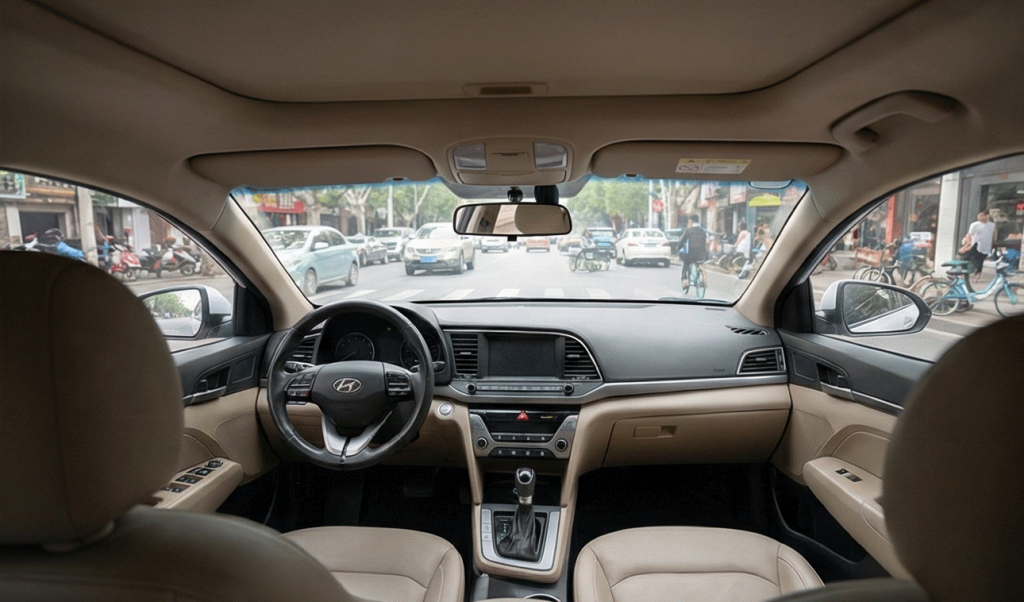
There was no one in the driver’s seat. No torso, no arms, no head. Just the beige upholstery and the silence of an electric motor. If you had told me five years ago that I would trust my life to an algorithm in Wuhan—a city famous for its aggressive drivers, sweltering heat, and spicy noodles—I would have called you insane.
Yet, here I was. There was no cabbie to complain about the traffic or ask me where I’m from. There was no smell of stale cigarette smoke. Just the cool, sterile hum of the AC and the soft blue glow of a tablet mounted on the dashboard.
It felt less like a commute and more like a séance.
The Summoning
Driving in Wuhan requires a certain level of existential fearlessness. The traffic here is a contact sport; lanes are suggestions, and the horn is a primary instrument of communication. Standing on a humid corner in the Hankou district, I opened the “Apollo Go” app (known locally as Luobo Kuaipao).
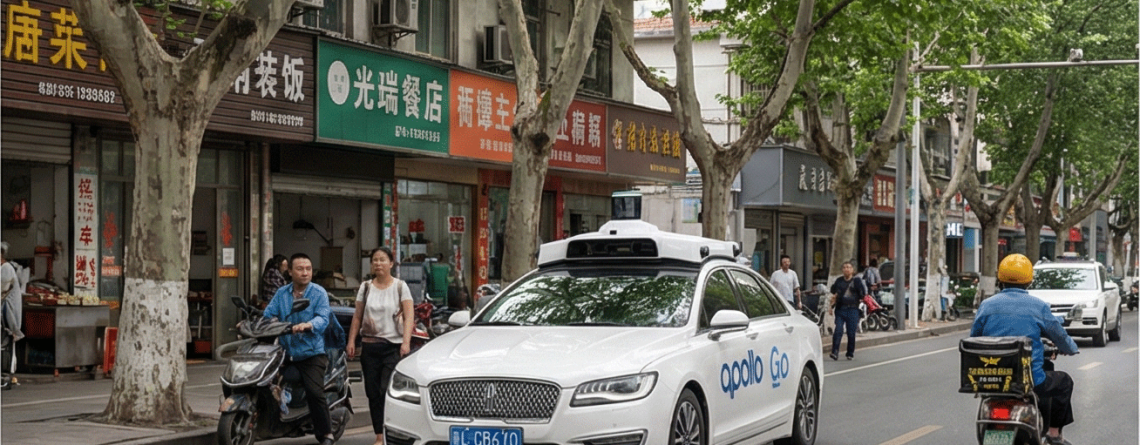
Minutes later, a white sedan arrived, crowned with a spinning LIDAR sensor that looked like a hyperactive coffee maker.
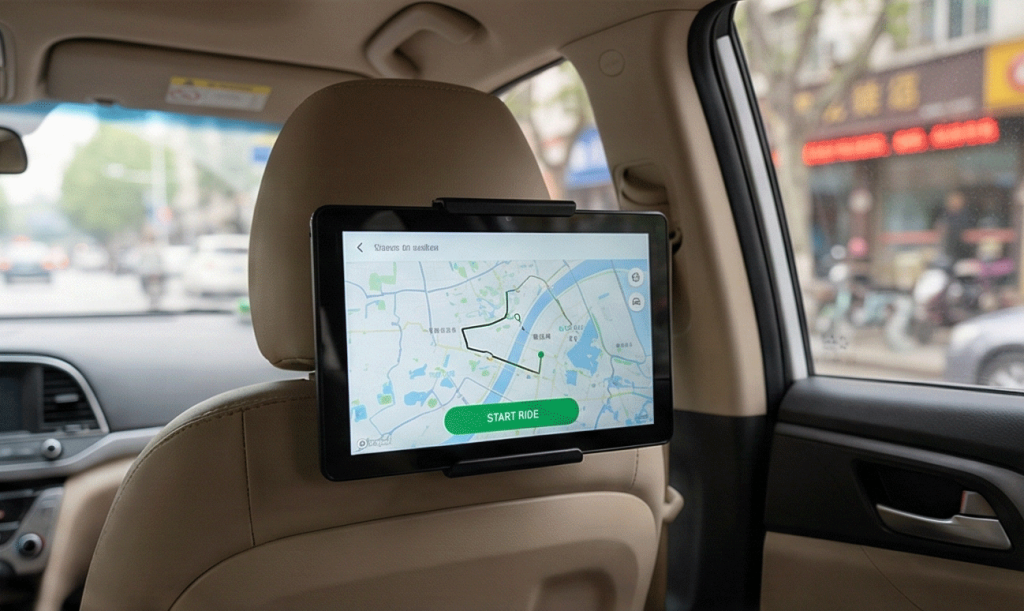
I instinctively reached for the front passenger door—muscle memory from a lifetime of ride-sharing. It was locked. That seat is reserved for the air and the ghosts of the machine. I had to punch the last four digits of my phone number into a keypad on the rear pillar. Click. The door yielded.
“It felt like locking yourself into a high-tech capsule, while outside, the gritty, unfiltered reality of an old city rolled by.”
I buckled up and tapped “Start Journey” on the screen.
I expected the car to drive like a nervous teenager, hesitating at every shadow. Or perhaps like a distinctively Wuhanese driver—fast and loose. It was neither. It was terrifyingly calm. When a delivery scooter loaded with takeout boxes cut sharply across our bow, my toes curled inside my sneakers, bracing for impact. The car didn’t panic. It didn’t honk. It simply calculated a micro-adjustment and glided smoothly out of harm’s way.
The Contrast
I looked out the window. On the sidewalk, an shirtless elderly man was sitting on a plastic stool under a plane tree, slapping a fan against his knee. A few yards away, steam rose from a street vendor’s cart, carrying the heavy scent of frying dough.
Inside, I was in a sterile, data-driven bubble. Outside, life was messy, loud, and profoundly human.
But the most shocking part wasn’t the technology itself. It was the reaction—or lack thereof—from everyone else.
I expected people to stare. I expected kids to point at the ghost car. But nobody cared. A taxi driver in the next lane glanced over at my empty front seat with a look of utter boredom, then sped past. Pedestrians didn’t even look up from their phones.
In the West, we are still debating the trolley problem and wringing our hands over liability. Here, the future has been around long enough to become mundane.
The Insight
This nonchalance reveals the true “China Speed.” It isn’t just about how fast they build bridges; it’s about how quickly the population metabolizes new technology.
There is an unspoken social contract at play: “If it works, and if it’s cheap, we’ll use it.” My ride cost me a fraction of a standard taxi fare—subsidized heavily to capture user data. For the average commuter, the questions of data privacy or AI ethics pale in comparison to saving 80% on the morning commute.
The Outro
The car pulled over to the curb with robotic precision. The screen flashed a polite goodbye.
I stepped out, and the thick, humid air of Wuhan hit me instantly. Behind me, the white car engaged its turn signal and slid silently back into the river of steel and rubber, hunting for its next passenger.
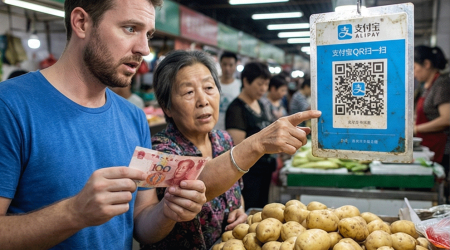
I bought a cup of iced mung bean soup from a vendor using a QR code. As I drank it, I watched the empty driver’s seat disappear around the corner.
We tend to think of Cyberpunk as a visual aesthetic—neon lights and rain-slicked skyscrapers. But sitting there on the curb, I realized the real Cyberpunk is invisible. It’s the moment you stop noticing that the machine serving you has no soul, simply because it’s convenient.
The future isn’t coming. It just drove past you, and you didn’t even blink.



Leave a Reply