Introduction
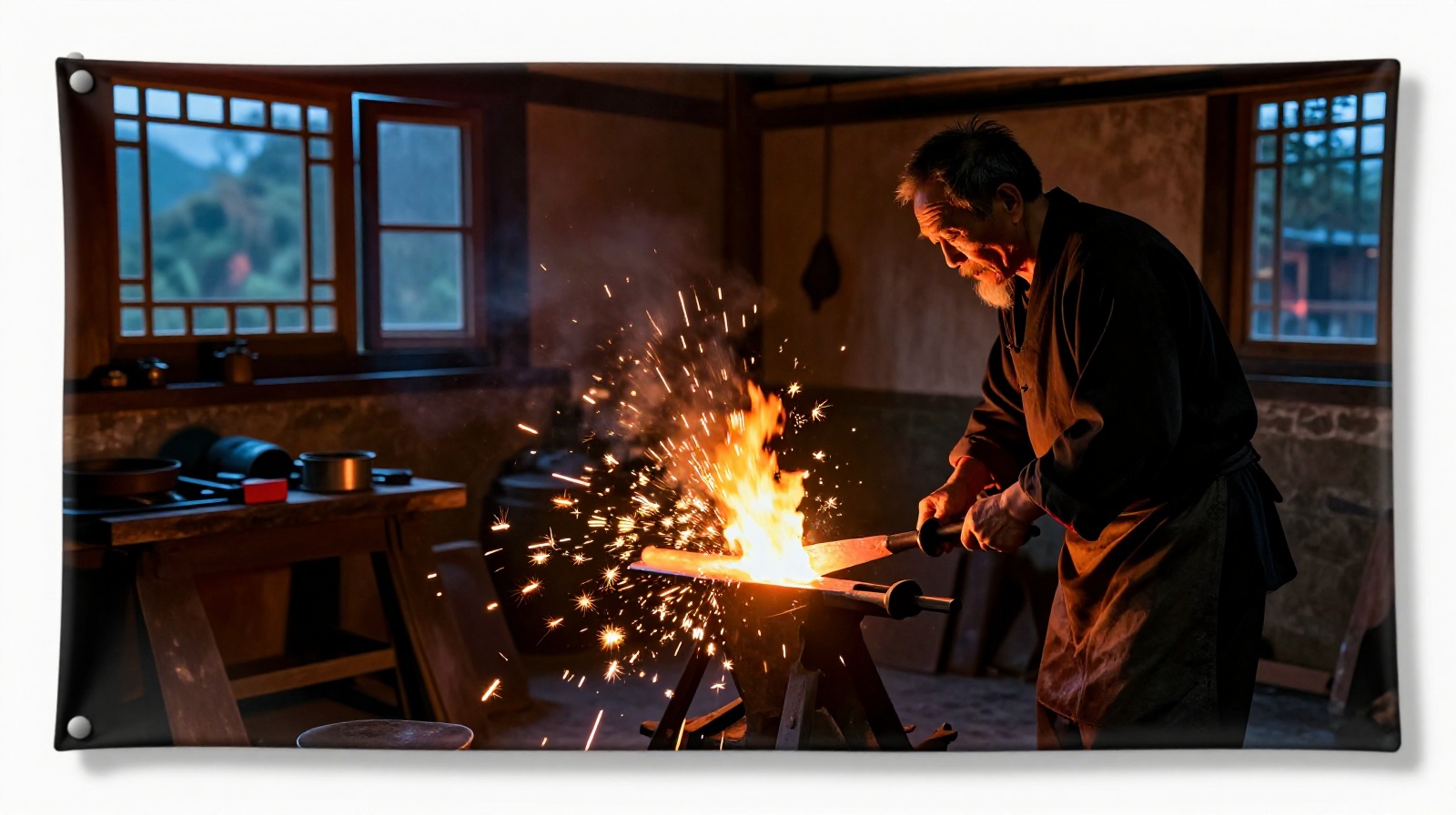
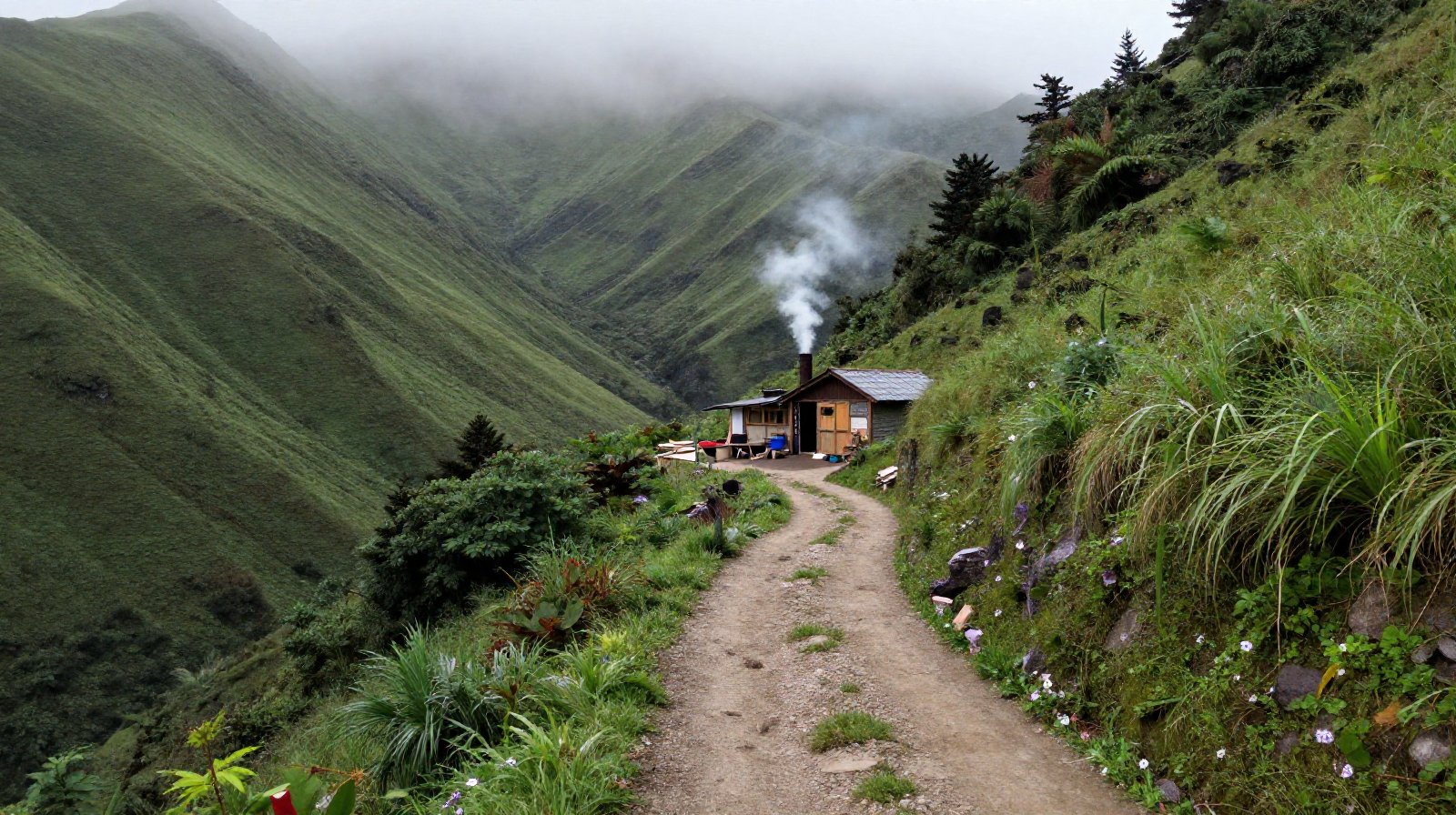
In an era dominated by mass production and digital precision, the rhythmic clanging of a hammer on hot iron feels like a whisper from another time. We often overlook how deeply our daily lives are rooted in this ancient craft, yet true mastery is becoming increasingly rare. Today, we step away from the neon glow of cities to explore the silent workshops hidden deep within the mountains.
The Guardians of the Deep Mountains
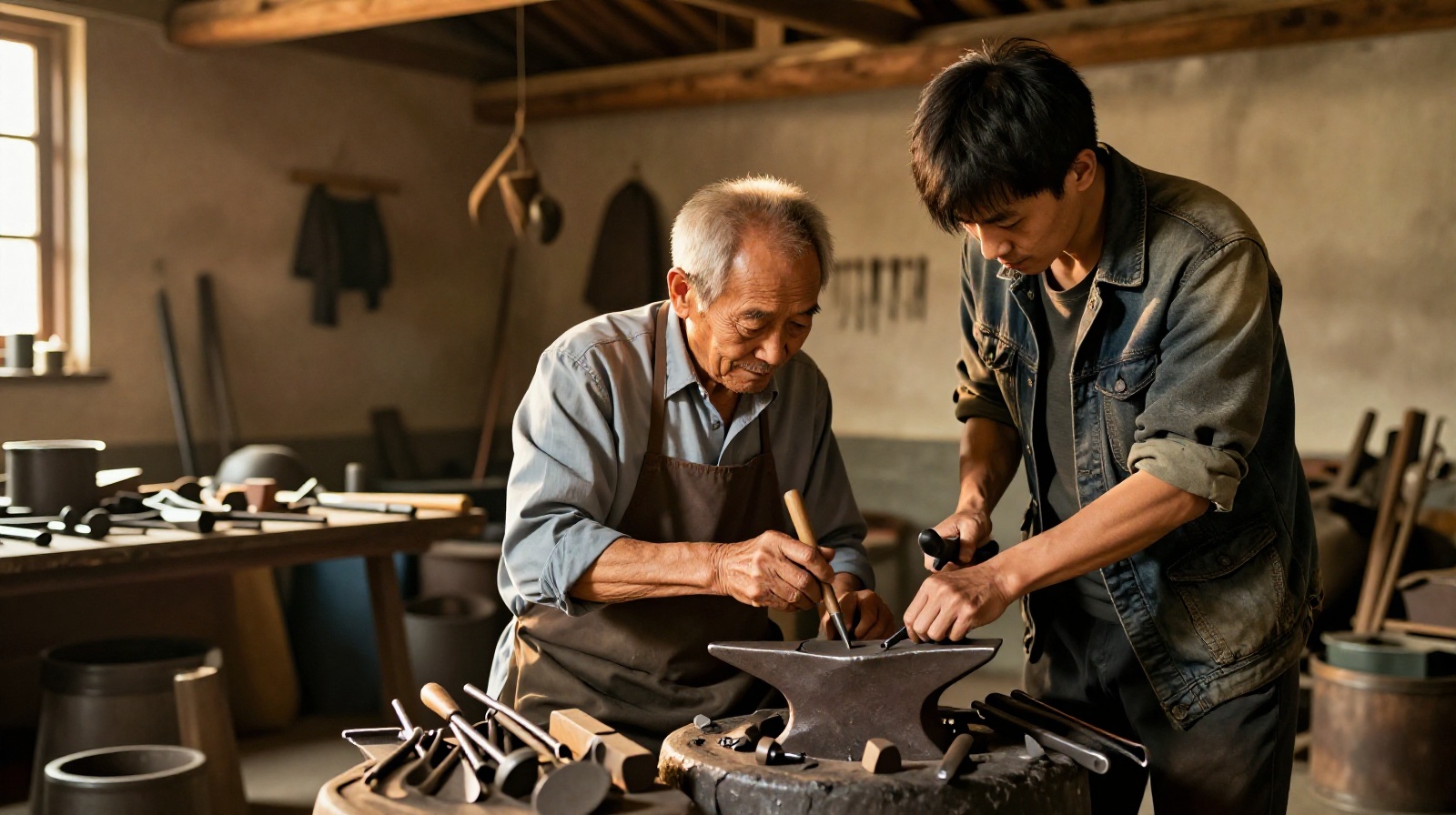
These artisans are not merely workers; they are guardians of a lineage that spans centuries. In villages far removed from the hustle, elderly masters teach their grandchildren the delicate balance between strength and patience. The transmission of this knowledge is not written in books but etched into muscle memory through decades of relentless practice.
From Ore to Masterpiece: The Process Unveiled
The journey begins long before the first strike. Selecting the right ore requires an intuitive sense honed by generations. Once heated in a charcoal furnace, the metal reaches a specific temperature where it becomes malleable yet holds its form. Each hammer blow is calculated, shaping the iron into tools that will last a lifetime.
The Art of Fire and Hammer
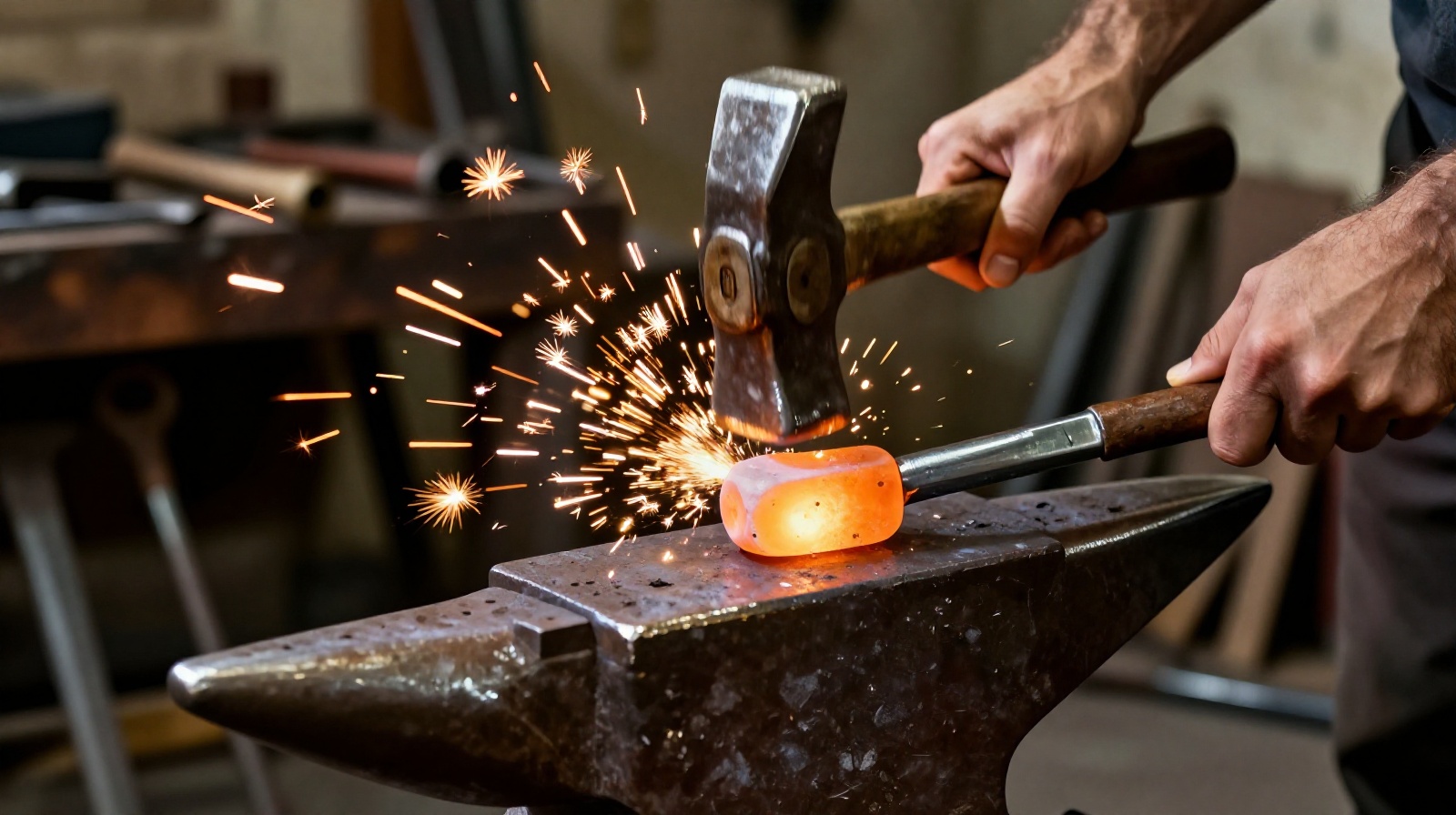
There is a unique poetry in the dance between fire and steel. The color of the metal dictates the timing of every strike, turning a chaotic process into a synchronized performance. However, this art faces significant challenges today. Modern machinery offers speed but lacks the soul, making it difficult to justify the slow, labor-intensive methods to younger generations.
Preserving the Living Heritage
To keep this flame alive, we must look beyond mere preservation and aim for active integration. Supporting these artisans means valuing the story behind every tool. By documenting their techniques and sharing their narratives with the world, we ensure that the sound of the hammer remains a vital part of our cultural heartbeat.