

When the Thermometer Hits -30
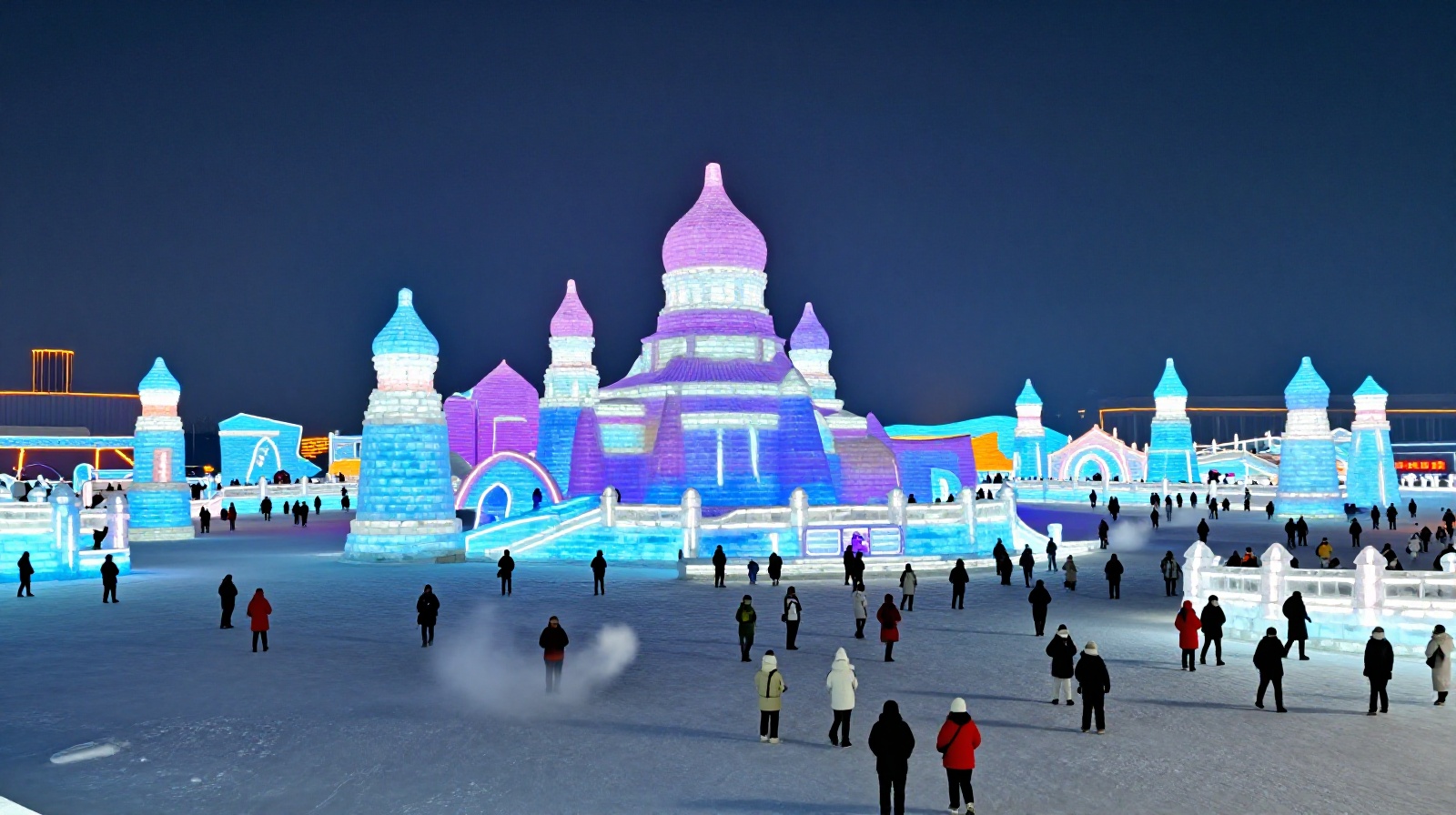
If you think winter in China means a light sweater and a cup of hot tea, think again. In Harbin, the capital of Heilongjiang province, temperatures often plunge to minus 30 degrees Celsius (-22°F). For visitors from temperate climates, this isn’t just cold; it’s an environment where breath turns to instant frost on eyelashes, and metal feels like burning ice against bare skin. Yet, in the dead of winter, a city that looks like a frozen wasteland transforms into one of the world’s most dazzling spectacles: the Ice and Snow World.
Building Castles Out of Frozen Air
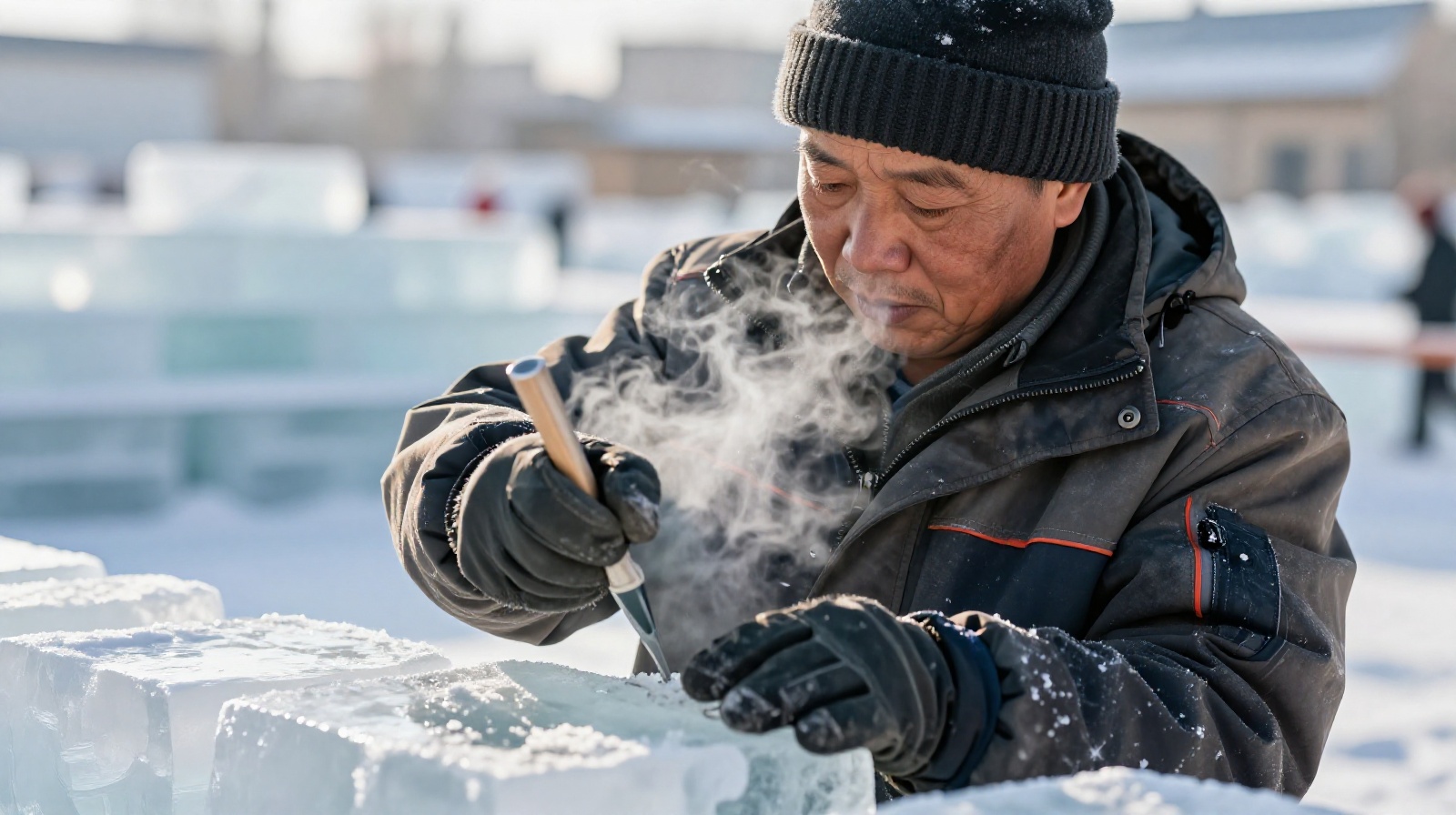
The magic behind the 600,000 cubic meters of ice isn’t just nature; it’s human grit. Every year, from December to January, thousands of workers and artisans race against time in sub-zero conditions. They don’t just cut blocks of ice; they transport them from the frozen Songhua River and stack them into structures that would crumble under a normal winter’s touch.
Imagine standing on the construction site while your fingers go numb after minutes of exposure. The workers, wearing heavy thermal suits, use specialized saws to carve intricate designs into blocks as large as cars. “We laugh about the cold because if we don’t, we can’t work,” says Li Wei, a lead carver with 15 years of experience. He points to a 20-meter-tall ice tower being lit up from within by LED strips. It looks like a dream, but it’s the result of precise engineering and endurance in what feels like an alien planet.
The Art of Surviving the Freeze
How do locals and tourists survive such extremes? It’s less about heroic endurance and more about practical layering. You won’t find anyone walking around in just a thin jacket. The secret lies in the “onion method”: thermal base layers, fleece, down vests, and windproof outer shells that cover every inch of skin.
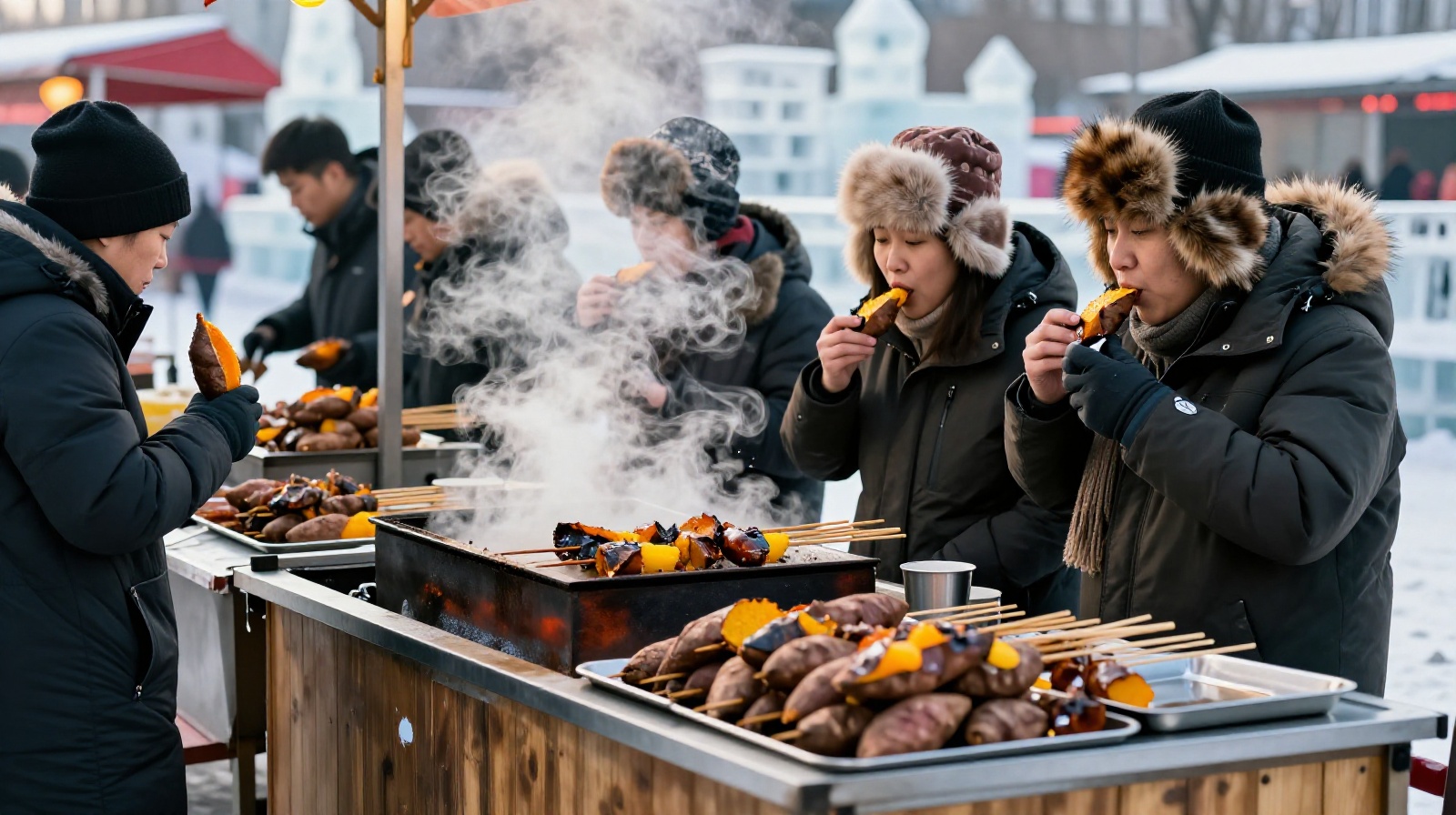
But survival goes beyond clothing. Food is fuel. In the street markets surrounding the festival, you’ll see steaming stalls selling roasted sweet potatoes, grilled skewers, and hot soy milk—calorie-dense foods designed to keep your body heat up. Locals even have a trick for their phones: keeping them inside inner pockets next to their bodies prevents the batteries from draining instantly in the cold. It’s a small adaptation that speaks volumes about daily life here.
Beyond the Ice: A Walk with Tigers
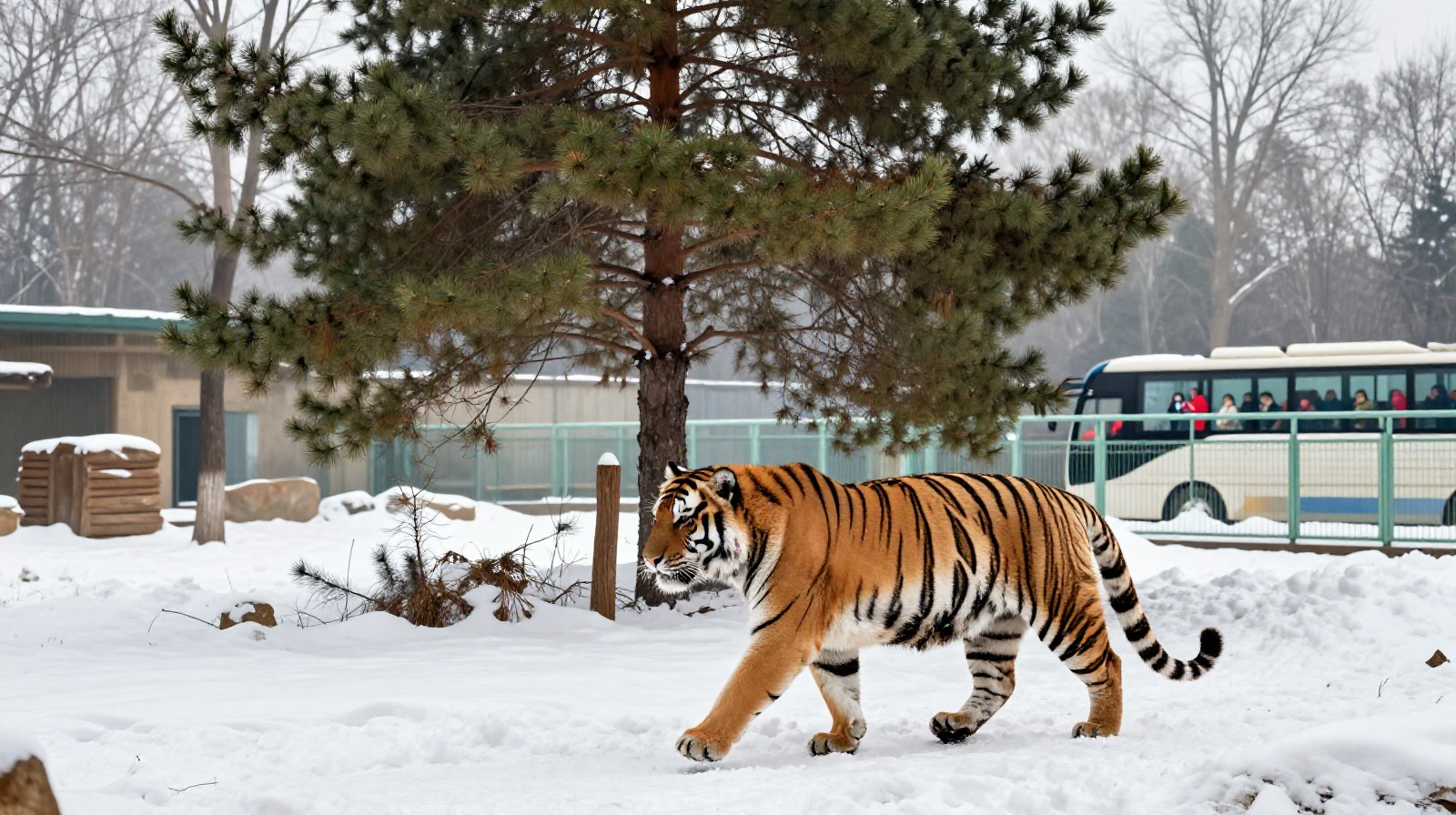
While the ice festival draws crowds, Harbin is also a gateway to one of nature’s most powerful stories: the Siberian tiger. Just outside the city lies the Northeast Tiger Park, home to hundreds of these majestic cats in semi-wild reserves.
In this region, the coexistence between humans and wildlife isn’t just conservation theory; it’s a reality shaped by decades of protection efforts. Unlike zoos where tigers pace behind bars, here they roam large enclosures that mimic their natural forest habitat. Visitors take guided buses through these zones, watching tigers stalk prey or nap in the snow without a single cage separating them from the view.
The contrast is striking: inside the city, humans are building glowing ice palaces; just outside, wild animals are reclaiming the very same snowy forests. This duality defines Harbin—a place where extreme human creativity meets raw natural power.
The Pulse of a City in Winter
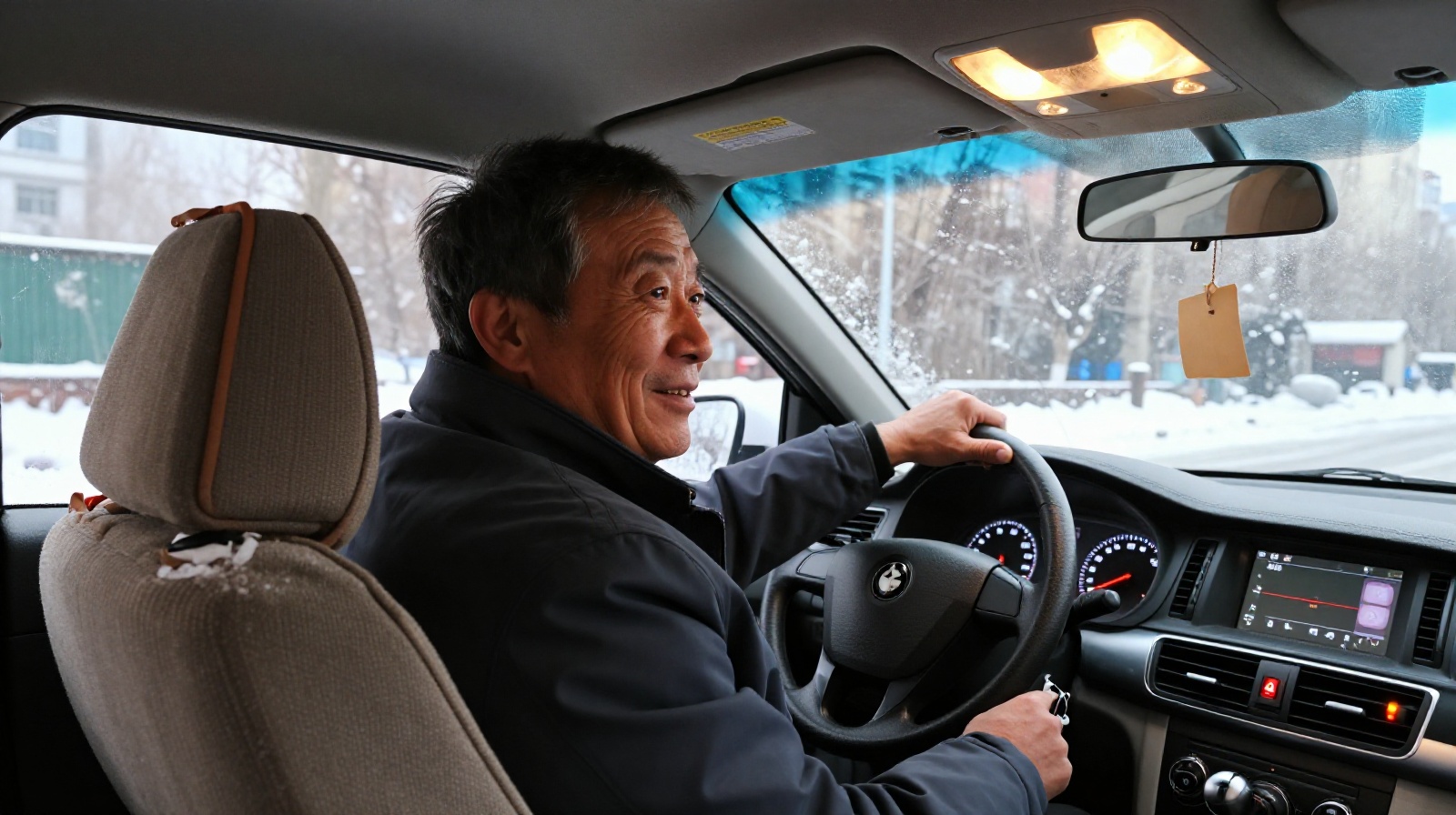
What does it feel like to work here when the city is frozen solid? I spoke with Zhang, a taxi driver who has plied the roads of Harbin for twenty years. “In summer, we complain about traffic,” he says, laughing as he adjusts his heated seat cover. “But in winter, if you don’t start your engine early, your car won’t even move.”
Zhang describes a city that never truly sleeps, even in the deepest freeze. Sanitation workers clear snow from sidewalks before dawn so tourists can walk safely. Delivery drivers navigate icy streets with scooters modified for traction. “We are used to it,” Zhang says. “The cold doesn’t stop us; it just changes how we move.”
This resilience is why Harbin’s tourism numbers have skyrocketed in recent years, a phenomenon known locally as the “Ice and Snow Economy.” It’s not just about selling tickets; it’s about showcasing a city that thrives where others freeze.