

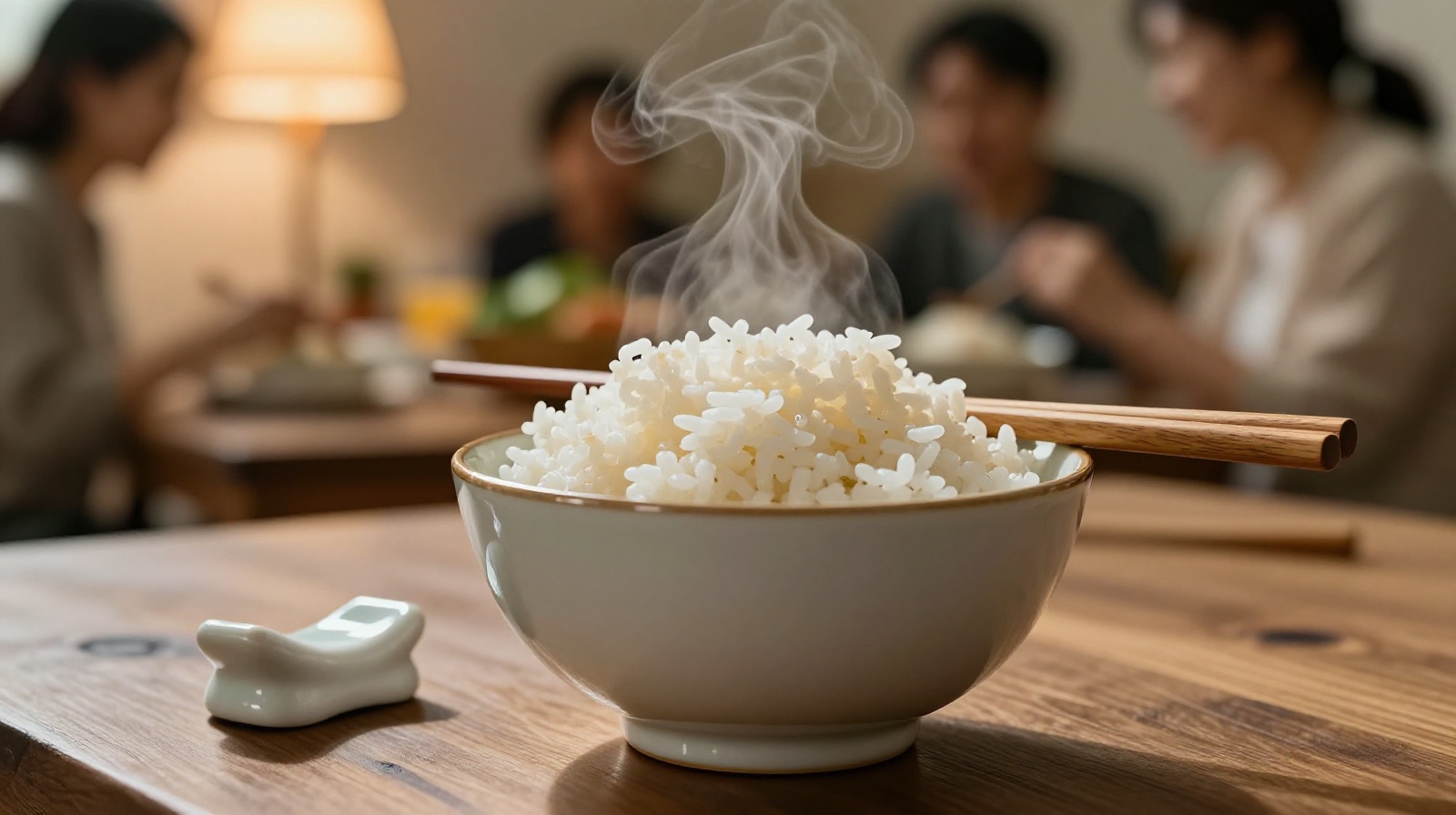
A Simple Mistake with a Heavy Meaning
Imagine you are sitting in a bustling Beijing hotpot restaurant. You’ve just finished your meal, and in an attempt to be tidy or perhaps mimicking what you saw in an anime, you stand your chopsticks upright in the center of your rice bowl. The atmosphere at your table doesn’t change immediately, but if you look closely, you might see a flicker of discomfort on your Chinese companions’ faces.
For many Westerners, this is just a quirky habit, nothing more. But in China, this specific gesture carries a weight that can feel almost like a funeral warning. It’s not about being “superstitious” in the way we might think of ghosts or bad luck; it’s a deeply ingrained cultural signal related to death.
The Origin: The Offering for the Dead
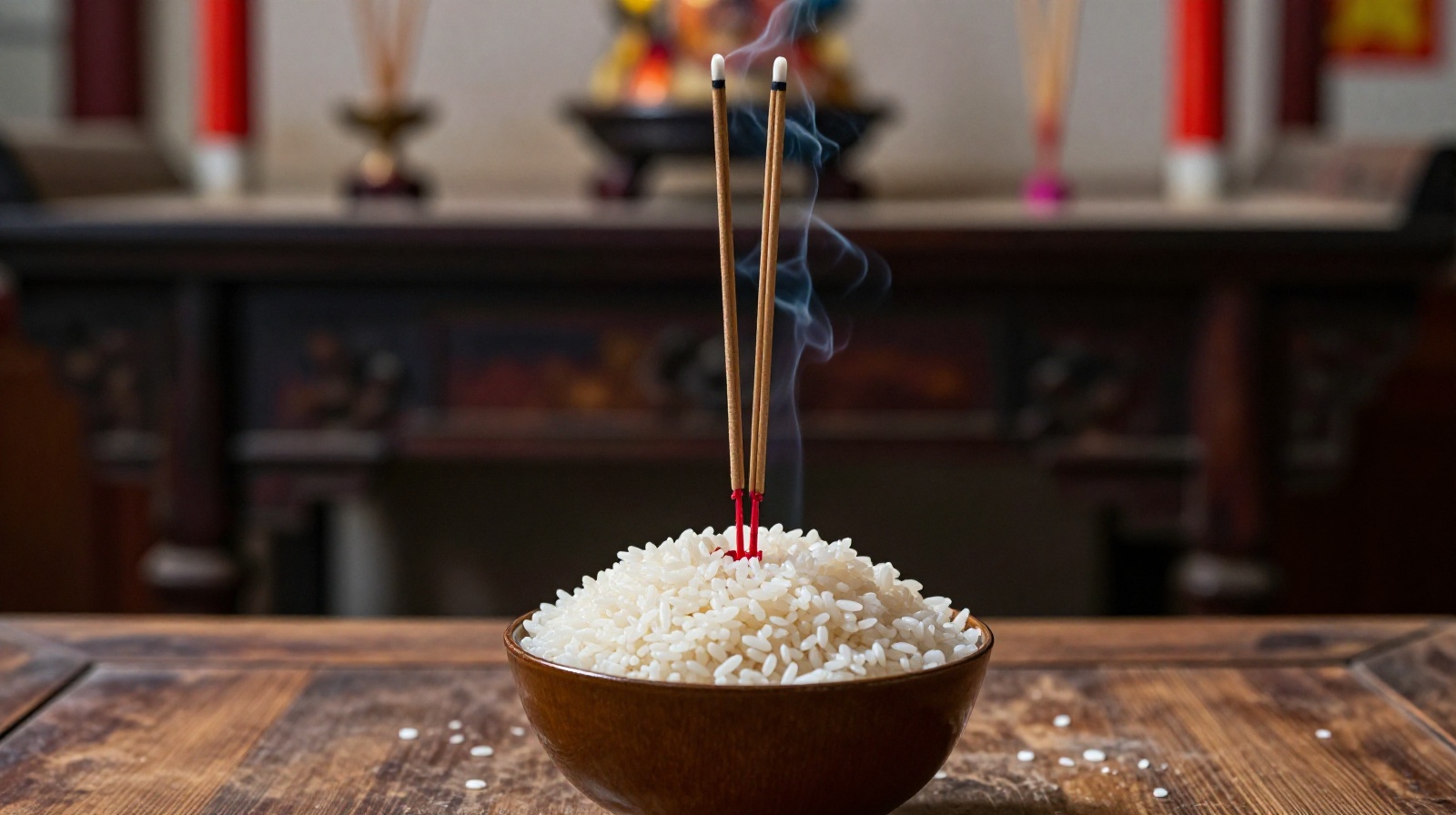
Why is this movement so charged? The answer lies in traditional Chinese funeral rites. When a family prepares food for their ancestors, they place bowls of rice on the altar and stick two incense sticks or chopsticks upright into the center. This arrangement represents the “Dish for the Departed” (duan tou fan), literally meaning “head-off rice.” It is an offering meant solely for the spirits of those who have passed away.
For centuries, this visual has been part of daily life during mourning periods. Seeing chopsticks standing straight up in a bowl instantly evokes memories of funeral halls and ancestral worship. When done at a dinner table with living family members, it symbolically invites death into the room. It’s as if you are accidentally serving your host their own funeral meal.
Beyond the Rice Bowl: The Code of Chinese Dining
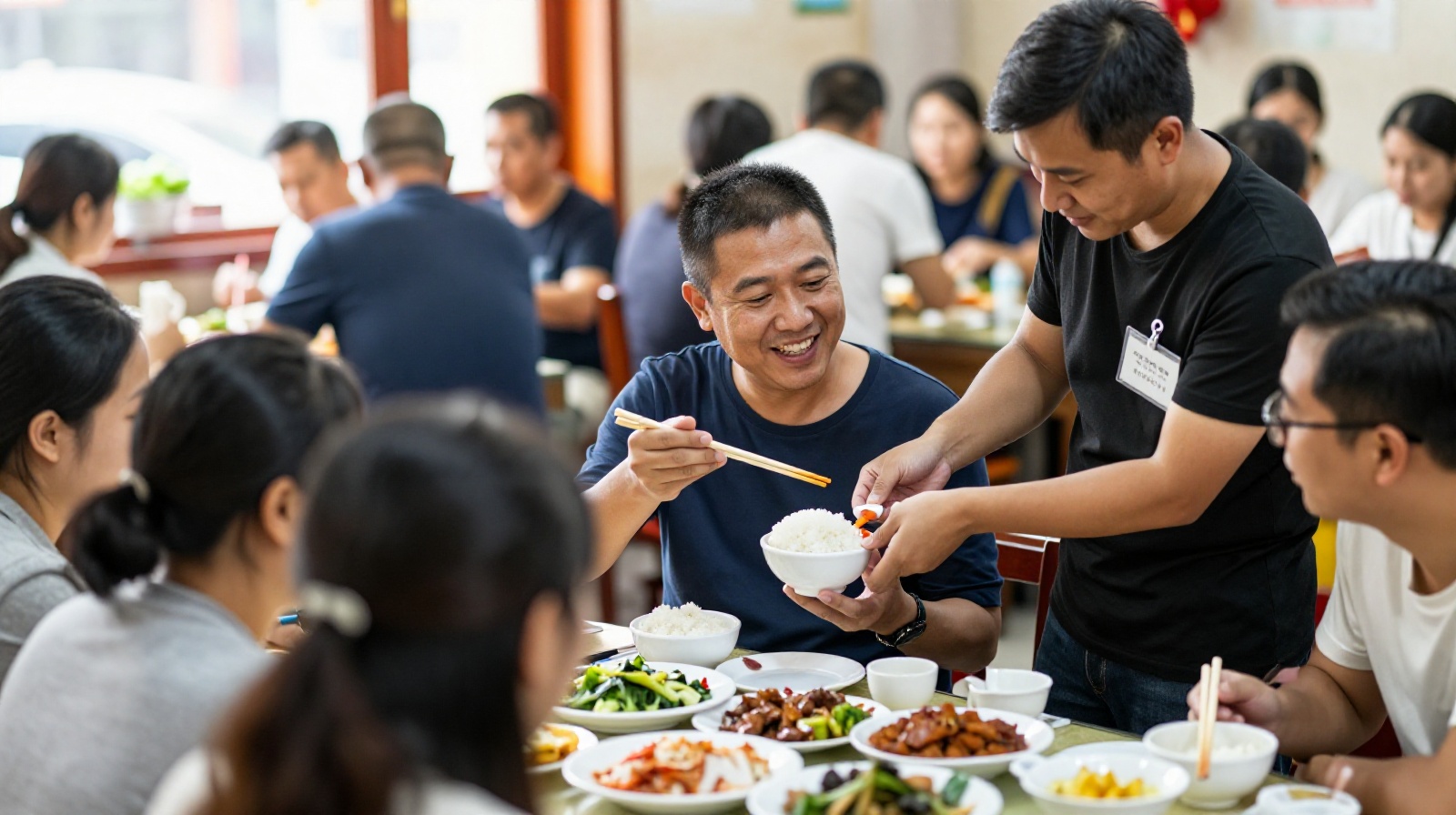
This rule is just one entry in a broader code of conduct that governs how we eat together. In China, dining is rarely just about nutrition; it’s a language of respect and social harmony. There are other common taboos that might surprise foreign diners.
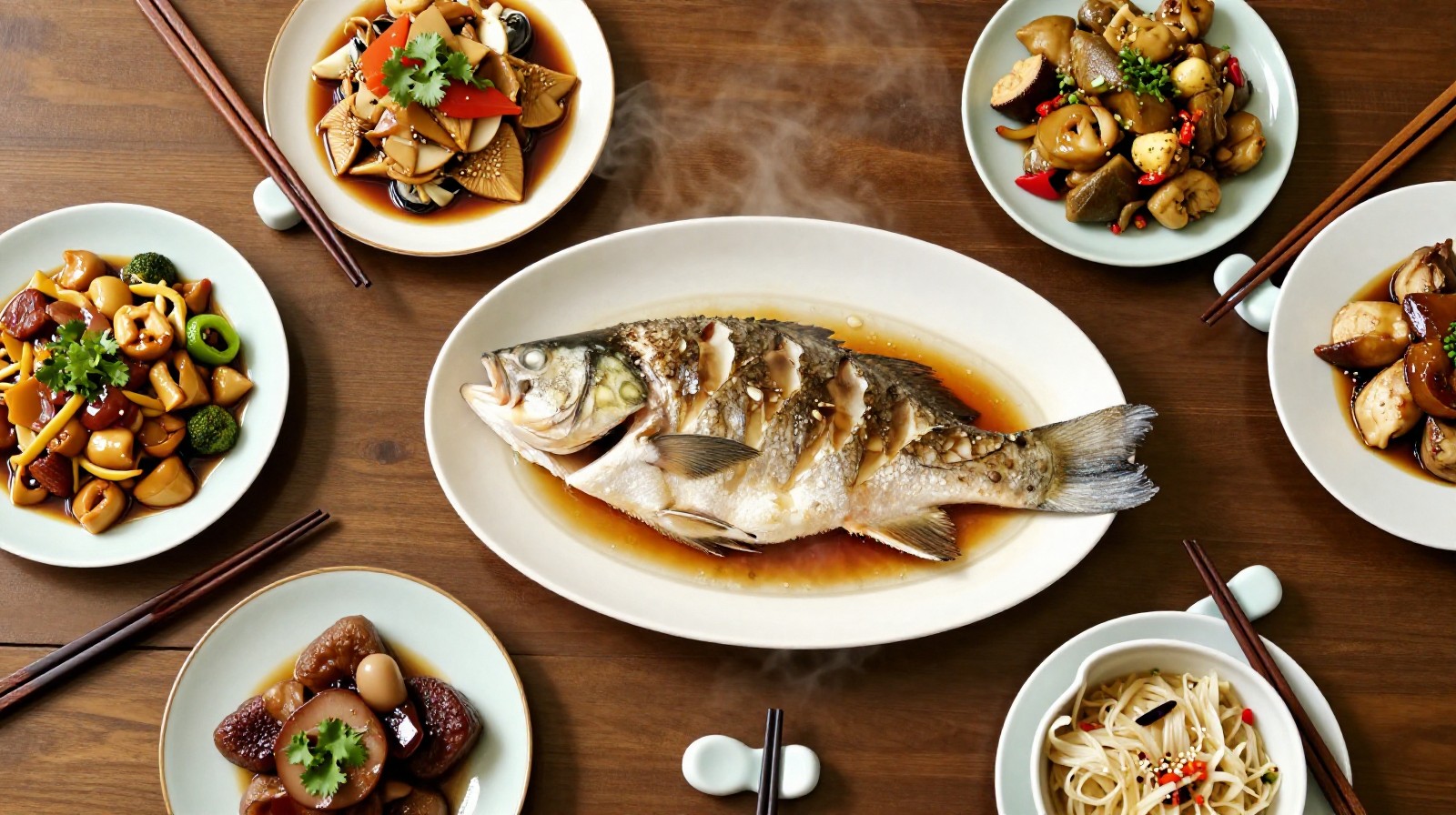
For instance, never tap your bowl with chopsticks. Historically, this was the sound beggars made when asking for food from door to door. Tapping your bowl at a dinner table suggests you are hungry enough to be a beggar, which is considered rude and unlucky. Similarly, do not flip a whole fish over while eating it. In Chinese culture, flipping something can symbolize capsizing a boat or reversing good fortune. Instead, the polite way is to carefully remove the bones from the top layer before turning the fish.
These rules aren’t about rigid laws; they are about showing care for the host and the group’s energy. When you follow them, you signal that you understand and value the local culture.
The Human Side: How Locals React
What happens when a foreigner makes this mistake? Li Wei, a hotel manager in Shanghai who has worked with international guests for over 15 years, recalls a common scenario. “I’ve seen tourists do it dozens of times,” he says. “At first, I felt the need to correct them immediately because my elders might get upset. But now, I try to be gentle.”
Li explains that most Chinese people won’t shout or get angry. Instead, they will often smile awkwardly and say something like, “Oh, you’re doing it like a ghost!” in a joking tone. Then, they might quietly move the chopsticks for the guest or demonstrate the correct way to rest them on the holder. The goal is education, not punishment.
The reaction isn’t fear of a curse; it’s a moment of cultural disconnect. When Li sees a foreigner stand chopsticks up, he doesn’t think they are evil. He thinks, “Ah, this person has no idea what that means to us.”
Respect Over Superstition
If you visit China, remember that these taboos are less about magic and more about empathy. They reflect a society where the boundary between life and death is treated with profound reverence, and where family meals are sacred spaces.
By avoiding this simple mistake, you aren’t just following a random rule; you are acknowledging the history and feelings of the people around you. In China, eating together is an act of connection. When you respect their customs, even the small ones, you bridge the gap between “foreigner” and “guest.” So, keep your chopsticks horizontal or rest them on the side. Let the rice stay flat, and let the meal be a celebration of life, not a reminder of the end.