

Beyond the Skyscrapers: The Real Hangzhou
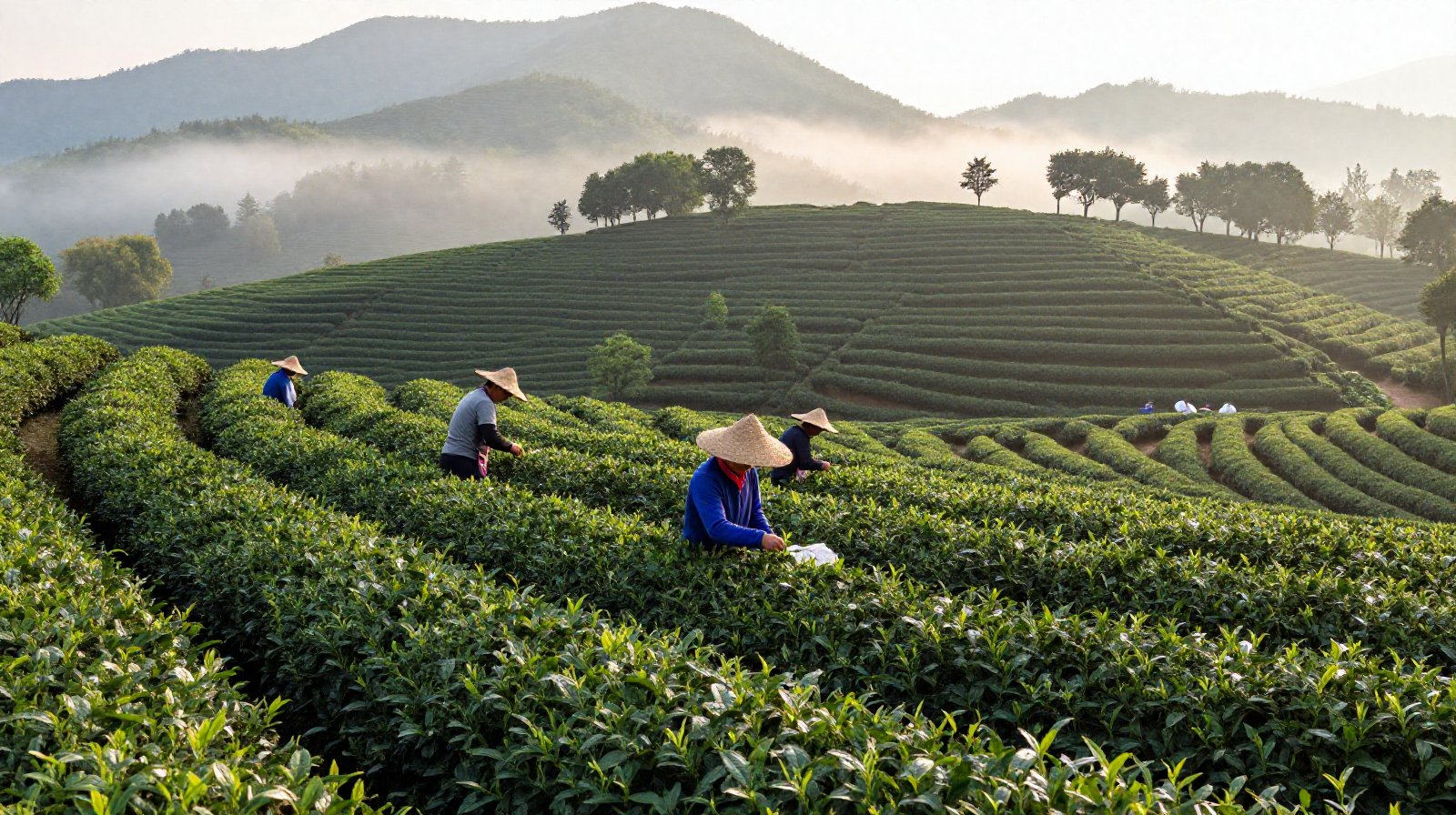
It is 5:30 AM. The air in Longjing Village, just west of downtown Hangzhou, is cool and heavy with mist. There are no tourists yet. No selfie sticks. Just the rhythmic sound of bare feet crunching on damp earth and the sharp scent of wet pine needles mixed with fresh tea leaves.
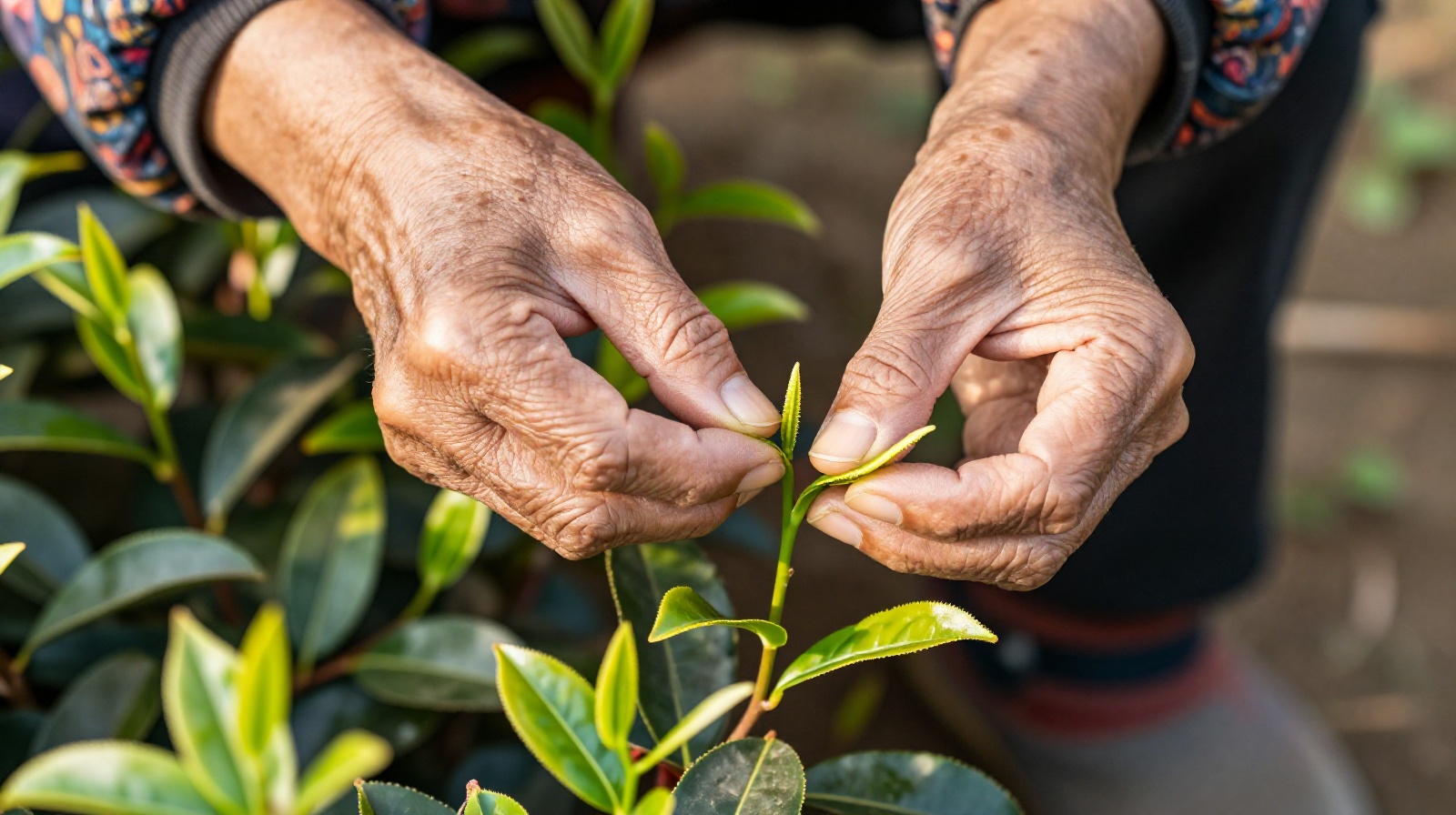
Here, Li Hua, a local farmer in her fifties, is already working. Her fingers move with practiced speed, plucking the ‘one bud and two leaves’ from the top of each bush. This isn’t a leisurely stroll. Her back starts to ache after just an hour. The tea she picks today will be processed into Longjing gunpowder green tea, one of China’s most famous varieties. The difference between this morning scene and the bustling Wuzhou Square in downtown Hangzhou is stark: while the city center hums with electric scooters and digital payments, here, time is measured by the sun’s angle and the ripening leaves.
For overseas visitors used to polished tourist attractions, this reality offers a jarring but refreshing contrast. You are not just watching; you might be asked to join in. And if you do, you will realize that ‘slow life’ often means slow, repetitive physical labor.
The Green Ocean: Life Inside Moganshan’s Bamboo
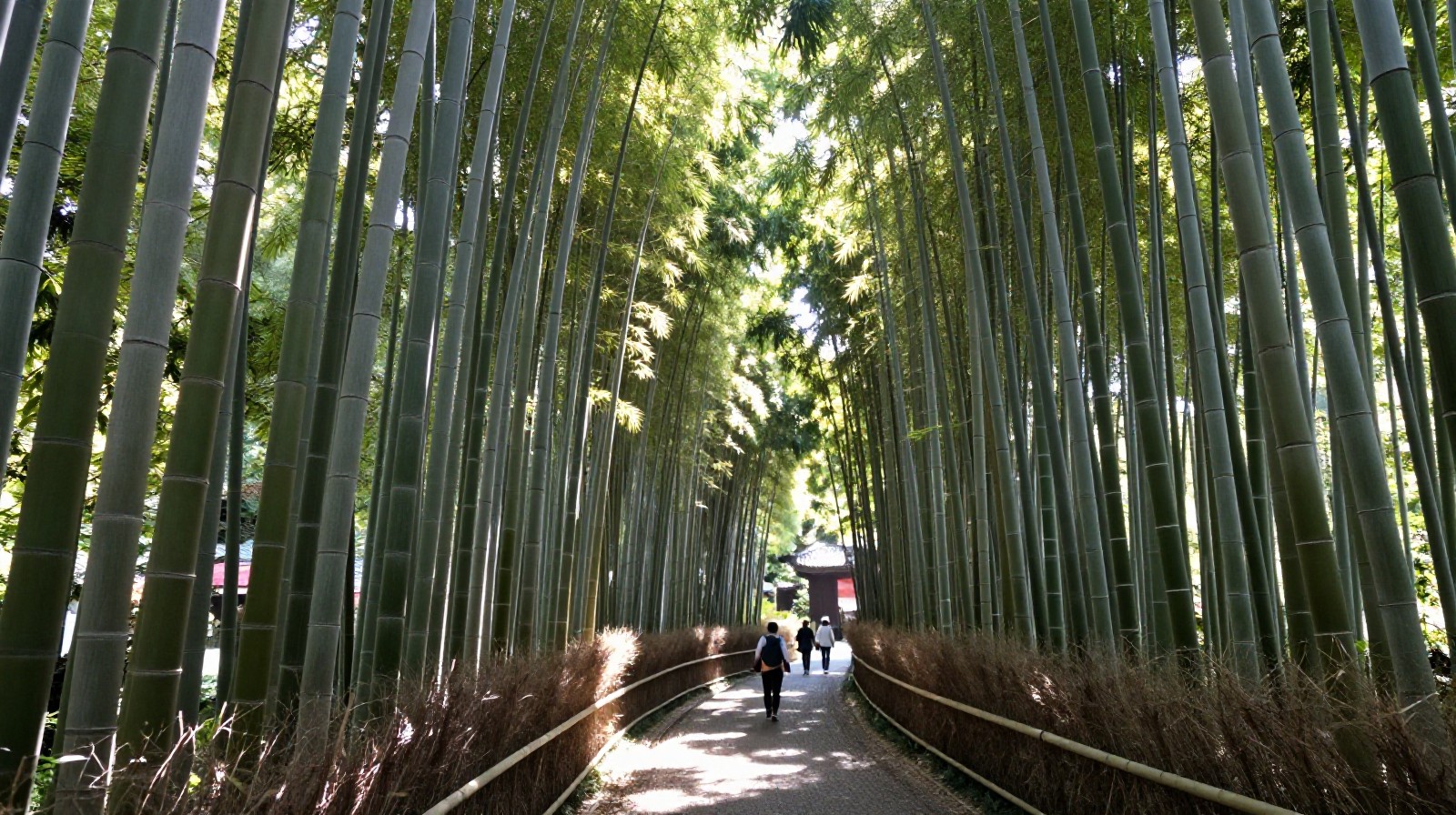
Two hours later, the landscape shifts dramatically as we head north to Moganshan. The asphalt road gives way to narrow dirt paths winding through a sea of green bamboo that towers over twenty feet high.
The sound changes here too. The city noise is replaced by the constant rustling of wind through leaves and the occasional snap of dry stalks. In the shadows of these forests, small communities have thrived for decades. Unlike the ‘secluded villas’ often marketed to foreigners, real life in Moganshan involves practical work with bamboo.
Look closely at a local craftsman carving a basket or splitting slats for construction. The bamboo isn’t just scenery; it is their roof, their income, and their building material. In the morning market of Fuxing Village, you can see stacks of fresh shoots ready to be boiled into dinner, a delicacy that requires precise timing and patience. This connection to nature isn’t a romanticized concept for them; it is a daily necessity.
The Contrast: Fast City, Slow Hills
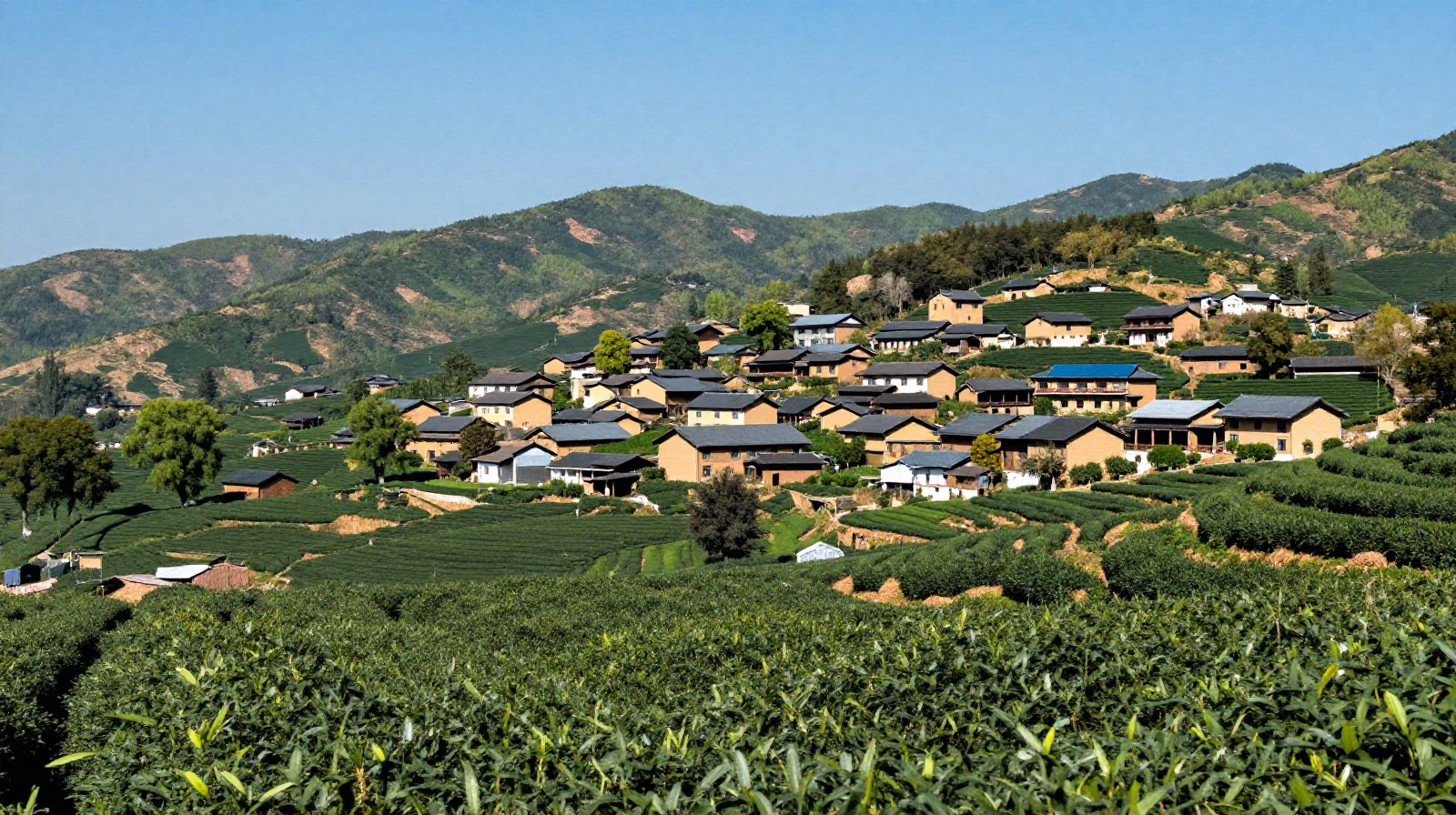
What makes this route so healing for many Chinese urbanites? It is the sheer speed of transition. In Hangzhou, you can work in a high-tech park with 5G connectivity and instant delivery services within minutes of leaving.
But as soon as you step off the main road into these hills, the digital pace slows down. The only notifications that matter are the ones from nature. Young people who spend their days coding in internet giant offices often come here on weekends to unplug. They aren’t looking for a fantasy; they are looking for a place where their nervous systems can reset.
The ‘healing’ power of this route lies in its authenticity. It is not a theme park constructed for tourists. It is a working landscape where the rhythm of life is dictated by seasons, not algorithms.
Practical Tips: Hiking Without the Crowds
If you want to experience this without the tour groups, timing and location are everything. Most buses leave from West Lake at 8:00 AM, packed with visitors heading to the main tea houses.
To find peace, try starting your hike from the lower trails of Moganshan around 6:30 AM or later in the afternoon after 4:00 PM. There are unofficial paths that cut through the bamboo forests, connecting small villages like Qingyu and Shouyang. These routes are less marked but offer a more genuine interaction with locals who might invite you for a cup of homemade tea.
Remember to wear sturdy shoes; the mud in these hills is slippery. And bring cash, as some small family-run stalls may not have QR code scanners ready. This isn’t about finding a perfect Instagram spot; it’s about feeling the earth under your feet and understanding why people return here year after year.