

The Steam That Wakes the City
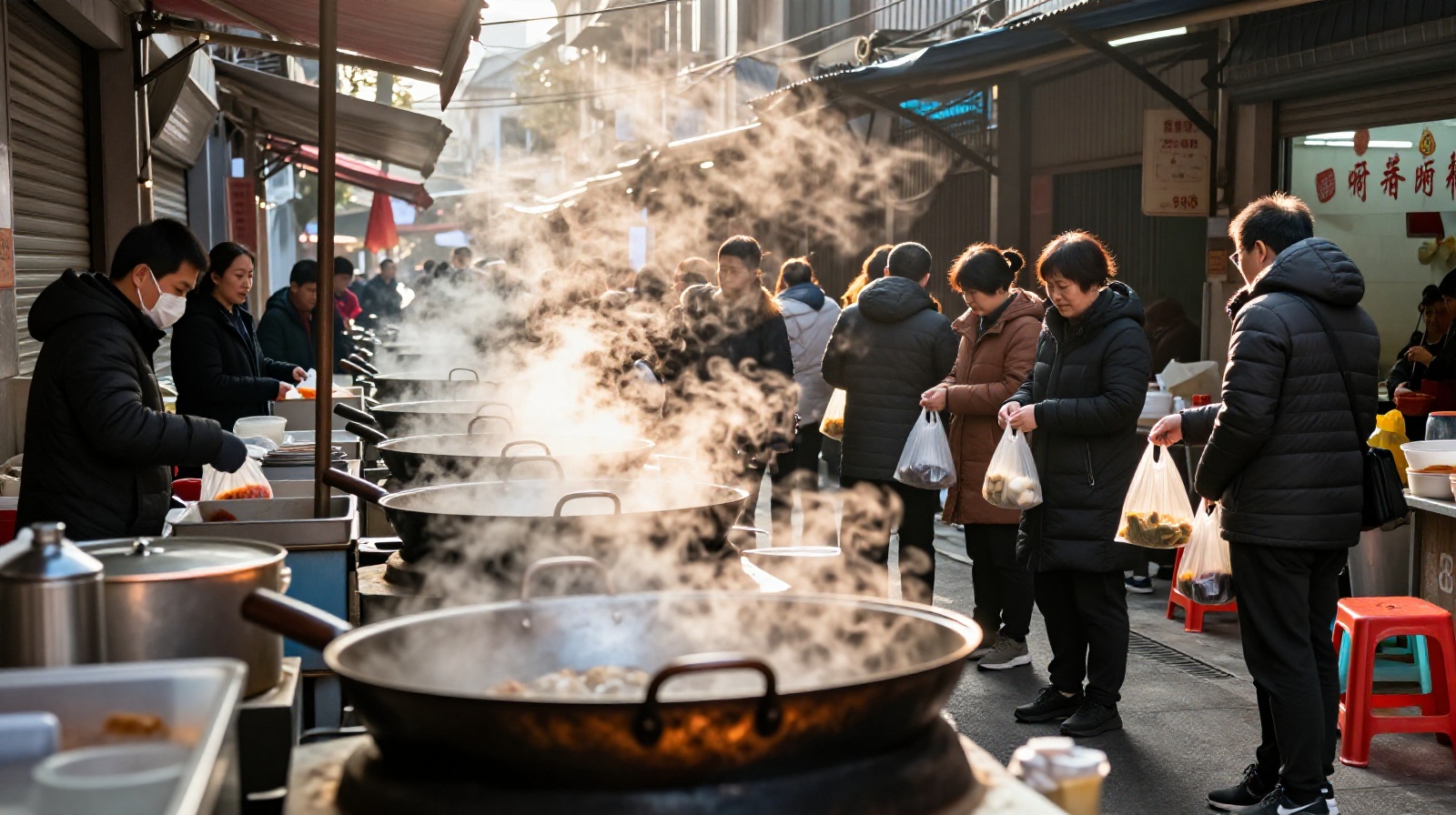
It is 5:45 AM in Hankou District. The air is cool, smelling faintly of damp river mud and coal smoke. But inside a narrow alleyway off Jiefang Road, the temperature rises instantly. A massive copper pot hisses over an open flame. Steam curls up, carrying the sharp scent of toasted sesame paste.
“Liang ge re gan mian!” calls out Li Wei, 28, wiping sweat from his brow as he flips a wok. He is not waiting for customers; he has already cooked fifty bowls. The line outside isn’t just commuters. It includes students in uniforms, construction workers in reflective vests, and delivery drivers pausing on their electric scooters.
For Wuhan locals, breakfast isn’t about nutrition or speed; it’s a social event. They call it Guo Zao—literally “passing the morning.” The city doesn’t wake up until the steam from the noodle pots rises high enough to signal the day is officially started.
The Rice Noodle That Defines a City
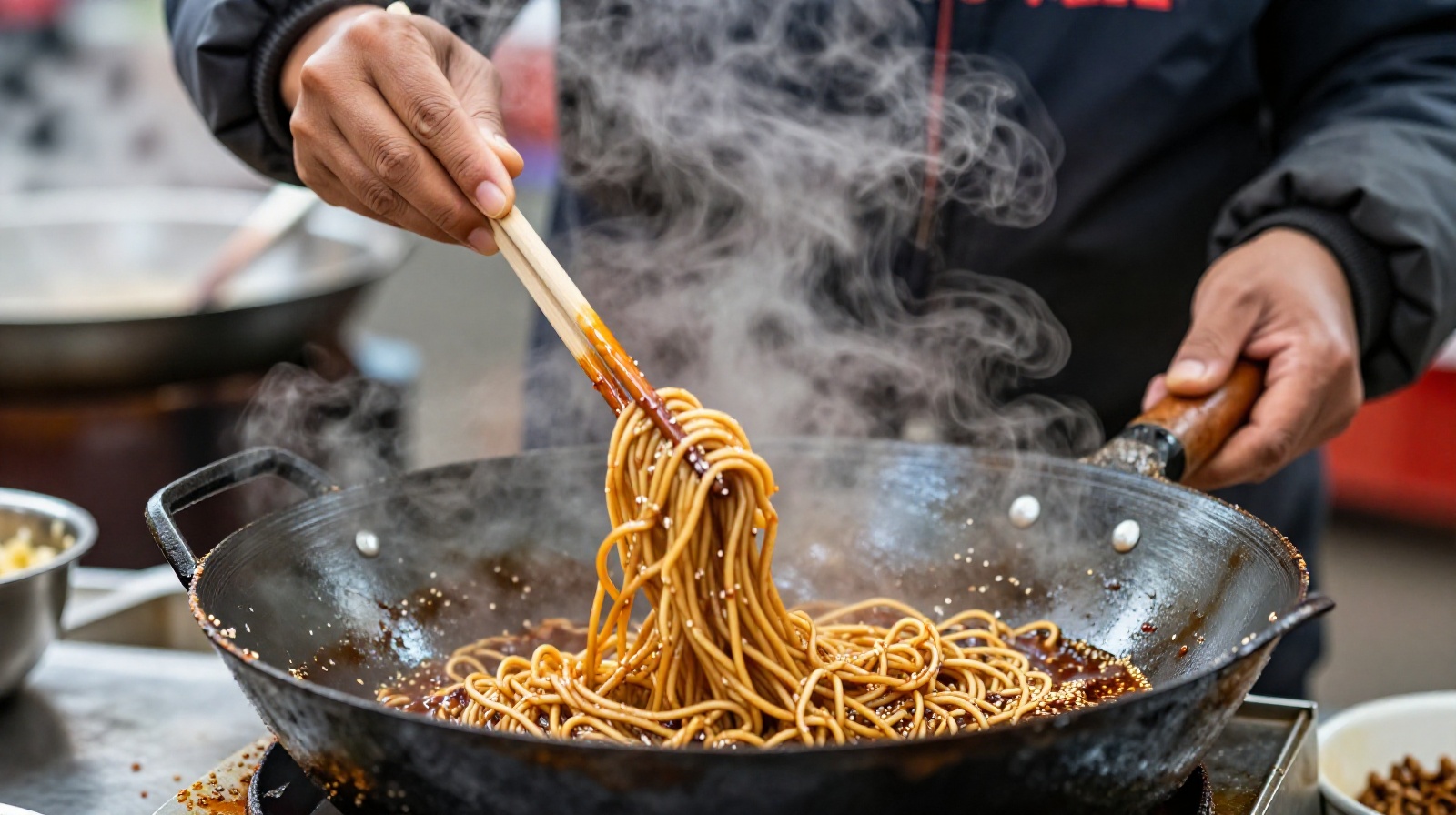
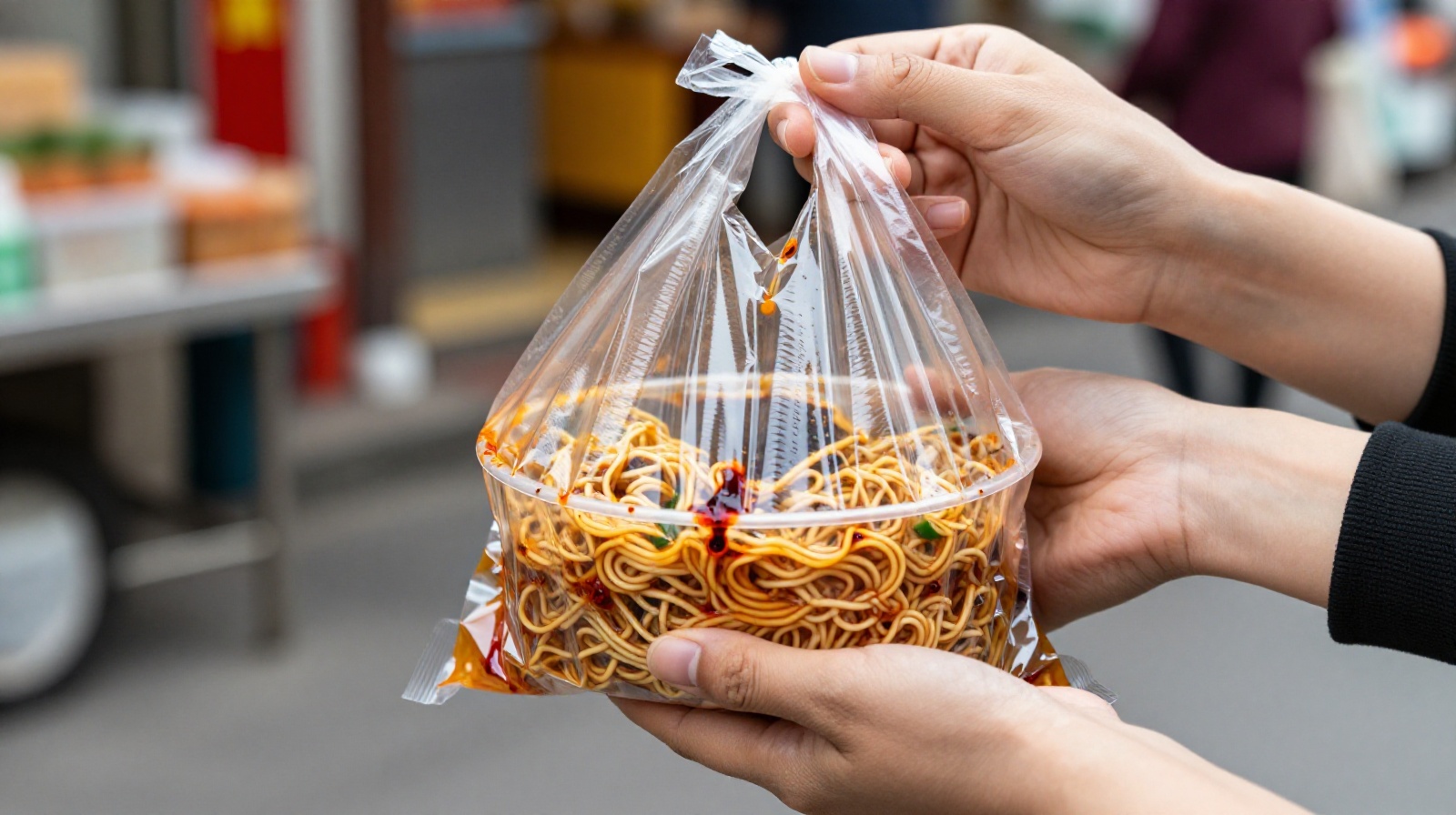
At 6:15 AM, Li Wei slides a plastic bag containing two bowls of Regan Mian (Hot Dry Noodles) to the first customer. The noodles are yellow, alkaline-wheat, boiled just until chewy, then tossed with a dark, sticky sauce made from sesame paste, soy sauce, and chili oil.
This dish is Wuhan’s signature. Unlike the soup-based noodles common in other Chinese cities, Hot Dry Noodles are dry and rich. You eat them standing up, often on the street corner, mixing the noodles vigorously with chopsticks until every strand is coated in the nutty sauce. It is messy, fast, and deeply satisfying.
“The secret is the sesame paste,” says Li Wei, pointing to a small bucket of white sludge that looks like it has been stirred for hours. “It must be fresh. If you leave it overnight, the flavor dies.” For many Wuhanites, this specific texture—the slight resistance of the noodle against the smoothness of the sauce—is what reminds them they are home.
From Dawn to Dinner: A 24-Hour Snack Map
The myth that breakfast ends at 10 AM is false in Wuhan. In fact, for many residents, Zao (breakfast) extends into a continuous stream of snacks throughout the day.
By 8:30 AM, the route shifts to Wuchang District. Here, the air smells of fermented bean curd and sweet dough. A vendor named Auntie Zhang sells Tian Jiu Tang Yuan (Sweet Fermented Rice Balls). She ladles warm water containing tiny glutinous rice balls into a bowl, sprinkling it with crushed osmanthus flowers and dried longan.
“This is for the stomach,” she says to a young woman waiting in line. “After the spicy noodles, you need something sweet and warm.” This balance of heavy, savory, then light, sweet foods is a common pattern in Wuhan’s diet, keeping energy levels steady without feeling too full.
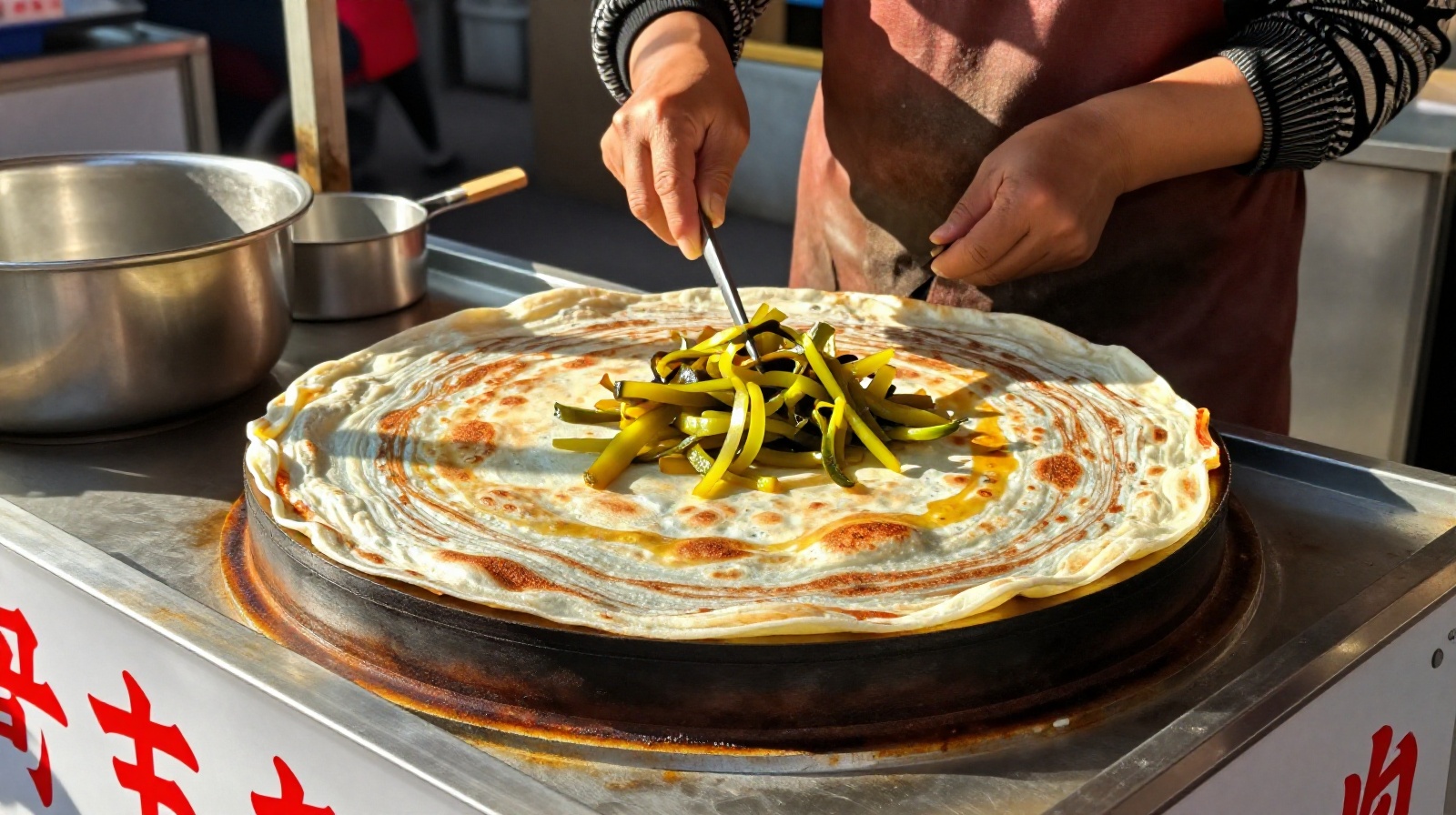
By noon, the city’s rhythm slows slightly as people head to offices or markets. But at 2:00 PM, the afternoon snack culture kicks in. In residential neighborhoods near the Yangtze River, you will find Doupi (Tofu Skin Pancakes) being sold from street carts. These are large, square pancakes made of rice flour and mung bean paste, fried until golden, then topped with pickled vegetables and chopped meat.
The Human Side of the Street Stalls
What makes Wuhan’s food scene unique is not just the variety, but the relationships. The vendors are often neighbors, family members, or people who have run the same stall for thirty years.
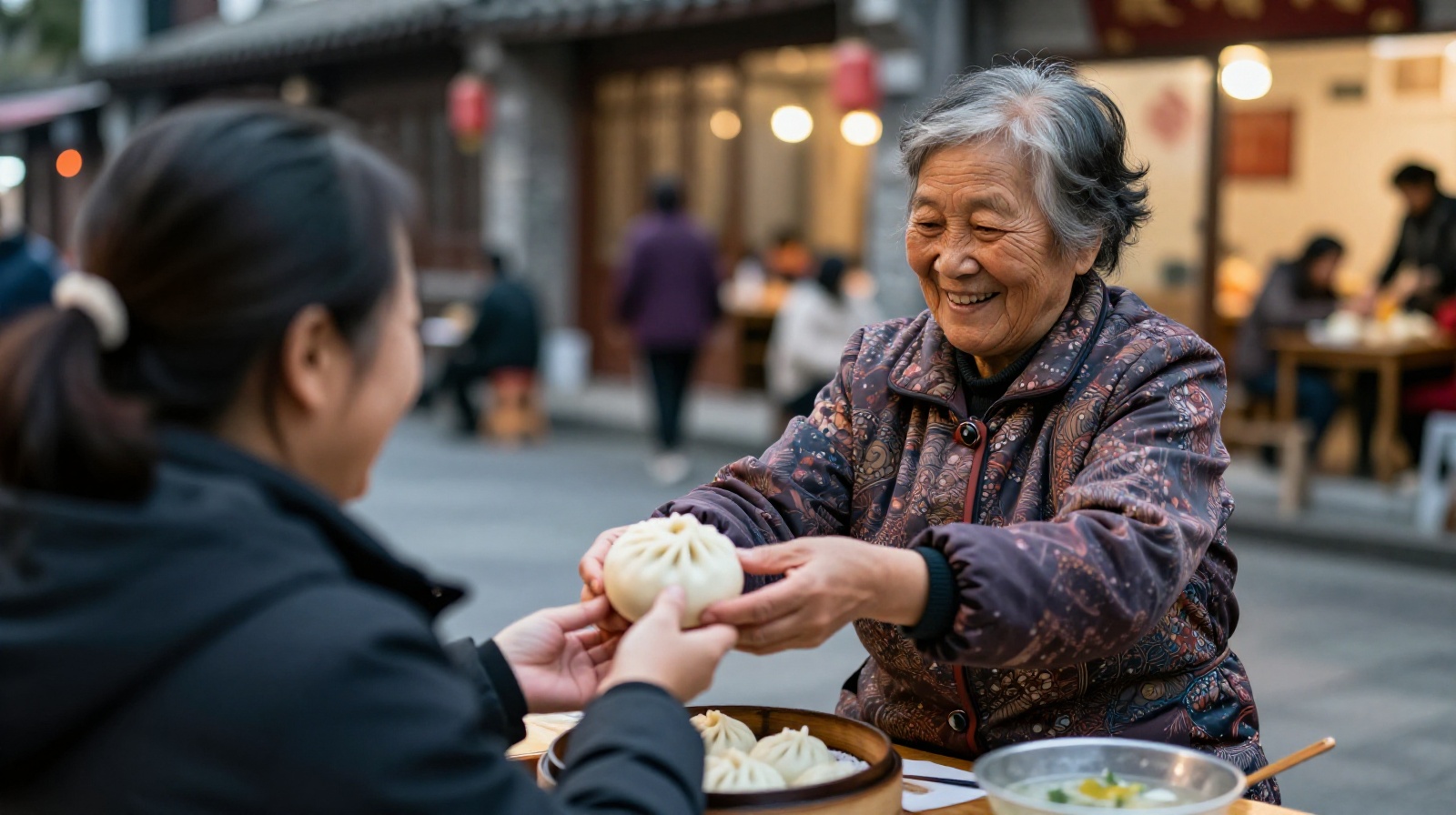
I spoke with Chen Fang, 54, who has been making Mian Ba (steamed buns) at a corner in Qingshan District since 1992. Her hands move with a rhythm that seems mechanical, yet she pauses to ask about her regulars’ health or their children’s exams.
“I know Mr. Wang likes his bun extra soft,” Chen says, handing one over with a smile. “He has bad teeth today.” It is an economy built on trust and memory, not just transactions. In an era of digital payments and apps, these small stalls remain the last bastions of face-to-face connection.
Food as the City’s Pulse
As dusk falls at 6:00 PM, the streets fill again. This time, it is not just breakfast food, but a mix of dinner snacks and late-night treats. The Yangtze River bridge glows in the distance, its lights reflecting on the dark water.
In Wuhan, eating is never just about filling a stomach. It is a way to navigate the city’s vastness, to connect with neighbors, and to anchor oneself in the flow of time. Whether it is the spicy heat of Hot Dry Noodles at dawn or the sweet warmth of Tang Yuan at noon, the food tells you exactly where you are: in a city that never stops moving, but always finds time to pause for a meal.
The 24-hour route isn’t about eating more; it’s about living slower. It is a reminder that even in one of China’s fastest-growing metropolises, the rhythm of life still beats to the sound of steam rising from a pot and the clatter of chopsticks on plastic bowls.