

Who Actually Runs the Show?
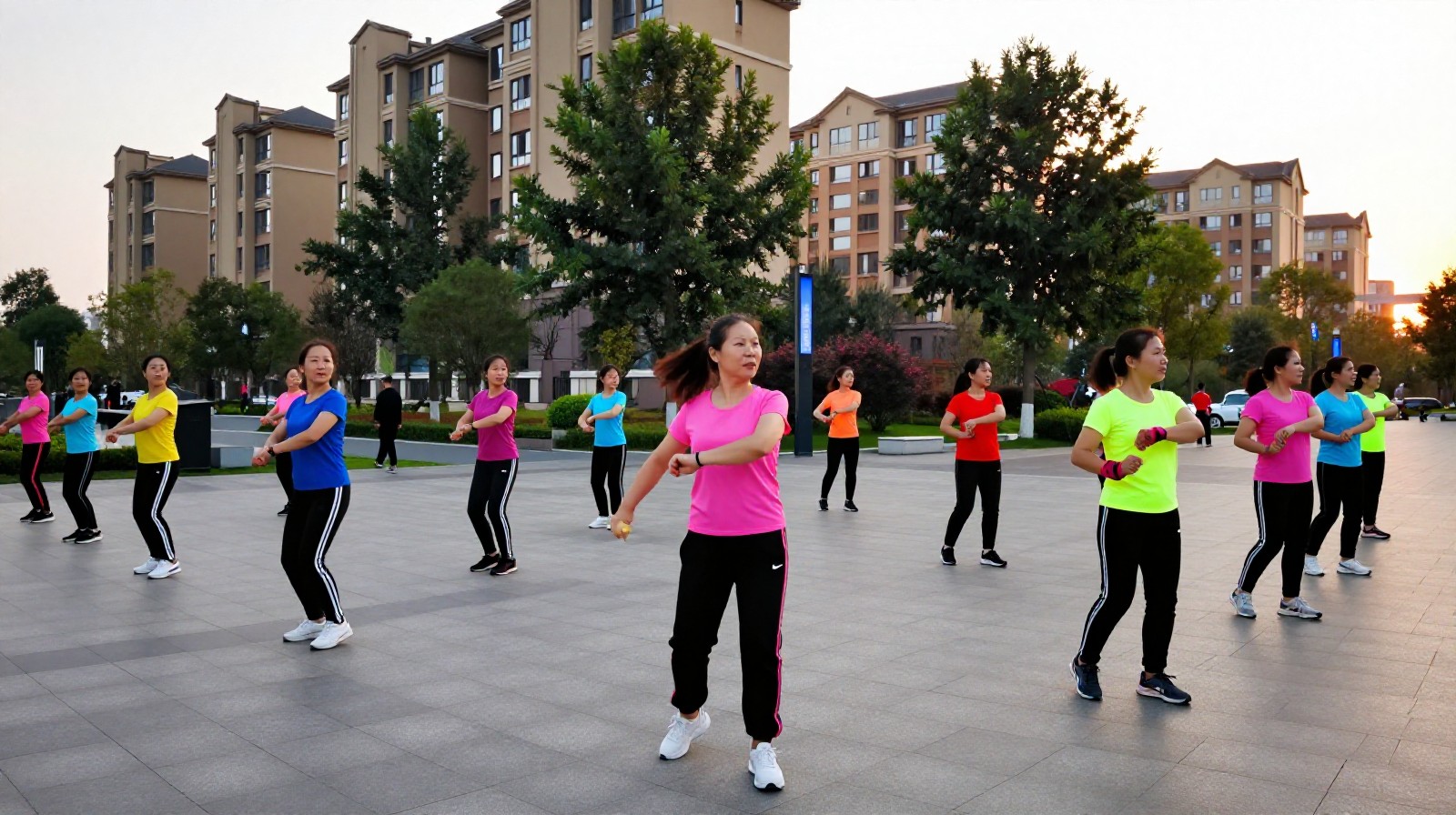
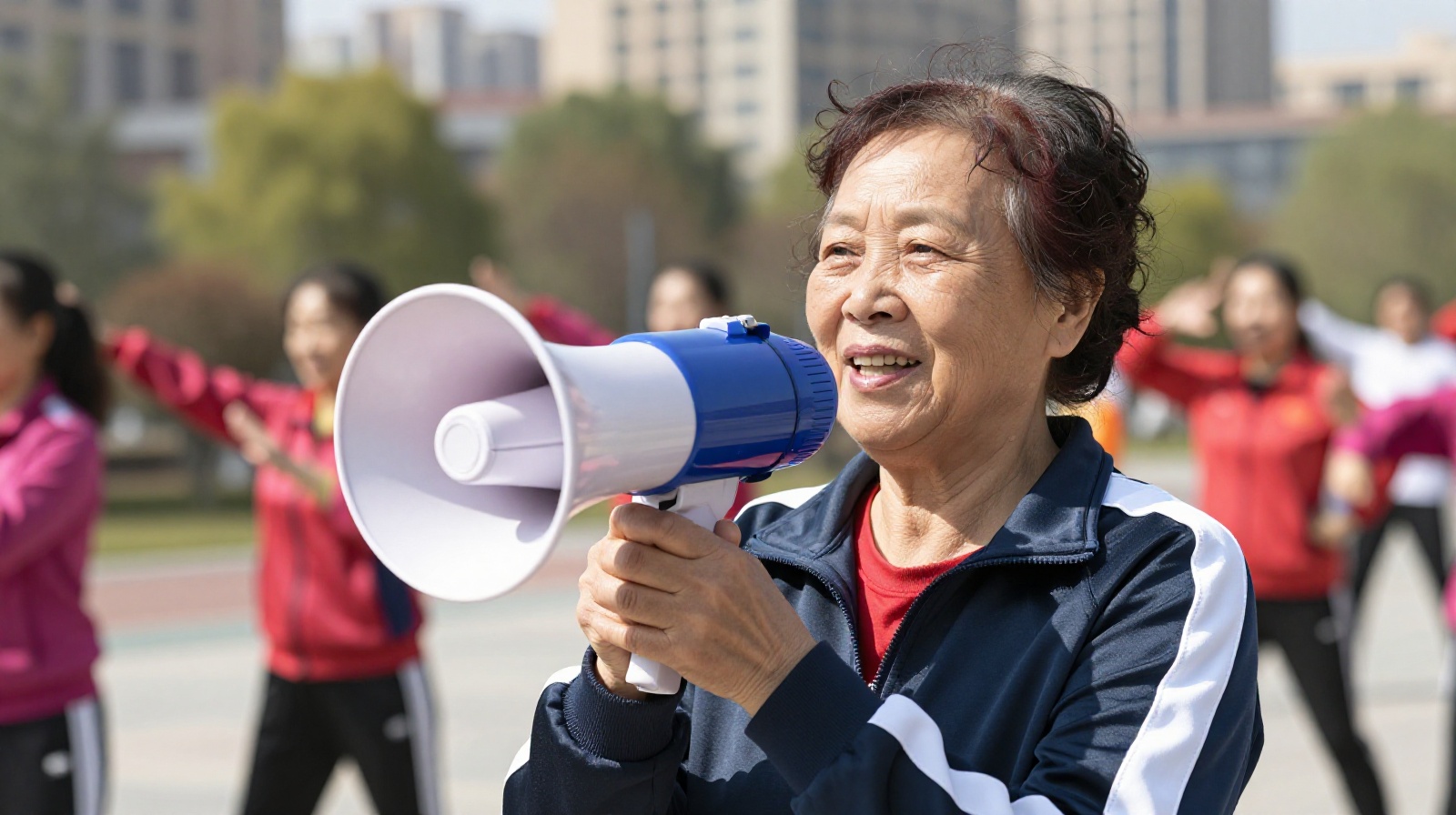
If you walk into a typical Chinese neighborhood at 7 PM, you won’t see a CEO in a suit making decisions. You’ll find Auntie Li standing on a plastic stool, holding a megaphone, and directing fifty women to form perfect lines for their dance routine. She isn’t just leading a hobby; she’s managing logistics, music rights, and conflict resolution all at once.
In the West, we often think of community leadership as something formal—HOA presidents, elected officials, or paid managers. But in China, the unofficial power structure is run by a specific demographic: middle-aged and retired women, affectionately (and sometimes mockingly) called “Dama” or “Aunties.” They are the glue holding these residential blocks together.
The Logistics of a Flash Mob
Let’s talk about the most visible sign of their power: the square dance. It’s not just exercise; it’s a massive operation. To get 50 people to move in sync, Auntie Li needs more than enthusiasm. She needs a spreadsheet.
She coordinates with neighbors for electricity access so speakers don’t blow fuses. She negotiates with local vendors for discount umbrellas during rain. And yes, she handles the inevitable complaints from nearby apartment residents who want silence at 8 PM. When I asked her how she does it, she laughed and said, “If you can convince your mother-in-law to share a meal, you can handle a noise complaint.” It sounds simple, but it requires deep social capital and patience that most executives lack.
More Than Just Dancing: The Real Power
While the dance floor is their billboard, their influence goes far deeper. In many neighborhoods, Aunties have become the de facto community managers. If you need to know who owns a vacant apartment, which family needs help with groceries, or how to resolve a parking dispute over a narrow driveway, the answer usually points to one of them.
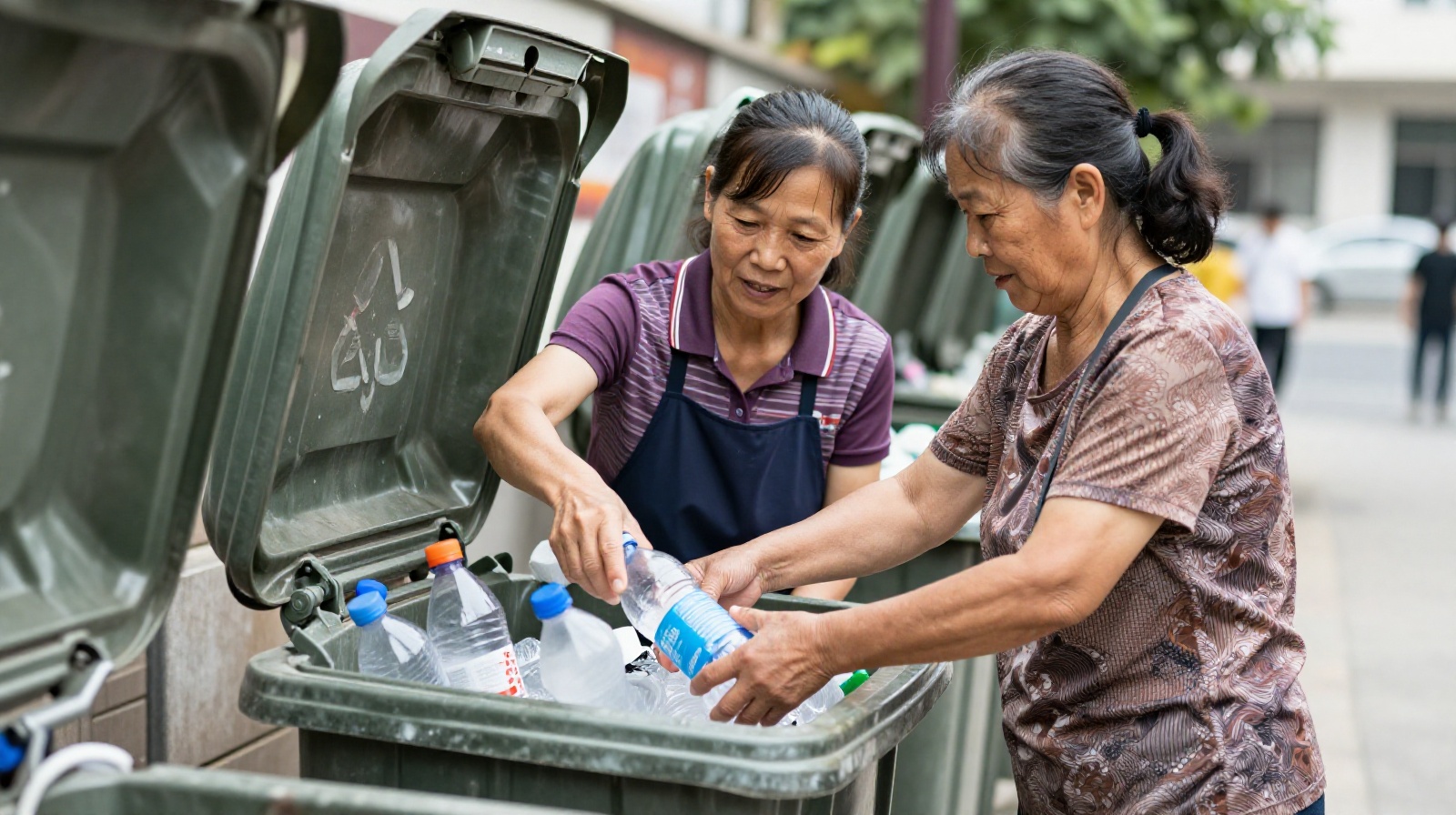
Take the case of “Green Bin” enforcement in Shanghai. When the city introduced strict garbage sorting rules, many residents were confused and frustrated. Instead of waiting for bureaucrats, local Aunties organized themselves into patrol teams. They would stand by the trash bins at 7 AM, gently correcting people who put yogurt cups in the paper bin. It wasn’t about policing; it was about neighborly care. “We do this so our kids don’t have to live in a dirty city,” one auntie explained while sorting a bag of bottles.
Why Are They Doing This?
It’s easy to dismiss them as busybodies, but the roots go deeper than just killing time. China has an aging population and a rapid shift in family structures. With fewer children living at home and retirement age approaching earlier for many women, these Aunties face a sudden void of purpose.
The community becomes their workplace. By organizing group buying (a massive trend where residents pool money to buy goods in bulk), managing shared spaces, or mediating disputes, they reclaim a sense of agency. They are the bridge between the rigid top-down government policies and the messy reality of daily life. When the city says “recycle,” the Auntie explains how to do it without getting yelled at by her neighbor.
The Secret Sauce: Empathy and Authority
What makes them so effective? It’s a mix of maternal authority and street smarts. They know everyone. They remember whose birthday is next month, who just lost their job, and who has been hiding behind the dumpster smoking. This intimate knowledge allows them to solve problems before they escalate.
In a world increasingly mediated by algorithms and apps, the Auntie represents something analog but incredibly efficient: human connection. She doesn’t need an app to tell her you’re upset; she sees it in your face when you pick up your trash bag. She can de-escalate a fight between two neighbors with a single cup of tea and a knowing look.
The Future of the Neighborhood
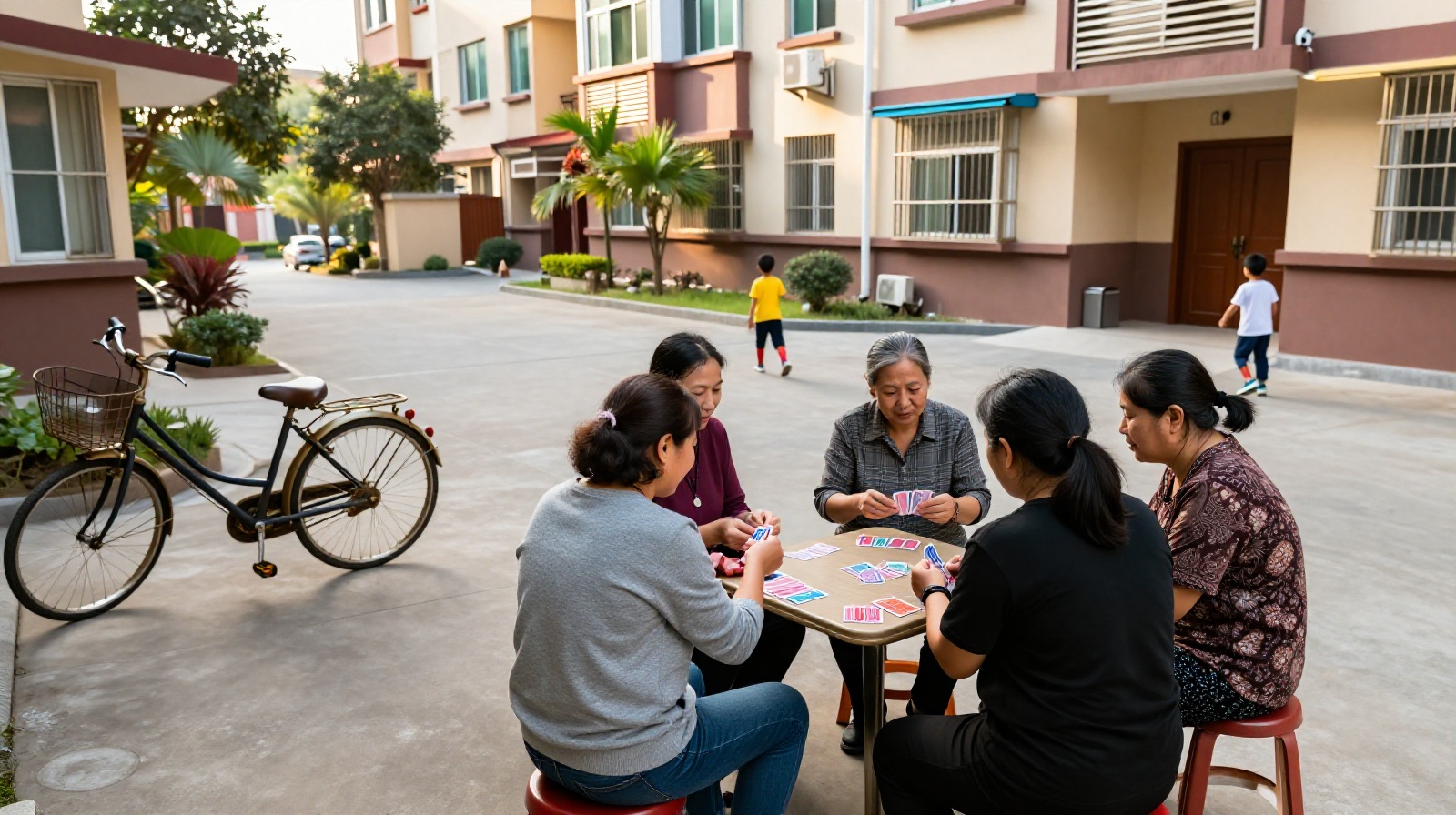
As China continues to urbanize, these women are becoming even more critical. They are adapting to new challenges, from managing shared bicycle parking spots to organizing vaccination drives during health crises. Their ability to mobilize resources and people instantly is a testament to their resilience.
So, the next time you see a group of older women dancing in unison or arguing gently over a parking spot, don’t just roll your eyes at the noise. Look closer. You might be watching the most efficient community management team in the world, running on pure energy and social wisdom.