

A Scene from the Streets of Shenzhen
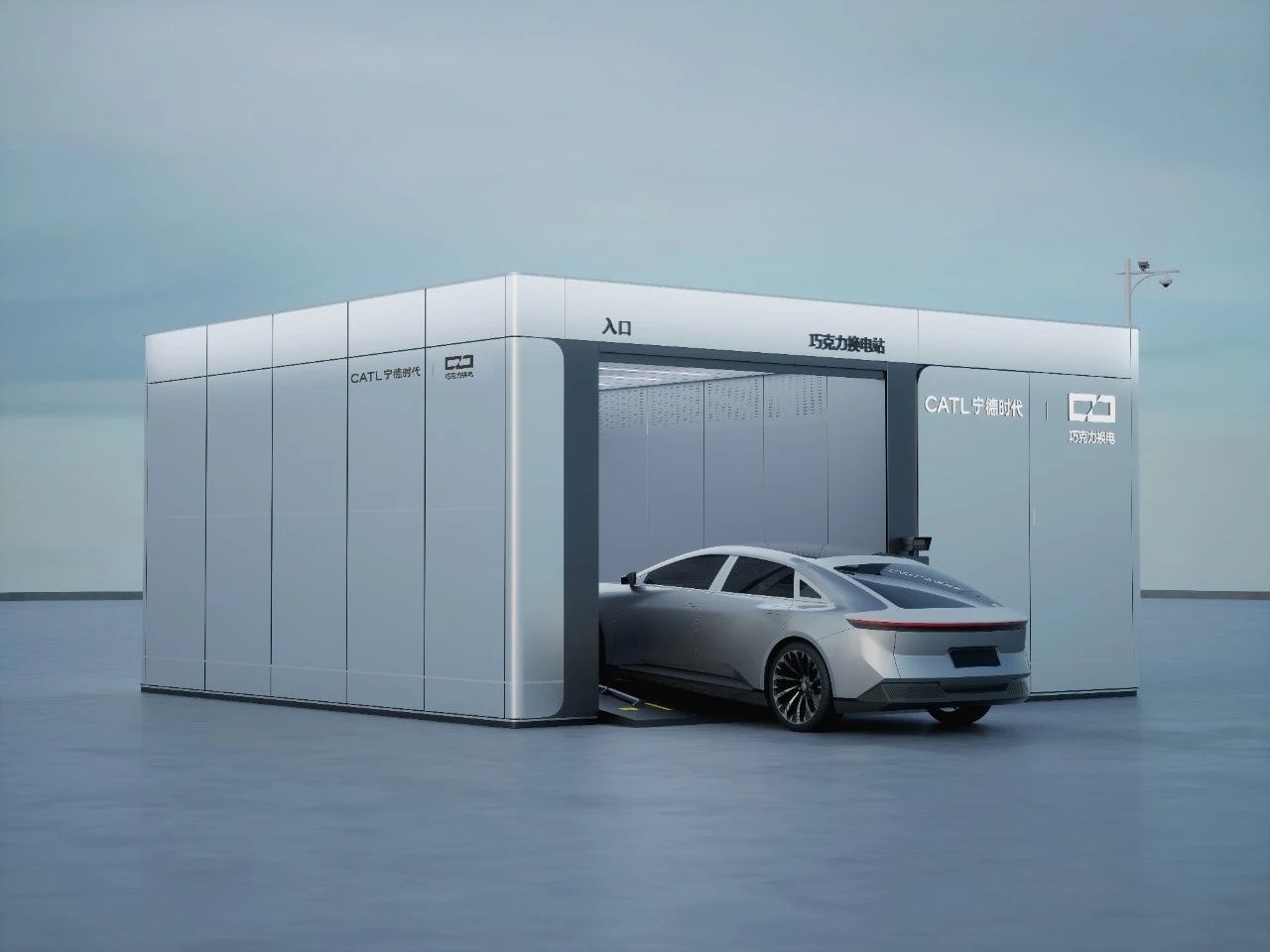
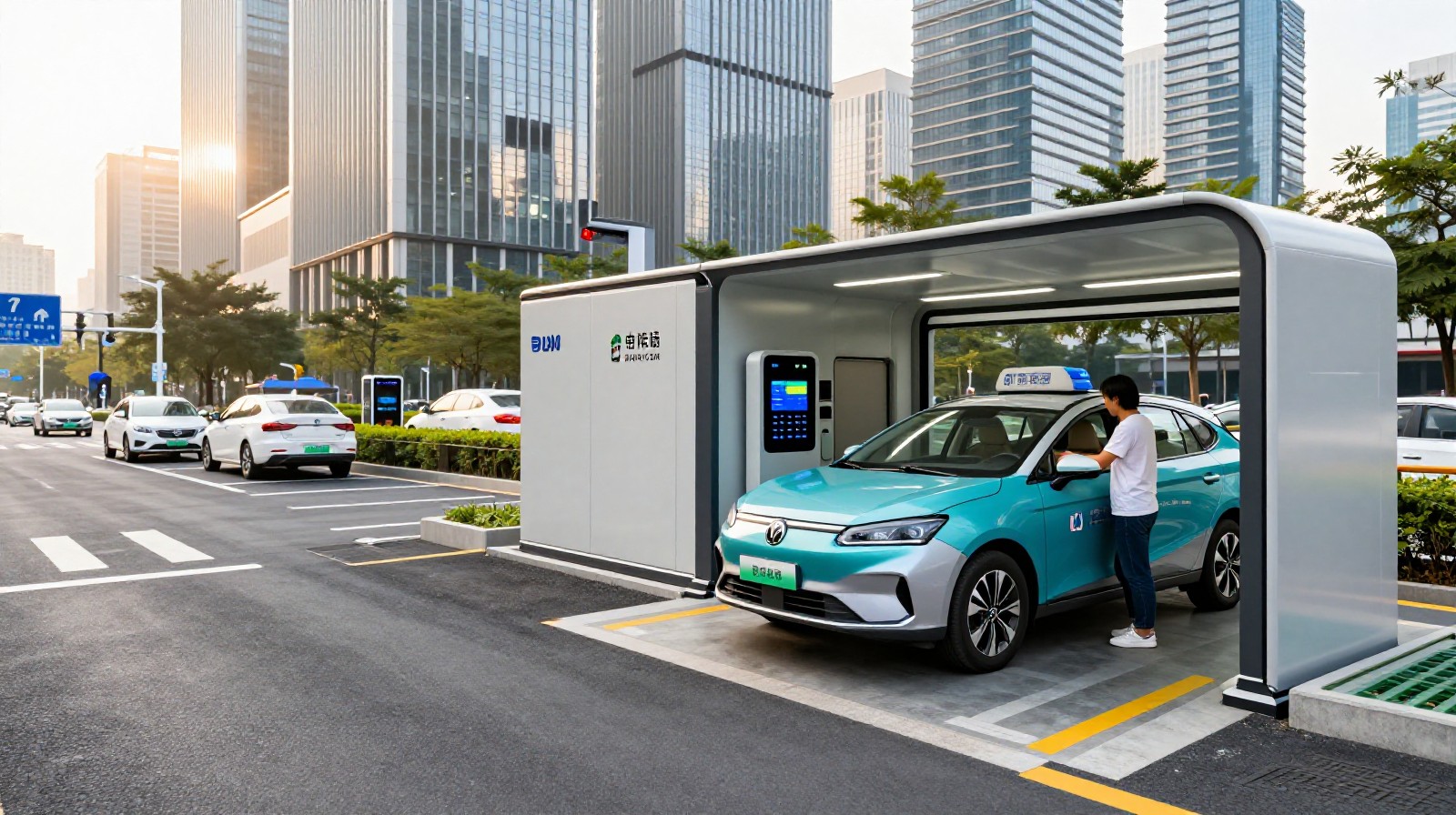
At 7:30 AM in downtown Shenzhen, a taxi driver named Li pulls his electric vehicle into a small, glass-walled booth. He doesn’t plug in a cable. He doesn’t wait for an hour while checking his phone. Instead, he presses a button on the dashboard, and within seconds, the rear of his car lifts up to reveal a battery pack.
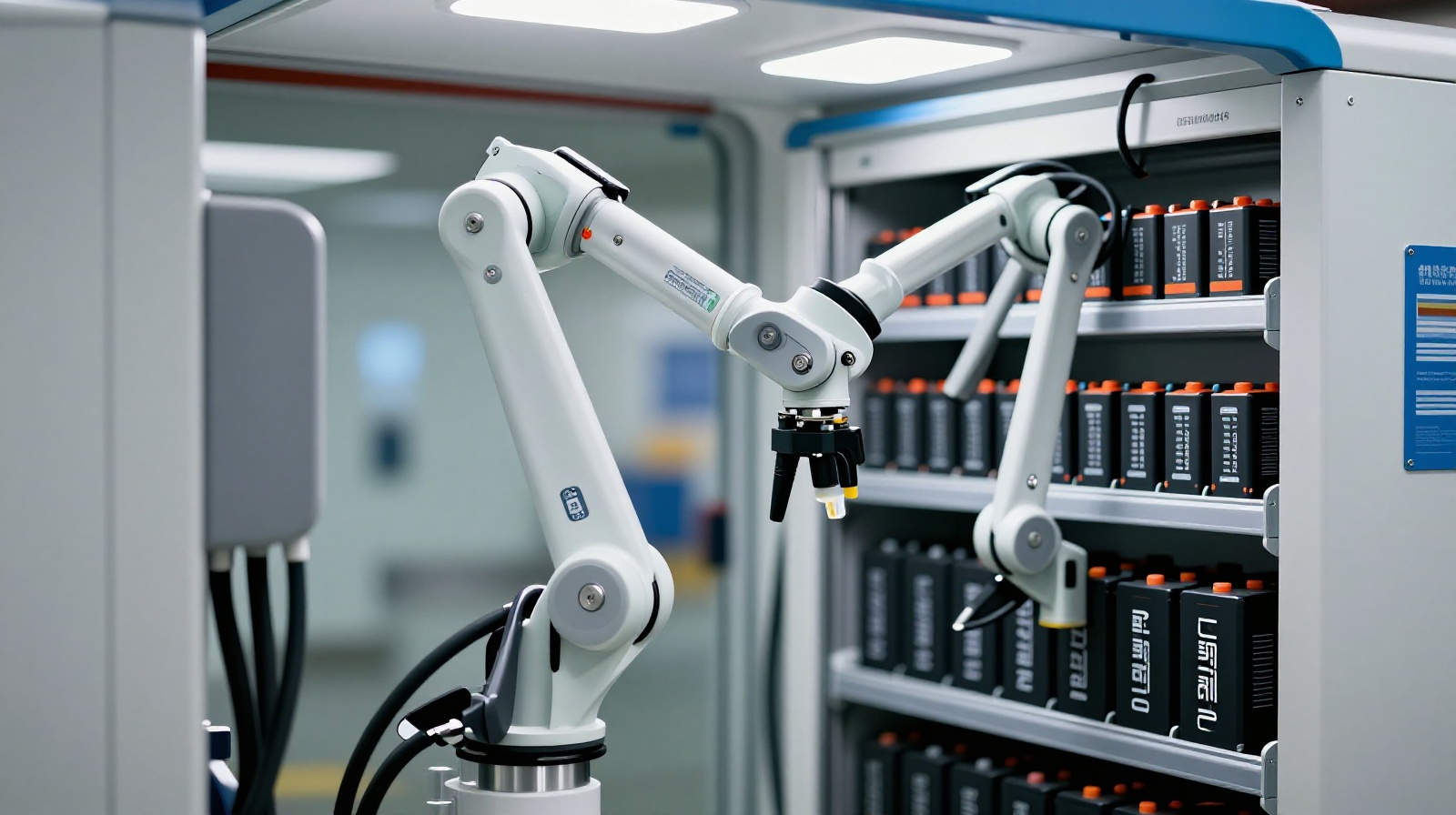
Inside the station, a robotic arm slides out, detaches the empty battery, and replaces it with a fully charged one in roughly 180 seconds. Li pays a small fee via an app on his phone, drives off, and is back on the road before most commuters have even reached their second coffee break.
For many outside China, this scene feels like science fiction. In the West, electric vehicle adoption has been held back by “range anxiety”—the fear of running out of power—and the slow pace of charging. But in Chinese cities, a different model is becoming the norm: battery swapping.
The Problem: Why Charging Was Too Slow
When Li started driving an electric taxi five years ago, he faced a harsh reality. Standard fast-charging stations could only replenish about 80% of the battery in 30 to 45 minutes, and that was if no one else was waiting in line.
For a commercial driver, time is money. A 30-minute stop meant losing potential fares. For delivery riders, it meant delays. The infrastructure simply wasn’t built for the speed of urban life.
China faced this bottleneck head-on. Instead of just building more chargers, companies like NIO, Xpeng, and CATL began investing in a parallel solution: battery swap stations. These are essentially high-tech garages where batteries are charged overnight at optimal speeds while vehicles get swapped instantly on the street.
How It Works: A Step-by-Step Guide
The process is surprisingly simple, designed for the average person without technical knowledge. First, a driver locates a swap station using their car’s navigation system or a mobile app. These stations are often clustered near highways, busy commercial districts, and residential hubs.
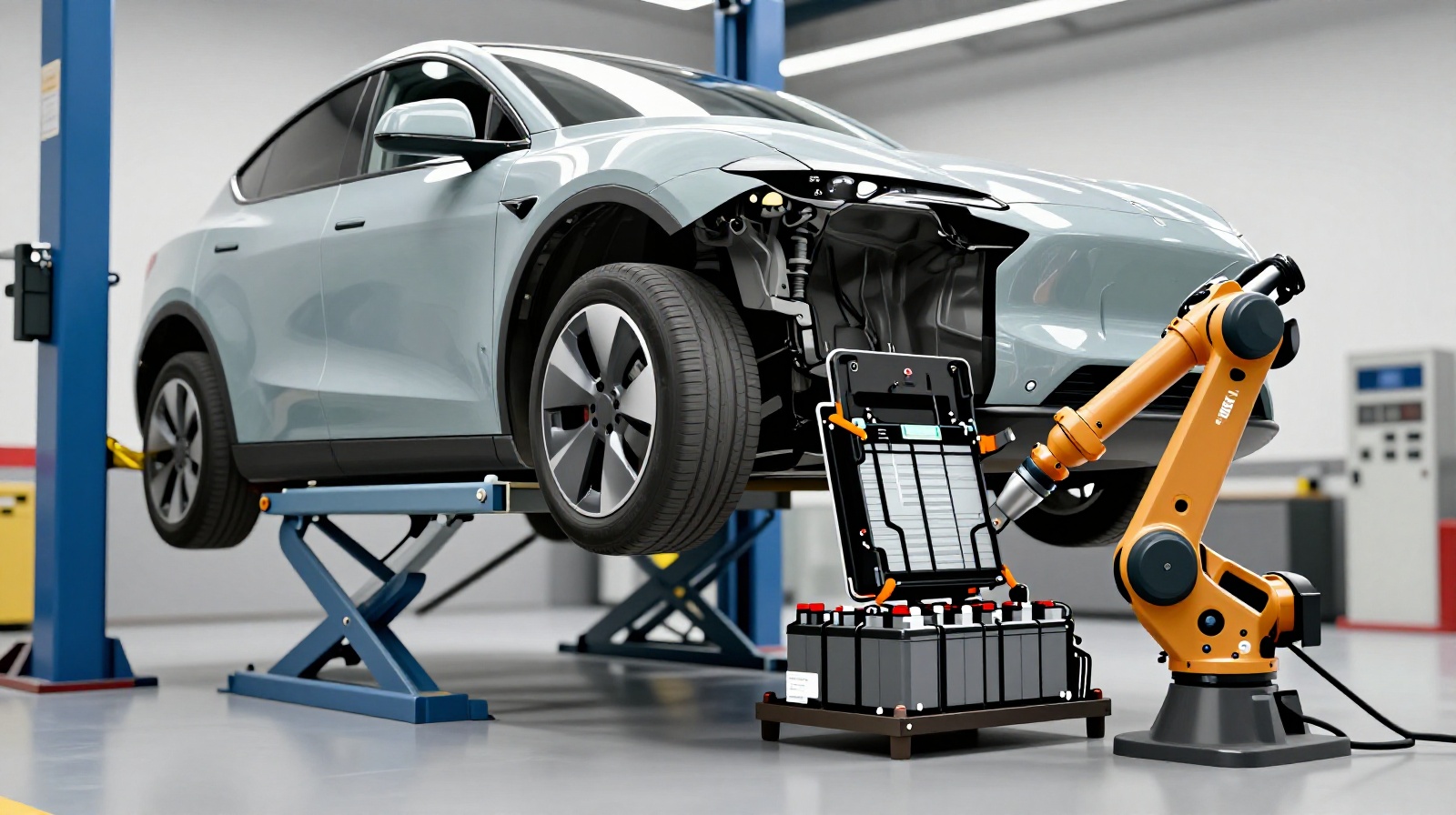
Upon arrival, the vehicle drives into the specific bay. The car communicates with the station’s central computer to verify its battery model and health status. A robotic mechanism then lowers the vehicle (or lifts it) to access the undercarriage.
The empty battery is detached and moved to an internal charging rack, where high-speed chargers top it off while other batteries are prepped for use. Meanwhile, a charged battery is slotted into the car’s chassis. The entire mechanical process takes about 3 minutes. Once the door closes, the driver can pay via smartphone and leave.
Beyond Speed: Cost, Convenience, and Battery Health
Speed is the headline, but the economics of swapping are just as compelling. The “battery-as-a-service” model decouples the car’s purchase price from its battery cost. Instead of paying $10,000 for a battery upfront, drivers often subscribe to it or buy the car without the battery at a lower base price.
This lowers the barrier to entry significantly. Furthermore, because the batteries are swapped in a controlled environment and charged by professionals, they last longer than those left sitting on a public charging pile where voltage fluctuations can occur. The swap stations constantly monitor battery health, ensuring safety standards remain high.
For city planners, this also solves a grid problem. Instead of thousands of cars drawing massive power simultaneously during rush hour, the swap station acts as a giant buffer, charging batteries slowly and steadily throughout the night when electricity demand is low.
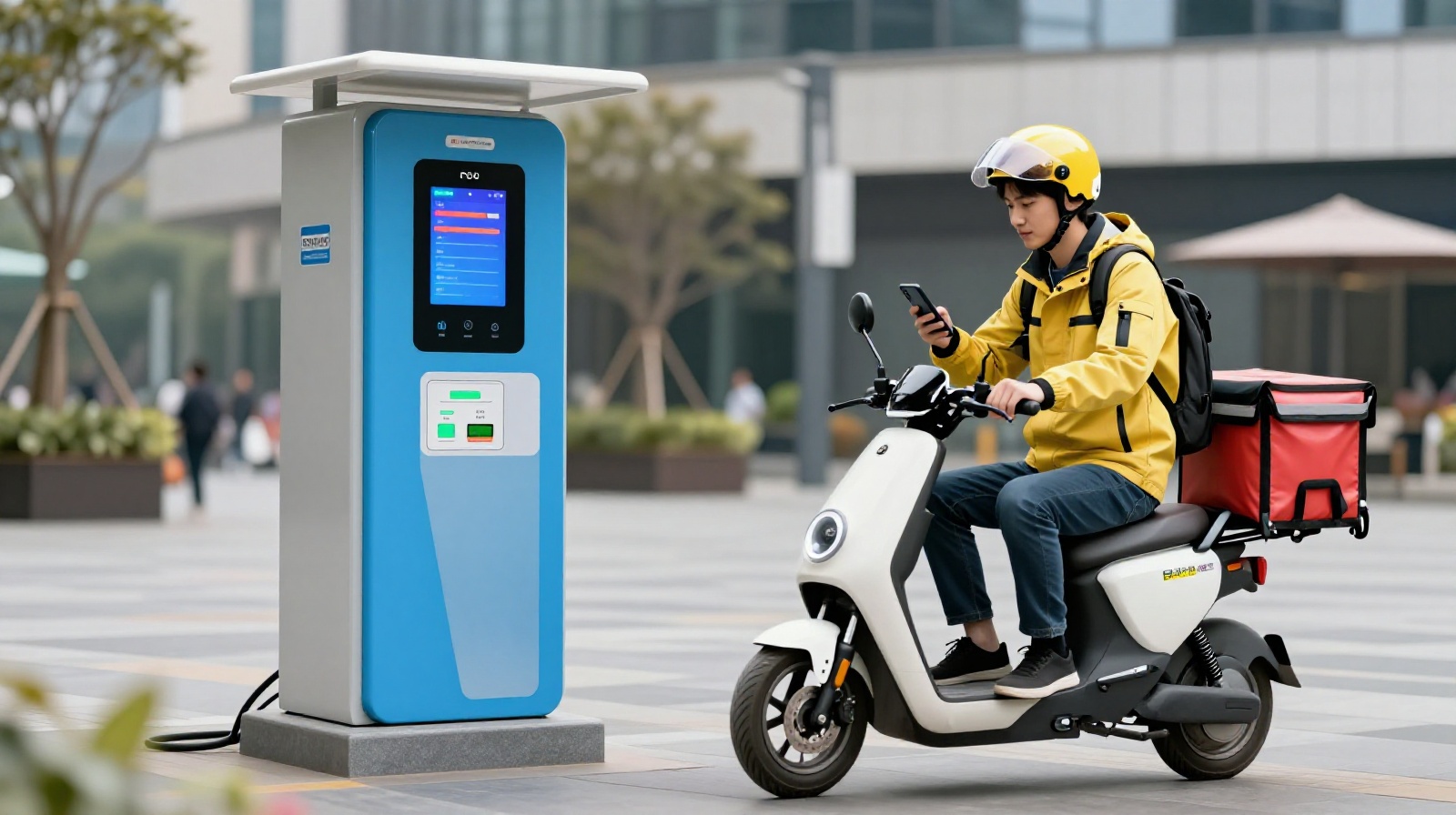
Real People’s Stories: The Drivers’ Perspective
Liu is a delivery rider in Hangzhou who switched to an electric scooter with swap capability last year. “Before, I had to carry two spare batteries or wait 20 minutes at a station,” Liu says. “Now, I just stop for two minutes during my lunch break and keep working. My income hasn’t dropped because of charging downtime.”
Similarly, taxi drivers in Beijing and Shanghai report that swap stations have become their lifeline. They treat the station like a gas station but without the smell or the long wait. “It’s seamless,” says one driver from a major ride-hailing platform. “I can work 12 hours straight with just two swaps. That kind of reliability is what makes me switch to electric.”
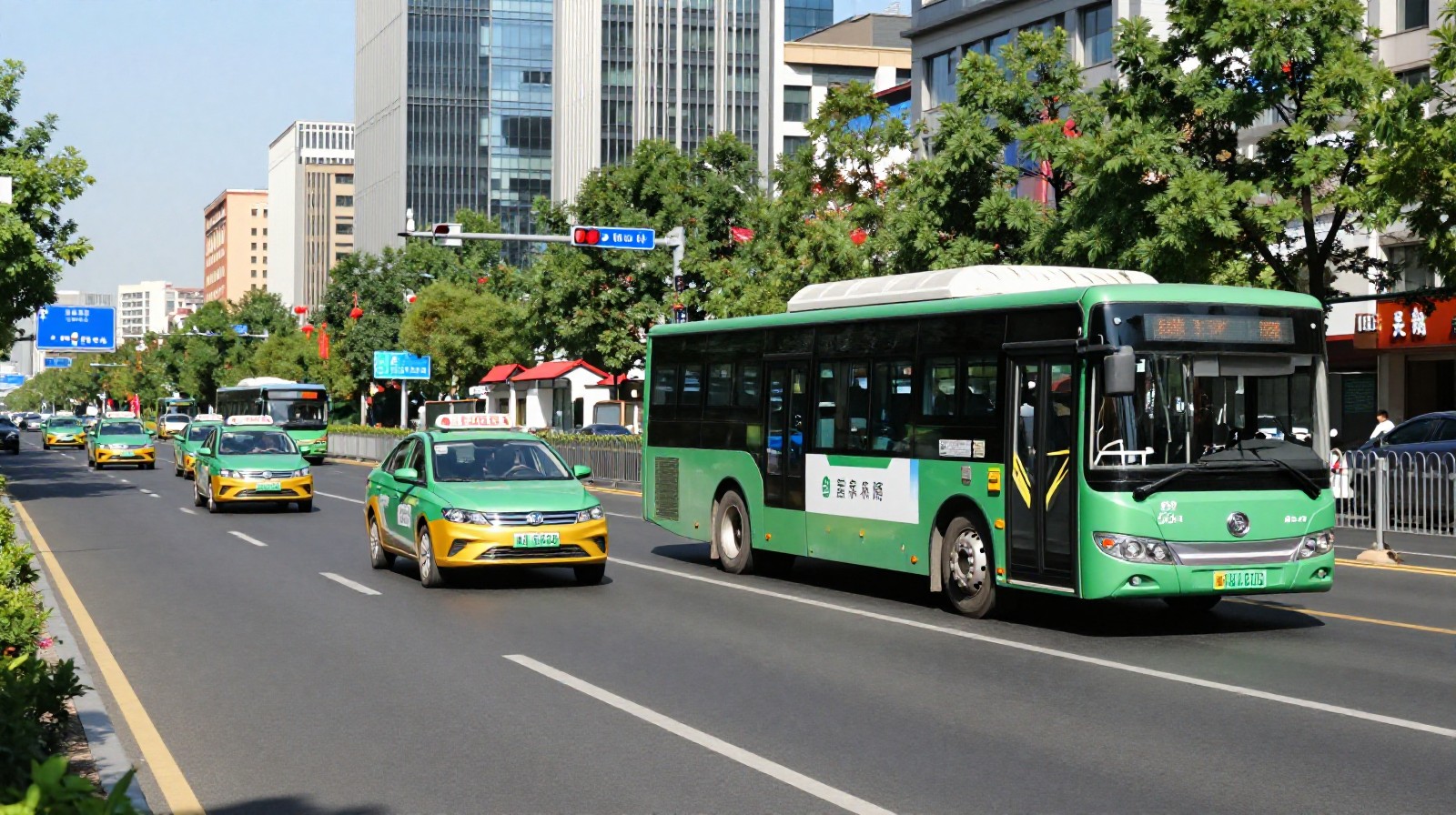
The Bigger Picture: Infrastructure Shaping Urban Life
What looks like a simple convenience for a driver represents a massive shift in urban infrastructure. China has deployed over 2,000 battery swap stations across the country, with thousands more planned. This network is not just about making electric vehicles practical; it’s about integrating green technology into the daily rhythm of cities.
As other nations debate the pace of their transition to renewable energy, Chinese cities are already living in a future where charging is invisible. The technology has been democratized: it works for luxury sedans, compact taxis, and heavy-duty trucks alike.
The battery swap station is more than just a fuel stop; it is a testament to how China approaches industrial innovation. It solves a real-world friction point with speed and efficiency, turning the abstract goal of carbon neutrality into a tangible, everyday reality for millions of drivers.