

The 6:30 AM Rush That Defies Expectations
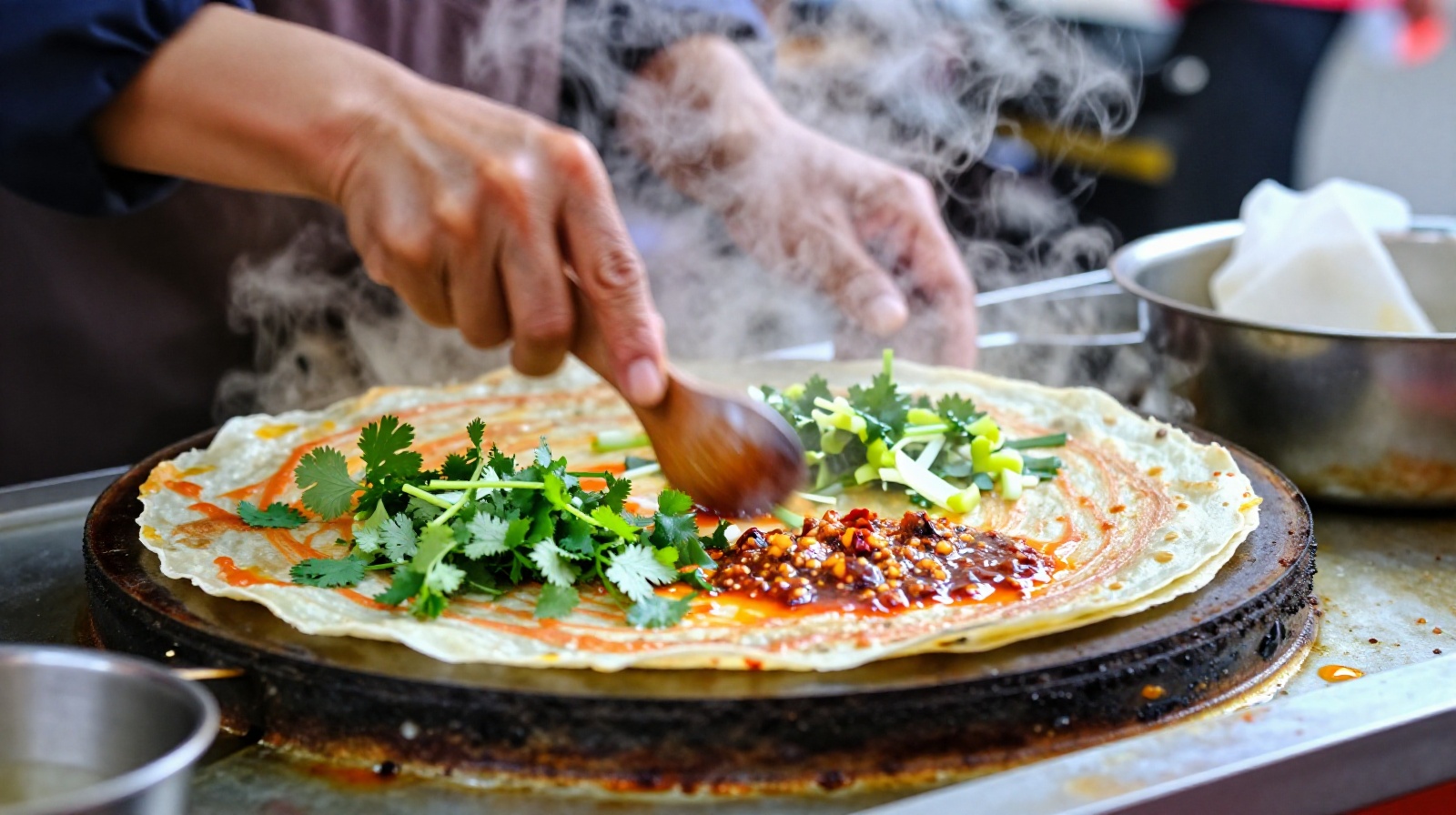
You wouldn’t expect a bustling breakfast scene to happen at dawn in a city of 25 million people, yet that is exactly what happens every morning on the streets of Chengdu. While Western media often paints China as a land of rigid industrialization or silent, futuristic skyscrapers, the reality unfolds over steaming baskets and plastic stools. It is 6:30 AM. The air smells of roasted sesame paste and fried dough. A line of young professionals in crisp uniforms waits not for coffee, but for jianbing—a savory crepe wrapped around crispy crackers.
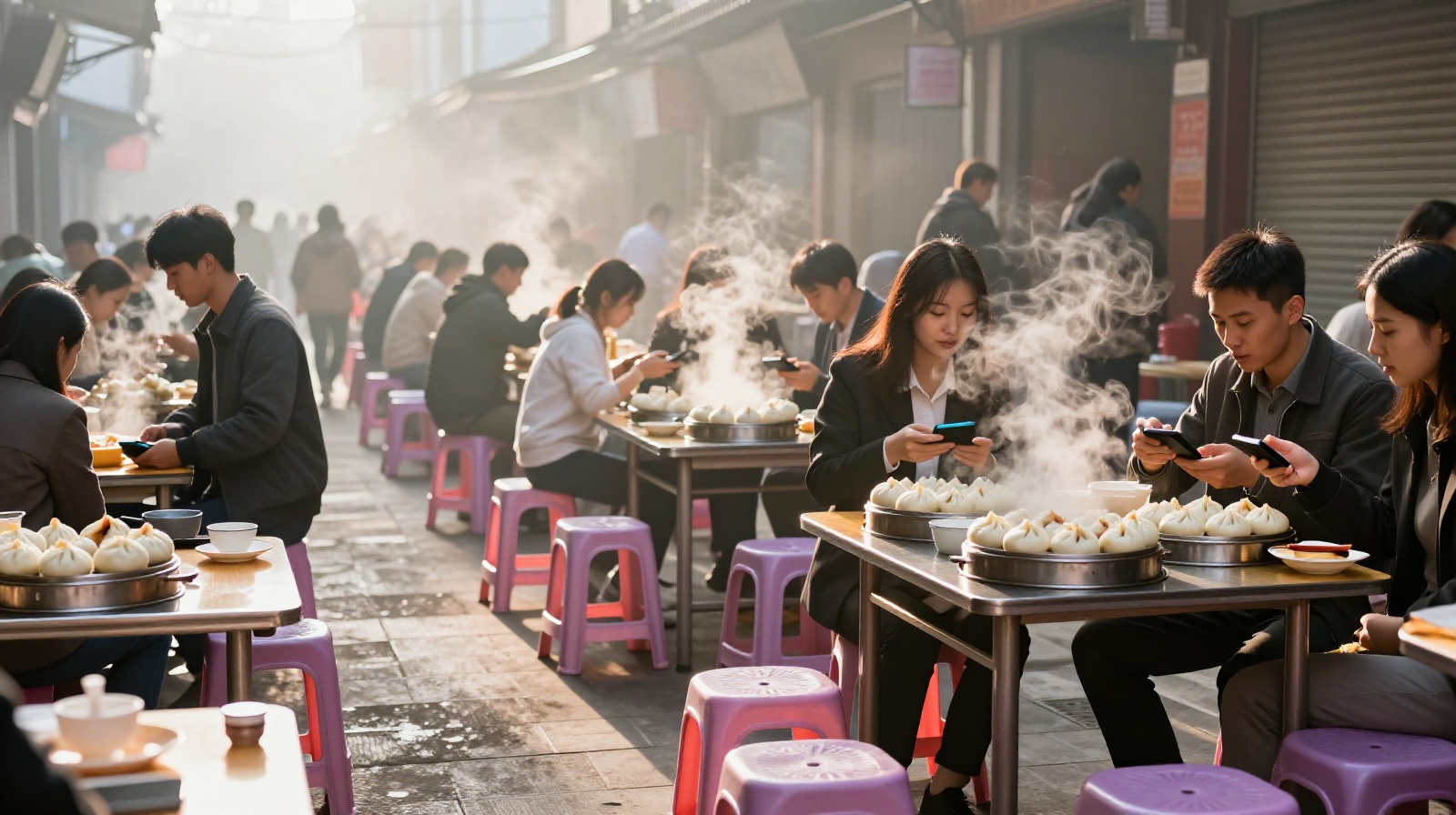
What makes this scene so striking to an outside observer is the efficiency. In London or New York, a quick breakfast often means grabbing a granola bar from a vending machine or rushing into a crowded café with a 20-minute wait. In Chengdu, Shanghai, and Beijing, the system works differently. A single street vendor can serve 300 to 500 customers before 8:00 AM. The transaction takes seconds. You scan a QR code on your phone, the machine prints a receipt, and your hot food is handed over in under a minute. There is no cash. There is no waiting for a table.
The Invisible Logistics Behind Your Meal
It is easy to assume that this speed relies on massive, impersonal factory kitchens. It doesn’t. The backbone of China’s breakfast revolution is actually small, family-run stalls that have evolved into high-tech nodes in a supply chain.
Take the famous “Da Baozi” (big steamed buns) found in almost every neighborhood. Ten years ago, these were simple dough balls made by hand. Today, while many are still handmade for taste, the logistics surrounding them are automated. Ingredients arrive via electric delivery vans at 4:00 AM. The flour is sourced from regional mills that use AI to predict demand based on weather and local events. If a typhoon is coming to Guangzhou, the system automatically adjusts grain shipments to nearby hubs before the rain even starts.
But the most surprising shift is in who eats what. In the past, breakfast was often a simple, repetitive meal for adults. Today, young people are driving a massive diversification of morning food choices. They aren’t just eating buns; they are ordering complex, balanced meals that combine protein, vegetables, and whole grains, all delivered to their office doorsteps via app.
From Street Stalls to Smart Vending
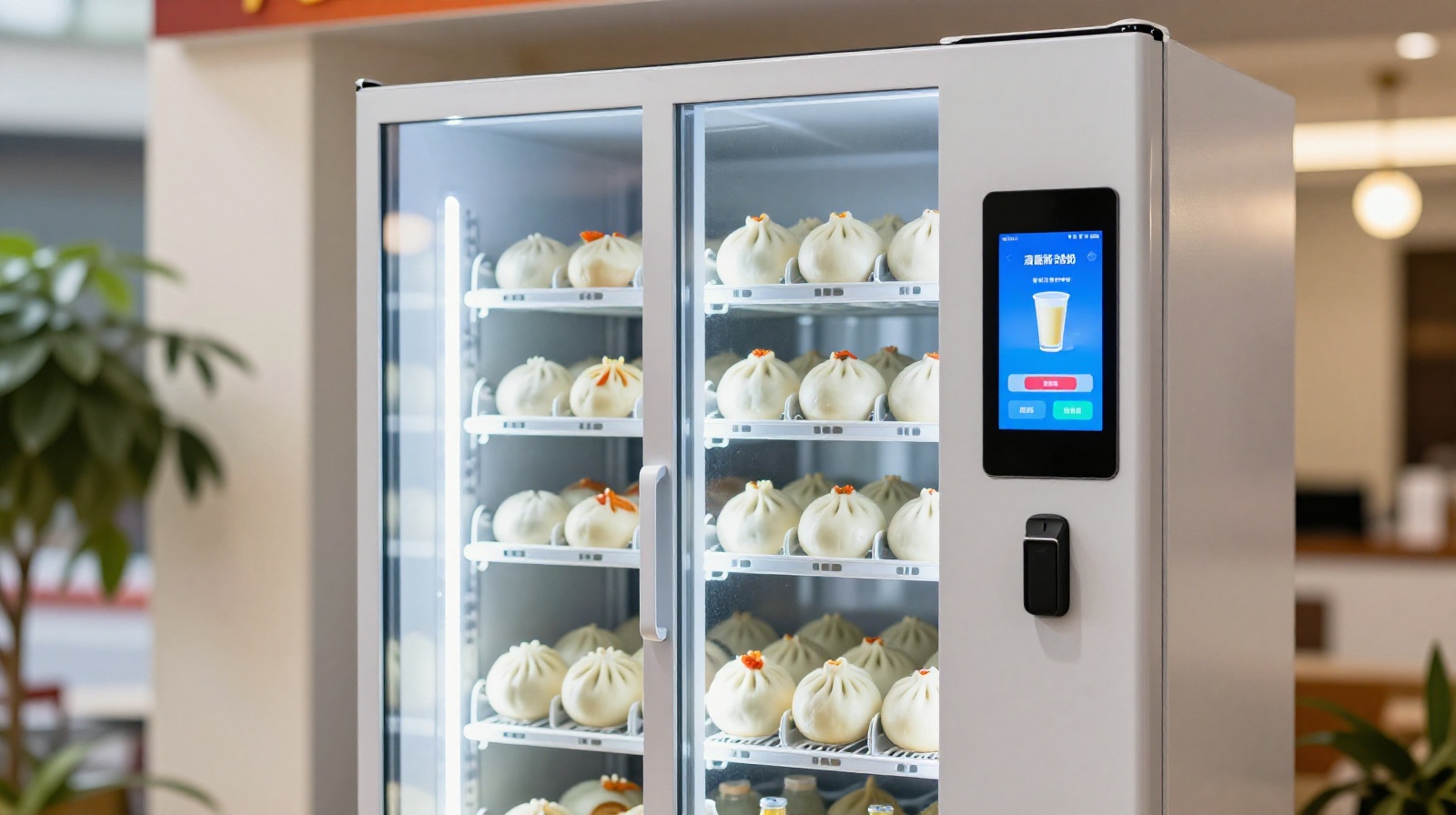
If you walk through a residential compound in Shenzhen or Hangzhou at 7:00 AM, you might not see a single human vendor. Instead, you will find rows of glass-fronted smart vending machines. These aren’t your typical soda dispensers.
Inside these machines, you can find freshly steamed buns, hot soy milk, and even boxed rice meals that were cooked in central kitchens just an hour ago. The technology behind this is simple but revolutionary: the food is pre-cooked, flash-frozen to lock in freshness, and reheated in seconds using microwave or steam modules inside the machine. For a commuter running late for a meeting, this is a game-changer.
This shift isn’t just about convenience; it reflects a deeper change in Chinese urban life. The pace of work has accelerated, and the traditional “home-cooked breakfast” is becoming harder to fit into a schedule that starts at 8:30 AM and ends after 7:00 PM. Smart vending bridges this gap, offering hot, hygienic food without the time investment of cooking or queuing.
The Social Texture of a Morning Meal
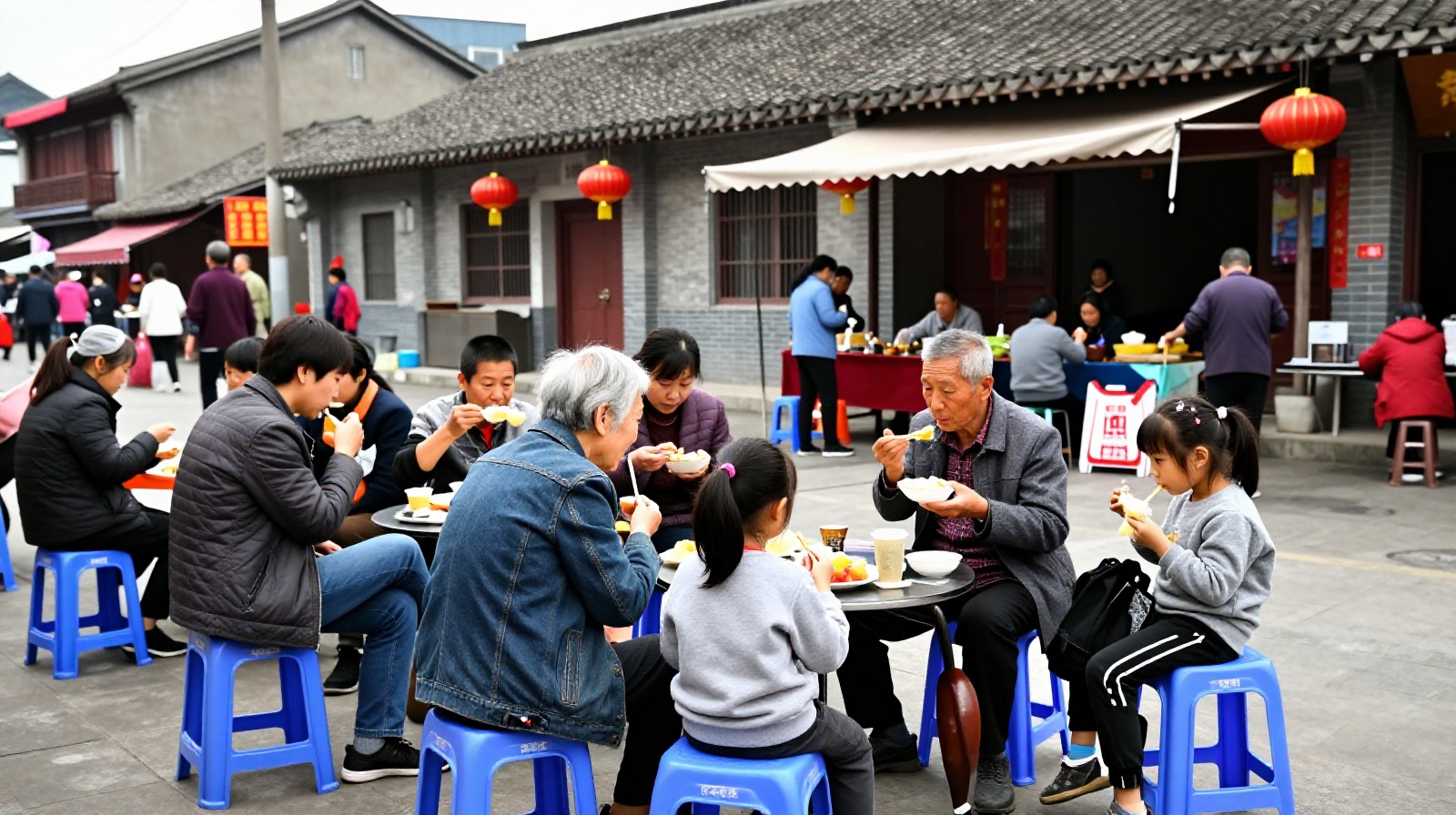
Despite the technology and speed, breakfast in China remains deeply social. In the morning markets of Xi’an or Guangzhou, you will see grandparents buying buns for their grandchildren, sharing tables with neighbors, and chatting about local news. The plastic stools are not just seats; they are community hubs.
The diversity is staggering. In the north, wheat-based dishes like noodles and mantou dominate, offering a hearty start to cold days. In the south, rice porridge (congee) and rice cakes are staples, often paired with savory pickles or fried eggs. Even within a single city like Wuhan, you can find dozens of distinct breakfast styles in one neighborhood.
For foreigners trying to understand modern China, the morning meal is the perfect entry point. It shows how tradition and technology coexist. You might be eating a steamed bun made with flour from a century-old recipe, while paying for it with a facial recognition scan or a smartphone app that tracks your caloric intake.
Why This Matters Beyond Food
The breakfast revolution is more than just about what people eat; it is a window into how China manages its massive urban population. The ability to feed millions of people quickly, hygienically, and affordably every single morning is a testament to the country’s infrastructure and supply chain capabilities.
It challenges the narrative that rapid modernization must erase local culture. In fact, the opposite is true. Technology has allowed regional breakfast traditions to survive and even thrive in ways they couldn’t have a decade ago. The steam rising from those baskets isn’t just heat; it’s the warmth of a society adapting to change without losing its soul.