

A Morning in Beijing: Then and Now
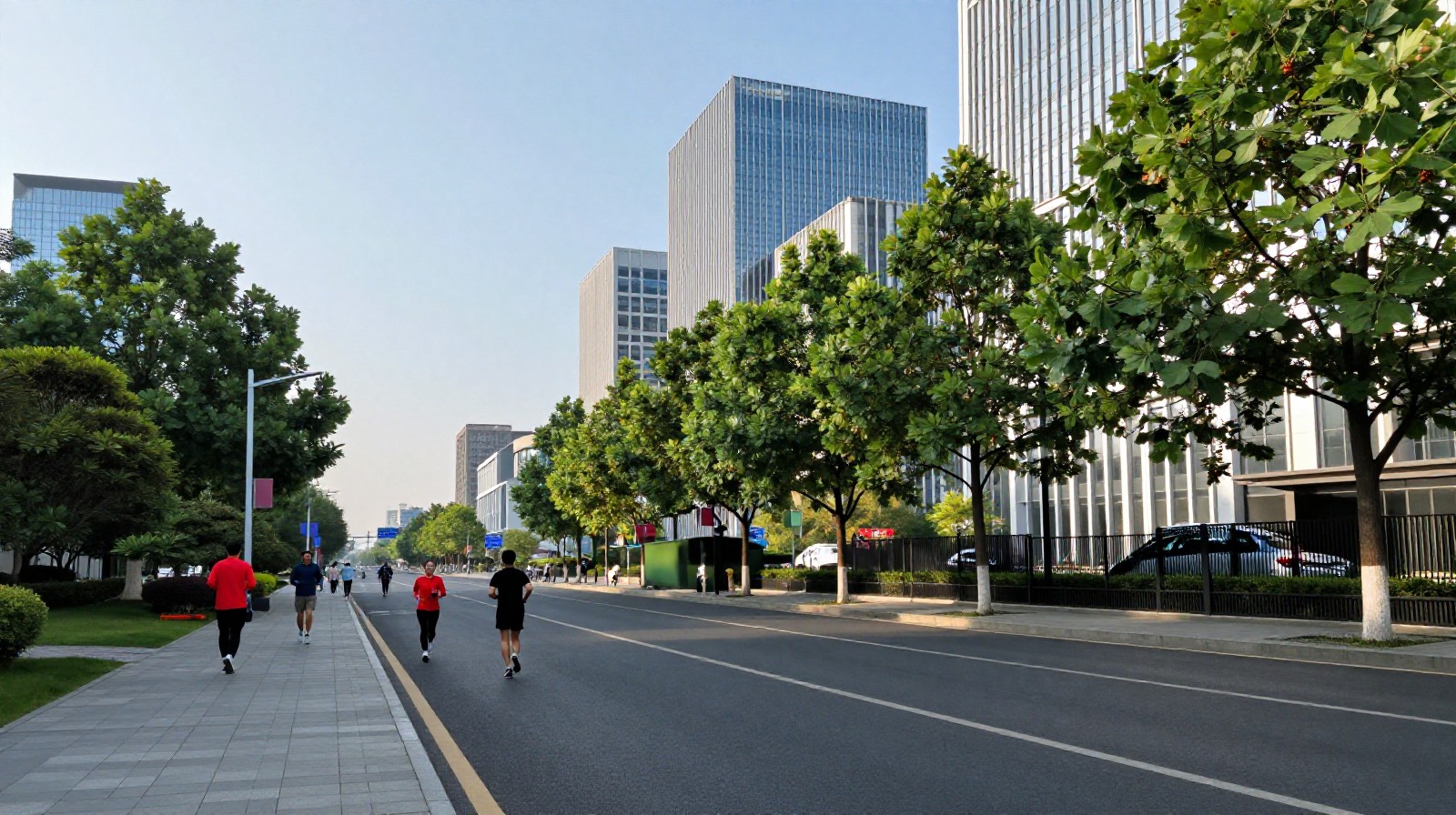
Li Wei, a primary school teacher, remembers the morning of October 2013 vividly. The sky was a thick, yellowish-gray. He had to check his child’s health app before leaving home just to decide if they could go outside for recess. “Back then,” he says now while standing on the same street corner in Haidian District, “we lived in fear of the air.”
Fast forward to a crisp autumn morning in 2024. The sun shines through clear blue skies. Li Wei’s daughter is playing soccer on the playground without a mask. This shift wasn’t magic. It was the result of a decade-long, aggressive push to clean up China’s air using technology that often gets overlooked.
The Technology Behind the Blue Skies
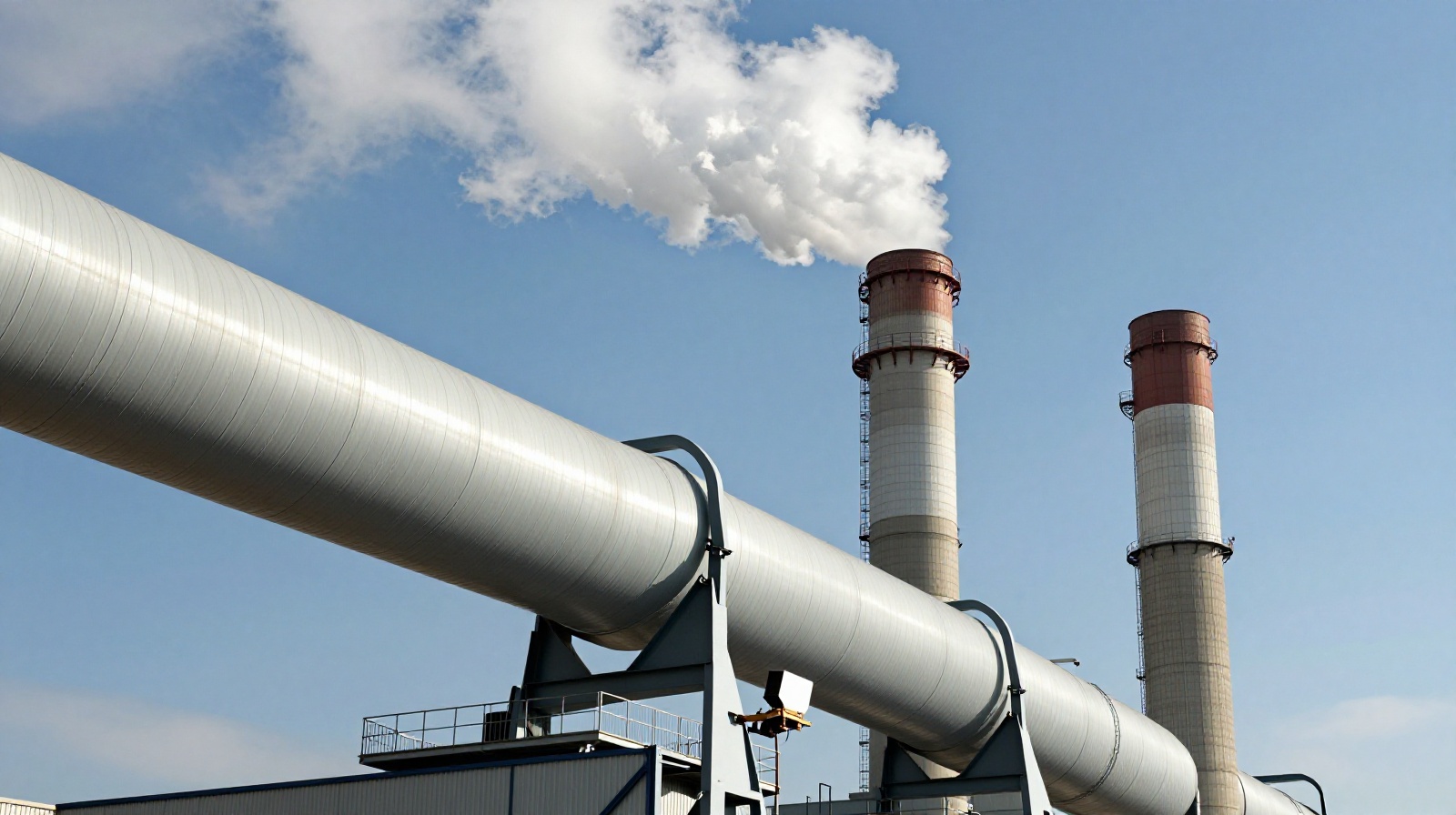
How did this happen? For years, heavy industry and coal-fired power plants were the main culprits. The solution wasn’t just closing factories; it was upgrading them with expensive but effective technology.
Imagine a giant vacuum cleaner installed on top of every smokestack. These are scrubbers. They spray water and chemicals into the exhaust to trap sulfur dioxide, nitrogen oxides, and soot before they escape into the atmosphere. In China, over 90% of thermal power plants now have these systems installed.
Another massive driver is the electric vehicle (EV) revolution. While Western markets often rely on organic market growth, China’s EV adoption was accelerated by government subsidies and a dense charging network. Today, in cities like Shanghai or Shenzhen, you can spot an electric bus every few minutes. It’s not just about cars; it’s about transforming the entire logistics chain.
Life on the Streets: A New Normal
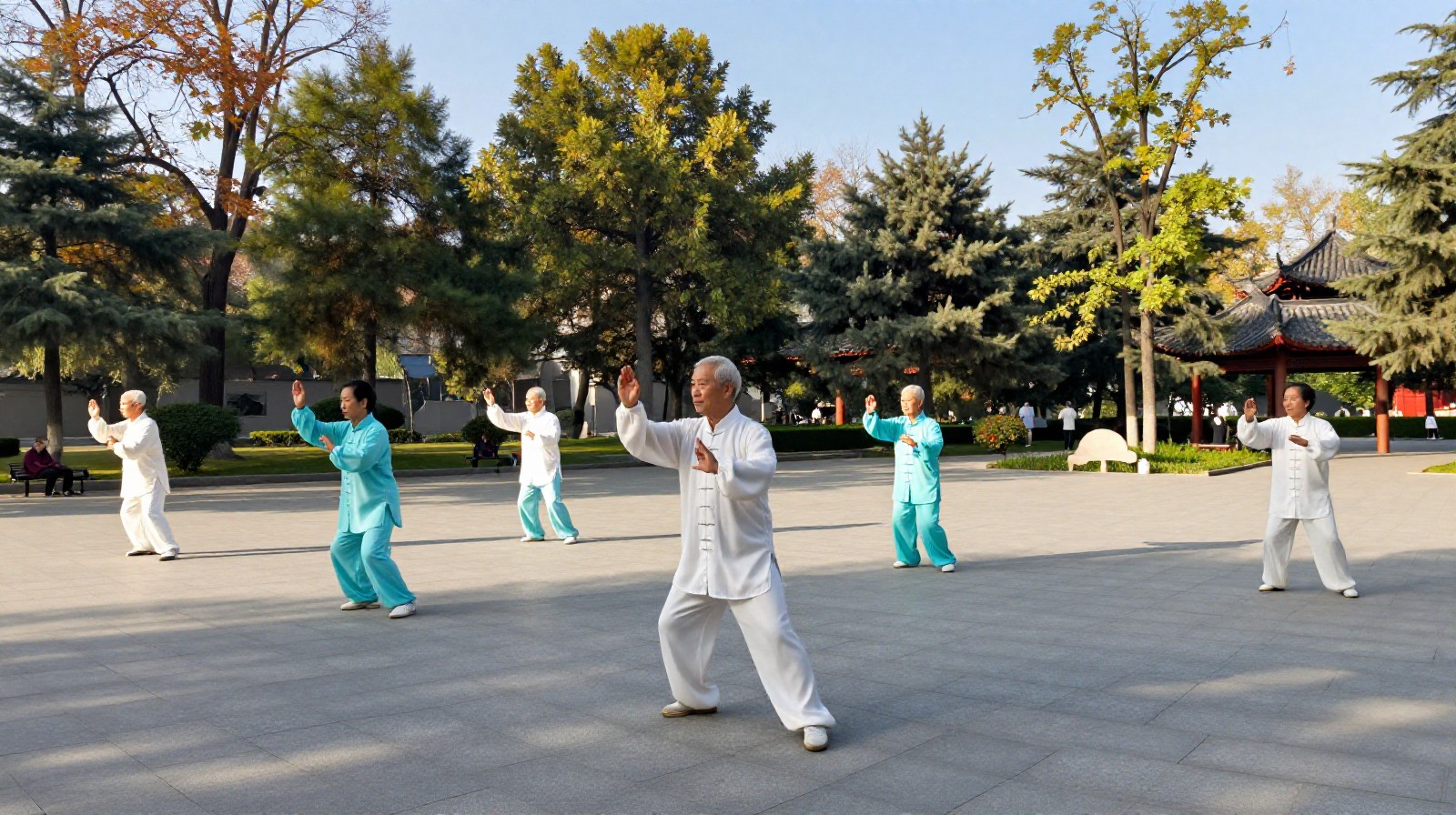
The impact of cleaner air is visible in the rhythm of daily life. In parks across Beijing, Shanghai, and Chengdu, you will see elderly people doing Tai Chi or jogging at dawn—activities that were rare or impossible during smog alerts a decade ago.
Parents no longer cancel playground visits because of “red alert” warnings. Air quality monitoring stations are now visible on street corners, displaying real-time data on smartphones and public screens. This transparency has changed how people perceive their environment. It’s no longer about guessing; it’s about knowing.
Beyond the Capital: Green Tech in Action
This transformation isn’t limited to Beijing. In Chengdu, a city once notorious for its foggy winters, new green corridors and strict emission controls have made the air significantly fresher. In Xi’an, the ancient capital, construction sites now use water cannons and dust nets to keep roads clean.
Even smaller cities are participating. Local governments in Henan and Hebei provinces are replacing coal boilers with natural gas or electric heating systems for residential areas. The goal is simple: reduce pollution at the source while maintaining economic growth.
The Human Cost and Future Challenges
This transition hasn’t been without pain. Thousands of workers in coal mines and small, unregulated factories faced job losses as industries restructured. Some communities had to relocate due to stricter zoning laws. The government has invested billions in retraining programs, but the human story remains complex.
Looking ahead, the challenge shifts from “cleaning up” to “sustaining.” As China moves toward carbon neutrality by 2060, the focus is now on renewable energy integration and smart grid technology. The blue skies of today are a victory, but they require constant vigilance and innovation.
For ordinary citizens like Li Wei, the result speaks for itself. They can breathe easier, see further, and live with less anxiety about the air around them. It is a quiet revolution that has changed the very rhythm of Chinese life.