

The End of the ‘Must-Buy’ Era
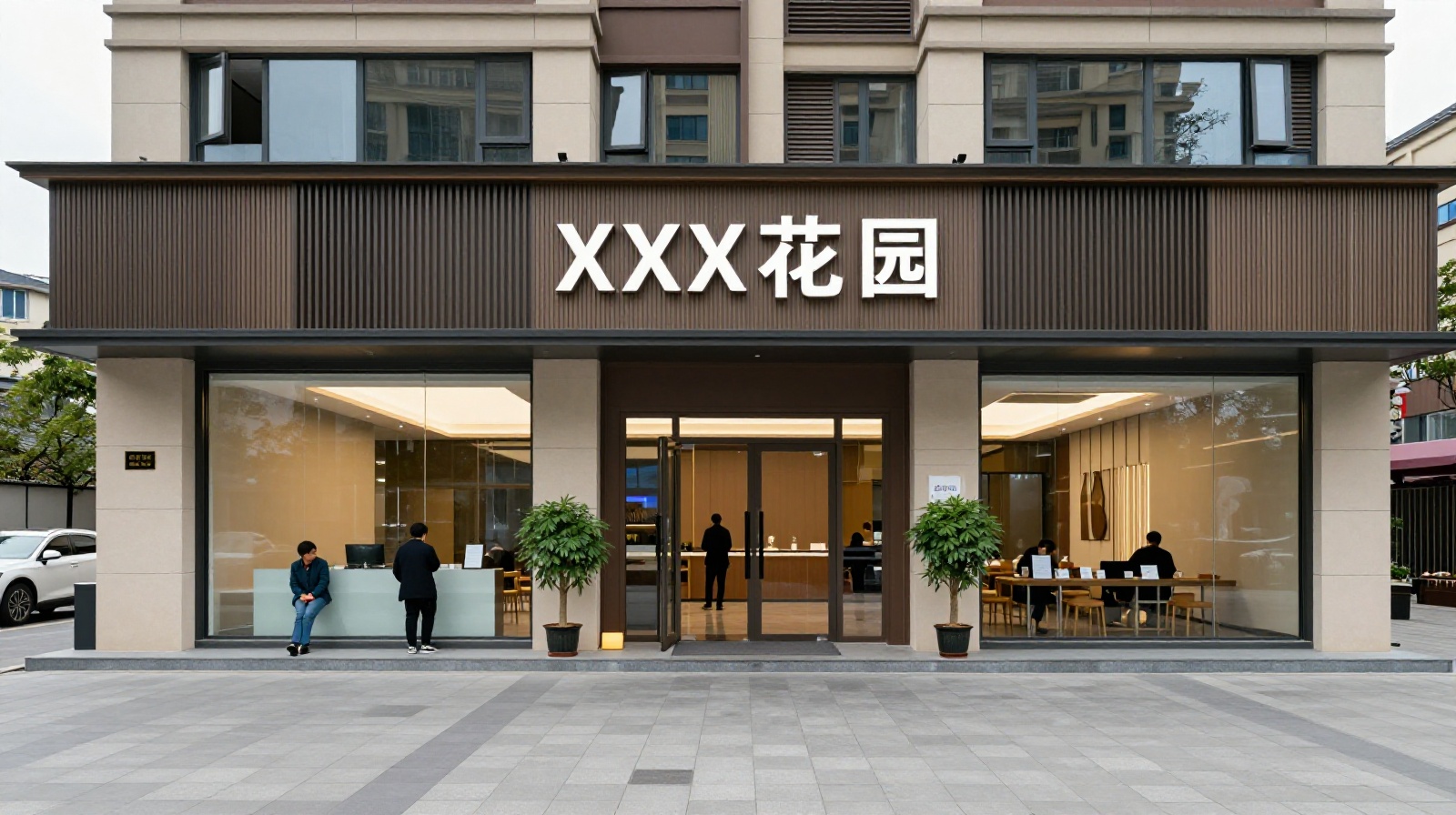
Three years ago, Li Wei stood in a crowded sales center in Chengdu. He was one of hundreds waiting to buy a new apartment, convinced that prices would only go up. “Everyone told me: if you don’t buy now, you’ll never afford it later,” he recalls. The atmosphere was electric, driven by the belief that real estate was the safest investment possible.
Today, Li Wei has not bought anything. The sales center is quiet, with fewer than a dozen visitors on weekends. He works in tech, earns a decent salary, but his mindset has shifted completely. “I used to feel anxious if I didn’t own property,” he says. “Now, I’m saving more and thinking about travel. Renting feels stable enough for me.”
A Cultural Shift: From Obligation to Option
For most of the last twenty years, buying a home in China wasn’t just an economic decision; it was a social prerequisite. It was tied to marriage prospects, children’s school enrollment, and even family status. The belief that “housing prices never fall” became a self-fulfilling prophecy for millions.
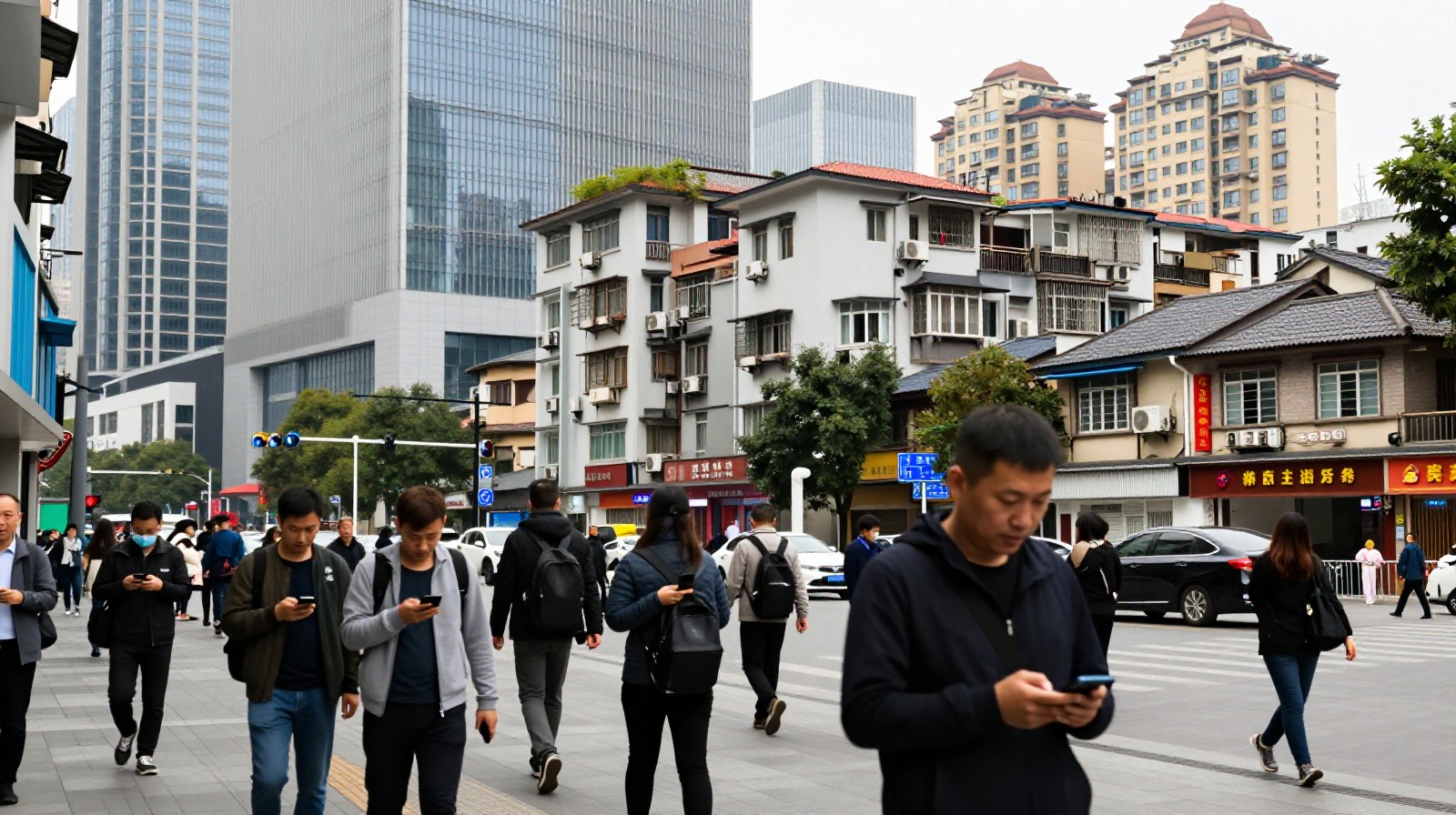
That era is ending. According to data from the National Bureau of Statistics, housing transactions in major cities have dropped significantly since 2021. Prices have corrected in many second and third-tier cities, while growth has stalled in top-tier hubs like Beijing and Shanghai.
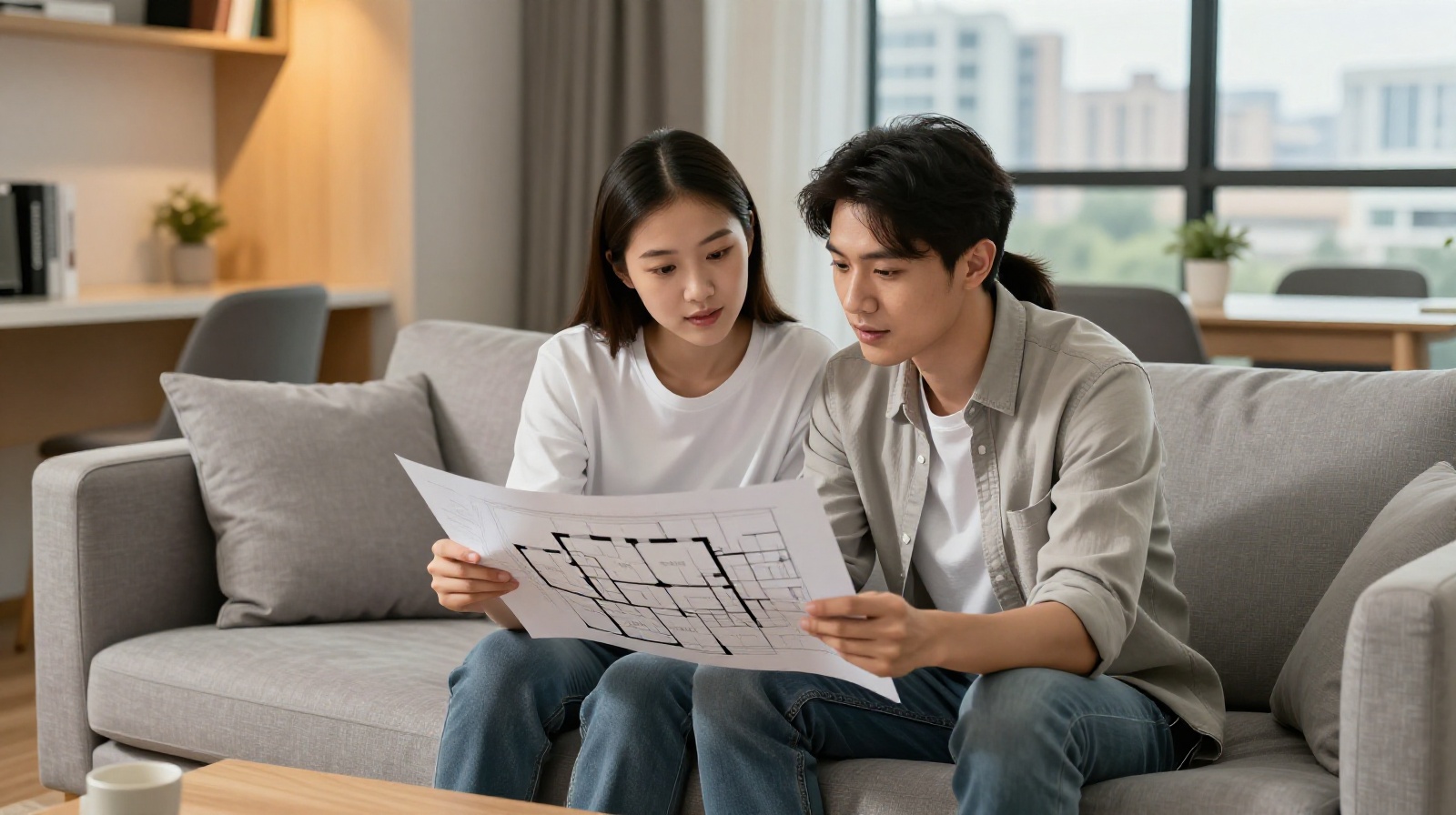
This isn’t just a market correction; it’s a psychological one. Young people are no longer rushing to take on massive debt at age 25. Instead, they are questioning the trade-off: Is the stress of a 30-year mortgage worth living in a concrete box far from where they want to be?
How Families Are Adapting
The change is visible in daily life. In Shanghai’s older neighborhoods, landlords report that tenants are staying longer and asking for more flexible contracts. The “landlord-tenant” relationship is becoming less transactional and more community-oriented.
Many families are also changing their location strategy. Instead of stretching finances to buy in expensive city centers, young couples are looking at satellite towns or smaller cities with better quality of life. In Hefei, a rising tech hub, developers are building more mid-sized units that balance cost and space.
“We moved from Shanghai to Suzhou,” explains Sarah, a 29-year-old graphic designer. “The commute is longer, but we can afford a bigger apartment and save for our future children’s education without the crushing weight of debt.”
The Ripple Effect on Spending
When people stop pouring their savings into property, that money goes somewhere else. In 2023 and 2024, domestic tourism saw a surge. People who might have saved for a down payment are now spending on experiences.
Data shows a rise in travel bookings to destinations like Yunnan and Guizhou. Restaurants, cultural festivals, and fitness clubs are seeing more customers as discretionary income is redirected away from mortgages. The “consumption upgrade” is no longer about buying bigger houses; it’s about living better in the present.
The Government’s New Role
Recognizing these shifts, Beijing has pivoted its housing policy. The focus is moving from stimulating sales to ensuring “housing for residence.” This means expanding public rental housing and affordable units for young people and low-income families.
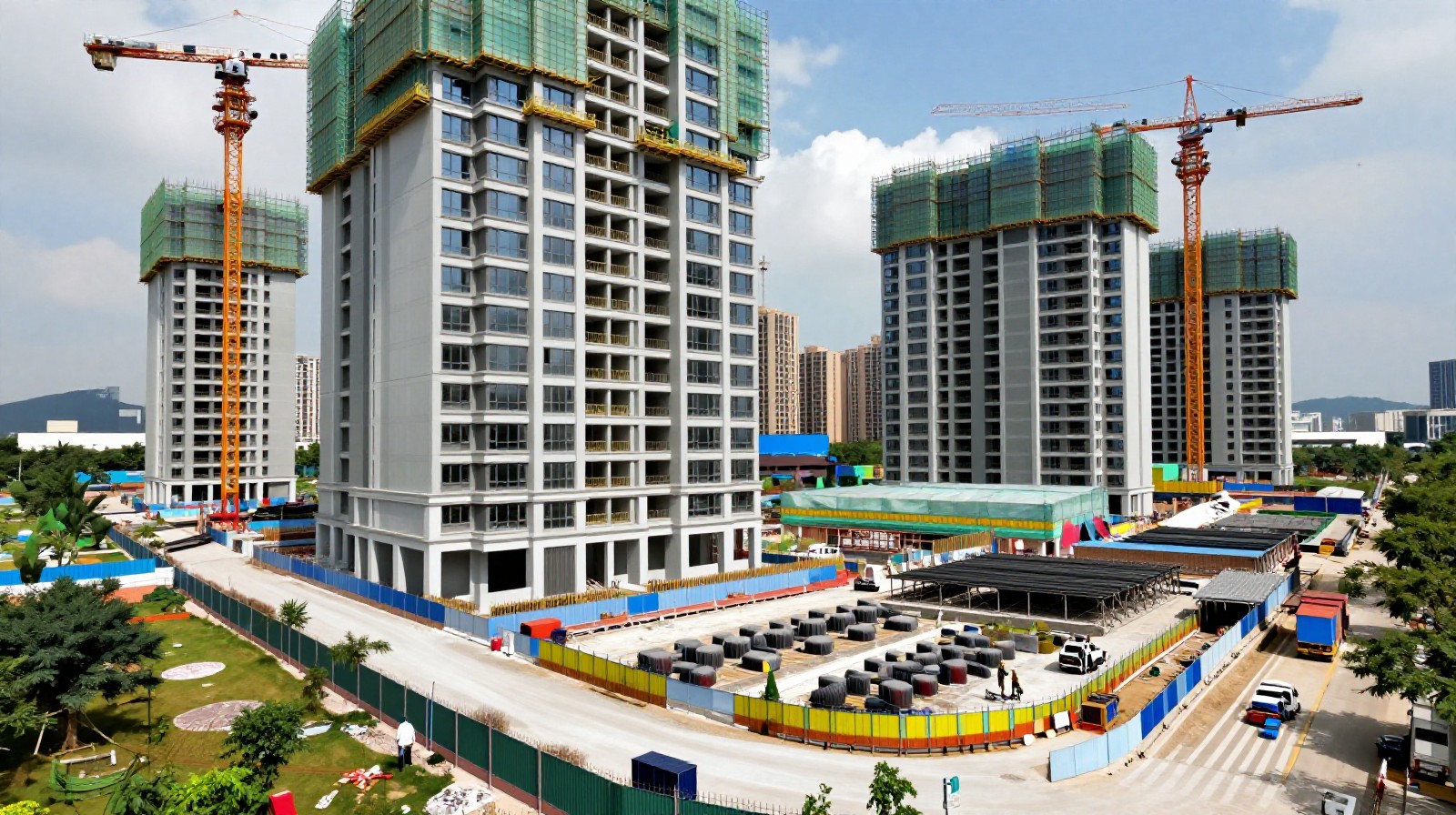
In Shenzhen, new government-subsidized apartments are being built with strict price caps. These homes offer a lifeline for those priced out of the commercial market but still unable to buy traditional property. The goal is not to make everyone an owner, but to ensure everyone has a safe, affordable place to live.
What Comes Next?
The “home-buying dream” in China is evolving, not disappearing. It is shifting from a frantic race for ownership to a more nuanced search for stability and quality of life. For the first time in decades, renting is seen as a valid, even preferred, lifestyle choice.
Li Wei, still living in Chengdu, has finally booked a trip to Europe for next year. “I used to think I needed a house before I could travel,” he says with a smile. “Now I realize I can do both, just differently.”