

The Silence of the Assembly Line
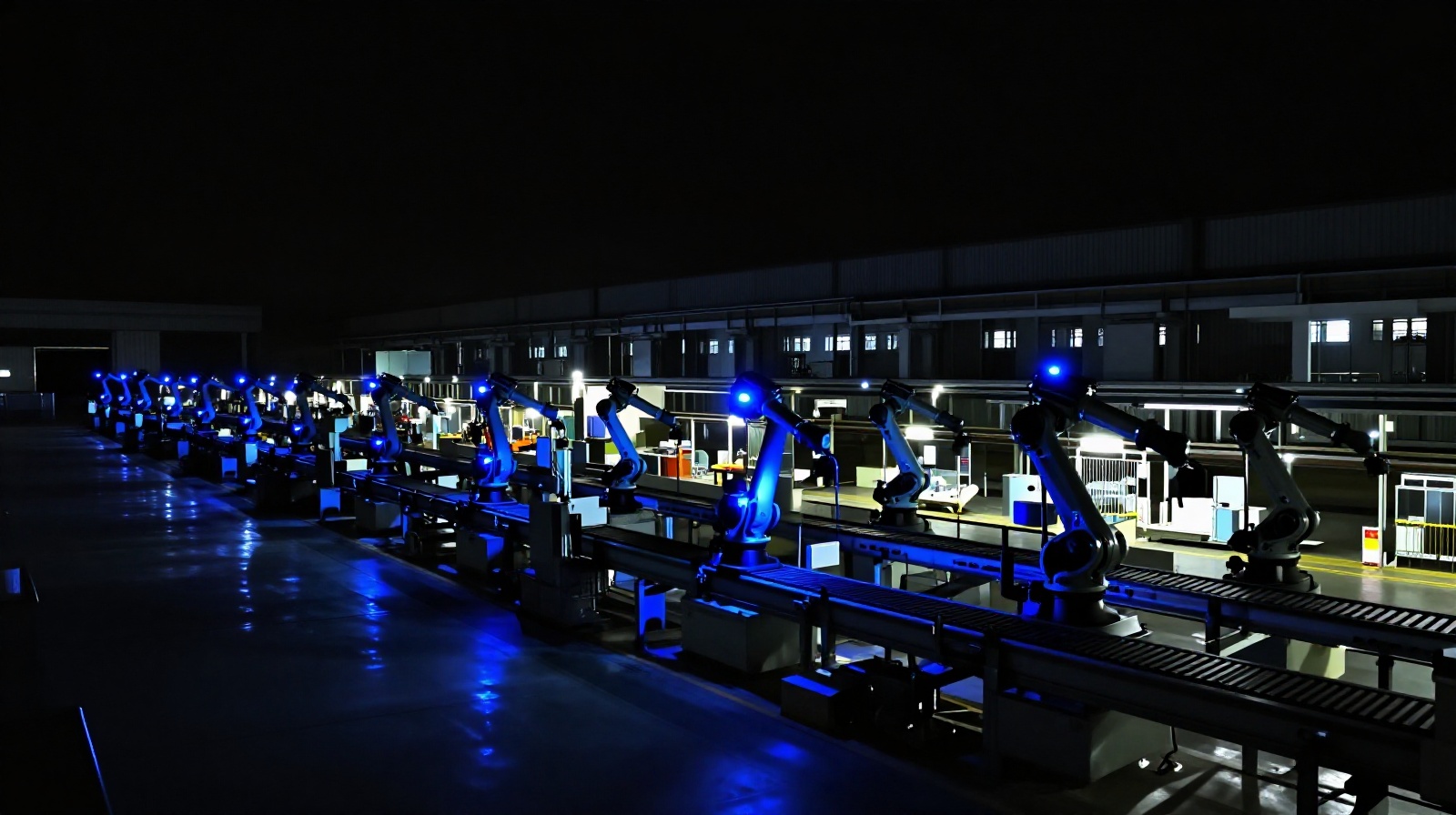
Imagine walking into a massive manufacturing plant at night. In many parts of the world, you’d expect to hear the roar of machines, see flickering fluorescent lights, and spot workers moving between stations. But here, in a factory near Suzhou, China, it is pitch black. There are no overhead lamps illuminating rows of conveyor belts. The only sound is the soft hum of servos and the occasional beep of a sensor.
Yet, thousands of high-precision components are being produced every hour. This is what Chinese engineers call a “Lights-Out” factory—or in Chinese, *Hei Deng* (黑灯) workshop. It sounds like science fiction, but it is a daily reality for millions of workers and the backbone of modern supply chains.
Where Did the Workers Go?
The first question from Western observers is almost always the same: “If no one is there to operate the machines, where are the human jobs?” The answer isn’t a dystopian replacement of people by robots, but a pragmatic response to shifting demographics.
China’s working-age population has peaked and begun to shrink. Younger generations are less willing to take on repetitive, physically demanding factory shifts compared to their parents. To keep production running without relying on a shrinking workforce, companies have turned to automation. It’s not about firing people out of spite; it’s about survival.
Take Li Wei, a former machine operator in his late 30s. Five years ago, he spent 12 hours a day standing next to a stamping press, checking for defects with a flashlight. Today, Li sits in a climate-controlled office three kilometers away. He monitors the same production line on a large digital screen, looking at heat maps and real-time data streams. If a robot arm deviates by a fraction of a millimeter, his phone alerts him instantly.
“I don’t touch the metal anymore,” Li says, sipping coffee. “My job is now to manage the robots, not be a second pair of hands for them.” His role has shifted from manual labor to technical oversight, a trend seen across the country’s industrial zones.

How the Magic Happens
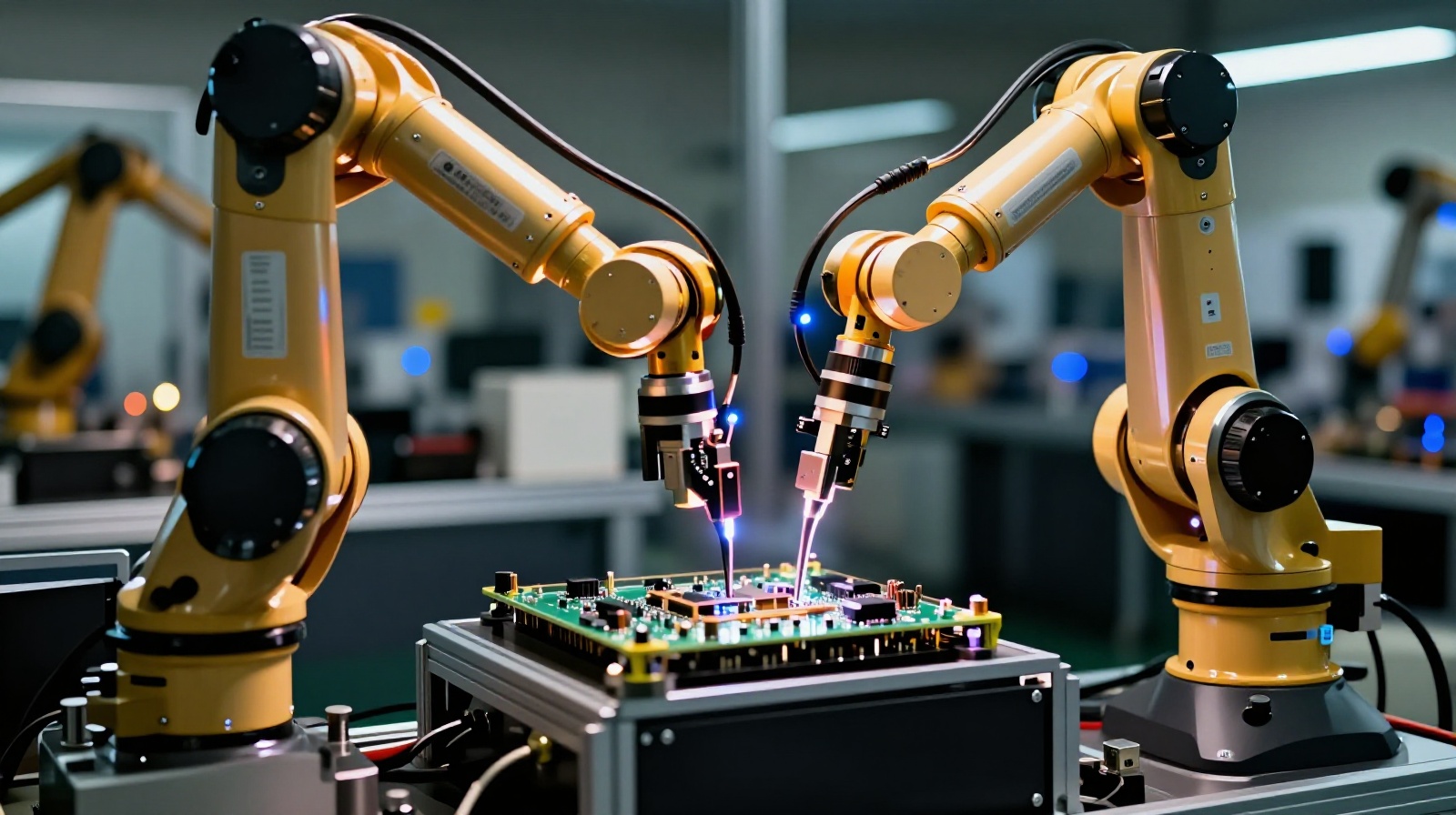
So, how does a factory work in total darkness? The key is that the machines don’t need human eyes; they have their own. In these facilities, AI-driven robots handle everything from picking parts to assembling complex devices.
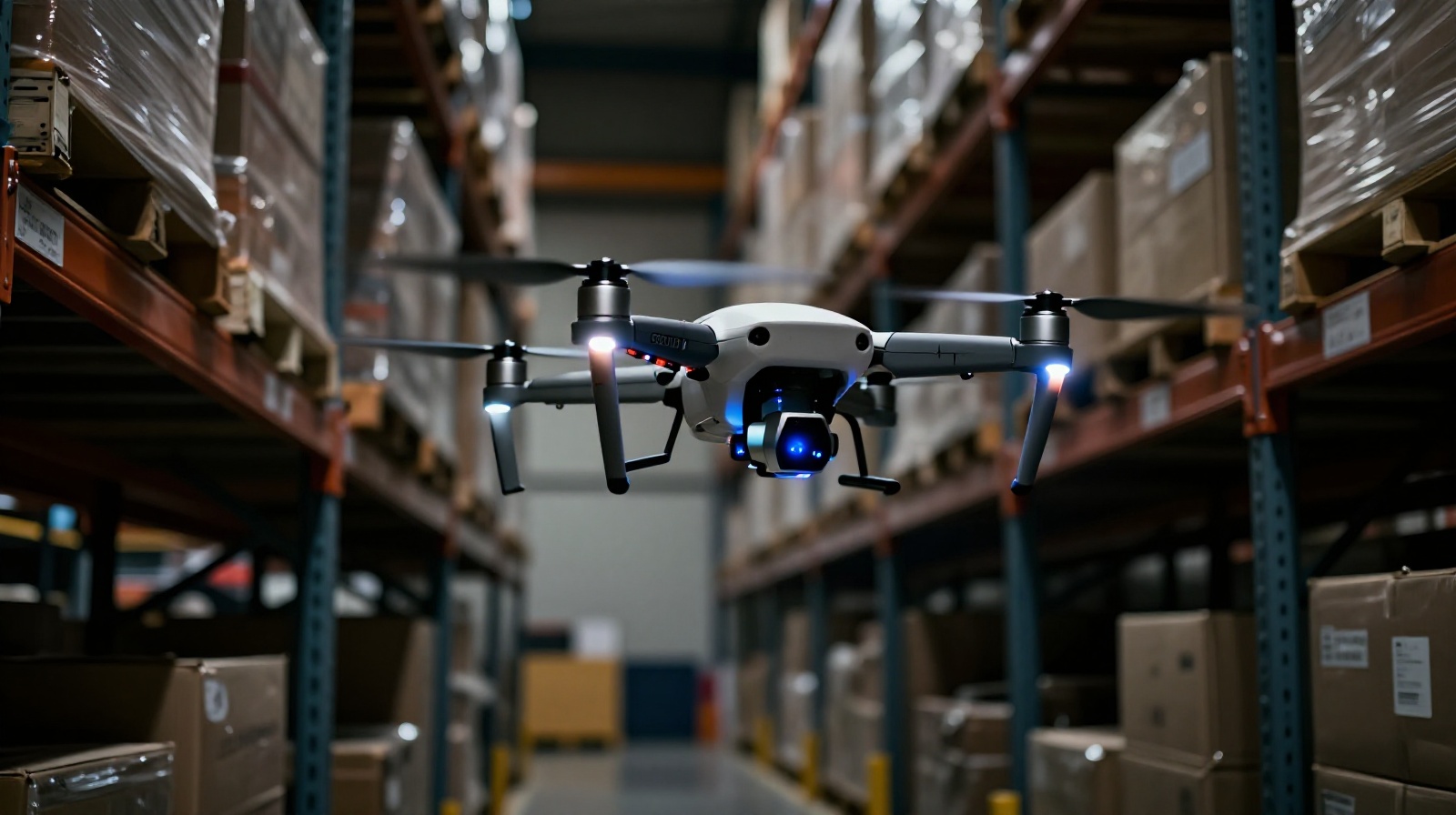
Think of it like a high-tech kitchen with no chefs. Instead of humans chopping vegetables and stirring pots, robotic arms move with surgical precision, guided by computer vision systems that see better than the human eye in low light or total darkness. Drones fly autonomously through the aisles to inspect inventory, while smart logistics systems automatically transport finished goods to storage bins.
Sensors embedded in every machine collect data on temperature, vibration, and pressure. An AI algorithm analyzes this data in milliseconds, predicting when a part might fail before it actually breaks. This predictive maintenance prevents costly downtime, ensuring the “dark” factory runs smoother than any brightly lit counterpart.
The Real Cost: Skills, Not Just Machines
This isn’t an easy transition. The initial investment for a Lights-Out factory is staggering—often running into millions of dollars. Furthermore, the workforce needs to evolve. You can’t just train a human to be a better operator; you need to teach them to become a robot manager.
There are concerns about unemployment in traditional sectors, and they are valid. However, the narrative isn’t simply “robots taking jobs.” It is more accurate to say that “jobs are changing.” The demand for low-skilled manual labor is dropping, while the demand for data analysts, robotics technicians, and system integrators is skyrocketing.
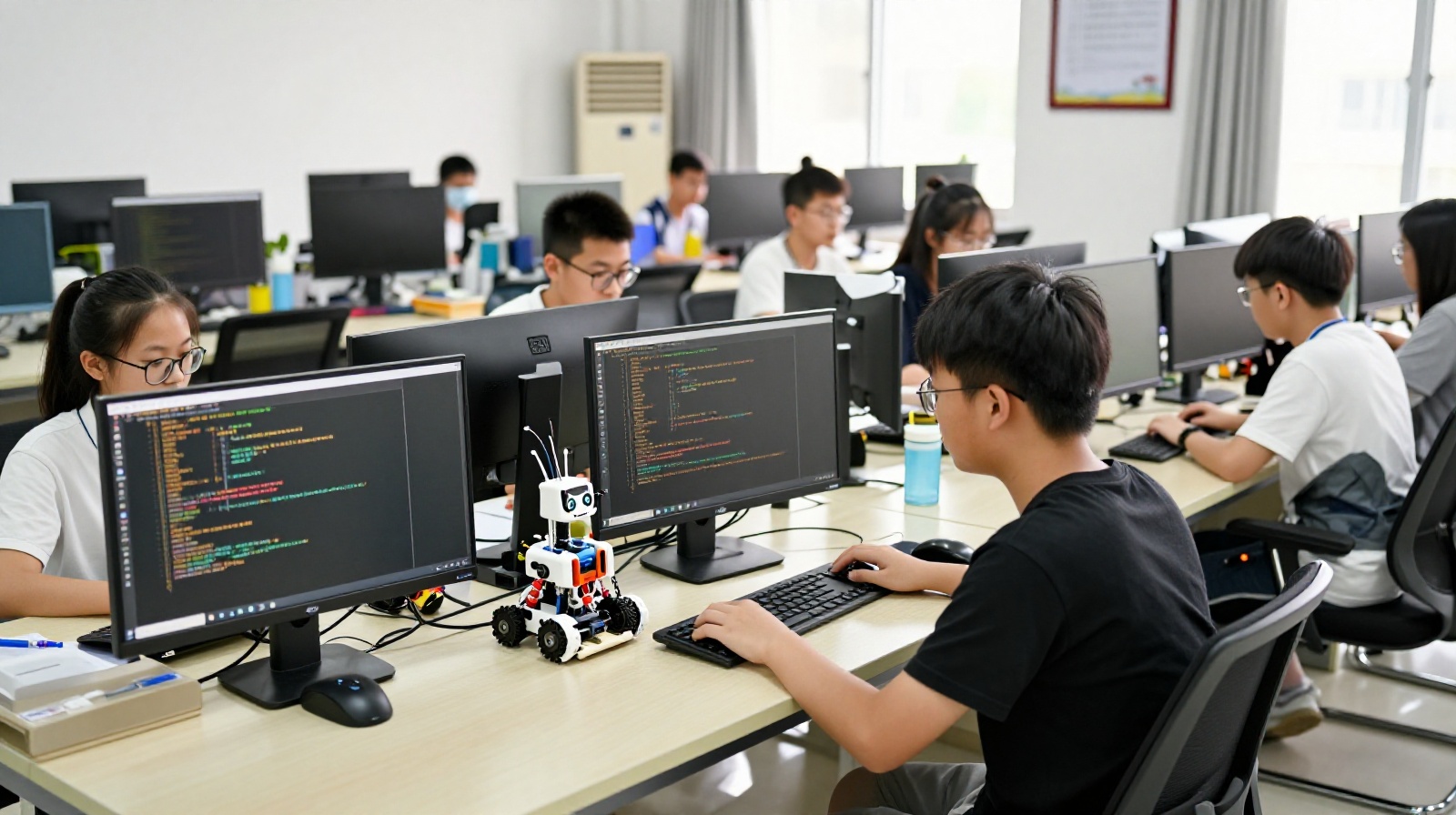
Training programs in Chinese technical colleges are rapidly adapting. Students who once learned how to solder circuits by hand are now learning Python code and machine vision logic. It’s a painful but necessary evolution, driven by the need to stay competitive in a global market where efficiency is king.
A Quiet Revolution
The Lights-Out factory represents more than just cool technology; it signals a fundamental shift in how China manufactures the world’s goods. It solves the immediate crisis of labor shortage while pushing the industry toward higher value-added production.
For global consumers, this means products are likely to be more consistent, delivered faster, and potentially cheaper as waste decreases. For the Chinese worker, it means a future where work is less about physical endurance and more about cognitive oversight.
The darkness in the factory isn’t a lack of light; it’s a sign that the industry has moved beyond the need for human eyes to see the work being done. As this technology spreads from electronics to automotive and green energy sectors, the “quiet revolution” in Chinese manufacturing is just getting started.