


The Morning Routine
At 7:00 AM in Chengdu, Li Wei sets up his breakfast stall. His hands are busy kneading dough when a customer approaches—a young office worker rushing to the subway. There is no exchange of paper bills or coins. The customer opens their phone, scans a QR code on Li’s counter, and the transaction completes instantly.
Li checks his app. A notification pops up: “+20 Yuan received.” In China, this scene plays out millions of times a day. For many foreigners, it looks like cash is dead. But if you walk a few blocks away to an old neighborhood or head to the countryside, you’ll see a different reality.
The Myth of the Cashless Society
It’s easy to assume that China has abandoned paper money entirely. WeChat Pay and Alipay dominate cities like Shanghai and Shenzhen, making transactions seamless for tourists and locals alike.
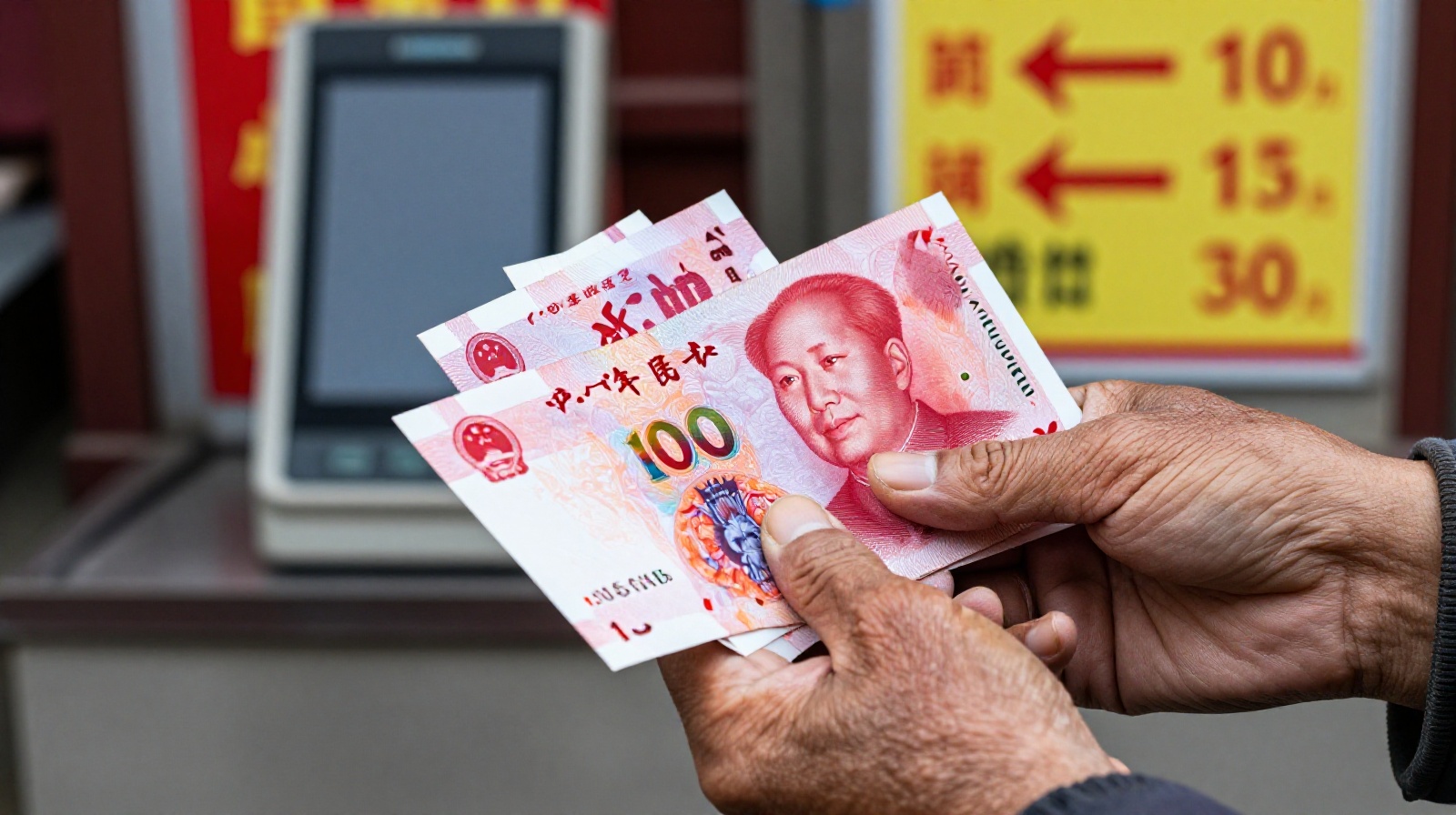
However, cash is far from obsolete. In rural villages in Guizhou or the bustling markets of Xi’an, many elderly residents still prefer physical bills. They don’t trust apps; they want to hold money they can feel.

Recent data suggests that while digital payments account for over 50% of all retail transactions in urban centers, cash circulation remains significant, especially for small denominations and among the unbanked population. The narrative isn’t “cash is dead,” but rather “digital is dominant.” Yet, a new player has entered the arena: the Digital Yuan.
Beyond Convenience: Enter e-CNY
WeChat Pay and Alipay are convenient, but they rely on commercial banks for settlement. If those companies face technical issues or regulatory changes, your money could be stuck in limbo. The Digital Yuan (e-CNY), issued by the People’s Bank of China, is different.
It is a direct liability of the central bank—essentially digital cash that functions like physical coins and notes but lives on your phone. Its key advantages are unique:
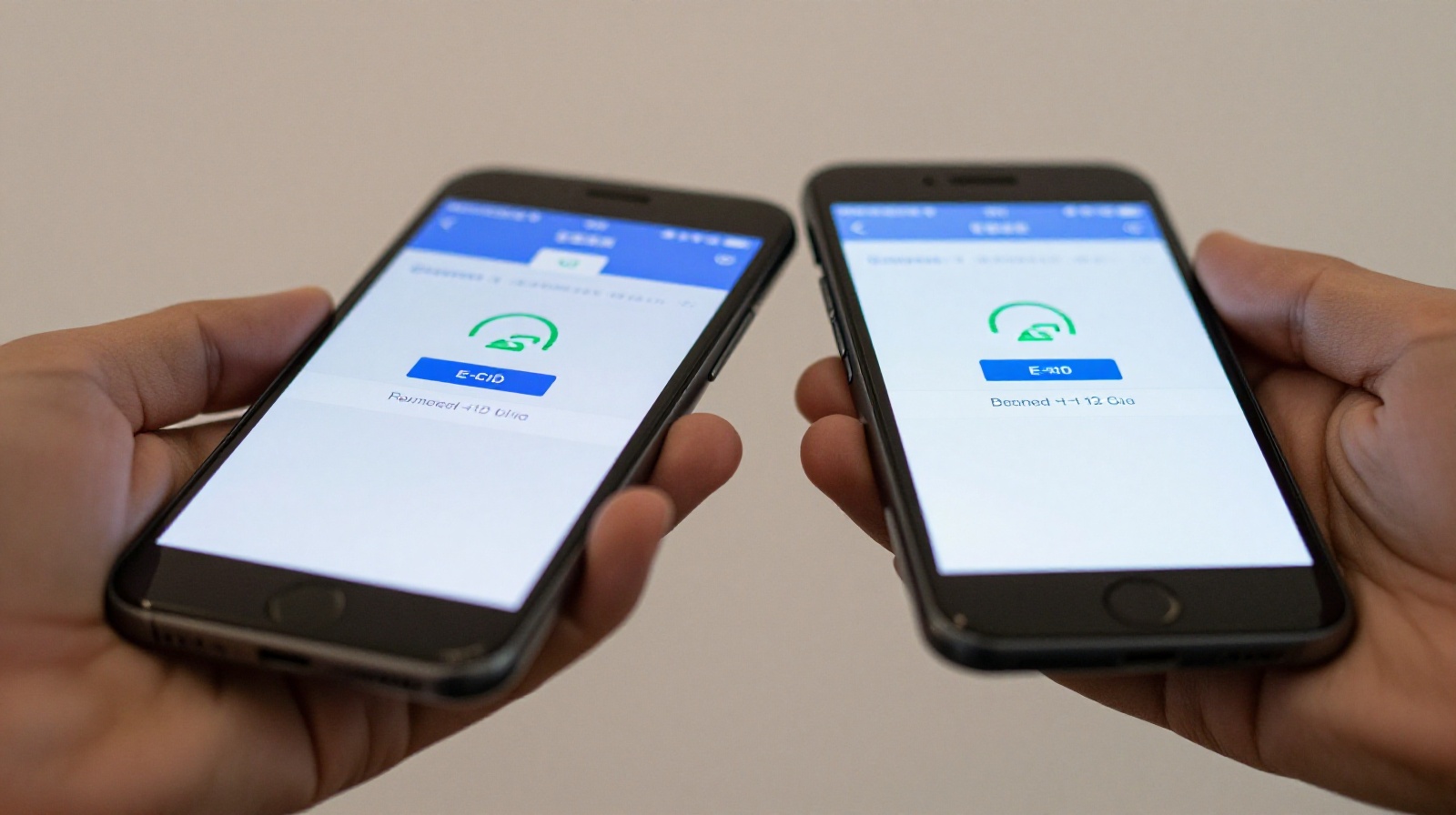
- Offline Capability: You can tap two phones together to transfer money even without an internet connection or signal.
- Privacy: Unlike commercial apps that track every purchase for advertising, e-CNY offers a “controlled anonymity” designed to prevent surveillance while maintaining security against illicit activities.
- Inclusivity: It works on basic feature phones with near-field communication (NFC) chips, meaning no smartphone is required.
Life on the Ground
Consider Xiao Ming, a construction worker who travels from Henan to Beijing. He doesn’t have a traditional bank account in the city. In the past, he waited for his boss to hand out cash envelopes at the end of the month.
Now, he uses the e-CNY app. His employer deposits his wages directly into his digital wallet via a QR code. He can send money home to his family instantly using the “remittance” feature, avoiding high transfer fees. Even better, if the subway network goes down or the internet fails during rush hour, Xiao Ming can still pay for a meal by tapping his phone against a reader.
This flexibility is why the government pushes e-CNY: it’s not just about efficiency; it’s about financial inclusion and resilience.

The Future Outlook
So, will physical money disappear? Probably not anytime soon. Cash remains a critical safety net for emergencies, power outages, and those who prefer tangible assets.
The future of Chinese finance is likely a hybrid system. Physical cash will become a niche choice, preserved for specific needs, while the Digital Yuan serves as the robust, everyday backbone of the economy alongside existing apps like WeChat Pay.
For the average person in China, money isn’t disappearing; it’s evolving. The paper bill is no longer the only way to pay, but it hasn’t been erased from history yet.