

Beyond the Tourist Map
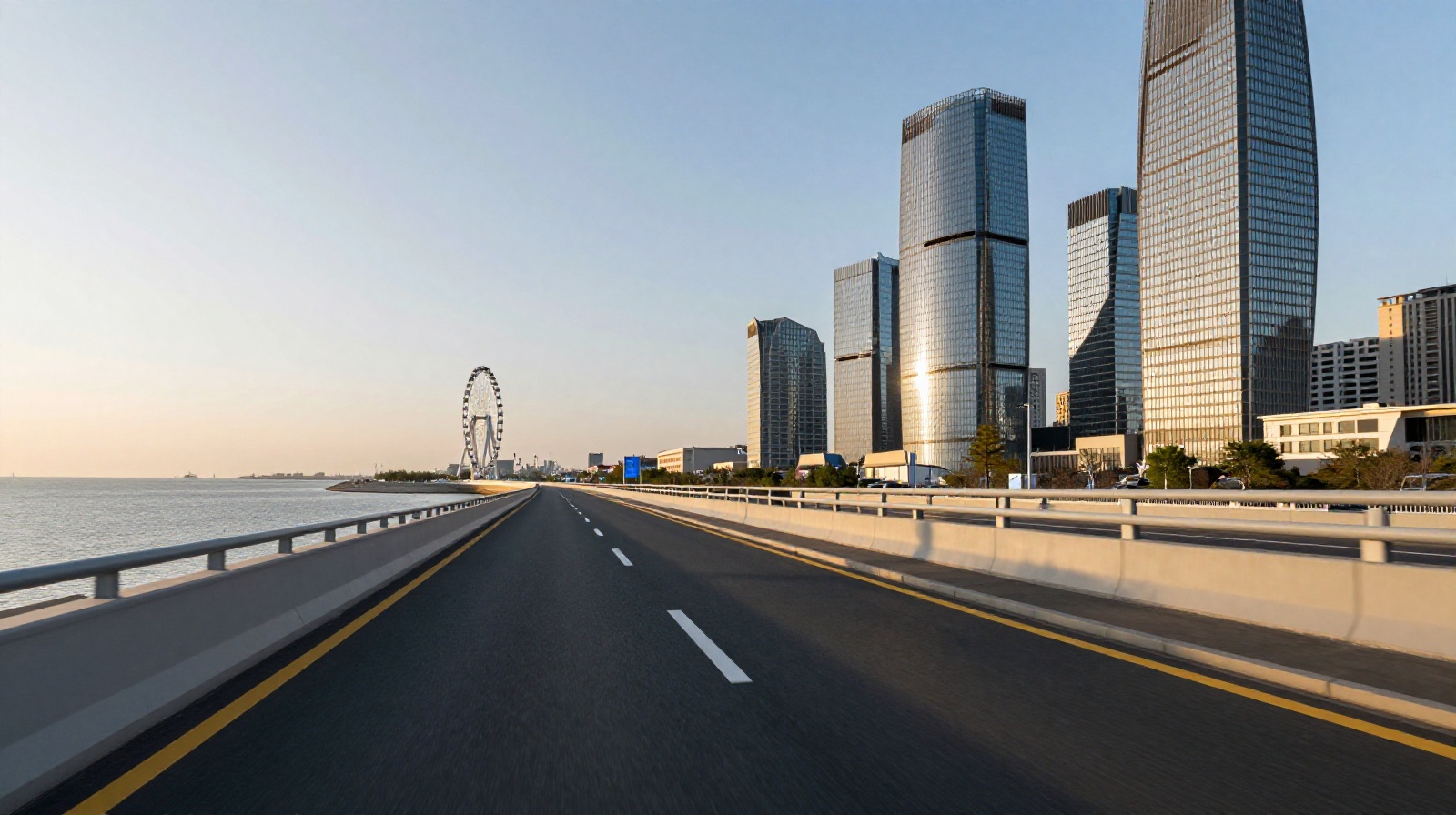
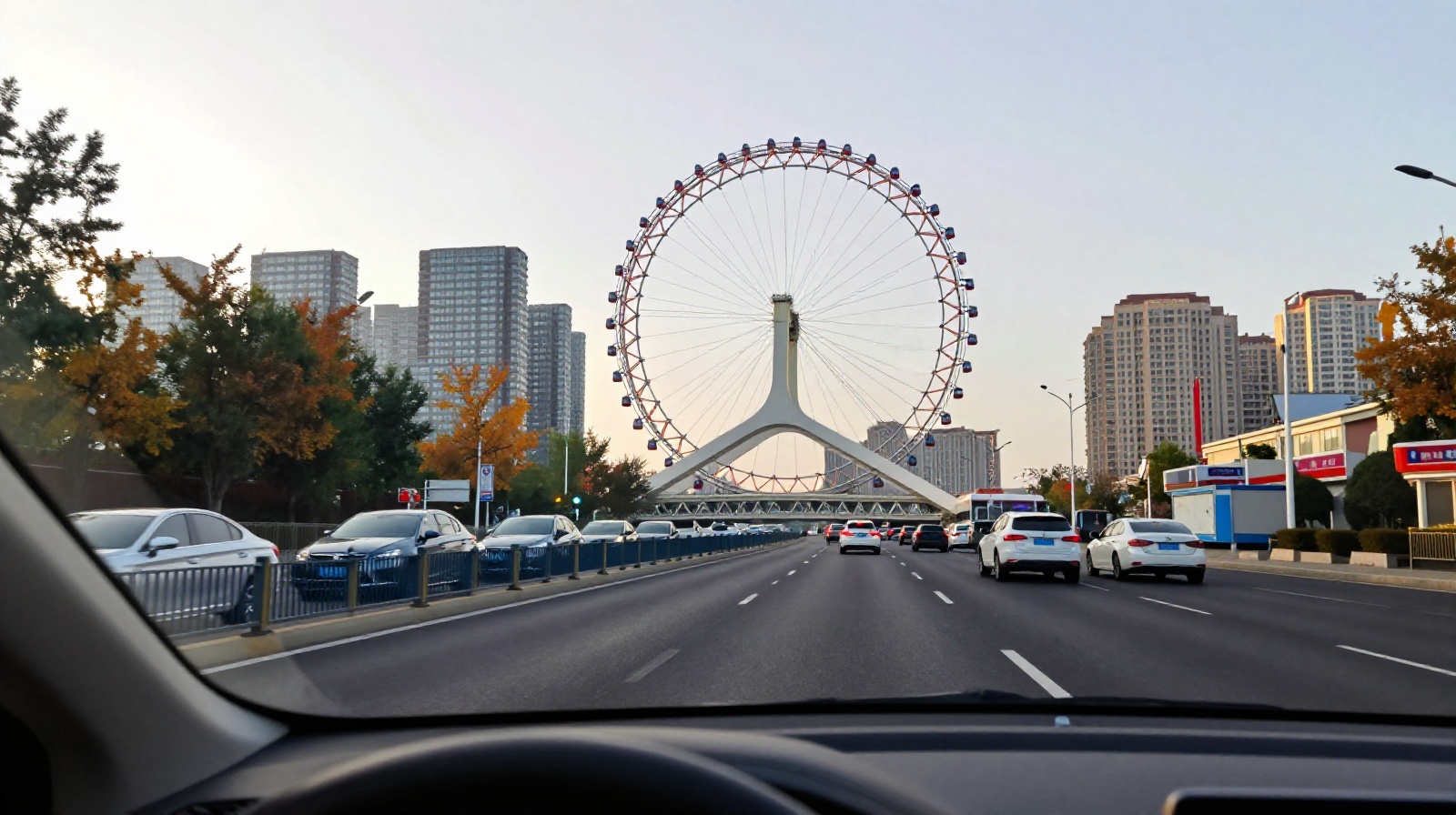
It is 5:30 PM on a crisp autumn Tuesday. The air in downtown Tianjin carries the faint scent of roasted sweet potatoes and diesel from the evening commute. I am sitting in my car, engine idling, just south of the Heihe River. Ahead, the massive steel structure of the “Tianjin Eye” rotates slowly against a pale blue sky, its gondolas like glowing beads on a giant wheel. This is the landmark everyone knows, but for me, it’s just the starting line.
Turning right onto the Haihe Avenue, I merge onto the highway heading east toward Binhai New Area. The speed limit jumps from 40 km/h to 80 km/h instantly. Within five minutes, the density of high-rises thins out. The chaotic mix of old alleyways and modern glass towers gives way to wide, sweeping curves and open horizons.
The Road That Feels Like a Sci-Fi Set
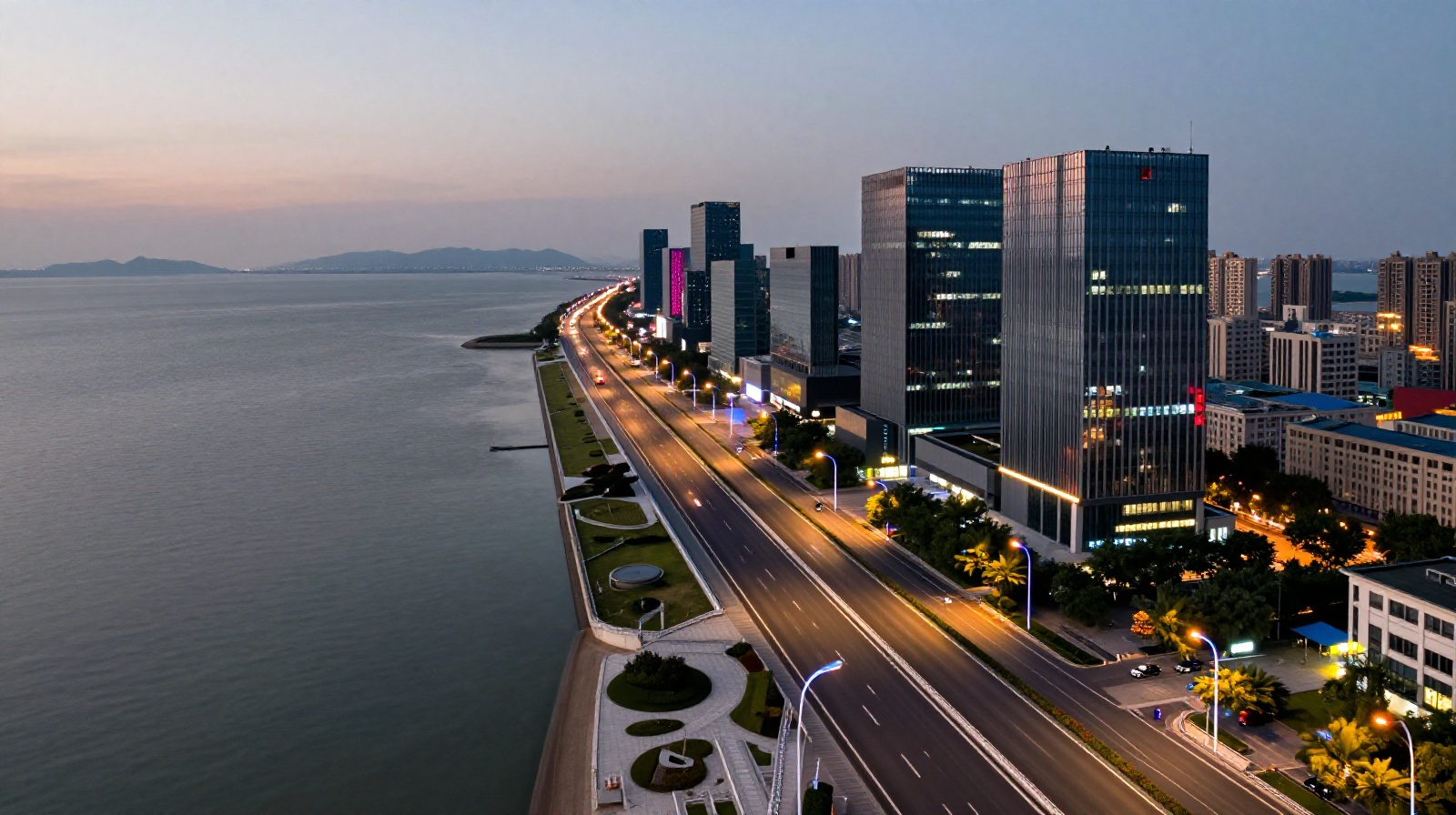
Most coastal roads in the world are just concrete strips beside the water. This one feels different. As I drive along Binhai Coastal Highway, the road surface is remarkably smooth, lined with solar-powered streetlights that change color subtly as dusk falls—transitioning from cool white to a warm amber.
The design here isn’t accidental; it’s part of a deliberate urban planning strategy to integrate logistics, tourism, and living spaces. The highway itself acts as an elevated promenade in some sections, separating vehicle traffic from the pedestrian zones below where families walk dogs or joggers pace themselves against the wind.
To my left, the Bohai Sea stretches out, grey and vast under the late afternoon sun. To my right, futuristic office buildings with glass facades reflect the water. Some look like folded sheets of metal; others resemble giant seashells. There is no construction dust here. The area was built relatively recently, allowing for a unified aesthetic that feels less “developed” and more “designed”.
Where to Stop: Three Hidden Viewpoints
If you are driving this route yourself, the real value isn’t just the drive—it’s where you pull over. The highway is designed with several designated pull-off areas that double as observation decks.
The first stop is near the Binhai Library complex. You can park and walk a short path to see the “Eye” of the library—a giant, hollow sphere surrounded by bookshelves—sitting right next to the coast. It’s a striking contrast: books representing knowledge, ocean representing nature.
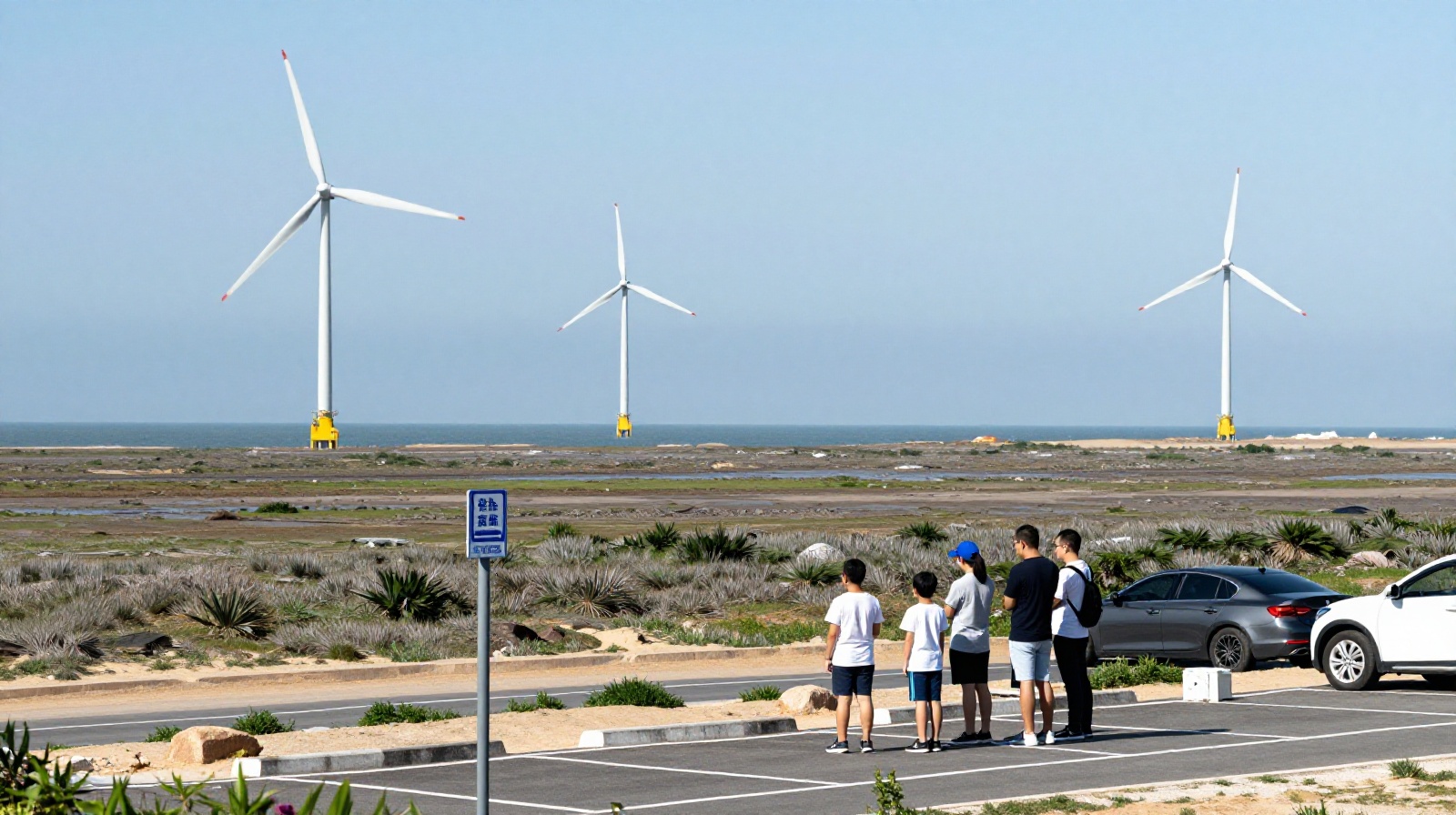
Further east, there is a designated parking lot overlooking the coastal wetlands. This area protects migratory birds and creates a buffer zone. From here, you can see the wind turbines on the horizon rotating in slow motion. The silence is profound; the only sound is the wind hitting the dry grass and the distant hum of traffic.
The Logic Behind the Future
Why does this place feel so different from the bustling streets of Beijing or the historic alleys of Shanghai? The answer lies in the zoning policies. Binhai New Area was established as a national economic zone, allowing for experimental urban design that prioritizes smart infrastructure.
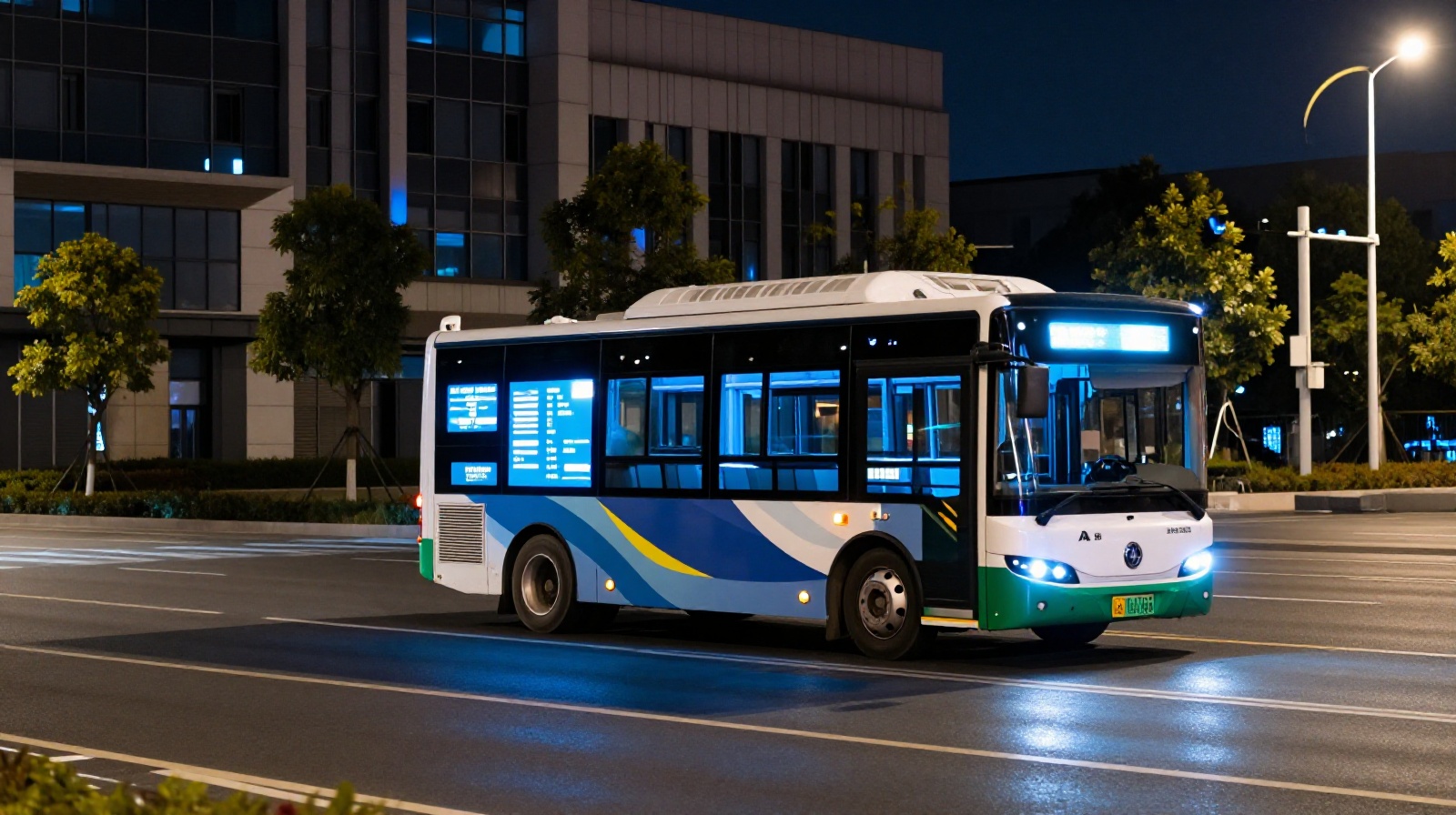
Here, you see autonomous shuttles testing routes along the service roads. You see digital billboards displaying real-time air quality data rather than just ads. The integration of green spaces is not an afterthought but a requirement; every major building must maintain a certain percentage of permeable surface area to manage flood risks from the sea.
This isn’t a theme park. It’s a working city where young engineers, logistics managers, and artists live and work. At 7:00 PM, as I drive back toward the city lights, the highway is still busy, but the flow is orderly. The “Eye” in the rearview mirror is just a memory of the journey’s start.
A New Perspective on China
Driving this coastal route offers more than just scenic views. It challenges the common narrative that China’s development is only about speed and density. Here, we see a different model: one where technology serves the landscape rather than dominating it.
The “Tianjin Eye” and the ocean are no longer separate entities in my mind. They are connected by this road, a ribbon of asphalt that links the industrial past with a digital, green future. For anyone curious about what modern Chinese urban planning looks like beyond the tourist photos, this drive is the most honest answer.