

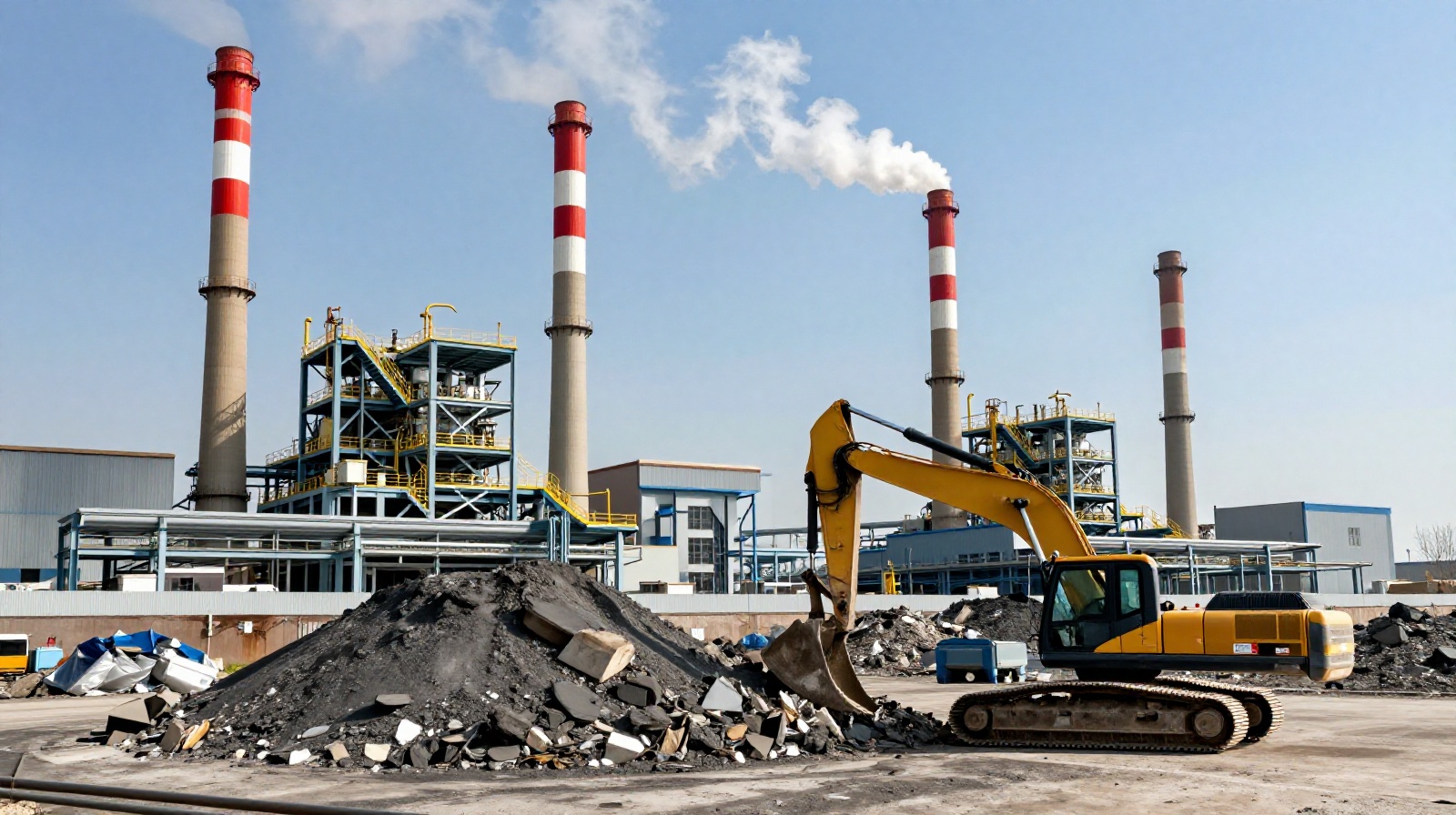
The Paradox of Abundance
In the western province of Shaanxi, a massive waste-to-energy plant operates on an unusual schedule: three months running, one month idle. It is not broken; it is starving. The facility has built capacity to burn 1035 tons of municipal solid waste daily—the largest such capacity in the world—but faces an annual shortage exceeding 60 million tons. This grim reality marks a dramatic turning point in China’s environmental history.
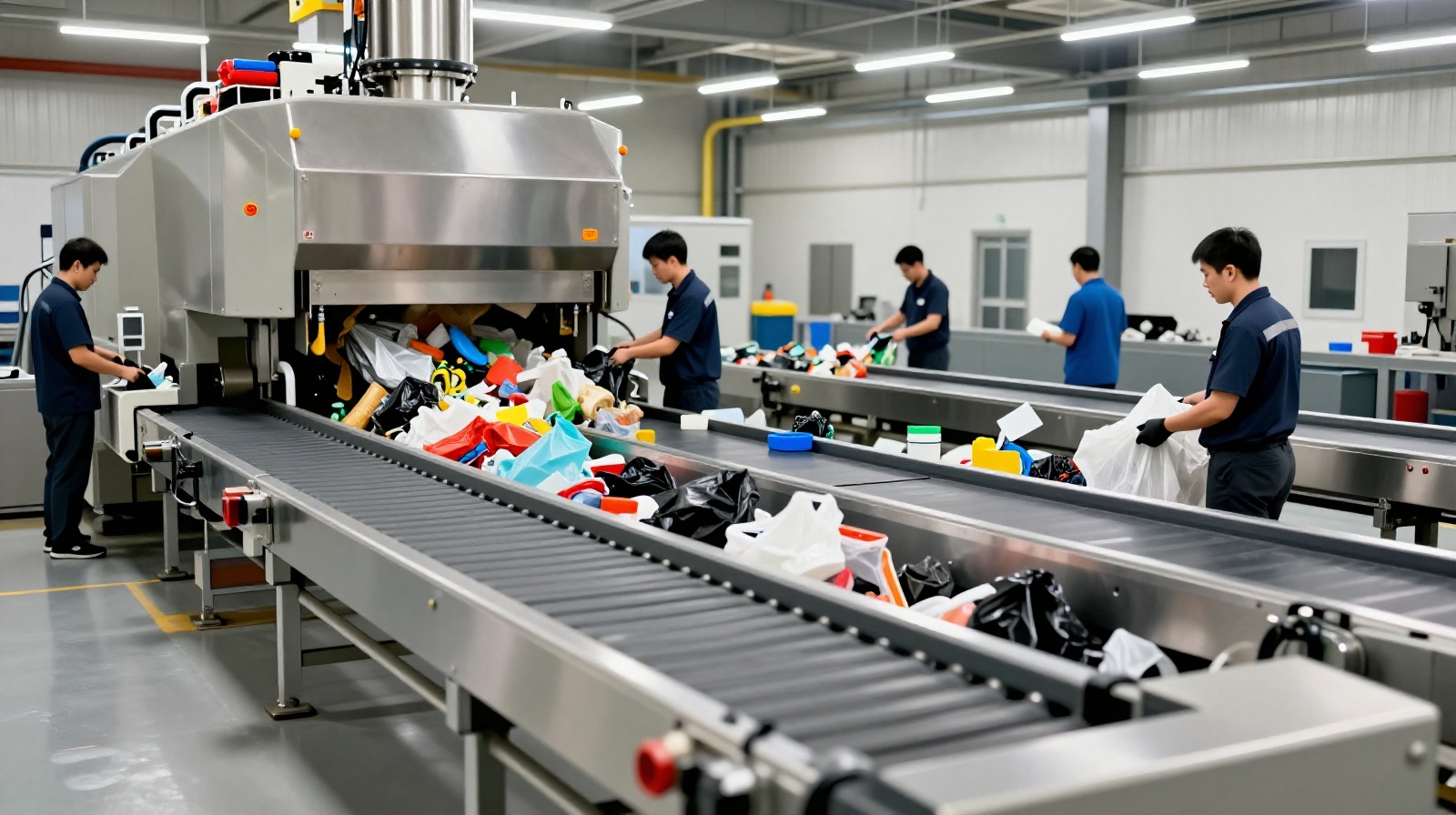
Just over a decade ago, Beijing was surrounded by garbage mountains rising up to 80 meters high. Shanghai needed 2,000 trucks every single day just to haul away its 26,000 tons of refuse. Today, the situation has flipped. While the world concentrates 43% of its waste incineration capacity on Chinese soil, operators are now engaged in a fierce “hunger game” to secure enough trash to burn.
The Race That Outpaced Reality
The seeds of this shortage were sown years ago. In 2002, when Germany’s advanced incineration technology first arrived in Shenzhen, no one predicted it would trigger a nationwide infrastructure boom. By 2017, five major government departments issued joint directives encouraging local governments to “plan ahead.” This sparked a frenzy of construction.
Data reveals the scale: China’s daily waste processing capacity skyrocketed from just 10,000 tons in 2002 to an impressive 1.035 million tons in 2024—a nearly 100-fold increase. In Hebei Province, planned capacity for 2025 far exceeds actual needs. In Jiaxiang County, Shandong, a plant processes less than half its designed volume. Why the rush? Each incineration project comes with 20 to 30 years of government subsidies and boosts local GDP through land development rights.
Success Became a Crisis
The real catalyst arrived in 2019, when China mandated strict waste sorting nationwide. The policy was a massive success, but it had unintended consequences for the industry. In Shanghai, wet organic waste separation increased by 88.8%, while combustible dry waste dropped by 17.5%. In Beijing, the reduction was so significant that two planned large-scale incineration plants were cancelled entirely.
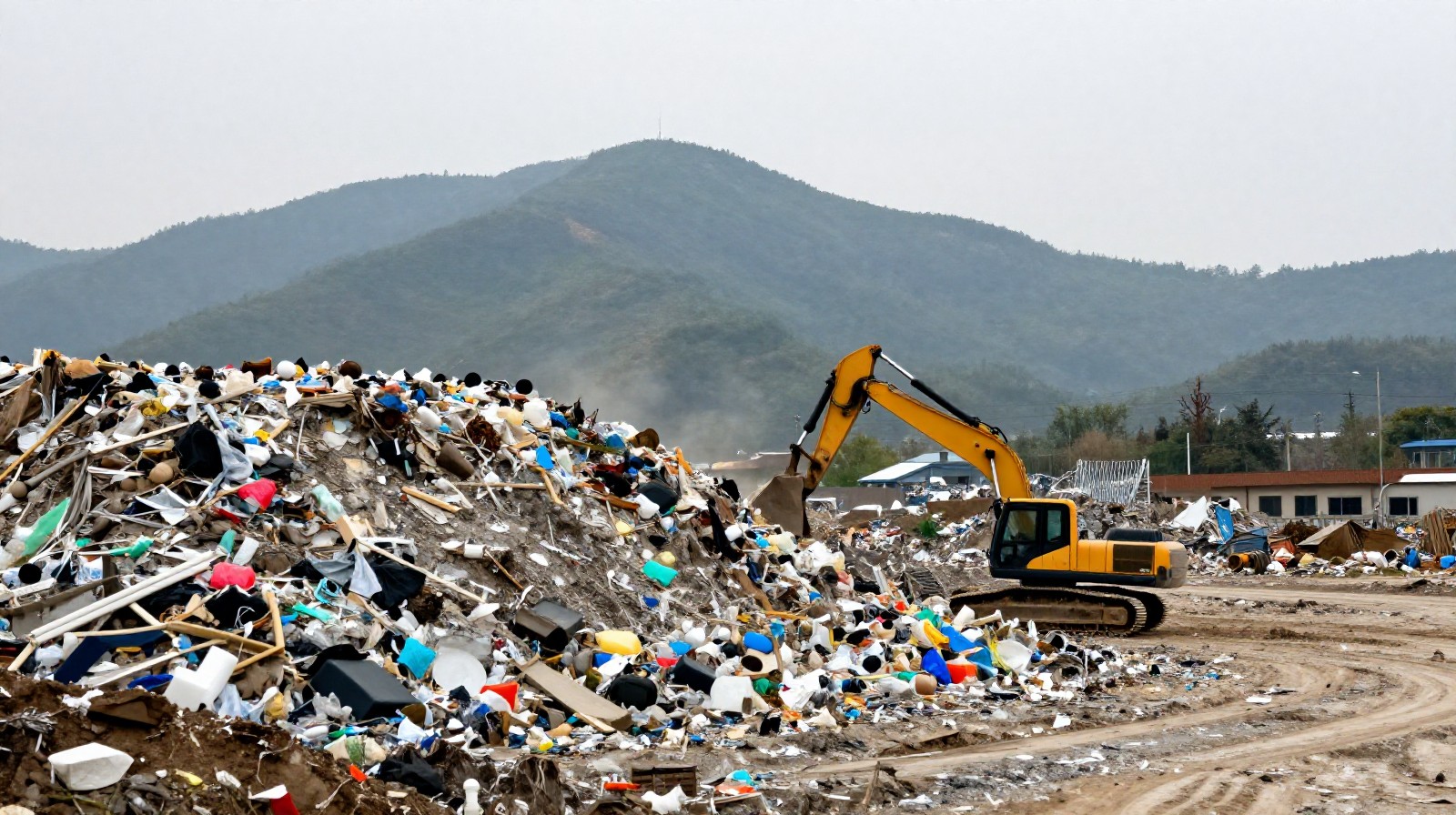
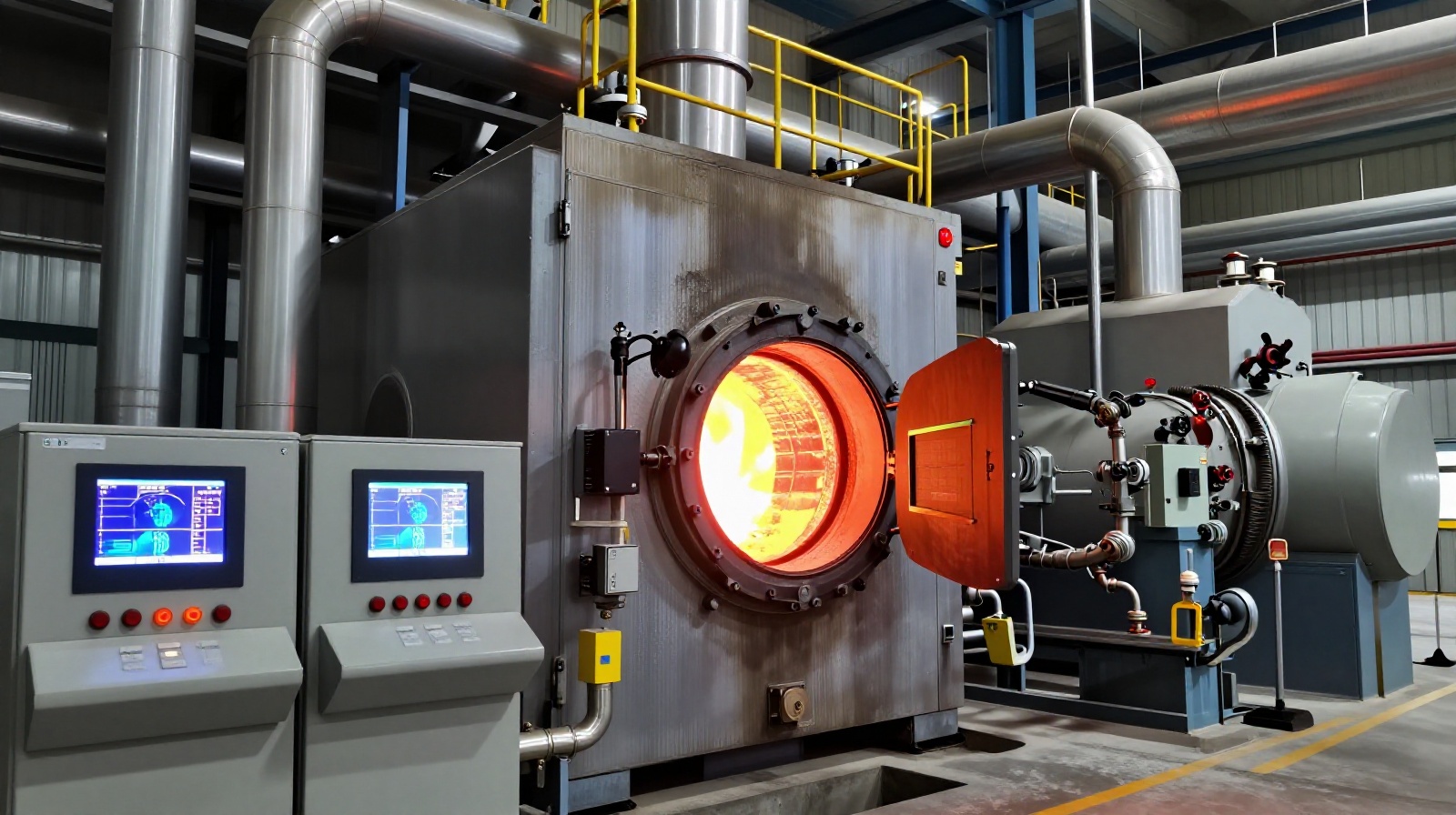
This success has created industrial pain. Plants are designed for garbage with a calorific value of roughly 1,200 kilocalories per kilogram. After sorting, the remaining dry waste now exceeds 1,800 kcal/kg. While this higher heat value should theoretically improve efficiency, the fluctuation makes furnace temperature control difficult. Frequent shutdowns and restarts to manage the heat increase the risk of pollutant emissions.
Digging Up the Past
Faced with a shortage, many Chinese cities have resorted to “waste archaeology.” They are digging up landfills from ten years ago that were buried when regulations were looser. This is not a futuristic sci-fi concept but a desperate necessity in places like Jiangsu and Guangdong.
The challenge lies in the nature of this old waste. Unlike modern sorted trash, decade-old landfill content often contains heavy metals and dioxins, making pollution control significantly harder. In Changzhou, factories are trying to process textile scraps and furniture waste. In Dongguan, some plants sell excess heat to nearby dyeing enterprises to offset costs. These innovations are not just about saving money; they are instinctive survival reactions to a crisis born of their own success.
A New Definition of Resources
Policy shifts are already underway. A new draft standard on pollution control proposes expanding the safety buffer zone around plants from 300 meters to 1,500 meters, which would effectively淘汰 30% of existing facilities. More radical suggestions from the State Council Development Research Center include creating a cross-provincial waste allocation mechanism, allowing surplus regions to bid on processing waste from neighboring provinces.
Yet, all these solutions circle one fundamental question: As waste reduction becomes inevitable through continued sorting, does the industry logic of “waste equals resources” need to be redefined? China’s journey shows that solving an environmental problem can create new economic challenges, demanding a fresh approach to how we view the future of urban waste.