

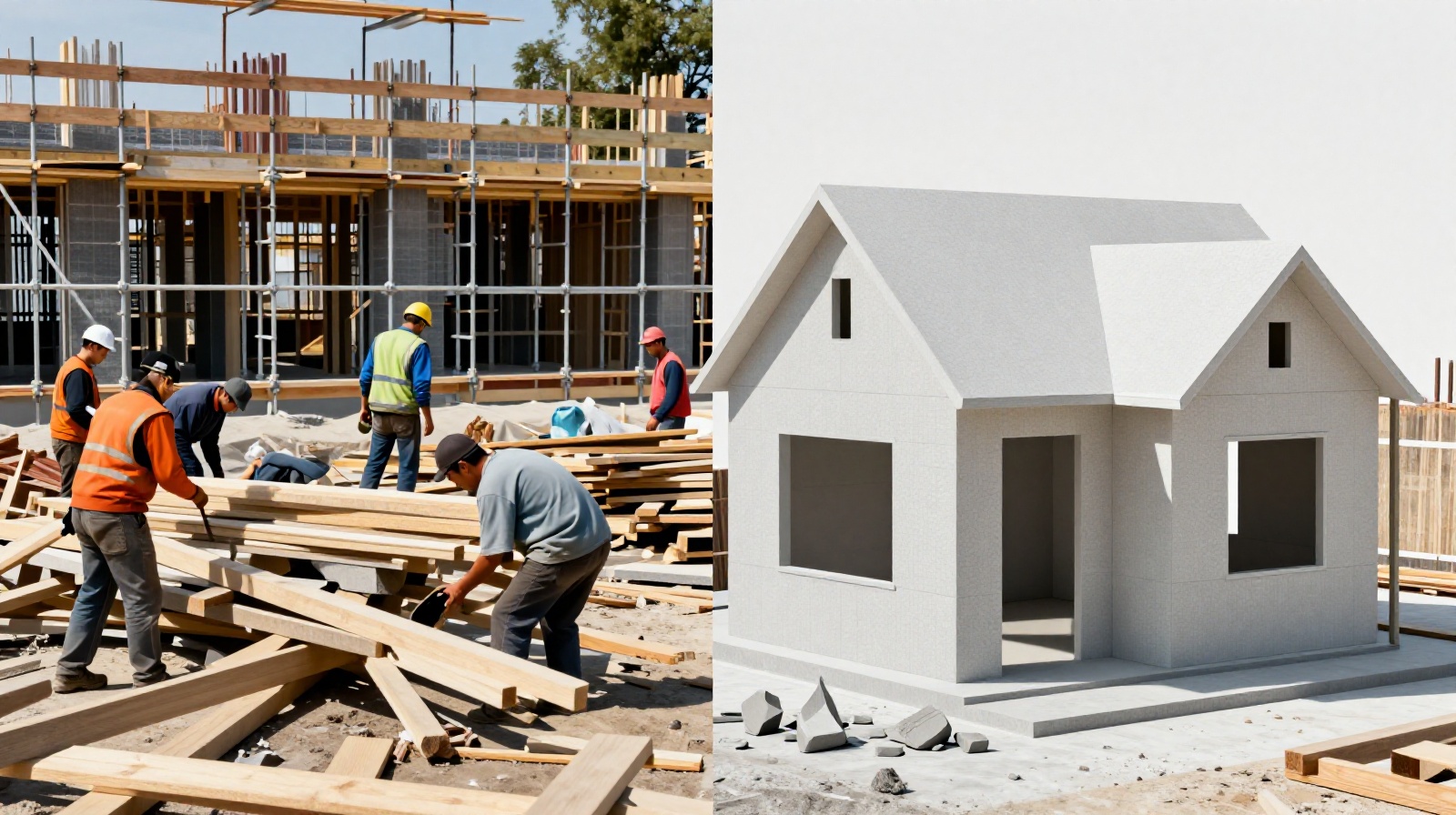
Introduction: Technology Reshaping Living Spaces
The skyline of Shanghai has always been a testament to human ambition and engineering prowess. However, the latest addition to this iconic cityscape isn’t just taller or more glass-heavy; it’s entirely printed. The completion of Shanghai’s first 3D-printed residential building signals a monumental leap from conceptual sci-fi to tangible reality.
This project represents more than just a construction milestone; it is the dawn of a new era where buildings are assembled with robotic precision, minimizing waste and maximizing efficiency. But how exactly does this technology work, and what does it mean for the future of urban living?
Project Unveiled: What Makes This 3D-Printed Home Unique
Spanning a total floor area that challenges conventional expectations, this structure is far more than a prototype. It features multiple residential units designed to meet rigorous safety and comfort standards.
- Dimensions: The building stands at approximately 10 meters in height with a footprint of over 500 square meters.
- Materials: Utilizing a proprietary, high-strength concrete composite reinforced with carbon fiber, the structure offers superior durability and thermal insulation.
- Timeline: While traditional construction would take months for this scale, the printing process itself was completed in just 48 hours, excluding foundation work.
The Core Technology: Speed Meets Structural Integrity
The secret lies in the specialized extrusion system. Giant robotic arms, guided by AI-driven blueprints, deposit layers of the concrete mixture with millimeter precision. Unlike traditional formwork, which requires time-consuming setup and removal, this additive manufacturing approach builds upward layer by layer.
To ensure structural stability, the design incorporates a lattice-like internal structure within the walls, distributing loads more efficiently than solid concrete blocks. This innovation not only reduces material usage by up to 30% but also significantly lowers the carbon footprint of the construction process.
Industry Impact: A Paradigm Shift for Urban Development
The implications for the global construction industry are profound. Traditional建筑业 (construction) is notorious for inefficiencies, labor shortages, and environmental impact. 3D printing addresses these pain points directly.
- Cost Reduction: Automation drastically cuts labor costs.
- Sustainability: Reduced material waste aligns with global green building initiatives.
- Speed to Market: Rapid deployment is crucial for affordable housing crises in megacities worldwide.
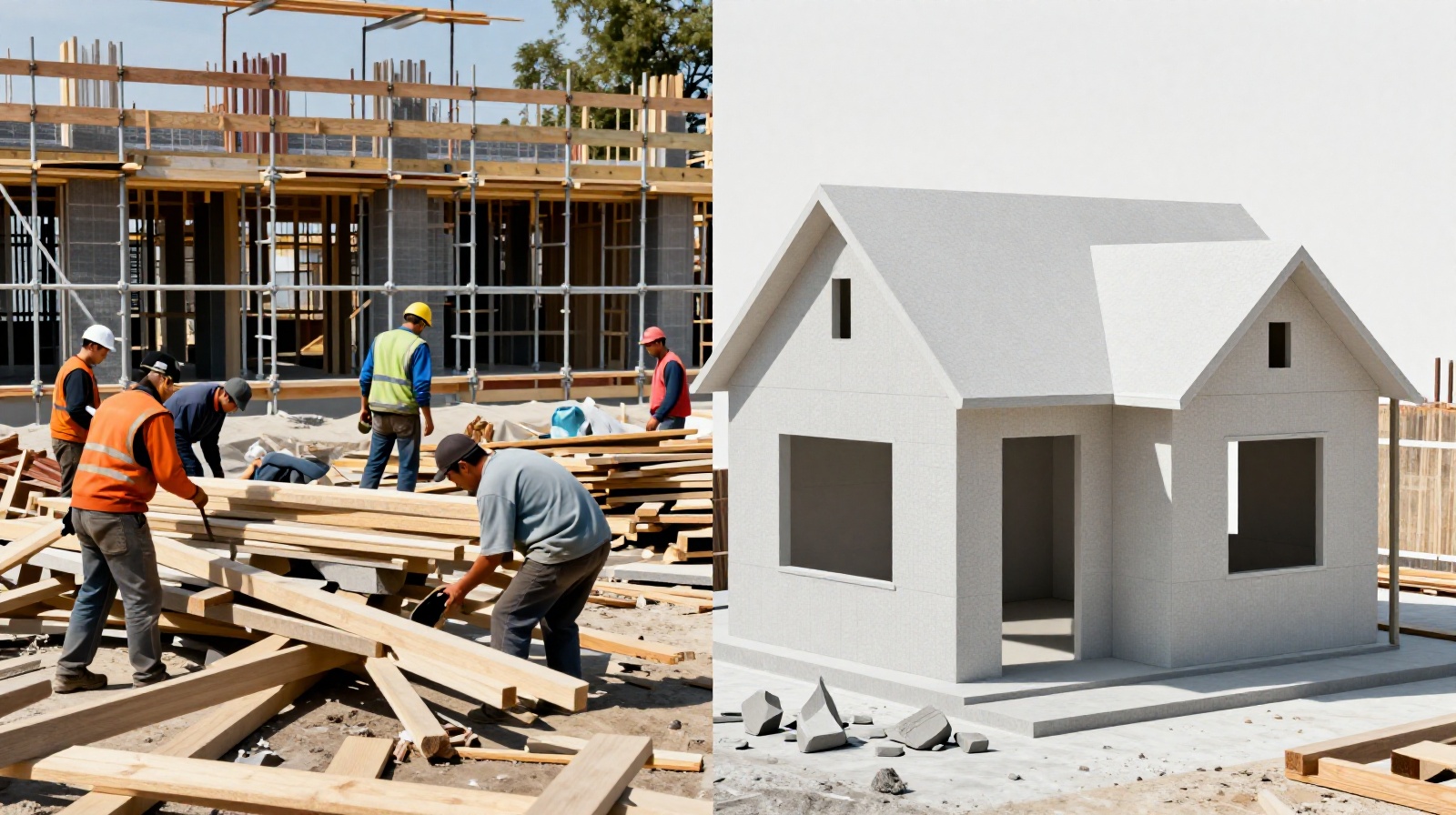
This project proves that smart construction is no longer a distant dream but an operational reality. It paves the way for customizable, resilient architecture that can adapt to changing urban needs.
On-Site Experience: Witnessing “Chinese Smart Speed”
Stepping inside the completed building offers an immersive look at the future. The smooth, organic curves of the walls—impossible to achieve with traditional molds—create a futuristic aesthetic that feels both high-tech and welcoming.

The site buzzed with activity as engineers showcased the “printing speed” in real-time demonstrations. It is a vivid reminder that China’s push for innovation is reshaping not just its own skyline, but the global standard for how we build our homes.