

From Slogans to Streetlights
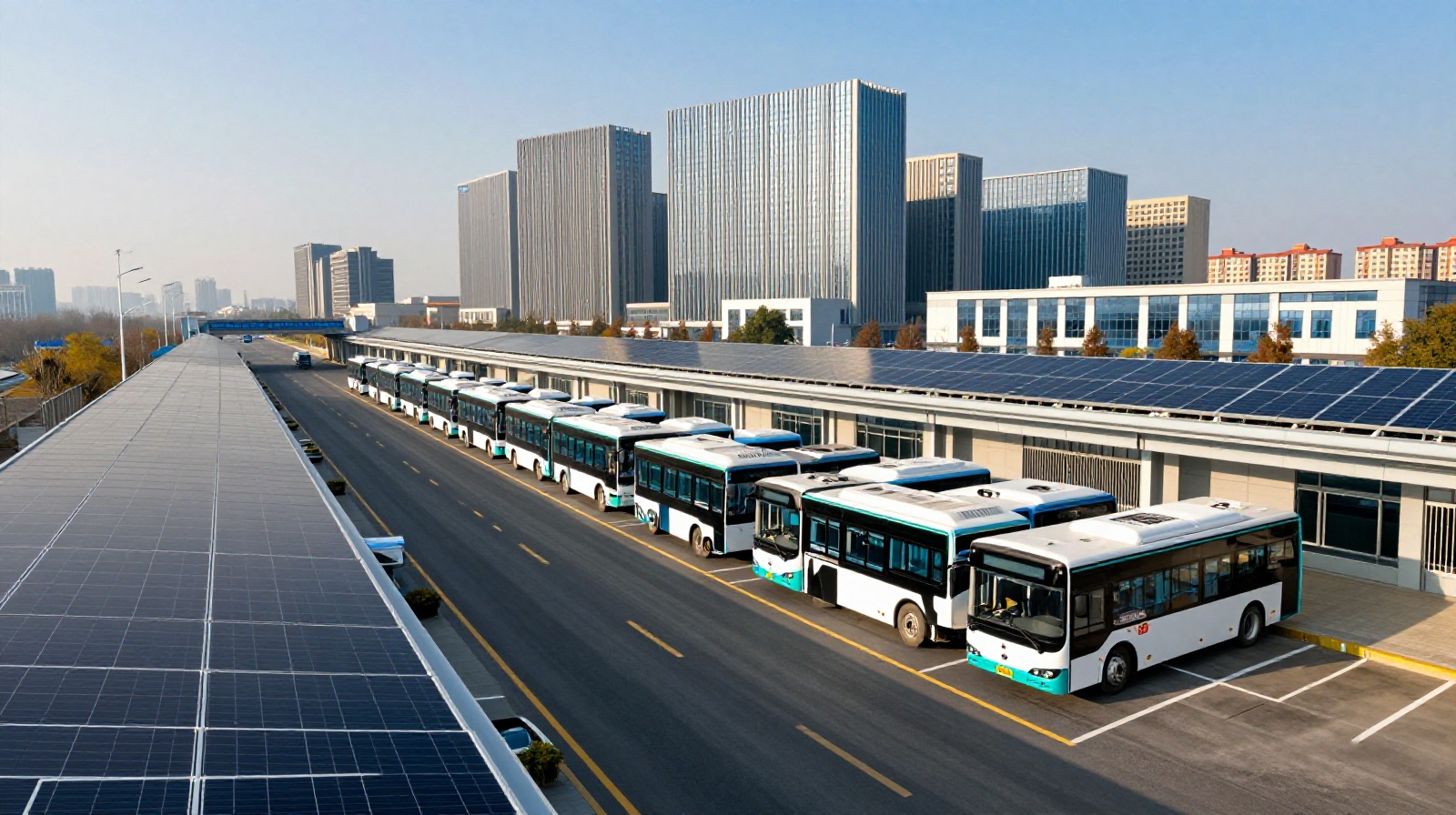
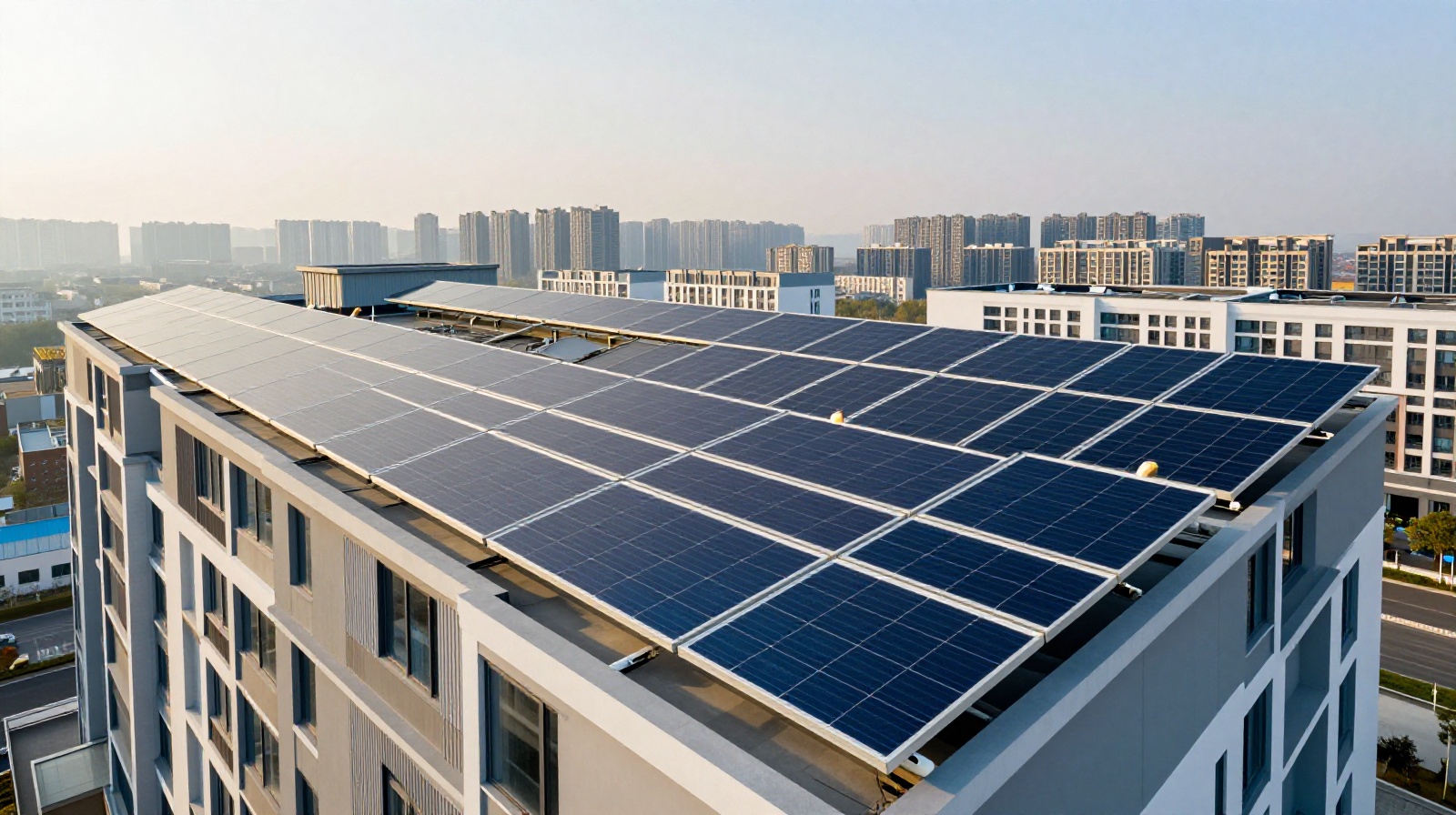
At 7:30 AM in Shenzhen, the morning rush doesn’t start with the roar of diesel engines. Instead, a fleet of electric buses glides silently into the terminal, their batteries charged by a grid powered largely by wind and solar from nearby provinces. On the rooftop of a small apartment block in Hangzhou, rows of blue photovoltaic panels catch the first light of dawn. For Li Wei, a local community manager, this isn’t just infrastructure; it’s how he bills his neighbors for shared energy costs.
International observers often discuss China’s climate goals through dense policy reports or diplomatic rhetoric. But if you walk the streets today, the narrative shifts from abstract targets to tangible utility. The transition is no longer a distant promise but an immediate feature of daily life, changing how millions commute, work, and consume.
The People Behind the Shift
To understand this transformation, look at Chen Fang, a 34-year-old bus driver in Chengdu. Ten years ago, she would have spent her shift fighting exhaust fumes and loud engines. Today, her cabin is quiet, climate-controlled, and costs a fraction of what diesel buses required to run.
“The biggest change for me isn’t the environment; it’s my health,” Chen says, wiping down the dashboard after a long route. “My back doesn’t ache as much when I drive this. Plus, the city pays better for these routes now because they are more efficient.”
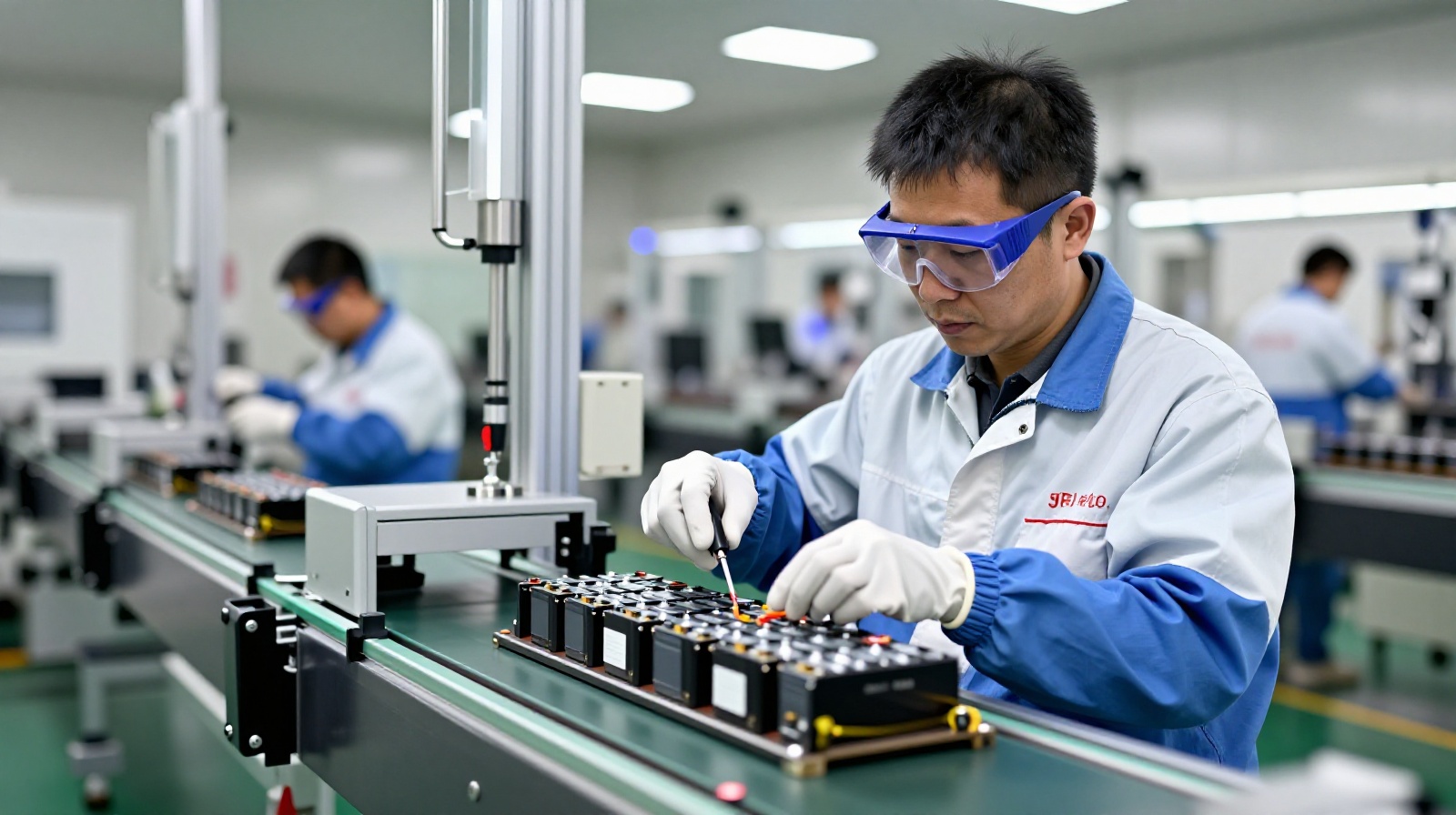
Chen is one of thousands of frontline workers who have been upskilled to maintain and operate green infrastructure. In factories across Jiangsu province, like Li Ming at a battery cell manufacturer, the role has shifted from heavy assembly line labor to precision robotics maintenance. “We used to worry about pollution in the factory,” Li explains. “Now, our job is making sure the machines that make solar panels and batteries don’t stop running.”
These stories highlight a critical point: China’s green transition is not just top-down policy. It relies on millions of ordinary people adapting their skills and daily routines to support a new industrial ecosystem.
Tech You Can See, Touch, and Afford
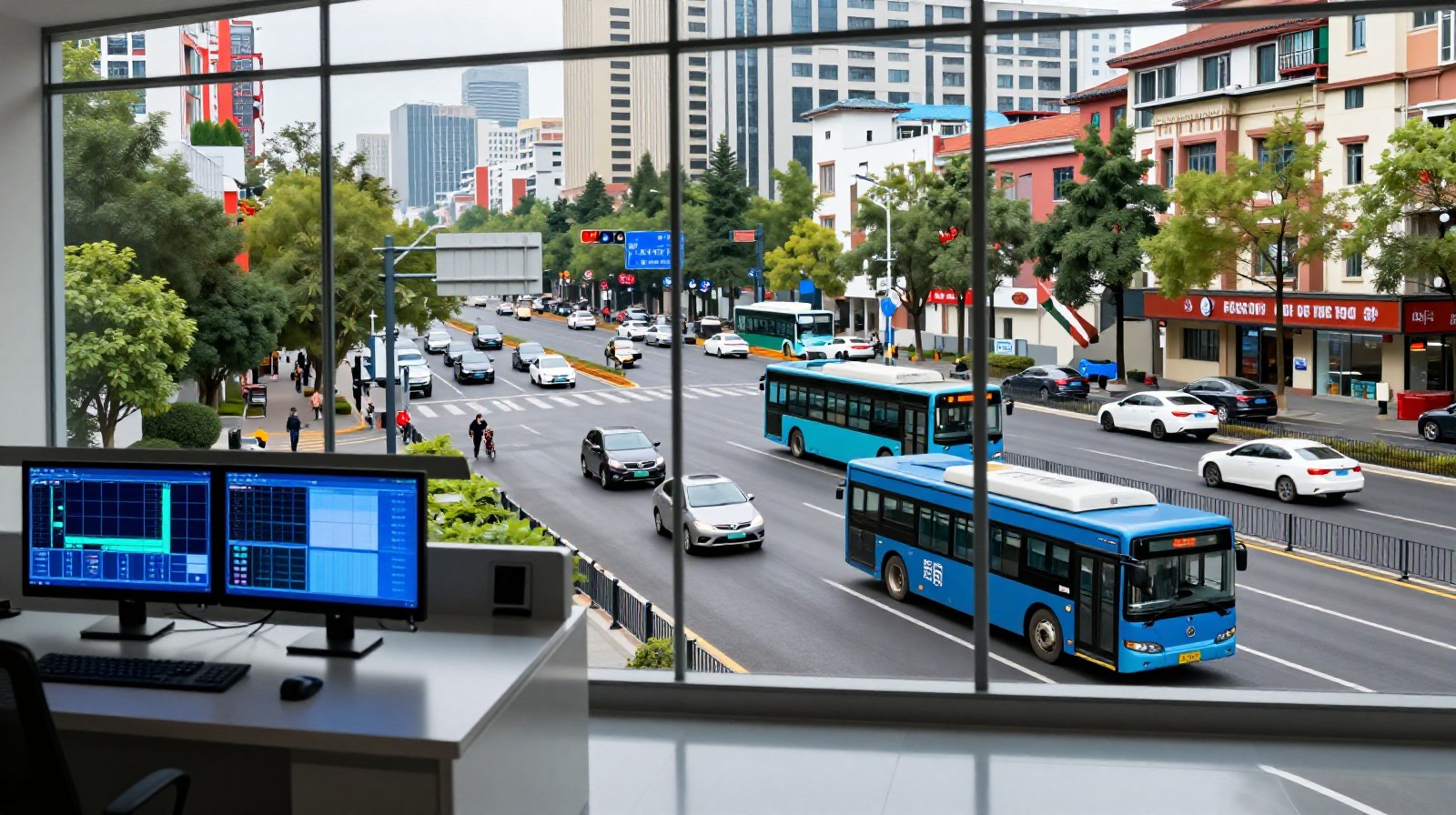
The technology driving this change is no longer experimental; it is ubiquitous. In cities like Shenzhen, the public transit system is already 100% electric. The smart grid behind these buses dynamically adjusts power flow based on real-time demand, drawing excess energy from local solar farms during the day and storing wind power for the night.
For the average consumer, this means lower bills and cleaner air without needing to understand the physics of high-voltage transmission. In rural areas, decentralized micro-grids allow villages to generate their own power, reducing reliance on fragile long-distance lines.
This domestic scale has a massive impact on global markets. Chinese manufacturers now produce over 80% of the world’s solar panels and nearly two-thirds of electric vehicle batteries. The sheer volume of production has driven costs down so dramatically that renewable energy is often cheaper than coal in many parts of the world, even before subsidies.
The Ripple Effect on Global Climate
Some critics argue that China’s environmental progress is primarily for domestic consumption. However, the data tells a different story. By flooding the global market with high-quality, low-cost green tech, Chinese manufacturing has effectively democratized climate action.
Consider the price of solar modules. In 2010, installing a residential solar system was a luxury investment. Today, thanks to supply chain efficiencies driven by Chinese production, it is a standard option for homeowners in Germany, Australia, and the United States. Similarly, the cost of lithium-ion batteries has dropped by nearly 90% over the last decade, making electric vehicles affordable for mass markets.
This isn’t just about China’s carbon footprint shrinking; it’s about enabling the rest of the world to decarbonize faster. When a utility company in Brazil or an automotive plant in Europe buys Chinese solar inverters or battery packs, they are directly contributing to global emission reductions at a fraction of the previous cost.

A Shared Future Built on Reality
The journey from green slogans to green reality is still underway. Challenges remain, such as balancing energy supply with demand and ensuring fair labor practices in rapidly expanding industries. But the trajectory is clear.
China’s environmental industry has moved beyond being a niche sector. It is now the backbone of a global shift, proving that economic growth and climate action can go hand in hand. For the rest of the world, the lesson isn’t just about what China achieves domestically, but how its success lowers the barrier for everyone else to join the race toward net zero.
As the sun sets over a Shenzhen skyline lit by clean energy, the message is simple: the future of climate action is being built not in boardrooms, but on factory floors and city streets where ordinary people are already living it.